

 PrintFriendly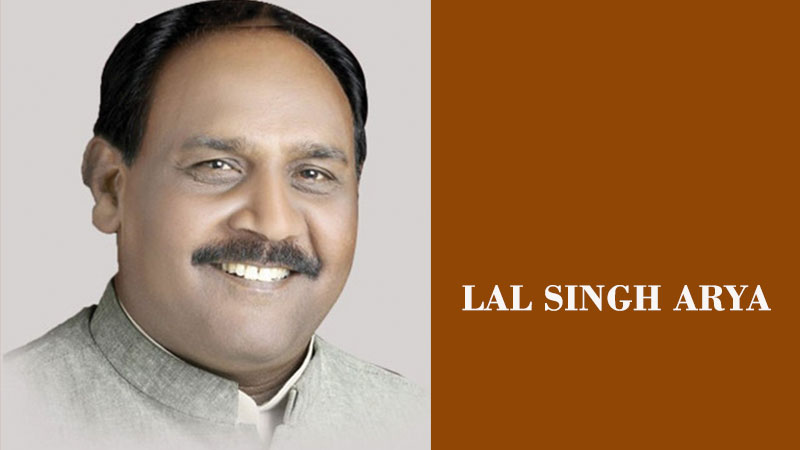
In the Indian saint tradition, the name of Sant Shiromani Guru Ravidas Ji is not limited to spiritual practice; he is a towering symbol of social consciousness, equality, and human dignity. The core message of his teachings was that God resides not in external pomp, but in a pure mind — through “Man Hi Pooja, Man Hi Dhoop,” he connected devotion with inner spiritual practice. Sant Ravidas Ji represents a cultural resolve that taught society not to bow in submission, but to unite in the thread of humanity. In a society gripped by casteism and untouchability, he lit the lamp of love, harmony, and spiritual equality.
Born in the 15th century, Sant Ravidas Ji spoke out at a time when social divisions were deeply ingrained. Through his verses and life examples, he clarified that a person’s identity is determined not by birth, but by actions and qualities. Through “Ek Mati Ke Sab Bhaande,” he conveyed the unity of all humanity. He also criticized caste pride as a cause of social disintegration, saying, “Jaat maat puchiye, ka jaat aru paat; Raidas put sab prabhu ke, koi nahi jaat kujaat.” For him, devotion was not merely worship; service, education, and social reform were equally sacred. He considered knowledge to be the power that enables individuals to distinguish between right and wrong and paves the way for change.
Born in the 15th century, Sant Ravidas Ji spoke out at a time when social divisions were deeply ingrained. Through his verses and life examples, he clarified that a person’s identity is determined not by birth, but by actions and qualities. Through “Ek Mati Ke Sab Bhaande,” he conveyed the unity of all humanity
A very important aspect of Sant Ravidas Ji’s life was the ‘Shram ki Pratishtha’ (dignity of labor). He worked as a maker of water pots and never considered his ancestral profession inferior. He said, “Shram kau isar jaani kai,” meaning, “Work is the embodiment of God.” The famous story associated with him — in which he prioritizes making water pots instead of going to bathe in the Ganges — is a powerful example of dedication and integrity.
According to folklore, impressed by the growing influence of Sant Ravidas Ji, Sikandar Lodi, the ruler of Delhi, summoned him to his court. He was pressured to convert, but Sant Ravidas Ji remained steadfast. He declared, “I will not abandon the Vedas even if a dagger strikes my neck.” He calmly stated that true devotion resides in the heart and cannot be altered by fear or greed. His message, “Maan changa to kathauti me Ganga,” conveys that purity lies within the heart, not in any place. His philosophy of life continues to inspire youth today — keep doing your work with sincerity, and you will surely reap the rewards.
His ideal society — ‘Begumpura’ — was a vision of an egalitarian system free from suffering, discrimination, and deprivation. This was not merely a spiritual ideal, but a vision of social justice where everyone would have food, respect, and equal opportunities. In modern times, Prime Minister Shri Narendra Modi’s concept of inclusive development and “Sabka Saath, Sabka Vikas” reflects a similar vision, aiming to extend facilities and opportunities to the last person in society. Policies promoting respect and self-reliance for workers, artisans, and the underprivileged are often seen as inspired by Sant Ravidas Ji’s spirit of ‘Shram ki Pratishtha’ and ‘Antyodaya.’
Kabir described Sant Ravidas Ji as the greatest among saints. Sant Ravidas Ji was extremely humble, sincere, and a true devotee of the path of devotion. He opposedcaste discrimination and advocated love, equality, and humanity. Both Kabir and Sant Ravidas Ji belonged to the Nirgun Bhakti tradition, and their views are considered deeply similar. The line, “aisa chahoon raaj main, jahan mile saban ko ann, chote-bade sab sam basye, Raidas rahe prasan,” further clarifies his social philosophy.
He spoke not only of spiritual liberation but also envisioned a just system on earth. For him, the ideal kingdom was one where no one faced hunger, deprivation, or humiliation. Here, food symbolizes the basic necessities of life, while “small and great” conveys the message of social equality and the end of caste discrimination. This idea was a quiet yet profound revolution against the rigid social structure of the time. The line ‘Raidas rahe prasan’ shows that the saint’s happiness is linked not to personal gain but to collective well-being. Thus, this verse powerfully expresses Sant Ravidas Ji’s ideal of a society founded on equality, compassion, and human dignity.
The relationship between God and the devotee is beautifully expressed in the line, “Prabhu ji, tum deepak hum baati, jaki jyot bade din raati.” The lamp (diya) symbolizes God, and the wick (baati/vaati) symbolizes the devotee. A lamp cannot burn without a wick, and a wick is meaningless without a lamp — signifying that the relationship between the devotee and God is inseparable. Sant Ravidas Ji conveys that his existence derives its light from God. Just as a wick burns and spreads light, a true devotee abandons ego, merges with the Divine, and radiates the light of love, compassion, and knowledge. The words “din raati” indicate constant devotion and unwavering remembrance — devotion is not a momentary emotion, but a continuous flow of life.
Sant Ravidas Ji was also a symbol of spiritual strength and cultural self-respect. Even in difficult circumstances, he never compromised on truth or his religious path. The fact that a devotee like Mirabai regarded him as her guru demonstrates that devotion and knowledge are not limited by class or birth. His life teaches us that true devotion, true religion, and true service to the nation are expressed through action, service, equality, and love for humanity. Sant Ravidas Jayanti is not merely an occasion for inspiration, but a resolution — to build a harmonious, educated, and self-reliant society where every heart is pure and every person can live a life of dignity.
(The writer is National President, BJP SC Morcha)