
The people of Assam have decided that the BJP–NDA government will score a hat-trick this time: PM

| Published on:

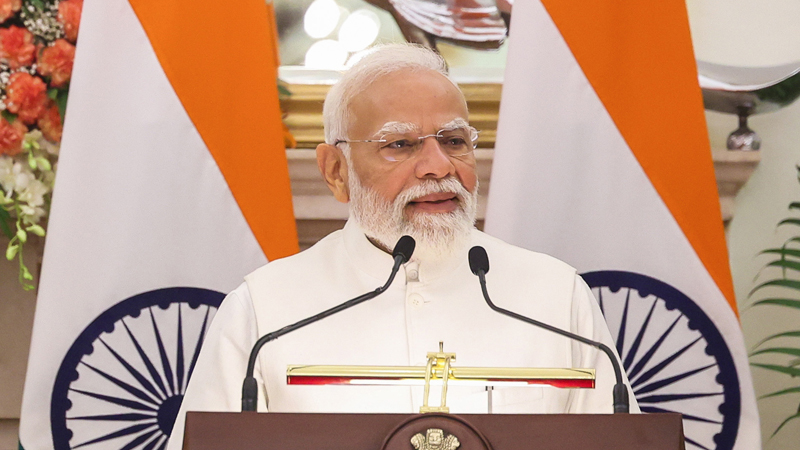
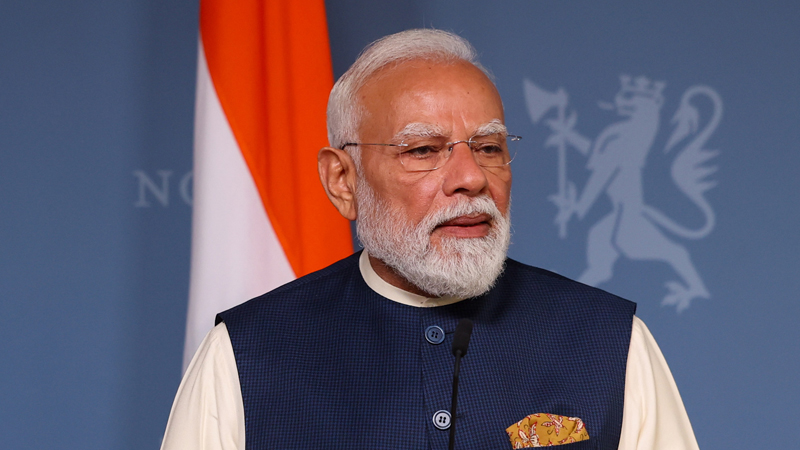
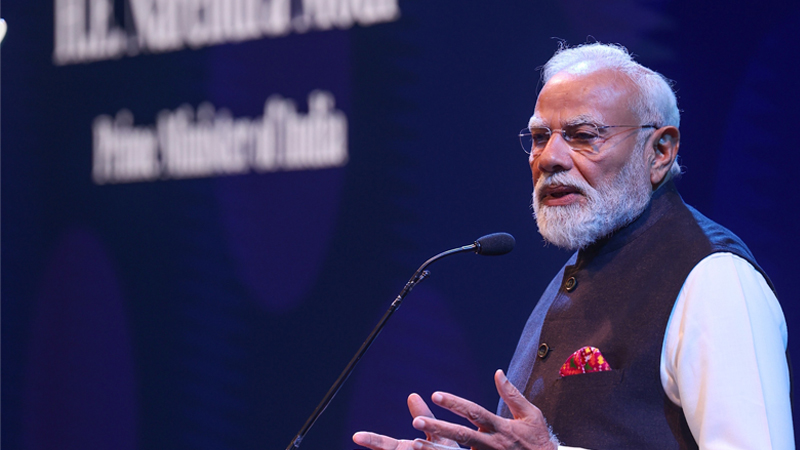
PM Modi addressed massive public meetings in Barpeta, Hojai and Dibrugarh, as election campaigning in Assam gathered strong momentum. Addressing enthusiastic crowds, PM Modi highlighted the vision of a self-reliant and Viksit Assam. He launched a strong attack on Congress, accusing it of promoting family-first politics, corruption, and false promises. He also spoke about expanding welfare initiatives along with ensuring reservation for women through the Nari Shakti Vandan Act.

Opening his address on a confident note, the PM said, “The people of Assam have made two things certain this time- first, the BJP-NDA government will return for a third term in the state and second, the Congress will continue its record of defeats.” Amid loud chants of ‘Aakou Ebaar… BJP Shorkar’ he said the massive turnout in Barpeta reflected the public’s clear mood.

He stated, “On BJP Foundation Day, I extend my heartfelt congratulations to every karyakarta and every person connected with the BJP family. With the mantra of Nation First, we are dedicated to the service of Maa Bharati. Our resolve is to build an Atmanirbhar Bharat.”

Emphasising the theme of Atmanirbhar Assam, Viksit Assam, PM Modi drew a sharp contrast between the BJP and the Congress. “Congress has never worked with a long-term vision. It focuses on short-term gains, often driven by corruption. The BJP, on the other hand, works with a clear and long-term vision for development,” he said. He added that the past decade laid the foundation of peace and stability in Assam, while the coming years would expand prosperity and self-reliance.

Highlighting Assam’s growing potential, PM Modi said improved connectivity and infrastructure are boosting tourism and economic opportunities. Referring to the region’s cultural and spiritual significance, he noted that places like Maa Kamakhya and Manas National Park are attracting increasing attention.

Focusing on farmers, PM Modi shared key achievements of the government. “Today, the MSP for paddy has increased significantly compared to earlier years and our government has ensured record procurement. In the last ten years, we have given four times more MSP to farmers than before 2014,” he said. He also announced that Assam’s Joha rice has begun exports to international markets like the UK and Italy, calling it a moment of pride for local farmers.

On women empowerment, he highlighted several welfare initiatives. “From housing and sanitation to free gas connections and financial inclusion, our schemes have empowered crores of women. Under the Lakhpati Didi initiative, nearly three crore women have become financially empowered,” he said.

He also reiterated the government’s commitment to women’s reservation, urging political parties to support the initiative unanimously.

PM Modi added, “Therefore, our government has called a special session from 16 April to make the necessary amendments. But some people are trying to spread confusion even about this noble work.
No state will suffer any loss because of this. The representation of those states that have worked to control population will not be reduced.”

Addressing the issue of tribal welfare and peace in the Northeast, PM Modi criticised the Congress for decades of neglect. “For years, tribal areas suffered from poverty and violence. Today, we are witnessing a new era of peace and development in the Northeast,” he said, adding that thousands of youth have been brought into the mainstream through peace efforts.

On national security, the PM accused the Congress of undermining the armed forces.

“While our forces have shown unmatched bravery, Congress has often echoed the narrative of our adversaries,” he remarked. He also highlighted the implementation of One Rank One Pension (OROP), noting that over ₹1.24 lakh crore has been disbursed to ex-servicemen.

Raising concerns about Assam’s identity and security, PM Modi alleged that Congress policies had enabled illegal encroachments and weakened local interests. “The BJP-NDA government is committed to protecting Assam’s identity and securing its future,” he asserted, urging voters to remain vigilant.

In his second rally of the day in Hojai, PM Modi cited examples from Congress-ruled states; he said their guarantees fail on the ground and warned Assam’s voters to stay cautious of misleading promises. He also raised concerns over illegal infiltration and its impact on Assam’s identity, land, and employment.

At Dibrugarh rally, he sharply criticised Congress, accusing it of treating land as an “ATM” for vested interests. He highlighted how BJP-NDA is working to provide land rights to farmers, tribal communities and tea garden families. He also reiterated the government’s commitment to implementing 33% reservation for women through the Nari Shakti Vandan Act, urging all parties to support its implementation for the 2029 elections.

In his concluding remarks, the Prime Minister called for maximum voter participation. “The time for voting is here. In the coming days, we must work with full dedication to secure victory at every booth,” he said. He also extended Bohag Bihu greetings and urged people to share his best wishes with others.

PM Modi addresses Party Karyakartas on BJP Sthapana Diwas

| Published on:

PM Modi addressed BJP Karyakartas on the party’s Sthapana Diwas, paying tribute to generations of workers and their dedication, sacrifice and unwavering commitment. He reminisced about the early years when the BJP had neither power nor resources, and karyakartas travelled tirelessly to connect with people. He reiterated their belief in a brighter future for Bharat, which kept them going despite challenges like the Emergency, political isolation and violence.

The PM paid homage to all those who lost their lives for the welfare of people, particularly in states like West Bengal and Keralam and said BJP workers have always remained fearless and committed to nation-building.

Reflecting on BJP’s growth, PM Modi said the party’s success is rooted in a long journey of intent, policy and dedication. Inspired by the ideals of the Rashtriya Swayamsevak Sangh, BJP entered politics with a commitment to ‘clean and value-based governance’. Over the decades, the party built a strong cadre driven by service, discipline and ideological clarity.

He highlighted that the BJP has also set a new benchmark in coalition politics through the NDA, which has completed over 25 years, reflecting inclusivity and respect for regional aspirations.

Speaking on governance, he recalled that the party had resolved to ensure greater participation of women and fulfilled its commitment by bringing the Nari Shakti Vandan Adhiniyam, with the aim of implementing it in the 2029 elections.

He said that today, the BJP is guided by the principle of Antyodaya. He noted that through a saturation approach, the government has helped lift 25 crore people out of poverty.

PM Modi highlighted key milestones achieved by the government, including the removal of Article 370 in Jammu and Kashmir, fulfilling a long-standing commitment of the party.

He added that BJP has consistently worked to strengthen national unity through initiatives like One Nation One Tax with GST, One Nation One Ration Card, and One Nation One Grid, etc.,

Emphasising India’s global outlook, the PM said the country is guided by the spirit of “Vasudhaiva Kutumbakam” and is engaging with the world with equal closeness. He said BJP has balanced development with heritage, ensuring due recognition to all great personalities of India, including Netaji Subhas Chandra Bose and the Azad Hind Fauj, while also promoting Khadi and the spirit of self-reliance.

On economic and environmental progress, PM Modi noted that India is achieving its climate goals ahead of time and has significantly expanded its renewable energy capacity, especially in solar power.

Concluding his address, the Prime Minister reaffirmed that BJP will continue to work with dedication towards nation-building, guided by its core principle:
“Rashtra Pratham (Nation First)”.

Congress leaders are going through ideological bankruptcy:

| Published on:

Bharatiya Janata Party Former National President and Union Minister Shri Jagat Prakash Nadda addressed massive public meetings in Tinsukia and Lakhimpur on Monday and urged the people to give a resounding mandate to the BJP and NDA in Assam and called upon the people to ensure a resounding victory for the BJP and NDA in the state. During the program, Assam BJP in-charge Shri Harish Dwivedi, Dumduma candidate Shri Rupesh Bala, Lakhimpur candidate Shri Manab Deka, along with other leaders, were present on the stage.

Shri Jagat Prakash Nadda asserted that whenever one speaks of Assam, its culture, language, Bihu festival, tea gardens, and the waves of the Brahmaputra always come to mind. Assam serves as the gateway to the Northeast, and along with being a gateway, Hon’ble Prime Minister Shri Narendra Modi Ji has described the Northeast as ‘Ashta Lakshmi’. It is also important to remember the earlier phase of the Northeast when bombs, guns, strikes, terrorist attacks, unrest, and curfews had become the identity of Assam. The Congress governments had left the people to fend for themselves and treated them merely as a vote bank. Tea garden workers were considered just a vote bank by the Congress, and although people had given them repeated mandates, there was no contribution towards their service or development. They would come once in five years, gather the vote bank, and then leave. Despite ruling for so many years, the Congress party pushed the future of the people into darkness.

Union Minister mentioned that when the government was formed at the Centre in 2014 under the leadership of Hon’ble Prime Minister Shri Narendra Modi Ji, for the first time attention was given to the Northeast, and people were brought into the mainstream and connected with development under his leadership. Under the leadership of Hon’ble Prime Minister Shri Narendra Modi Ji, during the first tenure of Shri Sarbananda Sonowal as Chief Minister and subsequently during the tenure of Shri Himanta Biswa Sarma, Assam has undergone transformation and has become part of the mainstream. Hon’ble Prime Minister Shri Narendra Modi Ji has a special affection for Assam, and this has been implemented on the ground by the Chief Minister Shri Himanta Biswa Sarma. Today new milestones are being achieved and the BJP government has initiated development. In the next five years, under the leadership of Shri Himanta Biswa Sarma and with the blessings of Hon’ble Prime Minister Shri Narendra Modi Ji, Assam aims to become a developed state and take a new leap forward. Shri Nadda emphasized that Assam needs stability, strength, and peace, and today there is a need for medical colleges, highways are being constructed, and several bridges are being built over the Brahmaputra River.

Shri Jagat Prakash Nadda remarked that there was a time when India was counted among fragile economies and faced a situation of policy paralysis. When Hon’ble Prime Minister Shri Narendra Modi Ji came to power in 2014, India was the 11th largest economy, and today it has risen to become the fourth largest. Under the leadership of Chief Minister Shri Himanta Biswa Sarma, Assam will also move towards becoming a developed state, while India is steadily progressing towards becoming the world’s third-largest economy. The International Monetary Fund has described India as a “bright spot” in the global economy, and the World Bank has also acknowledged that while the global economy is slowing down, India continues to show strong growth. Due to geopolitical tensions in West Asia, including conflicts involving countries like United States, Israel, and Iran, the global economy has been impacted. He pointed out that countries like Bangladesh, Pakistan, and Sri Lanka are facing serious challenges, whereas under the leadership of Hon’ble Prime Minister Shri Narendra Modi Ji, the Government of India has ensured the availability of essential commodities like fertilizers and LPG to every citizen. He also highlighted that about a decade ago, most mobile phones in India were imported and labeled “Made in China,” “Made in Taiwan,” “Made in Indonesia,” or “Made in Japan,” whereas today, the majority of mobile phones carry the “Made in India” label, with nearly 98% being manufactured domestically. India has emerged as one of the leading global suppliers of vegetables, fruits, and potatoes, ranking second and third in these sectors worldwide.

Shri Nadda stated that the Indian National Congress ruled the Northeast for over 30 years but never paid attention to the Assamese language and the culture of Assam. Hon’ble Prime Minister Shri Narendra Modi Ji accorded “classical language” status to Assamese and worked to bring the state’s language and culture into the mainstream. The railway budget for the Northeast and Assam has been increased fivefold. Under the Vasundhara Mission, land pattas have been distributed to around 28,000 beneficiaries. A temporary campus of the Indian Institute of Management Guwahati has been established in Guwahati, and across the country, 22 All India Institute of Medical Sciences have been set up, including two in the Northeast. Shri Nadda also mentioned that work is underway on the permanent campus of IIM at a cost of ₹555 crore. He highlighted that a 1.24 km long bridge connecting Guwahati and North Guwahati has been constructed at a cost of ₹3,300 crore. The project was initiated in 2019 under the leadership of Hon’ble Prime Minister Shri Narendra Modi Ji and dedicated to the public in 2026. A major infrastructure project involving a rail-and-road tunnel under the Brahmaputra River, from Gohpur to Numaligarh, is being developed at a cost of ₹18,662 crore, reflecting the government’s commitment to strengthening connectivity and development in the region.

Union Minister noted that the previous Congress governments had kept the Bogibeel Bridge pending for 16 years, but within three years, under the leadership of Hon’ble Prime Minister Shri Narendra Modi Ji, the Bogibeel Bridge was completed and dedicated to Assam. With the blessings of Hon’ble Prime Minister Shri Narendra Modi Ji, an AIIMS has been established in Guwahati at a cost of ₹1,123 crore. Along with this, a decision was taken to set up a factory for ammonia and urea production, for which the Hon’ble Prime Minister Shri Narendra Modi Ji provided ₹10,601 crore so that urea production could increase and affordable fertilizers could be made available to the people of Assam. Chief Minister Shri Himanta Biswa Sarma has established the largest cancer treatment network in South Asia in Assam. Under this, seven hospitals dedicated to cancer treatment have already been built, and preparations are underway for seven more. Hospitals in Dibrugarh, Barpeta, Tezpur, Lakhimpur, Kokrajhar, Jorhat, and Mangaldoi have been completed, while in the next five years, hospitals will also be built in Dhubri, Nalbari, Goalpara, Nagaon, Sivasagar, Tinsukia, and Golaghat, making Assam home to South Asia’s largest cancer treatment network. Gas will now be supplied from Assam to Arunachal Pradesh and Nagaland through pipelines. In the power sector, for projects like the Kopili Hydro Electric Project, Dima Hasao Project, and West Karbi Anglong Project, under the double-engine government, Hon’ble Prime Minister Shri Narendra Modi Ji has provided ₹300 crore.

Senior BJP leader asserted that today national highways are being constructed in Assam, along with highways, underpasses, overbridges, and four-lane and six-lane roads, enabling faster movement of vehicles. Vande Bharat Express and sleeper Vande Bharat trains have also been started from Assam. 50 new railway stations are being built and will be completed within the next two years. In the Dumduma and Tinsukia regions as well, several works are underway, including the doubling of a 194-kilometre railway line. ₹14 crore has been provided for the development of Tinsukia Medical College, and construction of an RCC bridge over the Dumduma River is also in progress, which will result in a strong and durable bridge upon completion. Various development works are continuously progressing. Under the double-engine government, Chief Minister Shri Himanta Biswa Sarma has provided 1,56,000 government jobs over the past five years, and appointment letters have been given to all. Under the Orunodoi scheme, 38 lakh women are receiving ₹1,250 per month directly at their homes, and after the formation of the NDA government, this amount will be increased to ₹3,000 per month. Under the Lakhpati Baideo scheme, provisions have been made to support 40 lakh women associated with self-help groups. Additionally, separate financial arrangements have been made for more than one lakh tea garden workers. Assam’s economy has grown sevenfold. Under the Pradhan Mantri Garib Kalyan Anna Yojana, 21 lakh families in Assam are receiving ₹6,000 annually, and after the formation of the NDA government, an additional ₹5,000 will be added to this amount for farmers.

Union Minister highlighted that under the Pradhan Mantri Ujjwala Yojana, 52 lakh people have benefited. Under the Ayushman Bharat, 1 crore 80 lakh people have been provided with an annual health cover of ₹5 lakh. Under the Pradhan Mantri Garib Kalyan Anna Yojana, around 2.5 crore people are receiving 5 kg wheat and 5 kg food grains, and as a result, 25 crore people have come out of the poverty line. Under the Pradhan Mantri Awas Yojana, houses have been approved for approximately 31 lakh beneficiaries. After the formation of the NDA government in Assam, a Uniform Civil Code will be implemented so that uniform rules apply to all. In the next five years, 2 lakh people will be given government jobs along with appointment letters. Around 70,000 new teachers will be recruited and those whose houses have been damaged will be provided ₹75,000 for repairs. The daily wages of tea garden workers will be increased to ₹500 per day.The Eighth Pay Commission will be implemented, and two new battalions of the Armed Police Reserve Force will be created with new recruitments. Through various schemes and initiatives, efforts are being made to further accelerate development in Assam.

Shri Nadda asserted that today the Congress is going through ideological bankruptcy and has also become mentally weak. Those who are sent to Parliament for discussions are seen sitting on the steps of Parliament, drinking tea and eating snacks. The Congress has become a tired, broken, and hollow party. While he himself works for the Bharatiya Janata Party, when the people of Assam honored him with the traditional Assamese gamosa, he wore it as a symbol of respect and affection, representing Assam’s culture and pride. Rahul Gandhi was also presented with an Assamese gamosa at the Rashtrapati Bhavan on 26 January, but he refused to wear it. Late Manmohan Singh served as Prime Minister for ten years and was also a Rajya Sabha member from Assam, yet people do not recall how many times he visited the state. In contrast Hon’ble Prime Minister Shri Narendra Modi Ji has visited Assam 39 times and has toured the Northeast more than 70 times.

Senior BJP leader remarked that members of the Indian National Congress encouraged infiltrators by facilitating documents such as Aadhaar and Ayushman cards and used them for vote-bank politics. A Uniform Civil Code will be implemented in Assam. Those who have illegally occupied land belonging to the poor in Assam will be identified and evicted, and such land will be freed. Under the SIR process, names of infiltrators are being removed from the voter list, and any remaining names will also be deleted. Appealing to the voters of Assam, Shri Nadda urged them to cast their votes in favor of the BJP’s lotus symbol and, on the 9th, to visit polling booths after remembering their revered deities, ensuring victory for all BJP and NDA candidates.

The people of Bengal are today faced with a clear choice between TMC’s fear and BJP’s trust: PM

| Published on:

PM Modi addressed a massive public rally in Cooch Behar, stating that the people of West Bengal are today faced with a clear choice between TMC’s fear and BJP’s trust. He said that while TMC represents cut-money, corruption, infiltration and syndicate raj, BJP stands for rapid development, security, dignity and rightful ownership of land and homes.

Highlighting the deteriorating law and order situation, PM Modi said that democracy is under constant attack in West Bengal. He referred to recent incidents in Malda, where judicial officials were held hostage, and said such events reflect the collapse of governance under TMC. He added that even the Supreme Court has had to intervene, exposing the extent of lawlessness and “Maha Jungle Raj” in the state.

Emphasising BJP’s commitment to women empowerment, the Prime Minister said Bengal is the land of Shakti worship and assured that BJP will open new avenues for women’s dignity and prosperity. He highlighted that over 3 crore women have become Lakhpati Didis under central schemes.

PM Modi said Bengal, once among India’s most developed states, has suffered due to successive phases of misgovernance under Congress, Left and now TMC. He also highlighted the SSC teacher recruitment scam and said corruption and syndicate control have damaged the future of Bengal’s youth.

Speaking on regional imbalance, the PM said North Bengal has faced severe neglect under TMC. He listed stalled infrastructure projects such as Malda, Balurghat and Hashimara airports, lack of medical colleges in several districts, and obstruction of central schemes.

Referring specifically to Cooch Behar, PM Modi said repeated promises of industrial development have remained unfulfilled. He noted that even after five years, the proposed industrial park in Mekhliganj has not materialised.

Addressing farmers’ concerns, he said Cooch Behar’s farmers, especially potato growers, are forced to sell their produce at low prices due to lack of cold storage and processing industries. He assured that a double-engine government will ensure better infrastructure and fair opportunities for farmers.

On national security, PM Modi accused the TMC government of protecting infiltrators and endangering the state’s demographic balance and security. He said the Centre is working to identify and remove illegal infiltrators, while TMC is opposing measures like SIR and threatening to roll back CAA for political gains.

Calling for decisive change in conclusion, he said the people of Bengal have resolved to defeat those attempting to alter the state’s identity. He concluded with a strong call: “Ei bar Banglar porichoy bodlanor cheshta je korche, tar bidai hobe (This time, whoever is trying to change the identity of Bengal will be dismissed).”

Congress worked to settle infiltrators in Assam: Jagat Prakash Nadda

| Published on:

Bharatiya Janata Party Former National President and Union Minister Shri Jagat Prakash Nadda addressed a massive public meeting in Kamrup Metropolitan on Sunday and urged the people to give a resounding mandate to the BJP and NDA in Assam. During the programme, Assam in-charge Shri Harish Dwivedi, Assam government Minister and Guwahati District President Shri Tapan Das, Rajya Sabha MP Shri Birendra Prasad Baishya, and MP Shri Bijuli Kalita Medhi, along with other senior leaders and office bearers, were present on the stage.

Shri Jagat Prakash Nadda stated that over the past ten years, under the leadership of Shri Sarbananda Sonowal earlier and now under Shri Himanta Biswa Sarma, and with the guidance of Hon’ble Prime Minister Shri Narendra Modi Ji, the double-engine government in Assam has taken a significant leap in the field of development. Assam which was once considered backward, where reaching remote areas was difficult, is today witnessing new heights of development. Under the leadership of Hon’ble Prime Minister Shri Narendra Modi Ji over the past decade, whatever Assam has achieved has been effectively implemented on the ground by Chief Minister Shri Himanta Biswa Sarma, creating a new chapter of development. Shri Nadda further noted that after victory in this election, the NDA and BJP will continue to take Assam forward on the path of development and transform it into a fully developed state under the leadership and support of Hon’ble Prime Minister Shri Narendra Modi Ji and Chief Minister Shri Himanta Biswa Sarma.

Union Minister asserted that this election is about establishing Assam as a developed state. It will place Assam among BJP-ruled states like Uttarakhand, Goa, and Uttar Pradesh, where the party has achieved a hat-trick of electoral victories, adding that now it is Assam’s turn to do the same. While the BJP aims for a hat-trick in Assam, the Congress is heading toward a hat-trick of defeats. Under the leadership of Rahul Gandhi the Congress party has moved close to a “century” of election losses over the past decade, and this election could complete that tally. A decade ago, Assam was marked by bombs and guns, corruption, terrorism, and governments that compromised with anti-national forces. Incidents of riots and curfews were frequent. However, under the leadership of Hon’ble Prime Minister Shri Narendra Modi Ji, along with Shri Sarbananda Sonowal and Shri Himanta Biswa Sarma, Assam has witnessed a significant transformation over time and is now moving steadily toward lasting peace. Those who had once taken up arms have been persuaded to lay them down and join the mainstream, contributing positively to the state’s development.

Shri Jagat Prakash Nadda mentioned that development activities in Assam are progressing rapidly today. Work is being undertaken in the field of bio-refineries, and fertilizer plants are being established across the state. Assam is also moving towards playing a leading role in semiconductor manufacturing in India. About eleven years ago, India was counted among the “Fragile Five” economies and was considered economically weak. However, under the leadership of Hon’ble Prime Minister Shri Narendra Modi Ji, India has risen from the 11th position to become the world’s fourth-largest economy, and is steadily moving towards becoming the third-largest economy in the near future. People witnessed the impact of the new GST structure during Diwali last year, where the tax system was simplified. Two primary slabs have been introduced, 5% for essential daily-use items and 18% for larger products. Sectors like education and healthcare have been kept free from tax or excise duty, reflecting the government’s commitment to public welfare.

Senior BJP leader stated that according to the World Bank, the global economy is currently facing a slowdown, yet India continues to move forward with resilience. The International Monetary Fund has also described India as the “bright spot” in the global economy. In the Asia Power Index, India has surpassed Japan to emerge as the third most powerful nation in the region. Reflecting on the transformation over the past decade, he noted that earlier mobile phones in India carried labels such as “Made in China,” “Made in Taiwan,” “Made in Indonesia,” or “Made in Japan,” whereas today nearly 92% of mobile phones are “Made in India.” Shri Nadda also highlighted significant progress in the defense sector, stating that India’s defense exports have increased substantially and annual defense production has reached approximately ₹1.5 lakh crore. India has transitioned from being a nation that once depended on others to one that now contributes globally. In sectors such as agriculture and engineering goods, he added, India is exporting at nearly 67%, reflecting its growing economic strength.

Shri Jagat Prakash Nadda highlighted that in the past, it took decades for essential vaccines to reach India, around 40 years for tetanus, 28 years for tuberculosis, 20 years for diphtheria, and nearly 100 years for Japanese Encephalitis. When COVID-19 struck, under the leadership of Hon’ble Prime Minister Shri Narendra Modi Ji, a task force was constituted and within just nine months, not one but two vaccines were developed. Approximately 220 crore doses, including both primary doses and booster shots, were administered across the country to protect people from COVID-19, and this achievement was accomplished through indigenous vaccines. During the pandemic, India supplied vaccines to around 100 countries, out of which 48 countries received vaccines free of cost, showcasing India’s commitment to global health and humanitarian support.

Union Minister asserted that granting classical language status to Assamese was also accomplished under the leadership of Hon’ble Prime Minister Shri Narendra Modi Ji. Assam’s railway budget has increased fivefold. During the previous election campaign, the issue of land pattas was raised, and now under Mission Basundhara, around 28,000 people in Guwahati have been granted land ownership rights. The new campus of the Indian Institute of Management has been inaugurated in Guwahati and its temporary campus is also operational. An All India Institute of Medical Sciences has been established in Guwahati, along with a super-speciality block at Guwahati Medical College and a major cancer hospital. The previous Congress government led by Tarun Gogoi was marked by internal conflicts and confrontational politics. While paying respects to him, Shri Nadda stated that similar tendencies continue today in leadership that, according to him, focuses on division rather than development. Guwahati has seen significant infrastructure improvements, including wider roads, four-lane and six-lane highways, overbridges, and underpasses, transforming the city’s landscape. He concluded by appealing to voters to send Dr. Tapan Das back to the Vidhansabha to continue this development journey.

Shri Jagat Prakash Nadda noted that the foundation stone for an approximately 1.24 km-long extra-dosed bridge connecting Guwahati with North Guwahati was laid in 2019 by Hon’ble Prime Minister Shri Narendra Modi Ji, and it has now been dedicated to the public in 2026. If the people bless Prime Minister Narendra Modi Ji and re-elect the government led by Chief Minister Shri Himanta Biswa Sarma, then on 14 February 2026, a major project worth ₹18,662 crore a rail and road tunnel under the Brahmaputra River will be taken forward, for which cabinet approval has already been granted. The Bogibeel Bridge had remained pending for 16 years but was completed within a year under the leadership of Hon’ble Prime Minister Shri Narendra Modi Ji. An All India Institute of Medical Sciences has been constructed at a cost of ₹1,123 crore, and a ₹10,601 crore ammonia and urea plant in Dibrugarh has been inaugurated and will soon begin operations. He also highlighted that South Asia’s largest cancer care network is being developed in Assam, with hospitals already established in Dibrugarh, Barpeta, Tezpur, Lakhimpur, Kokrajhar, Jorhat, and Mangaldoi. Additionally, seven new cancer hospitals are under construction in Dhubri, Nalbari, Goalpara, Nagaon, Sivasagar, Tinsukia, and Golaghat, which will further strengthen this extensive healthcare network.

Senior BJP leader asked that under the North East Gas Grid, a 553-kilometre-long pipeline is being laid to ensure gas supply to states like Arunachal Pradesh and Nagaland, along with the provision of piped gas facilities. 2,530 kilometres of national highways have been constructed in Assam, which reflects the changing face of the state, and emphasized the need to accelerate this transformation further. Shri Nadda appealed to people to support this progress by voting in favour of the alliance symbol. Under the Vande Bharat initiative of Hon’ble Prime Minister Shri Narendra Modi Ji, the sleeper version of the train has also been introduced starting from Assam. Around 50 new railway stations are being developed in the state. Four new airports have been started in Jorhat, Tezpur, Lilabari, and Rupsi. Over the past five years, approximately 1.56 lakh people have been provided employment, and Chief Minister Shri Himanta Biswa Sarma and his ministers have directly handed over appointment letters to youth. He also highlighted that under the Orunodoi scheme, about 48 lakh women are currently receiving ₹1,250 as financial assistance, with efforts underway to increase this amount. Under the “Eti Koli Duti Paat” scheme, ₹5,000 has been provided to around 6 lakh tea garden workers, contributing to new dimensions of development in Assam.

Union Minister noted that Assam’s economic condition has improved significantly, with the state’s economy growing from around ₹2.25 lakh crore to nearly ₹6 lakh crore today. While earlier there were only 6 medical colleges, now 16 medical colleges have been established. Undergraduate seats have increased from 1,000 to 1,875, and 803 postgraduate seats are now available. Under the Pradhan Mantri Kisan Samman Nidhi scheme, about 21 lakh farmers are receiving ₹6,000 annually. Under the Ayushman Bharat scheme, thousands of beneficiaries are receiving health coverage of up to ₹5 lakh. Under the Pradhan Mantri Garib Kalyan Anna Yojana, around 2.5 crore people are receiving 5 kg of food grains per person. Under the Swachh Bharat Mission, 42 lakh people have been provided with toilets, and under the Jal Jeevan Mission, tap water has reached about 81% of households. He added that after forming the government again, a Uniform Civil Code will be implemented to ensure equal rights and equal laws for all citizens.

Shri Nadda mentioned that a ₹18,000 crore plan is being implemented to make Assam flood-free, with the goal of achieving a “Flood-Free Assam” in mission mode. 2 lakh government jobs will be provided, and 10 lakh youth will receive financial assistance of up to ₹5 lakh to support their economic and educational development. Under the Orunodoi scheme, the current assistance of ₹1,250 will be increased to ₹3,000. For farmers, in addition to the ₹6,000 provided under the Pradhan Mantri Kisan Samman Nidhi, the Assam government will contribute an additional ₹5,000, taking the total annual support to ₹11,000. He also mentioned that land leases will be provided to tea garden workers so they can build homes under the Pradhan Mantri Awas Yojana and secure proper housing. The daily wage of tea garden workers will be ensured at not less than ₹500 per day. The 8th Pay Commission will be implemented, and two new reserve battalions will be formed to strengthen law and order in the state.

Senior BJP leader asserted that the Congress party is currently going through a state of “intellectual bankruptcy” and has become a tired, weakened, and hollow organisation. It lacks a concrete manifesto and clear vision, and is instead focused on dividing society and creating negative sentiments among people. Hon’ble Prime Minister Shri Narendra Modi Ji remains committed to ensuring that essential services like LPG reach households, even during challenging times. Despite global inflationary pressures, efforts have been made to keep prices under control so that common citizens receive relief. In contrast, Shri Nadda stated that the Congress continues to engage in political rhetoric and attempts to mislead the public even during such circumstances.

Shri Jagat Prakash Nadda remarked that the late Manmohan Singh served as Prime Minister for ten years and was also a Rajya Sabha member from Assam, but questioned how often he visited the state during that period. In contrast, he stated that Hon’ble Prime Minister Shri Narendra Modi Ji has visited Assam more than 30 times and the Northeast over 50 times. The BJP government is committed to the welfare of farmers, tribal communities, and the protection of water, forests, and land. The government is determined to take strict action against infiltration. He concluded by appealing to the people to once again form a Bharatiya Janata Party government in Assam to realize the vision of a “Viksit Assam.”.

Dr. Jitendra Singh Launches first -ever “Administrative Capacity Building” Programme for Scientists & Academicians Under Mission Karmayogi

| Published on:

Union Minister of State (Independent Charge) for Science and Technology; Earth Sciences and Minister of State for PMO, Department of Atomic Energy, Department of Space, Personnel, Public Grievances and Pensions, Dr. Jitendra Singh, today launched the first-ever a dedicated programme on “Administrative Capacity Building for Scientists and Academicians”, marking a step towards equipping academia leader with governance skills and decision-making capabilities under the Mission Karmayogi framework.

Announcing the initiative at a Special Session of “SADHANA Saptah”, Dr. Jitendra Singh said the absence of structured administrative training for scientists and academicians had long been a gap, particularly as many transition into leadership roles. He noted that professionals from scientific and academic backgrounds are often required to take on institutional responsibilities without prior exposure to administrative processes, and said the new programme is intended to address this systematically.

Describing the initiative as evolving from discussions with scientific leadership, Dr. Jitendra Singh said such institutionalised learning would reduce reliance on “self-learning” that can be time-consuming and uneven. He added that the programme would need to remain dynamic and adapt to emerging technologies, including artificial intelligence, while retaining a balance between technological tools and human judgement.

The Minister also outlined new directions for the Capacity Building Commission (CBC), including the development of structured modules for specific administrative functions. Among these, he suggested creating a focused course on answering Parliamentary Questions to strengthen procedural understanding among officials. He further indicated that similar short-format Orientation modules could be designed for early-career civil servants and Assistant Secretaries to familiarise them with governance systems without adding excessive training burden.

Dr. Jitendra Singh emphasised that capacity building must move beyond rule-based functioning towards a role-based approach, enabling officials to adapt quickly across domains. He said the integration of private-sector practices into governance, alongside traditional administrative frameworks, was necessary as “the age of silos is over”.

Echoing this approach, S. Radha Chauhan, Chairperson of the Capacity Building Commission, said the next phase of Mission Karmayogi would hinge on making public institutions both “adaptive” and “humane”, particularly in the context of rapid technological change. She emphasised that with the growing role of artificial intelligence, adaptability in governance is no longer optional, while a humane, citizen-centric approach remains central to public service delivery. The Chairperson also highlighted the need to move beyond a focus on scale alone towards improving the quality and reach of capacity-building efforts, including democratising access to training across different levels of government personnel and strengthening institutional collaboration through platforms such as UNNATI.

At the event, the Minister also launched a set of complementary initiatives, including the revamped UNNATI portal aimed at strengthening institutional capacity-building ecosystems and a roadmap for the national rollout of the Karmayogi Kartavya Karyakram. He also oversaw the signing of a memorandum of understanding between the Capacity Building Commission and the Research and Information System for Developing Countries (RIS), aimed at fostering global knowledge partnerships in capacity building. The collaboration will enable structured engagement through policy dialogues, practitioner exchanges and thematic learning initiatives, with a focus on areas such as artificial intelligence in governance, digital transformation, and public sector innovation, positioning capacity building as a global public good.

The session, held at Vigyan Bhawan, was attended by Padma Shri Prof. Ashutosh Sharma; Prof. Abhay Karandikar, Secretary, Department of Science and Technology; Dr. Rajesh S. Gokhale, Secretary, Department of Biotechnology; Dr. M. Ravichandran, Secretary, Ministry of Earth Sciences and Alka Mittal, Member (Administration), Capacity Building Commission.

Positioning the reforms within the five-year trajectory of Mission Karmayogi, Dr. Jitendra Singh said the focus is on creating a “future-ready” civil service anchored in continuous learning, technology adoption and citizen-centric governance. He reiterated that capacity building must translate into measurable improvements in governance outcomes, particularly in service delivery and institutional performance, reflecting a shift from training inputs to tangible administrative impact.

First Deputy PM of Russia Denis Manturov calls on PM Modi

| Published on:

The First Deputy Prime Minister of the Russian Federation, H.E. Denis Manturov, called on Prime Minister Shri Narendra Modi today.

First Deputy PM Manturov briefed PM on the progress in various areas of mutually beneficial cooperation, including trade and economic partnership, fertilizers, connectivity and people-to-people ties.

PM recalled the successful visit of President Putin to India in December 2025 for the 23rd India-Russia Annual Summit.

He expressed satisfaction at the sustained efforts being made by both sides towards implementation of the outcomes from the Annual Summit, aimed at further strengthening the India- Russia Special and Privileged Strategic Partnership.

PM extended warm greetings to President Putin and said that he looked forward to their continued exchanges.

Second meeting of Raksha Mantri-led IGoM on West Asia held in New Delhi

| Published on:

The second meeting of the Informal Group of Ministers (IGoM), set-up to monitor the evolving situation in West Asia and suggest proactive measures for its minimum impact on India, was held under the chairmanship of Raksha Mantri Shri Rajnath Singh at Kartavya Bhawan-2, New Delhi on April 02, 2026. The IGoM deliberated upon the recent developments at length, and the next steps to be taken by the Government to mitigate any adverse impact arising due to the ongoing conflict.

Minister of Finance & Corporate Affairs Smt Nirmala Sitharaman; Minister of Petroleum and Natural Gas Shri Hardeep Singh Puri; Minister of Power Shri Manohar Lal; Minister of Chemicals & Fertilizers Shri Jagat Prakash Nadda; Minister of External Affairs Dr S Jaishankar; Minister of Consumer Affairs, Food and Public Distribution Shri Prahlad Joshi; Minister of State (Independent Charge) of the Ministry of Science and Technology Dr Jitendra Singh; and Minister of Railways, Information and Broadcasting, Electronics & Information Technology Shri Ashwini Vaishnaw attended the meeting.

In view of the “uncertain situation”, Raksha Mantri underlined the importance of round-the-clock monitoring of the situation and the need to respond in a calibrated manner to deal with any eventuality.  He stressed on the need to leave no stone unturned to ensure that the people of the country face the minimum effect of the conflict.

During the meeting, the seven Empowered Groups of Secretaries briefed the IGoM on the steps being taken to tackle the situation. The IGoM was apprised about measures undertaken by the Ministry of Finance to address concerns arising due to global trade disruptions and provide relief and support to the industry, especially manufacturing, and bolster investor confidence. These include the following:

  • Notification dated April 01, 2026 issued related to full customs duty exemption on 40 critical petrochemical products till June 30, 2026.
  • Announcement of a special one-time relief measure for eligible units in SEZs to sell manufactured goods in Domestic Tariff Area (DTA) at concessional customs duty rates to be effective from April 01, 2026 to March 31, 2027.
  • Notification dated March 31, 2026 issued by DoR clarifying that the provisions of GAAR will not be invoked in respect of investments made prior to April 01, 2017.

These measures will reduce cost pressures on downstream sectors including textiles, packaging and pharmaceuticals, facilitate supply stability in the country and provide requisite clarity for investors contemplating investments in India.

Shri Rajnath Singh appreciated the Government’s decision to impose a 25% cap on the monthly increase in Aviation Turbine Fuel prices for domestic operations, with effect from April 01, 2026. This step will help protect the people from sudden increase in fares, he said.

The Government has accorded highest priority to domestic LPG supply, with refinery production enhanced to fully meet consumption requirements. The IGoM was informed that there have been no reports of dry-out at LPG distributorships, and delivery of domestic LPG cylinders continues as per the normal schedule. The temporary supply concerns arose due to instances of hoarding and black marketing, which triggered panic buying in certain areas.

The Ministers were informed that strict enforcement action is being undertaken, with raids being carried out across multiple States/Union Territories to curb hoarding and black marketing of LPG. Action has also been taken against some LPG distributors who engaged in malpractices.

To support migrant labour and low-consumption households, the Government is ensuring adequate availability of 5 kg Free Trade LPG cylinders, and since March 23, 2026, over 4.3 lakh such cylinders have been sold. Special focus is being given to States where demand is higher.

The IGoM was apprised that industrial requirements dependent on commercial LPG are being met, with over 80% of pre-crisis supply levels being maintained to ensure continuity of operations. Special meetings have been held with ministries and stakeholders of different industries to understand their demand and meet their needs. Oil PSUs are ensuring continued supply of Auto LPG across the country. However, some supply constraints are being faced by private operators due to their procurement challenges, which is why lines are being observed at PSU auto LPG pumps. Wherever the autos are dual feed and can use petrol, they are being encouraged to use petrol.

The Ministers were informed that the number of LPG deliveries per day has been increased significantly to cater to the surge in demand caused by panic buying, ensuring that there is no shortage for consumers. Piped Natural Gas (PNG) is being actively promoted for industrial use as a reliable alternative, wherever feasible. PNG supplies for industrial usage are being ensured in sectors where it is already in use, maintaining operational continuity.

The IGoM was also apprised that certain miscreants are deliberately attempting to create panic by circulating photoshopped and morphed images and misleading content on social media. Such actions are being closely monitored. Citizens are strongly advised not to believe or share unverified information and to rely only on official sources for accurate updates.

The first meeting of the IGoM took place on March 28, 2026, during which Raksha Mantri had directed the officials to closely monitor the situation, adopt a medium to long-term preparedness approach, maintain high-level coordination, and ensure swift decision-making.

After Nandigram, Mamata Banerjee must now also be defeated in the Bhabanipur Assembly: Amit Shah

| Published on:

Union Home and Minister of Cooperation Shri Amit Shah was present in the nomination rally of Leader of Opposition in West Bengal and senior BJP leader Shri Suvendu Adhikari in Bhabanipur, West Bengal. On this occasion, he not only joined the nomination rally but also addressed the large gathering present at the beginning of the procession. He stated that the people of West Bengal are distressed by the misgovernance, corruption, violence, and illegal infiltration under the Trinamool Congress and are seeking change under the leadership of Hon’ble Prime Minister Shri Narendra Modi Ji. Shri Shah remarked that this change will bring positive outcomes for West Bengal and pave the way for building the “Sonar Bangla” envisioned by great personalities like Swami Vivekananda, Rabindranath Tagore, Bankim Chandra Chattopadhyay, and Syama Prasad Mookerjee. During the event, leaders present on stage included Leader of Opposition in West Bengal and Bhabanipur candidate Shri Suvendu Adhikari, BJP candidate from Rashbehari Dr. Tapan Das Gupta, BJP candidate from Ballygunge Shri Lokenath Chatterjee, and BJP candidate from Chowringhee Shri Santosh Pathak, along with senior leaders and a large number of BJP Karyakartas.

Shri Shah stated that ahead of the Bengal elections, he had toured almost the entire state, from Kolkata and Durgapur to North Bengal and everywhere he heard the same sentiment that people want to replace the government of Mamata Banerjee. Today, the people of Bengal are troubled by “tola-baazi”, harassed by the hooliganism of Trinamool Congress workers, concerned about the safety of women, and angered by the changing demographic structure due to illegal infiltration. The people are distressed by frequent incidents of bomb blasts and firing, rising unemployment, and what he described as record levels of corruption under Mamata Banerjee’s rule. The people across Bengal are now demanding change and are expressing their desire for a Bharatiya Janata Party government under the leadership of Hon’ble Prime Minister Shri Narendra Modi Ji. The people of West Bengal are calling for strict security along the state’s borders, identification and deportation of infiltrators, and the realization of a “Sonar Bangla” in line with the vision of Rabindranath Tagore.

Union Home and Cooperation Minister asserted that the people of West Bengal are fully prepared for change. Wherever he goes, people clearly express that a BJP government will come to power on 5 May. The entire state is ready to bid farewell to Mamata Banerjee, but the key to this change lies in the hands of the voters of Bhabanipur. While winning seat by seat to reach a total of 170 seats will bring about change, the voters of Bhabanipur alone can ensure this transformation from a single constituency. Suvendu Adhikari initially wanted to contest from Nandigram, but Shri Shah advised him not to remain limited to one seat and instead challenge Mamata Banerjee in her stronghold. In the previous election, Mamata Banerjee was able to form the government in the state but lost in Nandigram to Suvendu Adhikari. This time, she will lose not only across West Bengal but also in Bhabanipur.

Shri Shah mentioned that earlier in the day, some journalists contacted him and said that the atmosphere in Bengal is in favour of the BJP, and that people want Mamata Banerjee to step down, action to be taken against Trinamool Congress goons, and those responsible for the killing of BJP Karyakartas to be jailed. When Shri Shah asked what the concern was, he was told that TMC workers might prevent people from voting. Shri Shah responded that this time, no one needs to be afraid, and no goon will be able to stop the voters of Bengal from casting their votes. He urged the people of Bengal to vote fearlessly and stated that the Trinamool Congress should not only be defeated but uprooted entirely and “thrown into the Bay of Bengal.” He added that the spread of corruption, “tola-baazi” and syndicate rule has made life difficult for the common people. Furthermore, the growing issue of infiltration has posed a threat to the state’s existence. The only solution to these problems is the formation of a Bharatiya Janata Party government in West Bengal under the leadership of Hon’ble Prime Minister Shri Narendra Modi Ji.

Union Home Minister observed that after 2014, all those states which placed their trust in Hon’ble Prime Minister Shri Narendra Modi Ji and elected BJP governments have progressed on the path of development. Now it is the turn of the people of West Bengal and Bhabanipur. This change will bring positive outcomes for West Bengal and pave the way for building the “Sonar Bangla” envisioned by great personalities like Swami Vivekananda, Rabindranath Tagore, Bankim Chandra Chattopadhyay, and Syama Prasad Mookerjee. Union Home Minister Shri Amit Shah appealed to the people across Bengal to free the state from misgovernance of the Trinamool Congress by ensuring the victory of Bharatiya Janata Party candidates and forming a BJP government in the state.

Prime Minister addresses the Karmayogi Sadhana Saptah

| Published on:

Prime Minister Shri Narendra Modi addressed the Karmayogi Sadhna Saptah through a video message today, on the occasion of the foundation day of the Capacity Building Commission (CBC).

Prime Minister Shri Narendra Modi,  today addressed the Karmayogi Sadhna Saptah through a video message, extending his best wishes to all participants. The event coincides with the foundation day of the Capacity Building Commission (CBC).

Underscoring the need for public service to keep pace with a rapidly transforming world, the Prime Minister highlighted that India is advancing swiftly amidst fast-changing global systems and must continuously update its governance machinery. “Karmayogi Sadhna Saptah is an important link in that very effort to ensure our public service stays relevant and responsive in the 21st century,” said Shri Modi.

Elaborating on the guiding philosophy of governance today, the Prime Minister noted that the core mantra driving the administration is “Nagrik Devo Bhava”  treating the citizen as supreme. He emphasised that public service is being reoriented to be more capable and more sensitive towards citizens. “Governance is now being given a new identity by making it truly citizen-centric,” PM  Modi remarked.

Reflecting on the genesis of the Capacity Building Commission, the Prime Minister observed that while many institutions had been working with varied focuses since independence, there was a clear need for a dedicated body aimed at enhancing the capability of every government employee. “This very thinking gave birth to the Capacity Building Commission, which is focused on empowering every Karmayogi in the system,” he noted. Congratulating CBC on its foundation day and acknowledging the successful role of iGOT Mission Karmayogi, Shri Modi expressed confidence that these efforts will build a team of modern, capable, dedicated and sensitive Karmayogis.

Linking the initiative to the broader vision of Viksit Bharat, the Prime Minister recalled his recent address at the inauguration of Seva Teerth and reaffirmed the need for fast economic growth, modern infrastructure, technology adoption and a large skilled workforce. He stressed that public institutions and public servants have a critical role to play in achieving these goals. “Today’s India is deeply aspirational, every citizen has dreams and goals, and upon all of us lies the responsibility to provide maximum support to fulfil them,” affirmed Shri Modi.

Highlighting that governance must be the benchmark for improving Ease of Living and Quality of Life for citizens, the Prime Minister urged public servants to learn something new every day and mould themselves in the true spirit of a Karmayogi. “Our governance should ensure that the quality of life of citizens improves day by day, this is our true benchmark,” Shri Modi asserted.

Calling for a fundamental shift in administrative culture, the Prime Minister pointed out that the old system placed excessive emphasis on being an ‘officer,’ whereas the country’s focus today is firmly on the spirit of duty. He reminded that the Constitution itself grants rights through the fulfilment of duties. “Before every decision, when you think about what your duty demands, the impact of your decisions will automatically multiply many times over,” said PM Modi.

Urging public servants to view their present work on the larger canvas of the future, he asked them to constantly reflect on how their individual decisions can transform the lives of millions and how individual transformation can lead to institutional transformation. Drawing from personal experience, the Prime Minister noted that such transformative work demands enormous energy. “This energy can come only and only from the spirit of selfless service,” he remarked.

Turning to the critical importance of technology, the Prime Minister pointed to the deep integration of technology into government functioning over the past eleven years, spanning governance, service delivery and the economy. With the advent of Artificial Intelligence, he noted, these changes are set to accelerate even further. “A better administrator, a better public servant, will be one who possesses a strong understanding of technology and data , this will form the very basis of decision-making,” emphasised Shri Modi. He expressed hope that capacity building and continuous learning in AI would be a key focus area during the Sadhna Saptah.

Drawing attention to India’s federal structure, the Prime Minister stressed that the country’s success is the collective success of all its states. He observed that decades-old categorisations, forward states, backward states, BIMARU states ,are being dismantled, and gaps between states must be bridged through uniform intensity of effort. “We have to break silos and move forward with better coordination, shared understanding and a whole-of-government approach, only then will every mission succeed,” affirmed PM Modi.

In his concluding remarks, the Prime Minister reminded public servants that for the common citizen, the local government office is the face of the entire government. He underlined that the working style and behaviour of officials directly shape public trust in democracy and constitutional institutions. “Whatever we do, at whatever level, we must safeguard that trust, it is the foundation of our democracy,” said Shri Modi. He once again congratulated the Capacity Building Commission and expressed confidence that the Karmayogi Sadhna Saptah will become an important chapter in India’s journey towards becoming a Viksit Bharat.

Government grants full customs duty exemption on critical petrochemical products in view of ongoing conflict in West Asia

| Published on:

In light of the ongoing conflict in West Asia and the consequent disruptions in global supply chains, the Government of India has decided to provide full Customs Duty exemption on critical petrochemical products till 30th June, 2026.

This measure has been taken as a temporary and targeted relief in order to ensure continued availability of critical petrochemical inputs for domestic industry, reduce cost pressures on downstream sectors, and safeguard supply stability in the country.

The exemption is expected to benefit a wide range of sectors dependent on petrochemical feedstock and intermediates, including plastics, packaging, textiles, pharmaceuticals, chemicals, automotive components and other manufacturing segments. This will also provide relief to consumers of final products.

The detailed list of the products is placed at Annexure.

Annexure

S.No. CTH Description of goods
2814 10 00 Anhydrous ammonia
2902 30 00 Toluene
2902 50 00 Styrene
2903 12 00 Dichloromethane (methylene chloride)
2903 21 00 Vinyl chloride monomer
2905 11 00 Methanol (methyl alcohol)
2905 12 20 Isopropyl alcohol
2905 31 00 Monoethylene Glycol (MEG)
2907 11 10 Phenol
2915 21 00 Acetic acid
2915 32 00 Vinyl acetate monomer
2917 36 00 Purified Terephthalic Acid (PTA)
2921 21 00 Ethylenediamine
2922 11 10, 2922 11 90, 2922 12 00 Di Ethanolamine and Mono Ethanolamine
2929 10 20 Toluene di-isocyanate
3102 30 00 Ammonium nitrate
3817 00 11 Linear alkylbenzenes
3901 Polymers of ethylene (including Ethylene-vinyl acetate)
3902 10 00, 3902 30 00, 3902 90 00 Polypropylene
3903 11 00, 3903 19 10, 3903 19 90 Polystyrene
3903 20 00 Styrene-acrylonitrile (SAN)
3903 30 00 Acrylonitrile-butadiene-styrene (ABS)
3904 10 10, 3904 10 20, 3904 10 90 Polyvinyl Chloride (PVC)
3904 61 00 Polytetrafluoroethylene
3905 12, 3905 19 Polyvinyl acetate
3905 30 00 Polyvinyl alcohol
3906 10 10, 3906 10 90 Poly (methyl methacrylate)
3907 10 00 Polyoxymethylene (POM- acetal)
3907 29 Polyols
3907 29 90 Polyether Ether Ketone (PEEK)
3907 30 10 Epoxy resins
3907 40 00 Polycarbonates
3907 50 00 Alkyd resins
3907 61, 3907 69 Poly ethylene terephthalate (PET) Chips
3907 91 20 Unsaturated polyester resins
3907 91 50 Poly butylene terepthalate
2912 11 00, 3909 10 10, 3909 20 10, 3909 40 20 Formaldehyde, Urea formaldehyde, Melamine formaldehyde, Phenol formaldehyde
3909 50 00 Polyurethanes
3911 90 90 Polyphenylene sulphide (PPS)
4002 Poly butadiene, Styrene butadiene


CLICK HERE FOR NOTIFICATION No. 12/2026 – CUSTOMS

PM chairs CCS Meeting to review measures being taken in the context of ongoing West Asia Conflict

| Published on:

Prime Minister Shri Narendra Modi chaired a special meeting of the Cabinet Committee on Security (CCS) to review measures taken by various Ministries/Departments and also discussed further initiatives to be taken in the context of the ongoing West Asia conflict, at 7 Lok Kalyan Marg today. This was the second special CCS meeting on this issue.

Cabinet Secretary briefed about the action taken to ensure supply of petroleum products, particularly LNG/LPG, and sufficient power availability. Sources are being diversified for procurement of LPG with new inflows from different countries. Similarly, Liquefied Natural Gas (LNG) is being sourced from different countries. He further briefed that LPG prices for domestic consumers have remained the same and Anti-diversion enforcement to curb hoarding and black marketing of LPG is being conducted regularly.

Initiatives have also been taken to expand Piped Natural Gas connections. Measures like exempting the gas-based power plants with a capacity of 7-8 GW from gas pooling mechanism and increasing of rake for positioning more coal at thermal power stations etc. have also been taken to ensure availability of power during the peak summer months.

Further, interventions proposed to be taken for emerging challenges in various other sectors such as agriculture, civil aviation, shipping and logistics were also discussed.

Various efforts like maintaining urea production to meet requirements, coordinating with overseas supplies for DAP/NPKS suppliers are being taken to ensure fertilizer supply. State governments are being requested to curb black marketing, hoarding, and diversion of fertilizers through daily monitoring, raids, and strict action.

The retail prices of food commodities have been stable over the past one month. Control Rooms have been set up for constant monitoring and interaction with States/UTs on prices and enforcement of Essential Commodities Act. The prices of agricultural products , vegetables and fruits are also being monitored.

Efforts to globally diversify our sources for energy, fertilizers and other supply chains, and international initiatives for securing safe passage of vessels through the strait of Hormuz and ongoing diplomatic efforts are being taken.

Enhanced coordination, real-time communication, and proactive measures across central, state, and district levels to drive effective information dissemination and public awareness amid the evolving crisis is being undertaken.

Prime Minister assessed the availability of critical needs for the common man. He discussed availability of fertilisers in the country and steps being taken to ensure its availability in the Kharif and Rabi seasons. He said that all efforts must be made to safeguard the citizens from the impact of this conflict. Prime Minister also emphasised smooth flow of authentic information to the public to prevent misinformation and rumour mongering.

Prime Minister directed all concerned departments to take all possible measures to ameliorate the problems of citizens and sectors affected by the ongoing global situation.