
Self-reliance is the only way to stay relevant & ready in today’s global uncertainties: Raksha Mantri 

| Published on:

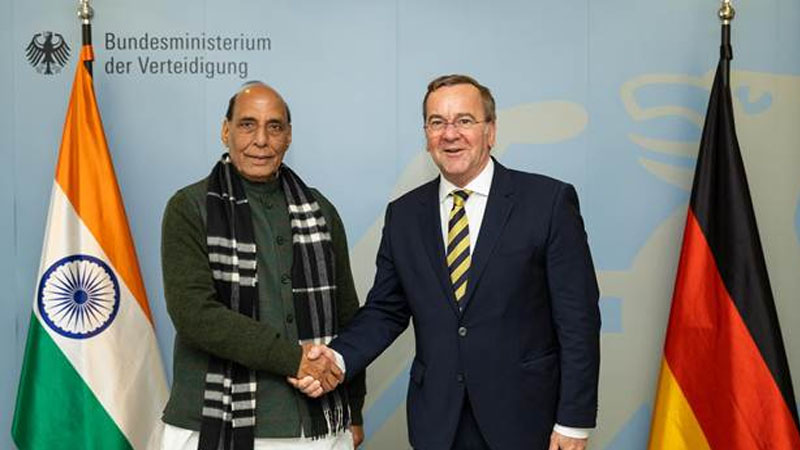
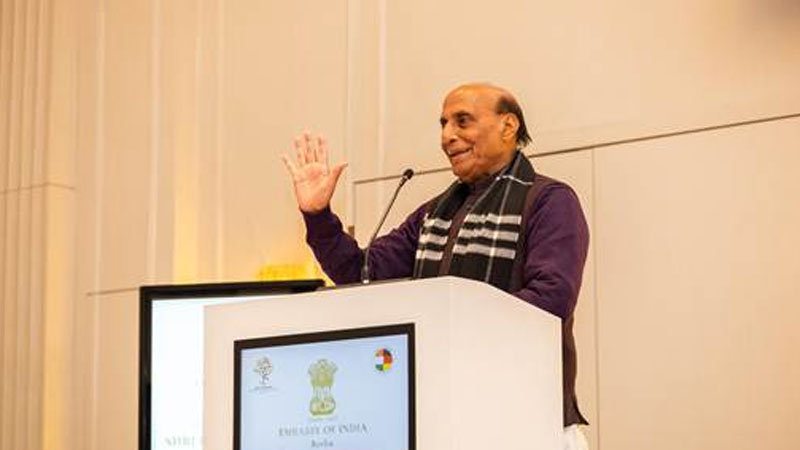
“Self-reliance is the only way to stay relevant and ready in the present era of uncertainty,” said Raksha Mantri Shri Rajnath Singh while inaugurating Sagar Sankalp – Reclaiming India’s Maritime Glory, a defence and maritime dialogue jointly organised by Garden Reach Shipbuilders & Engineers (GRSE) Limited and a private media organisation in Kolkata, West Bengal on March 06, 2026. He emphasised that the current global situation has led to the realignment of supply chains, formation of new equations, and constant rise in maritime activities, reaffirming the Government’s resolve of attaining self-reliance in every field.

“Old ideas, old global order, and old perceptions are changing rapidly. These are the uncertainties we need to understand. The current situation in the Middle East is one prime example. What is happening there is quite unusual. It is difficult to make concrete comments about the future course of events in the Middle East or in our neighborhood. The Strait of Hormuz or the entire Persian Gulf region is crucial for global energy security. When there is disturbance in the region, it directly impacts the supply of oil and gas. Moreover, we’re witnessing supply chain disruptions in other sectors as well. These uncertainties have a direct impact on the economy and global trade. The global scenario is an abnormal situation. What is more worrying is the fact that this abnormality is becoming the new normal,” said Raksha Mantri.

Describing “technological dynamism” as another crucial element in today’s world, Shri Rajnath Singh stated that technology is bringing about unprecedented changes in every sphere of life, and it is even more clearly visible in the defence sector. He highlighted that high-end and precision technologies are being used in the defence sector, and the Government aims to achieve Aatmanirbharta in defence tech to remain stay ready for emerging and future challenges.

Raksha Mantri enumerated the structural and policy reforms implemented by the Government to bolster defence production qualitatively and quantitatively, with special emphasis on transparency, financial discipline, performance benchmarking, and R&D. Terming DPSUs as a key pillar of the Government’s self-reliance vision, he stated that, in the shipbuilding sector, GRSE and other shipyards, have also been given special focus to make the domestic industrial ecosystem strong and futuristic. “The goal is to develop ships into technology hubs, not just production units. Efforts are being made to bring them up to the global standards through infrastructure modernisation, digital ship design tools, modular construction techniques, and supply chain integration,” he said.

Shri Rajnath Singh also highlighted the steps taken to provide a level playing field to the private industry in the defence sector, including improved import-export processes, availability of DRDO labs, facilitating green channel certification, establishing defence corridors and opening up reserved orders of DPSUs. These steps, he said, are not only meant to facilitate, but to enable the private sector to achieve maximum performance, underlining the Government’s objective to ensure the nation’s development through equal participation of public and private sectors.

Raksha Mantri pointed out that the Government’s efforts are yielding positive results as, in the Financial Year 2024-25, domestic defence production surpassed a record figure of Rs 1.50 lakh crore, with defence exports touching an all-time high of approx. Rs 24,000 crore. He stated that by April 2026, the defence exports are poised to reach approx. Rs 29,000 crore and the Government has set a target to export defence equipment worth Rs 50,000 crore by FY 2029-2030.

Shri Rajnath Singh acknowledged the fact that the private industry, today, contributes with approximately 25 percent of the defence platforms/equipment and accessories manufactured in the country, and exuded confidence that this participation will increase to 50 percent share of total defence production by value in the times to come.

Raksha Mantri noted that all the warships and submarines on order for the Indian Navy are being built in Indian shipyards – from design, engineering, construction to lifecycle support. He termed it as a major leap towards self-reliance. “Self-reliance is no longer just a slogan; it is being established as a practical reality. A Builder’s Navy is not a slogan; it is a ground reality,” he said.

Shri Rajnath Singh also praised the contribution of MSMEs, start-ups, and indigenous vendors in the construction of large platforms, asserting that a warship is a product of joint efforts, also known as the Conglomerate Effect. This conglomerate effect creates synergy, increases efficiency, mitigates risk, and creates an ecosystem of innovation, he said. He emphasised that the Government has introduced several financial assistance schemes to advance India’s shipbuilding landscape, including the creation of a dedicated mechanism for long-term funding, liberalised FDI norms, and encouraged PPP model. Under the Maritime India Vision 2030 and Maritime Amrit Kaal vision 2047, investments worth approx. Rs 3 lakh crore have been planned to develop world-class shipbuilding clusters, he added.

Concluding his address, Raksha Mantri said that India’s maritime domain will be safe, prosperous, and strong if the nation moves forward with coordinated planning, technology adoption, and institutional synergy. “The Indian Navy’s readiness, the success of operations like Operation Sindoor, and the steps towards self-reliance indicate that India’s defence sector is moving in the right direction. If we work together to advance this maritime vision, in the years to come, India will not only safeguard its interests but also make a significant contribution to global maritime stability. Our target is to steer India into the top 10 shipbuilding nations by 2030, and reaching the top five by 2047,” he said.

In his remarks, CMD, GRSE Commodore PR Hari (Retd) reflected on India’s civilisational maritime legacy and the evolution of indigenous shipbuilding capability. He noted that India’s transition “from a Buyer’s Navy to a Builder’s Navy” marked a decisive turning point in restoring industrial depth. He also cited the journey from the delivery of INS Ajay in 1961 to the next-generation platforms under construction as symbolic of technological transformation and rising indigenisation.

The conclave brought together senior naval leadership, policymakers and industry stakeholders to deliberate on strengthening India’s maritime security architecture and shipbuilding ecosystem. Panel discussions focused on aligning naval shipbuilding with emerging geopolitical dynamics, addressing grey-zone threats and distributed maritime operations; building sovereignty at sea through resilient domestic supply chains; expanding shipbuilding scale to meet global trade and energy transition demands; and positioning India as a competitive global destination for shipbuilding and ship repair through progressive port policy, regulatory reform and industrial collaboration.

Union Home and Cooperation Minister  inaugurates various developmental projects in Bhubaneswar, Odisha

| Published on:

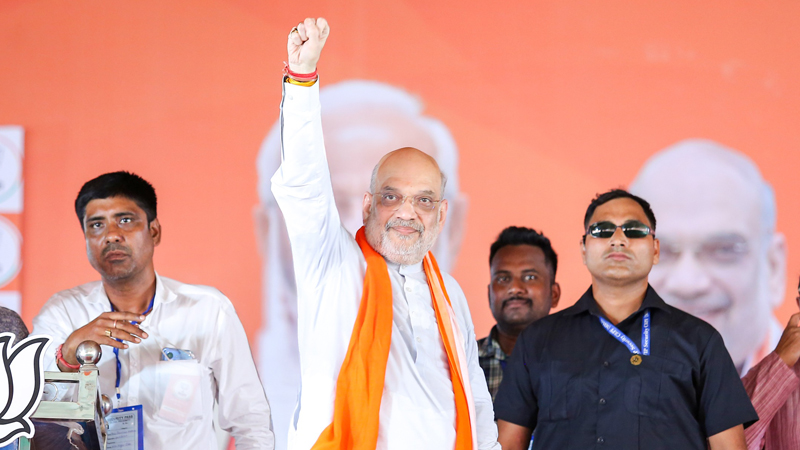
Union Home and Cooperation Minister Shri Amit Shah today inaugurated development initiatives of the National Dairy Development Board (NDDB) and OMFED in Bhubaneswar, Odisha, and also inaugurated and laid the foundation stones for various projects of the Government of Odisha. The Union Home and Cooperation Minister also inaugurated Sulphuric Acid Plant-III in Paradip, Odisha and addressed a Cooperative Development Seminar. Union Minister Shri Dharmendra Pradhan and Odisha Chief Minister Shri Mohan Charan Majhi, along with many other dignitaries, were present on the occasion.

On this occasion, while addressing the gathering, Union Home and Cooperation Minister Shri Amit Shah said that today is a very important day for the development of Odisha because development works worth ₹3,770 crore have been inaugurated and foundation stones laid in a single day. He said that a large sulphuric acid plant of IFFCO has been inaugurated today in Paradip, through which IFFCO will now become self-reliant in sulphuric acid production. He added that in the coming days, IFFCO and KRIBHCO will jointly make the entire country self-reliant in sulphuric acid.

Shri Amit Shah said that today three projects of the Ministry of Home Affairs, four projects of the Ministry of Cooperation, and 173 projects of the Odisha Government have been inaugurated or had their foundation stones laid. Out of the 173 projects of the Odisha Government, 61 projects costing ₹1,230 crore have been completed and 112 projects costing ₹2,116 crore are being inaugurated today. He said that two special initiatives of the Ministry of Home Affairs have also been undertaken today — the foundation stone for the National Forensic Sciences University (NFSU) campus in Odisha has been laid and a temporary campus has also been inaugurated. He said that these courses will provide numerous opportunities for students of forensic science in Odisha, with job-oriented programmes that ensure employment upon graduation, thereby strengthening the law-and-order system of the country.

The Union Home and Cooperation Minister said that an exhibition explaining the three new criminal laws in simple language understandable to common citizens, lawyers, members of the judiciary, and police officers has also been inaugurated today. He said that after nearly 150 years, under the leadership of Prime Minister Shri Narendra Modi, the country is now being governed through laws enacted by the Indian Parliament in accordance with the Constitution of India and aimed at protecting the legal rights of the people of India. He said that through these laws, by 2028 justice will be delivered up to the Supreme Court within three years in any FIR. He stated that these laws are among the most modern and scientific legal frameworks in the world. Shri Shah said that in all crimes punishable with more than seven years of imprisonment, visits by Forensic Science Laboratory (FSL) teams have been made mandatory. He added that the Modi Government is establishing Forensic Science Laboratories and campuses of the National Forensic Sciences University across the country.

Shri Amit Shah said that Odisha has achieved a conviction rate of more than 87 percent in FIRs registered under the new criminal laws. He said that criminals are now being punished through a scientific approach and scientific evidence. He added that the foundation stone for NFSU and CFSL has also been laid here today. The campus will be fully operational in three years, will offer 30 courses, and around 2,500 students will receive education here.

The Union Home and Cooperation Minister said that Odisha Government projects have also progressed today. Branches for cyber crime and economic offences have been launched in 20 districts. He also said that several programmes related to the cooperative sector have been initiated here. The work of restarting the Badamba Sugar Mill by Indian Potash Limited (IPL) has been completed. He further said that Indian Potash Limited, with the support of the Ministry of Cooperation, is ready to restart all closed sugar mills in India.

Shri Amit Shah said that Odisha has abundant water resources and enormous potential in the dairy sector. He said that the previous government did nothing for cooperatives or dairy development in the state. He said that the Ministry of Cooperation of the Government of India and the Government of Odisha will work together to build a strong cooperative base in every village, on the lines of Amul, by integrating dairies across the state. He added that the Odisha Government has fulfilled its promise of procuring rice at ₹3,100 per quintal in a very short time. Shri Shah also said that under the Subhadra Yojana, benefits have been extended to one crore women. He said that a special campaign will be launched for the formation of dairy cooperatives, which will help bring prosperity to rural citizens of Odisha, particularly mothers and sisters.

The Union Home and Cooperation Minister said that the main opposition party is attempting to take the country’s politics in a negative direction. He said that during the AI Summit held in New Delhi, workers of the main opposition party attempted to defame India by removing their clothes, an act that deserves strong condemnation. He said that development in Odisha had stalled for more than two decades. The previous government considered the public mandate as the helplessness of the people. He said that a public mandate is not the helplessness of the people but their blessing. In a democracy, those who come to power have the responsibility to fulfill the expectations of the people, stand with them in their joys and sorrows, and work for prosperity, peace, and development. He said that even after ruling for 20 years, the previous government had stalled Odisha’s development. He added that the people of Odisha gave 20 out of 21 Lok Sabha seats to Prime Minister Modi and once again formed the Modi Government at the Centre and a full-majority government in Odisha. He said that the Modi Government and the Odisha Government will together make up for two decades of lost development within five years.


Shri Amit Shah said that the Modi Government has created new dimensions of development in states like Assam, Tripura, and Uttarakhand and has ensured that development reaches every citizen. He said that Prime Minister Modi is working tirelessly for the prosperity of the entire nation. He said that from 2021 until now, eight Free Trade Agreements (FTAs) have been signed in six years. He stated that FTAs were signed with Mauritius in 2021; with the UAE and Australia in 2022; with four EFTA countries in 2024; with the UK, Oman, and New Zealand in 2025; and with the European Union in 2026, thereby accelerating India’s development. He said that India recorded an 8.2 percent growth rate in the previous quarter of the current financial year and is expected to grow at around 8 percent in the present quarter as well. He said that India has become the fastest-growing economy in the world and this momentum will continue.

The Union Home and Cooperation Minister said that Odisha has suffered the scourge of Naxalism for decades. Under the leadership of Prime Minister Modi, the Government of India launched a decisive fight to eliminate Naxalism. He expressed confidence that by 31 March 2026, the country will become free from Naxalism. He said that the government is committed to accelerating development in all Naxal-affected regions. He added that the government is dedicated to working at double speed for the development of every tribal who had been deprived of development due to Naxalism. Shri Shah said that under the leadership of Chief Minister Shri Mohan Charan Majhi and Prime Minister Narendra Modi, both the Odisha Government and the Government of India are committed to the development of Odisha.

Earlier, Union Home and Cooperation Minister Shri Amit Shah inaugurated Sulphuric Acid Plant-III at Paradip in Odisha and addressed a Cooperative Development Seminar. He said that the double-engine government formed by the people of Odisha will soon bring the state into the list of developed states. He said that the previous government had made no plans for tribal welfare, coastal development, or urban development in Odisha. Today, Odisha is moving forward by exploring the optimism of New India, the originality of Odisha, and the opportunities of Odisha.

Shri Amit Shah said that a new cooperative policy for Odisha will be announced today. He said that the government will soon start a programme to expand dairy cooperatives to every village of Odisha, similar to Gujarat. He also said that fisheries will be strengthened through cooperative power, which will significantly benefit seafood exports.

The Union Cooperation Minister said that the Government of India and the Odisha Government will work together through the cooperative sector to bring prosperity to poor farmers, rural communities, and especially mothers and sisters. He said that the third stream of the sulphuric acid plant at IFFCO’s Paradip unit has been inaugurated today. He said that in 2005, IFFCO purchased this plant for ₹2,577 crore, when its capacity was 7.5 lakh metric tonnes. Today, its capacity has increased to 22 lakh metric tonnes. About 15 percent of production is blended fertilizer and about 40 percent is indigenous DAP.

Shri Amit Shah said that sulphuric acid required in fertilizer factories and chemical industries across the country should be produced at IFFCO’s Paradip unit. He said that IFFCO has launched a movement to reduce excessive use of chemical fertilizers through Nano Urea, Nano DAP, and the PM-PRANAM scheme (PM Programme for Restoration, Awareness Generation, Nourishment and Amelioration of Mother Earth), which will help conserve the soil. He added that IFFCO has become the largest cooperative unit in the world in this sector.

The Union Home and Cooperation Minister said that whatever IFFCO earns ultimately benefits five crore farmers of the country, which is its greatest strength. He said that wherever IFFCO’s factories may be located, the owners are the five crore farmers of India. IFFCO’s turnover of more than ₹41,000 crore, profit of more than ₹3,800 crore, and net worth exceeding ₹28,000 crore belong to these five crore farmers — and this is the true miracle of the cooperative model.

Shri Amit Shah said that under the leadership of Prime Minister Shri Narendra Modi, the Government of India and the Government of Odisha will continue to work through the cooperative sector to make poor farmers, rural communities, and particularly women self-reliant.

Union Home Minister addresses 57th Raising Day ceremony of CISF as the Chief Guest in Mundali, Odisha

| Published on:

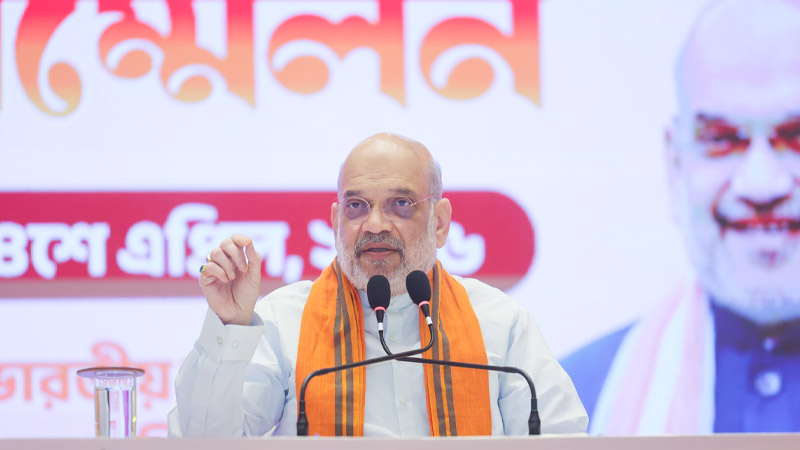
Union Home Minister and Minister of Cooperation, Shri Amit Shah addressed the 57th Raising Day ceremony of the Central Industrial Security Force (CISF) as the Chief Guest today in Mundali, Odisha. Union Home Minister lays the foundation stone for three residential complexes (Kamrup, Nashik and Sehore) of the CISF to be built at a cost of ₹890 crore, and inaugurated two residential complexes (Rajarhat and Delhi). On this occasion, Union Minister Shri Dharmendra Pradhan, Chief Minister of Odisha, Shri Mohan Charan Majhi, Union Home Secretary, the Director General of CISF, and several other distinguished dignitaries were present.

In his address, Union Home Minister and Minister of Cooperation, Shri Amit Shah said that after completing 56 years today, the CISF has risen from zero to the pinnacle in the field of industrial security, which is a saga of the force’s dedication and valor. He said that the vision of building a strong national economy and making India the world’s largest economy cannot be realized without industrial development, and providing a secure environment for industrial growth requires a national-level industrial security force. Shri Shah stated that over the past 56 years, CISF has not only fulfilled the objectives for which it was established but has also continuously evolved with time by learning from every type of challenge. He added that CISF has embraced modernity while keeping its traditions alive. Home Minister further said that by combining courage, sacrifice, and dedication with the rich traditions of India’s history, and equipping itself with modern weapons, CISF has demonstrated the resolve to face every kind of challenge.

Shri Amit Shah said that the vision of India’s industrial development cannot be imagined without the Central Industrial Security Force. He stated that CISF has always stood firmly as a shield of the nation. Shri Shah said that the Ministry of Home Affairs has recently decided to entrust the security of all ports to CISF. He added that Prime Minister Shri Narendra Modi has placed two important resolutions before the people of the country — to make India a fully developed nation by 2047 and to achieve the top position globally in every sector, and to make India the world’s third-largest economy by 2027. Shri Shah said that CISF is playing the role of a catalyst in achieving these goals.

Union Home Minister, Shri Amit Shah said that the sacrifices of personnel of the Central Industrial Security Force have always played a major role in strengthening the country economically. He stated that CISF has never stepped back from its duties. He said that the 9 President’s Distinguished Service Medals, 2 Best Battalion Trophies, and the medals awarded to players for their performances in international sports stand as testimony to the fact that CISF is always ready to deliver excellence in every field. Shri Shah added that over the past 56 years, CISF has demonstrated its efficiency as a force by receiving 13,693 medals for gallantry and distinguished service.

Shri Amit Shah said that today, the foundation stone laying and inauguration of 5 different projects worth 890 crores have taken place here. He said that the residential complexes in Rajarhat and Maidangarhi have been completed, which will provide facilities to our jawans and their families. He said that today, ‘Sentinel’ the annual journal of CISF has also been released here.

Union Home Minister and Minister of Cooperation said that today, CISF is providing security to 70 airports across India along with 361 important institutions in the country. He said that CISF has also been given the role of nodal agency in drone security. He said that in the last 1 year, CISF has been entrusted with the security of many projects such as Kartavya Bhavan, Seva Teerth, Noida International Airport, Navi Mumbai Airport, Lengpui Airport, Jawaharpur Thermal Power Project, Bhakra Dam Project, and others.

Shri Amit Shah said that now, after taking over port security, CISF will also secure the ports under country’s very large maritime border. He said that four years ago, we had asked CISF to develop a model in hybrid mode and provide security to private industrial groups as well, which has been prepared with the most modern equipment. Shri Shah said that in the coming days, CISF will also provide security to private industrial groups in hybrid mode.

Union Home Minister said that it is the resolve of the Modi government that by March 31, 2026, we will make the country free from Naxalism, and CISF has a very significant contribution in this. He said that CISF has played its role in anti-Naxal operations in Odisha, Chhattisgarh and Telangana. The Home Minister expressed confidence that by March 31, the country will be completely free from Naxalism, and those who dream of a Red Corridor from Tirupati to Pashupatinath will be fully defeated, with our security forces establishing their dominance. He said that under the leadership of Prime Minister Modi, this is a very major achievement of our security forces. Shri Shah said that today we are on the verge of making the country free from Naxalism. He said that Prime Minister Modi ji’s goal is to develop the entire country and build a developed India by 2047, and for this, ensuring the country’s internal and external security is essential. Home Minister said that to ensure the country’s internal and external security, the Ministry of Home Affairs is fully prepared to play its role both at the borders and within the borders.

The first-ever Khelo India Tribal Games will be held in three Chhattisgarh cities

| Published on:

 The inaugural edition of the Khelo India Tribal Games will be held between March 26 and April 6 in three cities in Chhattisgarh – Raipur, Jagdalpur and Sarguja. This was announced by Union Minister for Youth Affairs and Sports, Dr Mansukh Mandaviya on Thursday. 

The Games will feature seven medal sports – athletics, football, hockey, weightlifting, archery, swimming and wrestling. There will be two demonstration sports – mallakhamb and kabaddi. KITG will see representation from most states and Union Territories of India.

“The Khelo India Tribal Games are part of our expanding footprint that offers an opportunity and scope to every young person wanting to play a sport. It is part of PM Narendra Modi’s vision of a Viksit Bharat by 2024 and sports has a massive role to play in that journey,” said Dr Mandaviya.

The logo, theme song and mascot of the first-ever Khelo India Tribal Games (KITG) were formally unveiled at the Late B. R. Yadav Sports Stadium in Bilaspur on December 23. The launch ceremony was graced by Chief Minister of Chhattisgarh Shri Vishnu Deo Sai and Deputy Chief Minister Shri Arun Sao.

Dr Mandaviya stressed how the Games will strengthen the talent base emerging from tribal areas. “Tapping talent from tribal regions is key and continuously expanding our athlete-base is the requirement of the hour. We are ensuring that talented youngsters from tribal communities are identified early, supported systematically, and integrated into the national sports framework,” Dr Mandaviya added.

The KITG 2026 will be jointly managed by the Ministry of Youth Affairs & Sports, Sports Authority of India (SAI), Indian Olympic Association, National Sports Federations and the Chhattisgarh state organising committee, with technical standards benchmarked against international competitions.

The official mascot ‘Morveer’, is a name deeply rooted in Chhattisgarh’s cultural ethos. Derived from two powerful words — ‘Mor’, meaning mine or our own in Chhattisgarhi, and ‘Veer’, symbolising courage and valour — Morveer represents the spirit, pride and identity of India’s tribal communities.

Chhattisgarh becoming the first state to host this landmark national event, dedicated exclusively to tribal athletes, marks a significant milestone in India’s sporting journey aimed at tribal empowerment and grassroots inclusion.

The Khelo India Tribal Games are part of the Khelo India Scheme, a flagship Central Sector Scheme of the Ministry of Youth Affairs & Sports, Government of India, aimed at promoting mass participation and sporting excellence. Khelo India Games have been declared an ‘Event of National Importance’ in 2020 under the Sports Broadcasting Signals Act, 2007.

Prime Minister attends Raisina Dialogue 2026

| Published on:

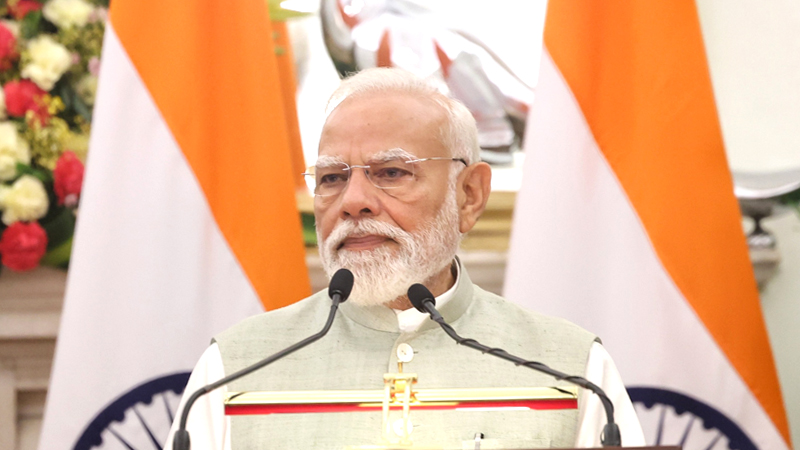
The Prime Minister, Shri Narendra Modi today attended Raisina Dialogue 2026 in New Delhi.

The Prime Minister, Shri Modi wrote on X;

“Attended the Inaugural Session of the #RaisinaDialogue2026. Heard the insightful address of President Alexander Stubb of Finland, in which he covered a wide range of subjects.

@alexstubb”

India – Finland Joint Statement on the State Visit of President of the Republic of Finland

| Published on:

At the invitation of the Hon’ble Prime Minister of India, Shri Narendra Modi, President of the Republic of Finland, H.E. Dr. Alexander Stubb, is on a State Visit to India from 4-7 March 2026. President Stubb, who is on his first visit to India in his present capacity, is visiting New Delhi and Mumbai and is accompanied by Ms. Sari Multala, Minister of Climate and the Environment of Finland, Mr. Matias Marttinen, Minister of Employment of Finland, and a high-level delegation comprising of officials and business leaders. Prime Minister Modi inaugurated the 11th edition of the Raisina Dialogue on 5 March 2026 in New Delhi with President Stubb as the Chief Guest delivering the Inaugural Keynote Address. President Stubb’s visit follows the visit of H.E. Mr. Petteri Orpo, Prime Minister of the Republic of Finland for the AI Impact Summit in February 2026.

On 5 March 2026, President Stubb was warmly welcomed by Hon’ble President of India Smt. Droupadi Murmu at Rashtrapati Bhavan. Prime Minister Modi and President Stubb held wide-ranging discussions during a bilateral meeting, and jointly addressed the media. Prime Minister Modi also hosted a luncheon in honour of the visiting dignitary.

The President of Finland congratulated India for successfully hosting the AI Impact Summit 2026. Both Leaders shared the view that working towards safe, trustworthy, and inclusive development of AI is of paramount importance.

The Leaders affirmed the deep and enduring friendship between India and Finland, built on a foundation of mutual respect and the values of democracy and rule of law, as well as commitment to global peace, security, and international law.

The Prime Minister of India and the President of Finland reiterated their commitment to the rules-based international order and multilateral cooperation, with the UN at its core.

The Leaders underlined the importance of redoubling efforts to reach the Sustainable Development Goals, and the importance of global cooperation against the challenges of climate change and loss of biodiversity.

Welcoming the landmark Free Trade Agreement between India and the European Union concluded in the India-EU Summit on 27 January 2026, the Leaders acknowledged the immense and mutually beneficial opportunities for both parties of increased trade and investments, including for the India-Finland bilateral relationship.

Building on the momentum provided by the India-Finland Virtual Summit on 16 March 2021 and the meetings of the Prime Ministers of both countries in the margins of two editions of India-Nordic Summit in 2018 and 2022 in Stockholm and Copenhagen respectively, as well as during the AI Impact Summit in February 2026, the Leaders emphasized their shared commitment to continue expanding and deepening the cooperation between the two nations. In this spirit, the leaders agreed to elevate the India-Finland relations to a Strategic Partnership in Digitalization and Sustainability, based on converging interests and mutual benefits.

Trade and Investment

The Prime Minister of India and the President of Finland called upon the business community to make use of the vast opportunities unleashed by the landmark India-EU FTA. In this context, The Leaders agreed that the aim should be to double the value of current trade between India and Finland by 2030.

The Leaders took note of the lively interactions between the respective business communities, reflected by the large business delegation visiting India together with the Finnish President, as well as the companies that joined the Finnish Prime Minister in February in connection with the AI Impact Summit in New Delhi. Both leaders expressed confidence that the India-Finland Business Summit and CEOs interaction scheduled to take place in Mumbai on 7 March would help pave the way for enhancing trade, technology collaboration and investments ties.

The Leaders welcomed the growing startup collaboration, manifested by the active participation of innovative Indian startups in Slush in Helsinki and Finnish startups in Startup Mahakumbh in New Delhi, as well as initiatives such as the Indo-Finland Startup Corridor.

Digitalization

Recognizing the transformative power of digitalization as a key driver of inclusive social and economic development, the Leaders identified digital transformation, including new and emerging technologies such as 5G, 6G, high-performance and quantum computing and Artificial Intelligence, as priority areas where collaboration based on mutual trust and benefit can be strengthened. The Leaders noted India’s experience in Digital Public Infrastructure, including digital payments such as the Unified Payments Interface (UPI), and discussed possibilities for cooperation in this area.

Against this backdrop, the Leaders asked the relevant ministries to establish a cross-sectoral Joint Working Group on Digitalization to define priorities and foster work on concrete and substantial actions driving the digital transition.

The Finnish President emphasized the positive impact of the considerable number of Indian professionals in the Finnish R&D and tech innovation ecosystems, contributing to social and economic development by means of digital transition and sustainability for the benefit of all.

The Leaders noted with satisfaction the Joint Calls by the Indian Department of Science and Technology and Business Finland to provide RDI funding for joint initiatives of Indian and Finnish companies and research organizations with focus on semiconductors, 6G, and energy systems. They also took note of the cooperation framework between Bharat 6G Alliance and the University of Oulu, Finland, welcoming all efforts to further strengthen bilateral collaboration on 6G.

Furthermore, the Leaders welcomed the work between the Indian Ministry of Electronics and Information Technology and Business Finland to further explore avenues of RDI collaboration with special focus on AI, noting also the discussions between the Indian Centre for Development of Advanced Computing and the Finnish IT Centre for Science with respect to High-Performance Computing.

In the field of advanced technology, the Leaders also highlighted Space tech as an emerging area of collaboration with considerable future potential and active private sector engagement between Indian and Finnish players.

Sustainability

On sustainability, both Leaders underlined the great potential in advancing clean energy solutions, notably in areas such as low carbon transition, energy efficiency, biofuels, smart grids, and green hydrogen. In addition, they highlighted the importance of cooperation in circular economy, sustainable water management and meteorology.

To this end, the Leaders welcomed the establishment of a Joint Working Group on Sustainability, bringing together relevant actors from both countries to enhance collaboration on sustainability-related issues.

Moreover, the Leaders underscored the importance of implementing the Memorandum of Understanding on Cooperation in the field of Renewable Energy, encompassing many key areas of collaboration that contribute to sustainability, including bioenergy and waste-to-energy solutions, power storage and flexible RE systems, green hydrogen, as well as wind, solar and small hydro power.

They acknowledged the renewal of the Memorandum of Understanding on Environmental Cooperation, and collaboration under the Leadership Group for Industry Transition (LeadIT) and encouraged the parties to advance the deeper collaboration in circular economy, climate action, and sustainability.

Both sides acknowledged that the rapid deployment of Smart Energy solutions, including Advanced Metering Infrastructure (AMI) and other digital grid technologies, has enhanced efficiency while increasing cybersecurity risks to critical power infrastructure. They agreed to explore future areas of cooperation in promoting resilient, reliable and sustainable smart grid systems.

The Finnish President extended his appreciation to India for hosting the next World Circular Economy Forum in the later part of 2026, a Finnish initiative providing a platform to enhance circular economy solutions and bring together leading expertise in the search for new collaborative initiatives.

The Prime Minister of India acknowledged Finland’s active role in bringing together Indian, Finnish and other Nordic stakeholders in the framework of the Indo-Nordic Water Forum, promoting new collaborations and best practices in water resources management and wastewater management for circular economy solutions.

With respect to meteorological collaboration, the Leaders underscored the ongoing cooperation in aerosol monitoring and air quality forecasting between the Finnish Meteorological Institute (FMI) and the Indian Meteorological Department (IMD). They welcomed the work to establish a Virtual Research Center between FMI and the Indian Institute of Technology Madras (IITM), also taking note of the already ongoing FMI-IITM research collaboration with multilateral projects exceeding a total value of Euros 11 million.

The Leaders also took note of the exchange of experiences between the Indian Ministry of Rural Development and the National Land Survey of Finland and the Finnish Environment Institute, cities, and companies about Land Stack, an integrated GIS based digital platform of land and property information.

The Leaders welcomed the signing of Memorandum of Understanding on fostering cooperation in the field of Official Statistics which provides a framework for exchange of best practices, methodologies, and technical expertise in the area of official statistics.

Mobility, education, and people-to-people contacts

The Prime Minister of India and the President of Finland recognized the importance of people-to-people contacts in all fields, including skilled workers, specialists and young professionals, researchers and students, businesspersons, and academics, thereby nurturing economic prosperity, contributing to a rich social fabric, and enhancing mutual understanding.

In this context, the Leaders hailed the signing of a Memorandum of Understanding on Migration and Mobility Partnership, laying the frameworks for smooth, orderly, and mutually beneficial mobility for the years to come. Both sides agreed to take the steps required for the implementation of the MoU in a comprehensive and coordinated manner, that serves both India’s and Finland’s prosperity and economic growth. The Leaders also acknowledged the contacts between the respective Foreign Ministries, looking into possibilities of establishing bilateral dialogue on consular matters.

The Leaders took note of the Joint Statement endorsed by the High-Level Dialogue on Cooperation in Education (31 January 2024) and encouraged the relevant parties to accelerate their joint efforts to advance the common agenda, focusing on the agreed areas of secondary education, higher education, skill development, and student mobility.

In this context, they noted the growing interest in India towards the Finnish education system, the increasing cooperation in teacher training, as well as early childhood education institutions and schools that are being set up according to the Finnish model, as concrete expressions of the stakeholders’ shared will and commitment to continue developing the collaboration on education.

Furthermore, the Leaders highlighted the discussions on a bilateral audiovisual co-production agreement that will provide a solid frame to enhance cooperation in the film and gaming industries.

India-EU-relations

Both Leaders welcomed the new Joint India-EU Comprehensive Strategic Agenda, endorsed in the India-EU Summit on 27 January 2026, based on shared values and principles, mutual trust, converging interests, and shared political will. They agreed that India and the EU can be stable, predictable, and trusted partners, building a multifaceted and deepening long-term relationship with many positive outcomes for both sides.

The Leaders underlined that the conclusion of Free Trade Agreement takes the India-EU relations to a new level. In addition to clear economic benefits by enhancing market access and removing trade barriers, both Leaders noted that the FTA could support economic security and resilience through diversifying critical value chains and opening new markets.

As a platform to address key trade, technology, and economic security issues, the Leaders reaffirmed their support to further enhance the work of the India-EU Trade and Technology Council as the cornerstone of the India-EU technology partnership.

The Prime Minister of India and the President of Finland underscored that the signing of India-EU Security and Defense Partnership added another meaningful dimension to the India-EU Strategic Partnership that will deepen co-operation in areas of shared interests, including maritime security, defense industry, cyber and hybrid threats, space, as well as counter-terrorism.

The leaders lauded the signing of the MoU on Comprehensive Framework of Cooperation on Mobility and the launch of pilot European Union Legal Gateway Office in India.

Multilateral cooperation

The Leaders recognized the need to reform the UN system. In this context, they emphasized the importance of a comprehensive reform of the UN Security Council to make it more efficient, representative, inclusive, and reflective of contemporary geopolitical realities. The President of Finland reiterated Finland’s support for the permanent membership of India in a reformed UNSC.

The leaders underscored the vital role of cooperation within the United Nations and other international bodies to safeguard multilateralism and uphold a rules-based international order, including supporting mutual candidacies and nominations.

Both sides agreed to continue their constructive cooperation in multilateral fora, including on peace and security, human rights, sustainable development as well as climate change and biodiversity.

The Leaders reiterated their shared commitment to promoting a free, open, peaceful and prosperous Indo‑Pacific, in accordance with international law, including the UNCLOS. In this context, India welcomed Finland to join the Indo-Pacific Oceans Initiative.

Both leaders reaffirmed their commitment to further strengthening cooperation and dialogue on Arctic matters, including through joint research initiatives, academic exchanges, and capacity-building programmes. They took note of the first India–Finland Arctic Dialogue titled “The Himalayan and Arctic Ecosystems: India–Finland Partnership for a Sustainable Future” held in January 2026 in Rovaniemi, Finland, which brought together parliamentarians, government officials, academics and experts to deliberate on strategies and pathways for deepening collaboration on Arctic matters. Both leaders also underscored the importance of advancing cooperation in the structures of the Arctic Council, and within the broader framework of the India-Nordic Summit.

Both leaders unequivocally and strongly condemned terrorism and violent extremism in all its forms and manifestations, including cross-border terrorism. They called for decisive and concerted international efforts to combat terrorism in a comprehensive and sustained manner and in accordance with international law. They agreed to enhance cooperation to counter violent radicalization and extremism, combat financing of terrorism, promote internationally agreed anti‑money laundering standards, prevent exploitation of new and emerging technologies for terrorist purposes, and tackle terrorist recruitment. The leaders reaffirmed strong commitment to continue taking active measures to disrupt the terror financing channels including at the UN and FATF. They condemned in the strongest terms the terrorist attack in Pahalgam, Jammu and Kashmir on 22 April 2025 and the terror incident near Red Fort, New Delhi on 10 November 2025.

Both Leaders agreed to continue to support efforts towards the achievement of a comprehensive, just, and lasting peace in Ukraine through dialogue and diplomacy, based on the principles of the UN Charter and international law, including independence, sovereignty, and territorial integrity.

Conclusion

To take forward the cooperation under the India-Finland Strategic Partnership in Digitalization and Sustainability, the Leaders asked the respective Working Groups on Digitalization and Sustainability to develop a future-oriented and concrete Action Plan, including definition of priority areas and related actions, and report back to the Ministry for Foreign Affairs of the Republic of Finland and the Ministry of External Affairs of the Republic of India on the progress achieved.

The President of Finland thanked the Prime Minister of India for the excellent arrangements during his state visit, and both Leaders expressed their appreciation of the open and constructive dialogue, and the forward-reaching and evolving cooperation. They agreed to continue their interaction with a solid foundation in a shared spirit of mutual respect and collaboration. President Stubb invited Prime Minister Modi to pay a visit to Finland, and Prime Minister Modi accepted the invitation.

Prime Minister’s Press Statement during the Joint Press Statement with President of Finland

| Published on:

Your Excellency, President Stubb,
Distinguished delegates of both countries,
Friends from the media,

Greetings!

Terve!

I extend a warm welcome to President Stubb on his first visit to India as the President of Finland. President Stubb is not only a distinguished global leader, but also a respected thinker and author.

Excellency, it is a matter of great honour and pleasure for us that an experienced and dynamic leader like you is the Chief Guest at this year’s Raisina Dialogue.

Friends,

Today, the world is passing through a phase of instability and uncertainty. From Ukraine to West Asia, several parts of the world continue to face situations of conflict. In such a global environment, India and Europe, two major diplomatic powers of the world, are entering a golden phase in their relationship. Our growing cooperation is imparting new strength to global stability, development, and shared prosperity.

Friends,

At the beginning of 2026, the historic India-European Union Free Trade Agreement was concluded. This agreement will further strengthen trade, investment, and technology cooperation between India and Finland. In areas such as digital technology, infrastructure, and sustainability, India and Finland are important partners.

Nokia mobile phones and telecom networks have connected millions of people across India. With the cooperation of Finnish architects, we have built the world’s highest railway bridge over the Chenab River. With Finland’s partnership, we have also established the world’s largest bamboo-to-bioethanol refinery in Numaligarh.

Friends,

Inspired by such important examples, during President Stubb’s visit we are elevating India-Finland relations to a Strategic Partnership in Digitalisation and Sustainability. This partnership will provide momentum and new energy to our cooperation across several high-technology sectors, from Artificial Intelligence to 6G telecommunications, and from clean energy to quantum computing.

At the same time, our partnership will deepen further in key sectors such as defence, space, semiconductors, and critical minerals. This Strategic Partnership between democratic and responsible nations like India and Finland will contribute to ensuring trustworthy technologies and resilient supply chains for the entire world.

Friends,

Finland is increasingly becoming a preferred destination for Indian students and talent. To connect the innovation ecosystems of our two countries, today we have concluded a comprehensive Migration and Mobility Agreement with Finland.

Along with this, we will further strengthen joint research and start-up collaboration. Finland is a role model in the field of education. Today, we have also agreed to enhance cooperation in teacher training, school-to-school partnerships, and research on the future of education.

In other words, from schools to industry, we are set to deepen our cooperation across every level of human development.

Friends,

Finland is an important partner for India in the Nordic region. Together with Finland, we are also enhancing our cooperation in Arctic and Polar research.

A healthy planet is our shared priority. We are pleased that this year, together with Finland, we will host the World Circular Economy Forum in India. This will impart new momentum and fresh ideas to our efforts towards sustainability.

Friends,

India and Finland both believe in the rule of law, dialogue, and diplomacy. We are in agreement that no issue can be resolved solely through military conflict. Whether in Ukraine or in West Asia, we will continue to support every effort aimed at the early end of conflict and the restoration of peace.

We also share the view that reform of global institutions is not only necessary, but urgent in order to address the growing global challenges. Furthermore, eliminating terrorism in all its forms remains our shared commitment.

Your Excellency,

You have completed the Ironman Triathlon. We are confident that together with an energetic leader like you, we will also achieve a new triathlon of innovation, digitalisation, and sustainability between India and Finland.

Let us begin a new golden chapter in this futuristic partnership between India and Finland.

Thank you very much.

DISCLAIMER: This is the approximate translation of Prime Minister’s address. Original address was delivered in Hindi.

Raksha Mantri exhorts GRSE to build niche platforms in today’s evolving tech-driven era to realise Viksit Bharat goal

| Published on:

Raksha Mantri Shri Rajnath Singh has called upon Garden Reach Shipbuilders & Engineers (GRSE) Limited to continue coming forth with state-of-the-art platforms in sync with the technology-driven era to establish itself as a shining example of shipbuilding excellence in India & across the world, while playing a pivotal role in achieving Prime Minister Shri Narendra Modi-led Government’s goal of Viksit Bharat@2047. He was addressing the GRSE personnel in Kolkata, West Bengal on March 05, 2026.

Commending GRSE for its contribution to Nation-Building and Blue Economy, Raksha Mantri described the Indian shipyard as a vibrant chapter in India’s glorious industrial and defence history as it has equipped the Indian Navy and the Indian Coast Guard, for the past nearly a century and a half, with potent warships & frigates to secure the maritime interests of the nation. “When a modern warship built by you sails through the waves of the ocean, it is not just a structure of steel and machinery, it embodies the hard work of thousands of workers, the innovation of engineers, the precision of technicians, and the dedication of the shipyard towards the nation,” he said, terming every person working in GRSE as not just an employee, but an important part of a larger process of nation-building.

Shri Rajnath Singh emphasised that through hard work, skill, and commitment, GRSE has achieved what many once considered impossible. He urged the personnel to continue working with the same spirit and play their part in transforming India into a maritime power & a developed nation in the times to come. “New challenges will arise, new technologies will emerge, and competition will increase. But with the same hard work, dedication, and commitment, GRSE will become a glowing symbol of shipbuilding excellence for India and the world,” he said.

As part of the event, a colourful culture performance by the personnel of GRSE and their families was also presented to Raksha Mantri, who termed it as “excellent” and a reflection of India’s diversity, unity of India, and rich cultural heritage. CMD, GRSE Commodore PR Hari (Retd) and other senior officials of the Ministry of Defence as well as the shipyard were present on the occasion.

Description: A group of people posing for a photoDescription automatically generated

Union Health Minister virtually addresses press briefing at WHO Headquarters

| Published on:

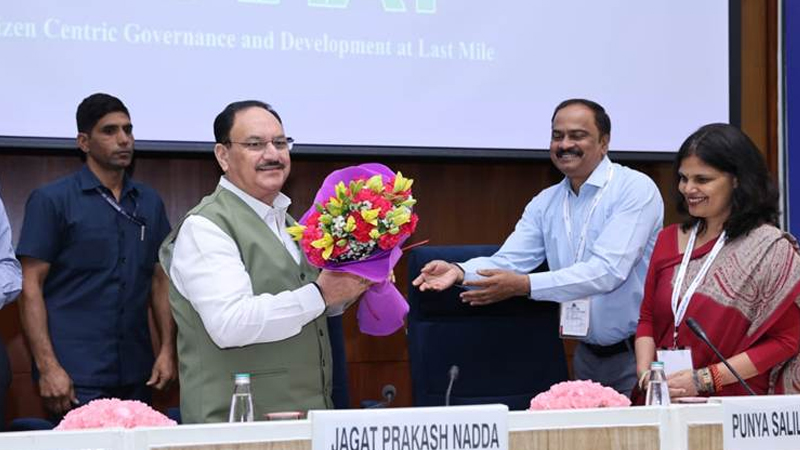
Union Minister for Health and Family Welfare Shri Jagat Prakash Nadda virtually addressed Press Briefing at the World Health Organization Headquarters today underscoring India’s strong commitment to eliminate cervical cancer as a public health problem and strengthen global cooperation on pressing health challenges.

Addressing the gathering, the Union Health Minister emphasized that the health and dignity of women remain a core national priority for India and reiterated the country’s unwavering commitment to protecting women from preventable diseases such as cervical cancer.

Highlighting India’s comprehensive strategy to tackle the disease, he noted that cervical cancer continues to be a significant public health challenge globally and in India. The Government of India has therefore adopted a multi-pronged approach focused on prevention, screening, early detection, and timely treatment.

A cornerstone of India’s strategy has been the expansion of population-based screening programmes under the National Programme for Prevention and Control of Non-Communicable Diseases (NP-NCD), implemented as part of comprehensive primary healthcare services. Screening for cervical cancer using Visual Inspection with Acetic Acid (VIA) is now available at Ayushman Arogya Mandirs and various health facilities across the country for women between 30 and 65 years of age. Shri Nadda informed that over 86 million women have already been screened for cervical cancer under the programme, reflecting India’s sustained commitment to early detection and prevention.

The Union Health Minister also announced a major milestone in India’s fight against cervical cancer, the nationwide launch of the Human Papillomavirus (HPV) vaccination campaign. He informed that on 28th February, the Honourable Prime Minister, Narendra Modi, inaugurated the national HPV vaccination campaign, targeting 12 million girls aged 14 years as a significant step toward safeguarding adolescent girls’ health and well-being.

Shri Nadda highlighted that the initiative reflects the Government’s commitment to the vision of “Swasth Nari Sashakt Parivar” (Healthy Women, Empowered Families), ensuring prevention, protection, and equity at the core of women’s healthcare.

The campaign is being implemented over 90 days and follows a single-dose schedule using the Gardasil Quadrivalent vaccine, in accordance with recommendations of the World Health Organization and India’s National Technical Advisory Group on Immunization (NTAGI). The vaccine is being provided free of cost at designated government health facilities.

Emphasizing the community-centric nature of the initiative, Shri Nadda stated that the HPV vaccination programme is voluntary, with parental consent serving as a cornerstone of the campaign, reflecting respect for community values and family autonomy.

The Union Minister also highlighted the role of digital technologies in ensuring transparency and efficiency in the campaign. Every vaccination event is recorded through the U-WIN digital immunization platform, enabling real-time monitoring and accountability, while vaccine stocks and cold-chain logistics are tracked through the Electronic Vaccine Intelligence Network (eVIN) system.

Shri Nadda acknowledged the critical role played by India’s frontline health workers, who have been instrumental in reaching communities, building trust, and ensuring the successful implementation of the campaign.

Reaffirming India’s global commitment, the Union Health Minister stated that India fully endorses and actively supports the WHO Global Strategy to accelerate the elimination of cervical cancer, including the 90-70-90 targets for 2030. He emphasized that a comprehensive approach integrating vaccination of adolescent girls, population-based screening of adult women, and timely access to quality treatment is essential to achieving elimination goals.

Concluding his address, Shri Nadda called for stronger global collaboration to eliminate cervical cancer as a public health problem.

Addressing the press briefing, Director-General of the World Health Organization, Dr.Tedros Adhanom Ghebreyesus highlighted several pressing global health challenges, including obesity, HIV/AIDS, and cervical cancer, while emphasizing the importance of sustained global cooperation and scientific innovation in addressing these public health issues.

Speaking about the global fight against HIV/AIDS, Dr. Tedros noted that significant progress has been made in reducing the global burden of the disease. He also noted that the WHO has supported nine countries in the introduction and administration of HIV prevention interventions, strengthening global efforts to curb the epidemic.

Turning to cervical cancer, Dr. Tedros highlighted that International HPV Awareness Day, observed recently, serves as an important reminder of the global commitment to eliminate cervical cancer as a public health problem. He reiterated the importance of the WHO’s 90–70–90 global targets for 2030, which aim to ensure that 90 percent of girls are vaccinated against HPV, 70 percent of women are screened for cervical cancer, and 90 percent of women identified with cervical disease receive appropriate treatment.

Dr. Tedros congratulated Indian leadership for its commitment in addressing cervical cancer through large-scale public health initiatives. He lauded the nationwide HPV vaccination campaign launched by Prime Minister Narendra Modi, describing it as the world’s largest free HPV vaccination drive. Commending the initiative, he noted that approximately 12 million adolescent girls will be vaccinated every year under the programme, marking a significant step toward protecting future generations from cervical cancer.

Highlighting the burden of the disease, Dr. Tedros stated that more than 80,000 women lose their lives to cervical cancer in India every year, with around 42,000 new cases reported annually, underscoring the importance of preventive interventions such as HPV vaccination and early screening.

Dr. Tedros Adhanom Ghebreyesus also reaffirmed the continued support of the World Health Organization to countries undertaking bold and transformative initiatives to eliminate cervical cancer and advance women’s health globally.

Dr. Aaron Motsoaledi, South African Health Minister was also present virtually in the Press Conference and congratulated India for the launch of nationwide HPV Vaccination drive.

PM addresses Post Budget Webinar on “Sustaining and Strengthening Economic Growth”

| Published on:

Prime Minister Shri Narendra Modi addressed the second installment of the Budget Webinar series today, focusing on the theme of “Sustaining and Strengthening Economic Growth.” Reflecting on the momentum of the previous week, the Prime Minister noted that the first webinar was highly successful and yielded excellent suggestions regarding the implementation of budget provisions.

The Prime Minister emphasized that the current webinar is intrinsically linked to providing continuous strength to the country’s economic growth.The PM observed that as global supply chains are getting re-shaped, India’s robust economy has become a beacon of hope for the world. ” The rapid progress of the economy is a massive foundation for a ‘Viksit Bharat'”, Shri Modi remarked.

Reaffirming the government’s clear vision and clear resolution, the Prime Minister reiterated the core mantras of “Build more, produce more, connect more, and export more.” “Certainly, the deliberations that will take place among you today, and the suggestions that emerge from these deliberations, will play a major role,” the PM remarked.

Addressing the synergy between various sectors, the Prime Minister explained that manufacturing, logistics, MSMEs, and urban centers are not isolated silos but interconnected pillars of a single economic structure. He detailed how manufacturing drives exports while competitive MSMEs foster flexibility and  innovation.   “This year’s budget has provided great strength to all these pillars,” Shri Modi  affirmed.

The Prime Minister cautioned that policy direction alone does not yield results without active participation from industry, financial institutions, and state governments. He urged stakeholders to prioritize discussions on increasing manufacturing, production and making cost structures more competitive. “Your suggestions in these directions will be pivotal in making the development reach every corner of the country” Shri Modi remarked.

The PM highlighted the government’s efforts to strengthen core capabilities and remove existing bottlenecks in the manufacturing sector. “Focus on sectors  like the Dedicated Rare Earth Corridors and container manufacturing is aimed at bolstering the trade ecosystem” , Shri Modi asserted.

The Prime Minister also spotlighted the ‘Biopharma Shakti Mission’ announced in the budget, which aims to position India as a global hub for biologics and next-generation therapies. “We want to move towards leadership in advanced biopharma research and manufacturing,” Shri Modi expressed..

In the context of shifting global dynamics, the PM remarked that the world is actively seeking reliable and resilient manufacturing partners.He urged stakeholders to invest with confidence, adopt cutting-edge technology, make significant investments in research, and maintain global quality standards. “India has the opportunity to play this role strongly,” the Prime Minister emphasized.

Touching upon Free Trade Agreements (FTAs), the Prime Minister stated that these agreements have opened massive doors of opportunity, placing a renewed responsibility on Indian industry to emphasize quality. He stressed the need to research the preferences and comfort of international consumers to create user-friendly products. “ Only then will we be able to take advantage of the opportunities that are being created by Free Trade Agreements”, Shri Modi highlighted.

Regarding the MSME sector, the Prime Minister noted that recent classification reforms have removed the fear of expansion among small enterprises. While the government continues to facilitate credit access and technology upgrades, he stressed that the real impact depends on MSMEs entering the global competition. “Now is the time for MSMEs to further increase their productivity, raise their quality standards, and connect with digital processes and strong value chains,” Shri Modi emphasised..

The Prime Minister identified infrastructure and logistics as the core pillars of the national growth strategy, backed by a record capital expenditure in this year’s budget. He highlighted the expansion of high-speed rail, multi-modal connectivity, and ship repair facilities as essential steps for efficiency. ” The actual benefit of this infrastructure will only be realized when industry and investors align their strategies accordingly,” he reminded the audience.

On urbanization, the PM stated that India’s future growth is tied to the effective planning and management of its cities. He called for suggestions on how Tier-II and Tier-III cities can serve as new growth anchors. Shri Modi stressed that suggestions in this regard will be important.

The Prime Minister addressed the global shift toward sustainability, noting that markets now look beyond cost to environmental impact. He cited the ‘Carbon Capture, Utilisation and Storage Mission’ as a significant step and urged businesses to integrate clean technology into their core business strategies. “The industries that invest in clean technology in a timely manner will have better access to new markets in the coming years,” the PM observed.

The Prime Minister called for “collective ownership” to achieve the goal of a ‘Viksit Bharat.’ He urged the participants to look beyond discussion and create momentum in partnership with the government’s framework. “Every suggestion and every experience of yours has the potential to bring excellent results on the ground,” the Prime Minister concluded.

India-Canada Joint Leaders’ Statement

| Published on:

At the invitation of His Excellency Narendra Modi, Prime Minister of India, the Right Honourable Mark Carney, Prime Minister of Canada, paid an official visit to India from February 27 – March 2, 2026. This was Prime Minister Carney’s first visit to India after taking over as the Prime Minister of Canada and is the first bilateral visit to India by a Canadian Prime Minister since 2018. Prime Minister Carney was accompanied by a Canadian high-level delegation that included senior ministers, provincial leaders and leading CEOs.

Commemorating 79 years of establishment of diplomatic relations, the Leaders reaffirmed the importance of the Canada–India relationship, grounded in shared democratic values, deep people-to-people ties, respect for sovereignty and territorial integrity, and a joint commitment to the rule of law.

The Leaders acknowledged that, in an increasingly complex and uncertain global context, a strong, resilient, and forward-looking partnership between two vibrant democracies contributes meaningfully to mutual prosperity and to advancing shared global priorities. They underscored that closer cooperation between India and Canada will help reinforce international rules and norms that are applied fairly, strengthen economic resilience, promote sustainable development, and address global challenges including climate change, rapid technological transformation, and public health. The Leaders affirmed their shared resolve to work together bilaterally and in multilateral fora to uphold democratic values, support inclusive growth, and contribute to peace, stability, and prosperity in the Indo-Pacific and beyond.

Building on this shared vision, the Leaders agreed to adopt the principle of “Vasudhaiva Kutumbakam” or “One Earth, One Family, One Future” as the overarching guiding framework for the renewed India–Canada Strategic Partnership, reflecting their commitment to sustainability, inclusivity, and collective global responsibility. They underscored the alignment between India’s vision of Viksit Bharat and Canada’s Build Canada Strong agenda, and affirmed that enhanced bilateral cooperation across growth, innovation, energy transition, food and nutrition security, trusted digital ecosystems, resilient supply chains, skills and talent mobility, and people-centric development will serve as a catalyst for resilient societies, shared prosperity, and a more sustainable future for both countries and the wider world.

Progress and Implementation of the New Roadmap

Both Leaders welcomed the significant progress achieved since their meetings on the margins of the G7 Summit in Kananaskis and the G20 Summit in Johannesburg in the implementation of New Roadmap for Canada–India Relations, thereby providing a clear direction for strengthening the Canada–India partnership. They noted with satisfaction the increased frequency of two-way Ministerial-level engagements, which have injected renewed momentum into bilateral cooperation across priority sectors; welcomed the activation of various institutional dialogue mechanisms and enhanced sub-national engagement, underscoring their importance in deepening mutual understanding and policy coordination; acknowledged the return of diplomatic representatives to their respective missions; and appreciated the constructive steps taken toward the gradual normalization of bilateral ties, reflecting a shared commitment to strengthening bilateral relations in a spirit of mutual respect, accommodation, and cooperation.

The Leaders highlighted the strong commercial foundation underpinning bilateral ties, reflected in the launch of negotiations of a Comprehensive Economic Partnership Agreement (CEPA) and in significant business announcements and investment commitments in recent months. These developments demonstrate the expanding scale, diversification, and sophistication of the bilateral economic relationship and signal growing confidence among businesses and investors in both markets. The Leaders noted that sustained engagement between industry and government, supported by an enabling policy environment, will be essential to unlock new opportunities in priority sectors and to translate commercial momentum into long-term, mutually beneficial economic growth.

Building on this momentum, the Leaders agreed to deepen collaboration across the following priority sectors:

ONE EARTH

Strategic Energy Partnership

Recognizing their complementary strengths as energy powers, the Leaders agreed to advance the India-Canada Strategic Energy Partnership aimed at deepening long-term cooperation across the energy value chain. They reaffirmed the immense importance of energy security and diversification of supply for the safety, wellbeing, and economic vitality of both countries, and underscored their shared commitment to enhancing collaboration across clean energy, conventional energy, civil nuclear energy, and critical minerals to promote affordability, sustainability, and economic growth.

The Leaders welcomed the re-launch of the Canada–India Ministerial Energy Dialogue at India Energy Week 2026 as a key institutional platform to sustain high-level policy dialogue and strengthen strategic cooperation on energy security, diversification of supply, and long-term market integration. They also welcomed the finalization of a Joint Action plan under the Dialogue.

The Leaders also highlighted the potential to broaden cooperation across clean energy and climate-related value chains, including renewable energy, hydrogen and its derivatives, biofuels, sustainable aviation fuel, battery storage, and electricity systems modernization, recognizing the central role of these sectors in advancing shared climate objectives and energy transition goals.

The Leaders underscored solutions for carbon capture, utilisation and storage (CCUS) as a key area of cooperation offering a significant opportunity for the sustainable production of energy and critical minerals.

The Leaders reaffirmed their intention to promote sustained government-to-government and business-to-business engagement, including continued expert collaboration and cooperation through bilateral and multilateral mechanisms, to ensure that the Strategic Energy Partnership delivers tangible, long-term benefits for both countries.

Energy Trade

The leaders noted that strengthened institutional engagement would support expanded bilateral energy trade, including in liquefied natural gas (LNG), liquefied petroleum gas (LPG), crude oil, refined petroleum products, potash, and uranium supply offtakes. In this regard, they welcomed the conclusion of a CAD $2.6 billion commercial agreement between Cameco and the Department of Atomic Energy for the long-term supply of uranium, contributing to India’s civil nuclear energy generation, clean energy transition objectives, and long-term energy security.

The Leaders noted that Canada is poised to become a major global supplier of LNG and welcomed India’s intention to source LNG from Canada. They further welcomed the emergence, over the past five years, of Canada as an important supplier of heavy oil. With India, positioned to be the largest contributor to incremental global energy demand growth over the next two decades, beyond its current position as the world’s third-largest oil consumer and fourth-largest LNG importer, both sides acknowledged the significant potential to further expand bilateral energy trade. This includes increased oil and LNG imports by India from Canada, as well as the supply of refined petroleum products from India to Canada. In this context, Canada reaffirmed its plans to expand heavy oil export infrastructure and supplies of LNG to the Indo-Pacific market through Canada’s stated goal of producing 50 million tonnes of LNG per year by 2030 and up to 100 million tonnes by 2040.

The Leaders welcomed discussions between Indian public sector oil and gas companies and Canadian energy firms to expand bilateral cooperation in liquefied petroleum gas (LPG). They noted ongoing engagement aimed at concluding India’s first long-term LPG supply arrangement with Canada and expressed confidence that such partnerships will further diversify energy trade, strengthen supply security, and create new opportunities for collaboration across the hydrocarbon value chain.

Both sides also reaffirmed support for greater private investment flows and long-term offtake arrangements including through tools, such as loans, financing, and equity investments to support commercially viable energy partnerships. Through the India-Canada Energy Dialogue, both sides will set out a joint work plan to explore long-term contracts and address the challenges to growing this trade including shipping costs and increasing availability of Canadian heavy oil supply.

Critical Minerals Cooperation

The Leaders underscored their commitment to deepening long-term, reciprocal investment partnerships across the energy and natural resource sectors, recognizing the scale of ongoing projects and emerging opportunities in both markets. They further welcomed the signing of a Memorandum of Understanding on Critical Minerals Cooperation, reflecting their shared commitment to building resilient, secure, and diversified critical minerals supply chains. In this context, they welcomed India’s endorsement of the G7 Critical Minerals Action Plan, which supports diversified and responsible production and supply of critical minerals and encourages investment and innovation in value chains essential for clean energy, advanced manufacturing, and technology. The Leaders also discussed Indian presence at the Prospectors and Developer’s Association of Canada (PDAC) meeting in March 2026, and commitment for a Ministerial-led Indian energy and industry delegation to Canada in summer 2026 to support robust commercial outcomes for Canadian and Indian companies.

Leaders agreed to strengthen collaboration in investment to support clean energy technologies and future-oriented industries. They agreed to deepen cooperation on critical minerals and energy transition pathways, including exploring collaboration on helping to secure India’s mineral stockpiling initiative, and supporting robust commercial outcomes for Canadian and Indian companies, while also sharing expertise on emissions reductions, and transition technologies.

Clean Energy Cooperation

The Leaders also welcomed the signing of a Memorandum of Understanding on Clean Energy Cooperation, establishing a comprehensive institutional framework to advance bilateral collaboration across solar, wind, bioenergy, small hydro, energy storage, and capacity-building. They agreed to build a mutually beneficial clean energy partnership that strengthens energy security, accelerates the energy transition through information exchange and joint investment opportunities, and promotes two-way public–private engagement across the renewable energy value chain, including through a dedicated Joint Working Group. This cooperation will support sustainable economic growth, regional resilience in the Indo-Pacific, and the shared objective of building an inclusive clean energy future.

Canada expects to double electricity supply by 2050 and significantly expand deployment of renewable energy and energy storage. Concurrently, India has demonstrated leadership and capacity in large-scale solar and grid-level energy storage technologies along with scalable models in rooftop solar and other forms of distributed renewable energy solutions. In this regard, Leaders committed to convening a India-Canada Renewable Energy and Storage Summit in 2026 to bring together industry, investors, and government decision-makers to expand and diversify trade of these technologies into Canada, including through future procurements and supply chain partnerships.

Climate and Environment

They welcomed the deepening of cooperation under the existing Memorandum of Understanding on Climate Change and Environment, underscoring the strength of the partnership. The Leaders reaffirmed their shared commitment to science-based, inclusive, and equitable climate action. They highlighted ongoing bilateral efforts to advance sustainable development by addressing climate change, biodiversity loss, pollution, and ecosystem degradation, and agreed to strengthen collaboration on climate mitigation and adaptation, biodiversity conservation, and reducing plastic pollution, with particular attention to building resilience and supporting vulnerable communities.

Global Clean Energy Platforms

India welcomed Canada’s decision that it intends to pursue membership in the International Solar Alliance, underscoring Canada’s strong commitment to advancing clean energy and climate action. The leaders noted that Canada’s participation will strengthen international cooperation on solar deployment, innovation, and capacity-building, particularly in developing and climate-vulnerable regions. They agreed that enhanced collaboration through the International Solar Alliance will complement bilateral clean energy initiatives and contribute meaningfully to accelerating the global energy transition and achieving shared sustainability goals.

India welcomed Canada’s signing of the foundational documents to upgrade its participation in the Global Biofuels Alliance as a Full Member. This step will further advance the adoption of sustainable biofuels globally and strengthen cooperation across the biofuels supply chains, standards, and deployment, including collaboration on sustainability standards and lifecycle emissions.

Sustainable Agriculture and Nutritional Security

Recognizing the growing complementarity between India and Canada in agriculture and agri-food systems, the Leaders underscored the importance of strengthening cooperation to enhance food security, farm productivity, and resilient supply chains. The Leaders highlighted expanding opportunities for collaboration in agri-technology, research, and value-added food production, and agreed that deeper agricultural partnership will advance sustainable farming practices, nutrition security, and mutually beneficial trade and investment.

The Leaders welcomed the proposal to collaborate on establishing a Canada–India Pulse Protein Centre of Excellence at NIFTEM Kundli. They noted the complementary strengths of the Province of Saskatchewan as a global leader in pulse production and innovation, and India as the world’s largest producer and consumer of pulses. The Leaders agreed that this initiative would strengthen agri-food research collaboration, advance pulse protein processing and fortified food development, and contribute to improving access to affordable, high-quality nutrition, while reinforcing sub-national partnerships and industry–academia linkages between the two countries.

ONE FAMILY

Investing in Talent

The leaders underscored the central role of education and talent mobility in advancing people-to-people ties between India and Canada. They noted that the movement of students, researchers, and professionals has been mutually beneficial, strengthening innovation ecosystems and economic growth in both countries.

Recognizing the importance of international academic collaboration in fostering innovation; improving learning outcomes; and building a future-ready workforce, the Leaders agreed to deepen cooperation between higher education institutions by enhancing industry aligned skills training; expanding joint; dual-degree and twinning programs; facilitating the establishment of offshore campuses of leading Canadian institutions in India; strengthening research partnerships in emerging technologies; and revitalizing the Joint Working Group on Higher Education to further support cooperation in this area.

The Leaders welcomed the Memorandum of Understanding between India’s All India Council for Technical Education (AICTE) and Canada’s MITACS to expand the Globalink Research Internship program, enabling approximately 300 Indian undergraduate students annually to undertake research placements at Canadian universities. They noted that this flagship initiative will strengthen institutional linkages, deepen academic collaboration across disciplines, and build future-ready skills through hands-on research and professional training.

Leaders welcomed a new Joint Talent and Innovation Strategy, a developing initiative aimed at embedding Canadian research and innovation capacity in shared priority sectors and strengthening two-way talent flows through structured mobility, joint training pathways, and research collaboration.

The Leaders underscored the importance of fostering deeper institutional partnerships, researcher mobility, and knowledge exchange to advance innovation, build capacity, and support shared Indo-Pacific priorities. In this context, they welcomed Canada’s Indo-Pacific Scholarships and Fellowships for Canadians (IPSFC) program as a meaningful step toward strengthening academic and research linkages between Canadian and Indian institutions. They noted that over 85 Canadian graduate students and researchers from 11 Canadian post-secondary institutions will travel to India under the program to collaborate with leading Indian academics across priority areas including clean hydrogen, climate resilience, artificial intelligence, trade and supply chain resilience, and sustainable development. The Leaders also welcomed the conclusion of twenty-four education-related MOUs.

People-to-People and Cultural Cooperation

Recognizing the deep historical connections and vibrant people-to-people links between India and Canada, the Leaders underscored that cultural cooperation is a vital pillar of the bilateral relationship. They noted that sustained cultural exchange strengthens mutual understanding, celebrates diversity, and builds lasting connections between societies, while also supporting creative economies and innovation. The Leaders agreed that closer collaboration in culture, heritage, and creative industries will further enrich bilateral ties and contribute meaningfully to inclusive growth and shared prosperity.

The Leaders welcomed the signing of a Memorandum of Understanding on Cultural Cooperation, reaffirming their commitment to deepen people-to-people ties between the two countries through expanded collaboration in the arts, heritage, audiovisual media, music, and creative industries. They agreed to strengthen cooperation between cultural institutions and creators in both countries through targeted initiatives.

The Leaders also underscored the potential of emerging technologies, including virtual and augmented reality and artificial intelligence, for the cultural sector and supporting sustained cultural dialogue, creative partnerships, and mutual understanding in this area.

The Leaders reaffirmed the importance of empowering Indigenous and Tribal communities in both countries and recognized their rich cultural heritage, traditional knowledge systems, and enduring contributions to national development. They welcomed Bharat Tribal Festival (BTF) 2026 as an example of an important platform to promote global exchanges in entrepreneurship, cultural preservation, and sustainable livelihoods. The Leaders agreed to encourage dialogue and collaboration in areas such as cultural exchange, skills development, traditional knowledge, and market access for community-based products, with a view to strengthening inclusive growth and reinforcing people-to-people ties grounded in mutual respect for diverse cultures and traditions.

The Leaders welcomed the recent Canada–India Track II Strategic Dialogue, which brought together policymakers, experts, business leaders, and civil society to explore pathways for translating the diplomatic reset into concrete cooperation across issues such as economic resilience, emerging technologies, energy security, and people-to-people exchanges. They noted that this high-level exchange underscored the importance of institutionalized engagement, expanded sectoral collaboration, and shared policy dialogue as enduring complements to official government-to-government mechanisms. The Leaders agreed that sustained dialogue across formal and Track II platforms will help deepen mutual understanding, strengthen bilateral cooperation, and inform practical, forward-looking initiatives that deliver tangible benefits for both societies.

3The Leaders recognized the strong history of collaboration in the field of civil aviation between the two countries and its significant contribution to economic growth, connectivity and people-to-people exchanges. They expressed their desire to deepen this collaboration through continued work to renew their joint Memorandum of Understanding on Civil Aviation Cooperation to help promote safe, secure, sustainable and resilient aviation ecosystems in both countries.

ONE FUTURE

Science and Technology Architecture

Recognizing that technology and innovation are central drivers of economic growth, competitiveness, and societal resilience, the Leaders underscored the importance of deepening India–Canada cooperation in science, technology and innovation. This convergence highlights the need to revitalize institutional mechanisms that can translate ambition into coordinated, results oriented collaboration. The relaunch of the Joint Science and Technology Cooperation Committee (JSTCC) is a pivotal step providing a renewed platform to enhance cooperation in critical and emerging technologies, strengthening secure and trusted digital ecosystems, accelerating clean tech and energy innovation, and expanding research partnerships.

Space Cooperation

The Leader’s discussed the urgency and mutual benefit of strategic partnership on space cooperation by respective agencies and private sectors. On the basis of trust built between the Canadian Space Agency (CSA) and the Indian Space Research Organisation (ISRO) over the 30 years since a Memorandum of Understanding on space cooperation was first signed in 1996, space agencies and their national business and research eco-systems are positioned to rapidly and jointly pursue emerging opportunities.

This partnership will be guided by an ambitious Implementation Arrangement under the MOU to operationalize joint projects and facilitate technical collaboration in new and emerging domains, including atmospheric sciences, space exploration involving space robotics and human spaceflight, and quantum communication technologies, supported by enhanced capacity‑building and knowledge exchange between their agencies. More broadly, they affirmed the importance of strengthening connections across their national space ecosystems, encouraging partnerships among government organizations, industry, startups, academia and research institutions to leverage complementary strengths, drive innovation, and contribute to shared development objectives.

Digital and AI Cooperation

Building upon space cooperation, India and Canada intend to explore joint initiatives to integrate AI into space and aerospace technologies. By co-developing these AI tools for space applications and earth observation, both countries will advance innovation and reinforce their technological sovereignty.

The Leaders agreed to explore collaboration on AI assisted tools to strengthen the diagnostic capabilities of distance medicine to deliver modern, reliable health care to the remote regions of both countries.

Recognising the value of industry and academia partnerships, both sides intend to establish a program of cross-border work-integrated learning opportunities that will enable Indian engineers and researchers to gain hands-on experience at Canada’s world class AI research institutes and Canadian engineers gaining exposure to India’s expertise in the large-scale deployment of digital public infrastructure ecosystem.

Recognizing the growing importance of resilient electric grid systems in the context of rising energy demand and the expanding role of renewable energy, both sides agreed to strengthen cooperation through knowledge-sharing on the development of AI algorithms to predict energy surges and to better manage battery storage across different climatic conditions to support reliable, efficient and climate-resilient power systems in both countries.

The Leaders welcomed progress under the Australia–Canada–India Technology and Innovation (ACITI) Partnership and noted the recent meeting of the AI Ministers of the three countries on the margins of the AI Summit in New Delhi. They agreed to develop a joint workplan to advance practical trilateral cooperation in artificial intelligence and digital technologies and underscored the potential for deeper collaboration across digital infrastructure, semiconductor and electronics manufacturing, high-performance computing, Internet-of-Things (IoT), cybersecurity, and startup ecosystems. The Leaders further agreed to strengthen policy and regulatory exchanges to advance AI sovereignty, inclusivity, access and trustworthiness; promote AI adoption and related business-to-business partnerships; and advance joint capacity-building through skills development, training, and knowledge-sharing, with a view to fostering trusted innovation ecosystems and delivering tangible outcomes. The Leaders welcomed the codification of this work through the signing of a trilateral Australia-Canada-India MOU on Cooperation in Technology and Innovation.

To translate this shared vision into concrete outcomes, the Leaders agreed to structure the renewed India–Canada Strategic Partnership around two foundational layers.

Foundational Layer – 1: Security and Defence Cooperation

Security Cooperation

The Leaders welcomed the progress made under the regular bilateral security dialogue convened at the level of the National Security Advisors and the agreement to a shared workplan to guide enhanced cooperation on national security and law enforcement priorities. As pluralistic democracies, they agreed to deepen collaboration to address issues relating to violent extremism, terrorism, organized crime, including the illegal flow of narcotics and fentanyl precursors, cybercrime, extortion, financial fraud, trafficking and related criminal networks. The Leaders supported the establishment of security and law-enforcement liaison mechanisms to streamline bilateral communication and enable timely information-sharing and committed to strengthening cooperation on cybersecurity and immigration enforcement, consistent with domestic laws and international obligations. They also called for the early convening of the next meeting of the Joint Working Group on Counterterrorism.

Defence Cooperation

The Leaders recognize the value of expanding practical military cooperation and welcome opportunities to deepen defence relations through cooperative activities, joint training opportunities, and professional military exchanges. Leaders welcomed a new Maritime Security Partnership in areas such as Defence Material Cooperation, Supply Chain Resilience, and Training and Exercises.

Both countries agree to institutionalizing an India–Canada Defence Dialogue which will exchange views on respective defence policies, regional and global security developments, and strategic outlooks in order to identify opportunities for greater defence collaboration.

In this context, they welcomed Canada’s appointment of a Defence Attaché to India and India’s concurrent accreditation of its Defence Attaché in Washington D.C. to Canada as important steps toward strengthening institutional linkages.

Multilateral and Indo-Pacific Engagement

Both countries agreed to deepen cooperation in a range of regional and global fora. These engagements will strengthen coordination and promote a shared understanding of priorities in an increasingly complex strategic environment.

The Leaders agreed that the Indo-Pacific represents a region of growing strategic and economic importance and reaffirmed their shared commitment to a free, open, inclusive, and resilient Indo-Pacific. They underscored the value of practical cooperation in promoting sustainable development, maritime safety and security, climate resilience, connectivity, and capacity-building across the region. The Leaders committed to strengthening coordination through regional and global institutions and partnerships, leveraging complementary strengths to support infrastructure development, digital inclusion, disaster preparedness, and people-centric growth, while advancing a rules-based international order that respects sovereignty and territorial integrity.

The Leaders noted the growing convergence between India’s vision for the Indian Ocean Region and Canada’s Indo-Pacific Strategy, grounded in shared interests in stability, sustainable development, connectivity, and inclusive growth. India welcomed Canada’s interest in joining the Indian Ocean Rim Association (IORA) as a Dialogue Partner, recognizing the value Canada can bring through its expertise in maritime governance, climate resilience, blue economy, and capacity-building. The Leaders agreed to strengthen cooperation in the Indian Ocean through practical initiatives supporting disaster preparedness, infrastructure development, digital inclusion, and people-centric growth, and affirmed their commitment to working together with regional partners to advance a free, open, inclusive, and resilient Indo-Pacific.

Foundational Layer – 2: Advancing Trade Partnership

Ministerial Dialogue on Trade and Investment

The Leaders noted that the renewed Ministerial Dialogue on Trade and Investment marked a renewed phase of engagement aimed at reinvigorating bilateral trade and investment ties and setting a forward-looking agenda for cooperation, anchored in shared democratic values and growing economic complementarities.

CEPA and Trade Architecture

The Leaders reaffirmed their shared commitment to strengthening bilateral economic engagement through the resumption of discussions toward an ambitious and mutually beneficial Comprehensive Economic Partnership Agreement (CEPA). The Leaders expressed confidence that a comprehensive trade framework would serve as a durable economic anchor for the partnership and support the shared aspiration of expanding bilateral trade to CAD 70 billion / INR 4.65 lakh crore by 2030. They welcomed the finalization and signing of the Terms of Reference for CEPA negotiations and the launch of formal negotiations and expressed their shared commitment to conclude the talks by end-2026.

Commercial Momentum

Acknowledging the evolving global economic landscape, both sides underscored the importance of a resilient, reliable, and predictable trading relationship that enhances supply chain stability, mitigates external vulnerabilities, accommodates each other’s sensitivities, and promotes mutually beneficial cooperation across priority sectors. They further recognized the deepening integration of their economies, reflected in the substantial workforce employed by Canadian companies operating in India and by Indian companies operating in Canada, demonstrating a significant two-way commercial presence that already anchors the partnership.

To impart greater commercial momentum to bilateral trade and investment ties, the Leaders welcomed a program of four reciprocal Ministerial-led trade and investment engagements, including two visits to Canada and two visits to India, accompanied by business delegations. They noted that these exchanges will help unlock new commercial opportunities, deepen private-sector partnerships, and further integrate the economies of both countries.

India-Canada CEO Forum

The Leaders welcomed the reconstitution of the India–Canada CEO Forum as a key platform to deepen private-sector engagement and advance practical cooperation across priority sectors. They encouraged business leaders from both countries to leverage the Forum to identify new opportunities in trade, investment, innovation, and supply chain resilience, and to provide actionable recommendations to support CEPA negotiations and broader economic objectives. The Leaders agreed that stronger collaboration between industry, government, and financial institutions will be essential to taking bilateral economic cooperation to the next level and delivering tangible benefits for businesses and citizens in both countries.

Finance Ministers Economic Dialogue

The Leaders welcomed the launch of the Finance Ministers’ Economic and Financial Dialogue that will bring together finance officials on issues such as payments modernization, financial stability, fintech innovation and capital markets development. As an early priority, this will include collaboration on the future of instant payments and explore opportunities on cross-border remittances and merchant payments. The National Payments Corporation of India and Payments Canada would be invited to participate, with the aim of boosting bilateral trade, while supporting tourism, education, remittances, and growth for SMEs in both countries. They noted that the inaugural Finance Ministers Economic Dialogue will be hosted at a mutually agreed time in 2026.

Conclusion

Prime Minister Carney expressed his sincere appreciation to the Government and people of India for their warm hospitality and reaffirmed Canada’s strong commitment to advancing this comprehensive partnership.

Both Leaders welcomed continued high-level engagement and expressed confidence that the initiatives outlined in this Joint Statement will further deepen the India–Canada partnership, strengthen mutual trust, and deliver tangible, long-term benefits for both countries and their peoples.

They affirmed that a stronger India–Canada partnership will also contribute positively to regional stability, global resilience, and shared prosperity, reflecting their common commitment to building a more inclusive, sustainable, and secure future.

BJP National President addresses ‘Poriborton Yatra’ in West Bengal

| Published on:

Hon’ble Bharatiya Janata Party National President Shri Nitin Nabin on Monday, addressed a public gathering at the launch of the ‘Poriborton Yatra’ held in Malda, West Bengal and strongly criticized the continuous corruption, cut-money practices, and the hooliganism of Trinamool Congress workers under the rule of Mamata Banerjee in West Bengal. The Hon’ble National President remarked that the state government shows sympathy toward infiltrators, but has no concern for the problems of the common people of Bengal. Shri Nabin expressed confidence that the people of Bengal have now resolved to bring change and, in the upcoming elections, will remove the Trinamool Congress from power and establish a double-engine government under the leadership of Hon’ble Prime Minister Shri Narendra Modi ji. During the programme, senior BJP leader Shri Dilip Ghosh, Member of Parliament Shri Kartick Chandra Paul, Member of Parliament Shri Khagen Murmu, Member of Parliament Shri Raju Bista, Bihar Government Minister Shri Dilip Jaiswal, along with other leaders, were present on the stage.

Shri Nabin stated that this land of Bengal, which is now called Islampur, should be renamed Ishwarpur. The clarion call of this Parivartan Yatra of the Bharatiya Janata Party must be sounded to transform Islampur into Ishwarpur. When a government of the people is formed, the name Islampur will no longer remain, it will emerge as Ishwarpur, and this dream will be realized. This sacred land echoes with the thoughts of the great social reformer of the Rajbanshi community, Thakur Panchanan Verma ji, it is the soil of the valor of Bengal’s last Hindu king, Maharaja Lakshman Sen ji and the sacred ground of sacrifice of the great revolutionary Purnachandra Das ji. With this resolve, this land will be made Ishwarpur, and it is with this commitment that the Parivartan Yatra is being launched. Today, in every corner of Bengal, a fire is smoldering in the heart of every individual. The fire that every person in West Bengal is holding within their chest is the fire of change. This fire must now be brought to the streets; the hopes of the people must take to the streets. The battle will now be fought on the streets, and a resolve will be taken to uproot the Mamata government in West Bengal.

Hon’ble BJP National President mentioned that this 5,000-kilometre yatra will reach every corner of Bengal. A strong voice will be raised against the deceit and betrayal inflicted upon the people of the state. Bengal has received only a government of announcements, one that, with arrogance, has delivered a regime of disorder. Such a government will be uprooted and replaced with one under the leadership of Hon’ble Prime Minister Shri Narendra Modi ji, a government that will move on the path of development and ensure a secure Bengal. This is not merely about a change of system, but about a commitment to bringing real transformation in the lives of the people. At one time, this region of Bengal was also a part of Bihar. Therefore, it cannot be accepted that the rights of our mothers, sisters, and brothers be snatched away by Bangladeshis. The people of West Bengal will be protected from infiltrators. The time has come to free the state from the corrupt and incompetent TMC government. A government under which daughters are unsafe, citizens live in fear, the future of the youth has been sacrificed at the altar of syndicates and corruption, and where there is a resolve to hand over land rights to Bangladeshis, such a government must be uprooted.

Shri Nabin said that Mamata Banerjee had promised to build Sonar Bangla and raised the slogan of “Maa, Maati and Manush,” but there is hardly anyone whom she has not deceived. She spoke of mothers and sisters, yet under her rule, if anyone is the most unsafe, it is the mothers and sisters, and she will have to answer for this. Even in the universities and institutions where young women go to pursue education, they are not safe, and Mamata Banerjee says that mothers and sisters should not step out after evening. Questioning this mindset, Shri Nabin asserted that the mothers and sisters of Bengal work across the country and move ahead with confidence, yet they are being told to remain confined at home for safety. In Bengali culture, mothers and sisters have embodied the forms of Kali and Durga and have given new direction to the nation. If anyone can provide full respect and complete security to mothers and sisters, it is the government led by the Hon’ble Prime Minister Shri Narendra Modi ji and the Bharatiya Janata Party.

Hon’ble BJP National President said that today, if one wishes to worship Maa Kali here, permission has to be sought from the court, whereas complete freedom is granted for offering namaz, which can be performed anywhere and at any time. For worshipping Maa Kali, one has to knock on the doors of the court and it is against this very mindset that BJP Karyakartas have launched this Parivartan Yatra, which will go among the people and create a wave of change. We stand ready to fight against this injustice. When the central government seeks land to construct an entire corridor and undertake border fencing to stop Bangladeshi infiltrators, in order to secure the people of Bengal and the nation, the state government does not provide the land. This is because the government does not want the people of Bengal to be secure. A game is being played to settle Bangladeshis and grant them citizenship through forged documents. When the process of removing fake voters’ names is undertaken through SIR, the doors of the Supreme Court are knocked upon, but when the daughters of Bengal face exploitation, no voice is raised against it.

BJP National President stated that he is raising this issue because the manner in which the state government has provided protection to Bangladeshi infiltrators makes it evident that whenever their names are mentioned, Mamata Banerjee feels discomfort. More than 5 million infiltrators’ names have been struck off, and this raises serious questions: whose rights were they usurping, whose jobs were they taking, whose food rations were they consuming, and whose benefits under schemes like Ayushman Bharat were they receiving? The welfare schemes of the central and state governments that were meant for the people of Bengal were being extended to these Bangladeshis. Had the Election Commission not intervened, the rightful entitlements of the people would have been taken away. Mamata Banerjee had promised to build Sonar Bangla, but her government has remained merely a regime of commissions and extortion. Whenever the issue of expelling infiltrators arises, Mamata Banerjee stands in their support. Five million names have already been removed, and for the remaining cases that are pending before the courts, Didi is speaking of staging a dharna. The lack of employment opportunities for the youth and the absence of new factories do not appear to concern the government; rather, the fear of losing its vote bank is what prompts protests and demonstrations

Shri Nabin mentioned that after the formation of NDA double-engine governments in Bihar and Assam, a clear policy of detect, delete, and now deport has been implemented. Those who usurp the rights of Indian citizens are being identified and removed. TMC, Left, or Congress governments are incapable of taking such action. If any government can expel infiltrators and ensure justice for citizens, it is the Bharatiya Janata Party government, and this is possible only under the leadership of Hon’ble Prime Minister Shri Narendra Modi Ji. Mamata Banerjee, under the slogan of “Maa, Maati aur Manush,” has betrayed mothers and sisters, deceived the land, and treated the people of Bengal unjustly. In Bihar, women associated with the Jeevika initiative received ₹10,000 each, and no one dared to demand even a single rupee from them. In contrast, when funds reach the poor in Bengal under any scheme, TMC Karyakarts arrive to collect hafta. The continuation of this extortion system was described as unacceptable and in need of immediate termination through a change in government. Whether it is house construction, road building, or any other development work, the imposition of a so-called “Mamata Tax” was alleged, with TMC Karyakartas and certain infiltrators extracting money from the mothers, sisters, and brothers of West Bengal. Ending this extortion regime and dismantling the so-called Mamata Tax was presented as an urgent necessity.

Hon’ble BJP National President asserted that these issues are being raised because Mamata Banerjee repeatedly claims, “There is no corruption under my rule.” This claim was described as mere pretence like an elephant’s teeth meant to show, not to eat. While Mamata Banerjee projects herself as a symbol of simplicity, the reality is that her nephew and TMC goons are deeply immersed in corruption. Serious questions were raised about where the money from the teacher recruitment scam went, who benefitted from the SSC scam, who pocketed funds in municipal and municipal corporation recruitment scams, and who received commissions siphoned off from the ration system. It was pointed out that several ministers in Mamata Banerjee’s government have spent time in jail. The question was asked whether these ministers went to jail for acts of bravery or sacrifice clearly not. These facts, it was asserted, expose a government steeped in corruption, and the resolve was reiterated that such a corrupt regime must be uprooted to restore accountability and justice for the people of Bengal.

Shri Nabin remarked that the Mamata Banerjee government functions with remarkable speed in only one domain. Whenever it comes to shielding TMC goons, protecting infiltrators, or safeguarding corrupt elements, the police machinery acts with complete efficiency. However, when the safety of mothers and sisters is at stake, the police and administration were described as becoming inactive, ineffective, and virtually absent. A comparison was drawn between governance models. Before the formation of the present government at the Centre, the Congress-led UPA government, in partnership with Mamata Banerjee, provided schemes worth only about ₹4.5 lakh crore to the people of Bengal over a decade. In contrast, under the leadership of Hon’ble Prime Minister Shri Narendra Modi Ji, more than ₹15 lakh crore has been allocated to Bengal in the past 11 years. This was cited as the fundamental difference between the Modi government and the UPA–Mamata dispensation. It was asserted that while previous regimes focused on deception, the current government has prioritised infrastructure and economic growth. Major railway corridors, continuous development initiatives across the region, multiple Vande Bharat trains, and several large-scale projects were highlighted as evidence of this commitment. All these initiatives were attributed to the leadership and vision of Hon’ble Prime Minister Shri Narendra Modi Ji, aimed at strengthening connectivity and accelerating Bengal’s economic development.

Shri Nabin emphasized that these issues must be taken directly to the people, as the scale of Mamata Banerjee’s approach is far more extensive. Whenever development schemes are discussed and funds are received from the Centre, the names of those schemes are changed merely to project personal credit described as yet another tactic of the TMC. Ayushman Bharat, introduced by Hon’ble Prime Minister Shri Narendra Modi Ji, guarantees free medical treatment of up to ₹5 lakh for every poor family. However, the scheme was blocked in Bengal simply because the state leadership felt that if their own image was not prominently associated with it, the poor of Bengal should not be allowed to benefit. As a result, even a welfare scheme meant for the most vulnerable was stalled. Bengal, once closely linked with India’s overall economic growth and contributing nearly 10 percent to the national economy, has now seen its share fall to just about 5 percent. The state that once hosted major companies and where large movements were launched in the name of industrialisation has not seen the establishment of a single major industry or factory in the last 15 years. Instead, more than 6,000 companies have exited Bengal during this period. Had these companies continued operating in the state, they would have generated employment for youth and opportunities for local communities. Instead, those opportunities were taken away. Bengal’s youth have been pushed into deep unemployment, forced to struggle endlessly in search of work. The treatment meted out to youth, women, and farmers was described as unjust, and it was asserted that the time has now come for the people to respond decisively.

Hon’ble BJP National President remarked that it was from this very land of Bengal that the call of “Vande Mataram” once echoed, inspiring the entire nation to rise against British rule, and that today marks the 150th anniversary of that historic call. The same Bengal that created history with the chant of Vande Mataram witnessed its MPs opposing the felicitation ceremony and special discussion organised in Parliament to commemorate the 150th anniversary. By opposing this occasion, TMC MPs were accused of insulting Vande Mataram. It was asserted that the time has now come to respond decisively. Those who insulted Vande Mataram cannot be forgiven and must face consequences. The voice of Vande Mataram, which once compelled the British to leave India, must be raised once again with full force. A firm resolve was expressed to uproot the rule of TMC strongmen and free the people of Bengal from TMC’s governance.

Shri Nabin urged the people of Bengal to raise their voices for transformation, emphasizing the resolve to build a Viksit Bengal under the leadership of Hon’ble Prime Minister Shri Narendra Modi Ji. It was stated that if the dream of Viksit Bharat 2047 is to be realized, the vision of a Viksit Bengal by 2047 must also be fulfilled. A developed Bengal was described as one where light reaches every home, development schemes reach every family, and smiles return to people’s faces, an outcome attributed to the Modi government’s governance. Bengal’s historic role in shaping the nation through decisive moments and leadership was recalled, along with a renewed commitment to ensure the state’s security. It was asserted that large-scale infiltration routes originating through Bengal are not only endangering the state but also posing security risks to Jharkhand, Odisha, Bihar, Delhi, Chhattisgarh, Madhya Pradesh, and several other regions, as Bangladeshi infiltrators enter multiple states through this corridor. Securing Bengal was therefore framed as integral to safeguarding national security. To achieve this, a clear resolve was articulated to uproot the TMC’s regime of intimidation from West Bengal and move forward with the commitment to Viksit Bengal, Viksit Bharat, and a double-engine government that accelerates development and ensures security.

Hon’ble BJP National President said that the entire country will celebrate Holi on the 4th, with Holika Dahan being observed today. Drawing a parallel with Holika Dahan, it was asserted that the time has come to consign the present government to the flames, marking its end, and to celebrate a new Holi on the 4th. The day the BJP’s victory campaign succeeds and the lotus blooms across West Bengal was described as the occasion for a second Holi—Bhagwa Holi. A call was made for everyone to dedicate themselves fully to celebrating this Bhagwa Holi with strength and resolve across Bengal. It was noted that the people of Bengal have witnessed both the corruption-ridden rule of the Communists and the era of intimidation under the Trinamool Congress. The moment has now arrived to form a government of good governance under the leadership of Narendra Modi, with Bengal’s development at its core. The collective slogan resonating everywhere was described as “Paltano Darkar, BJP Sarkar.” The assertion was made that compassion is extended to infiltrators while hostility is shown towards the people of West Bengal an approach that will no longer be tolerated. Confidence was expressed that the people of Bengal will uproot the TMC government, leaving only one voice echoing across the state: Jai Maa Kali, Jai Maa Bharati. A final appeal was made to the citizens of Ishwarpur to ensure the lotus blooms and to transform Ishwarpur into the Ishwarpur of their dreams.