Union Agriculture Minister launches DigiClaim for claim disbursal through National Crop Insurance Portal

| Published on:

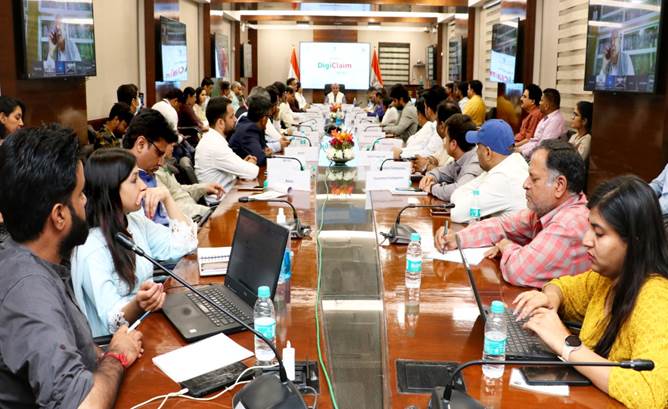
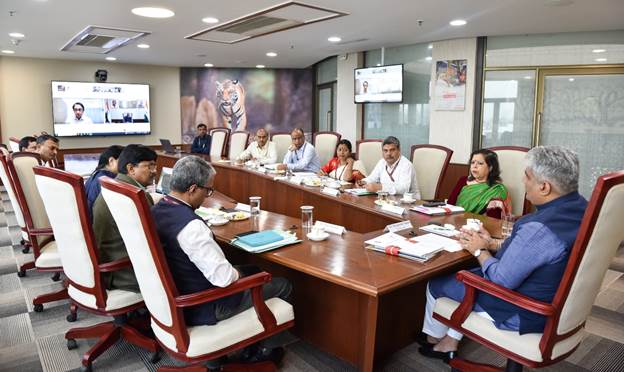
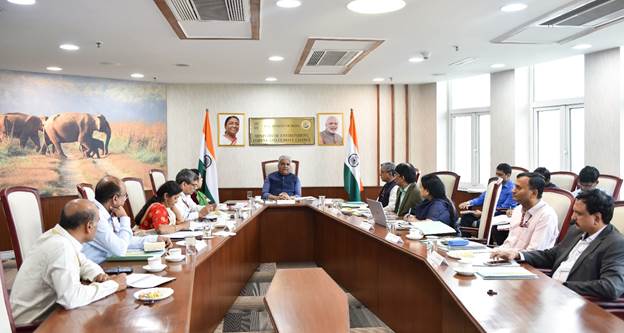
Union Minister of Agriculture & Farmers Welfare, Shri Narendra Singh Tomar launched National Crop Insurance Portal’s digitized claim settlement module namely DigiClaim under the ambit of Pradhan Mantri Fasal Bima Yojana (PMFBY) today at Krishi Bhawan, New Delhi. With the launch of the module, claims will be disbursed electronically, which will benefit the respective farmers of six states. Now, the automated claim settlement process will be an ongoing activity to ease all insured farmers’ lives and provide them with a sustainable financial flow and support.

Besides Shri Tomar, Union Minister of State for Agriculture & Farmers Welfare, Shri Kailash Choudhary, Agriculture Minister of Uttar Pradesh, Union Agriculture Secretary Shri Manoj Ahuja, CEO, PMFBY Shri Ritesh Chauhan and other senior officials were also present. CMDs of Agriculture Insurance Company of India Ltd and SBI General Insurance were also present including representatives of National Insurance Company (NIC), HDFC Ergo, Bajaj Allianz, Reliance GIC, ICICI Lombard, Future Generali, IFFCO Tokio, Cholamandlam MS, Universal Sompo and TATA AIG. Representatives from SBI Bank, Axis Bank, HDFC Bank, ICICI Bank and Yes Bank were also present at the occasion.

Speaking on the occasion, Shri Tomar said that it is a matter of pride for our Ministry to have taken a revolutionary step in ensuring that farmers can receive claim amounts digitally in a timebound and automated manner, thereby making our farmers Aatmanirbhar and Sashakt.

With the launch of a DigiClaim Module, insurance claims totaling Rs 1260.35 crore have been disbursed on March 23, 2023 to insured farmers in the states of Rajasthan, Uttar Pradesh, Himachal Pradesh, Chhattisgarh, Uttarakhand and Haryana with the click of a button, and the process will continue as and when the claims are released. The Union Minister also mentioned that till date Rs 1.32 lakh crore claim amount has been disbursed to the insured farmers under PMFBY. He also took special note of ‘Meri Policy, Mere Haath’ ongoing campaign and observed that the campaign has been monumental in enhancing the awareness around PMFBY at the grassroot levels.

While speaking on the occasion, Shri Tomar said that the Government of India is closely working with all exited states from the scheme and have had discussions with their senior officials in which Andhra Pradesh and Punjab are making a comeback to the scheme, which shows a shining example of corporative federalism. Governments of Telangana, Gujarat, Bihar, West Bengal and Jharkhand have also been approached to rejoin PMFBY and several discussions have been underway. Out of these states, Telangana and Jharkhand have indicated their willingness to come back under PMFBY.

In the current system, there have been several instances of insured farmers’ claims being delayed due to a variety of factors. Taking cognizance of farmers’ welfare and to expedite the claim disbursal process of valid crop loss claims, Ministry of Agriculture and Farmer’s Welfare has come up with the DigiClaim Module. With this, now farmers’ claims will be processed directly to their respective bank accounts in a transparent and accountable manner. This technology has been enabled through the integration of National Crop Insurance Portal (NCIP) and Public Finance Management System (PFMS).

This would directly impact the claim reversal ratio, which is expected to go down with DigiClaim. Another noteworthy feature of this digital advancement is that farmers would be able to track the claim settlement process on their mobile phones in real-time and avail the scheme’s benefits.

Shri Manoj Ahuja highlighted several other prolific achievements of PMFBY to mark the scheme’s seventh year of conception under visionary leadership of the Prime Minister Shri Narendra Modi. The Union Secretary also appealed to state governments to show their participation in this endeavour by timely uploading yield data onto the crop insurance portal and releasing the states’ share on time so that claims could be transferred to farmers’ bank accounts in a hassle-free manner, assisting the Ministry in achieving its true purpose of developing this technology.

Agriculture Minister of Uttar Pradesh, Shri Surya Pratap Shahi, who joined the launch via video conferencing, also gave his valuable suggestions for better implementation of the scheme.

IMG_9908.JPG

This technological advancement has taken PMFBY one step further towards modernization of the scheme. This falls in line with PM Modi’s vision of making India a digital powerhouse with more and more technology-driven innovations paving Ease of Living for the farmers.

In the era of rapid innovations, Digitization and Technology are playing a significant role in scaling up the reach and operations of PMFBY with precision agriculture. In last few years, various innovative technologies have been piloted and integrated with the scheme to make the process of yield estimation and crop loss assessment more accurate, like Yes-Tech, WINDS and CROPIC. Further, for timely redressal of farmers’ grievances, Farmer Grievance Portal has been launched in the first phase for the state of Chhattisgarh, which has received a plethora of positive response and in the second phase, it will be implemented in the entire country.

DigiClaim is yet another feather in PMFBY’s cap in its ongoing effort to usher in advanced technological solutions such as automated calculation and disbursement of crop insurance claims.


Sarbananda Sonowal inaugurates ‘Sagar Manthan’, the Real-time Performance Monitoring Dashboard

| Published on:

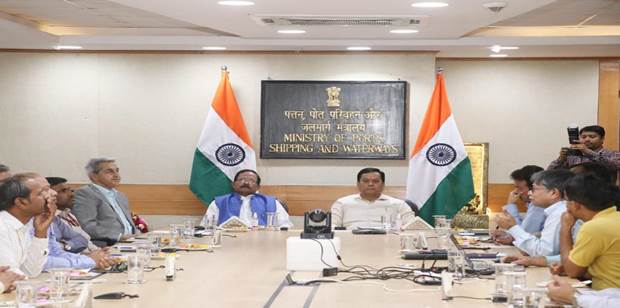
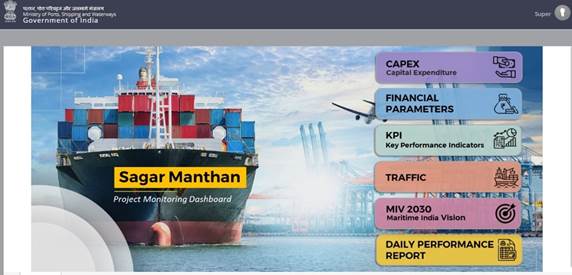
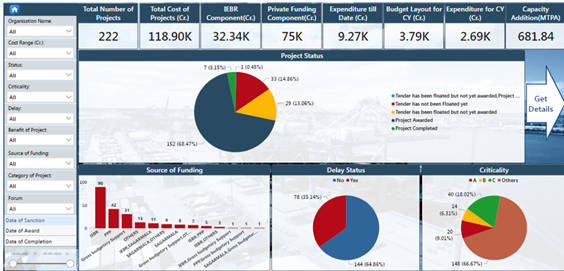
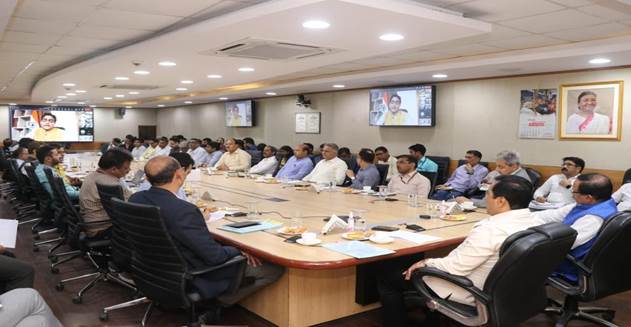
Union Minister for Ports, Shipping and Waterways and Ayush Shri Sarbananda Sonowal virtually launched Real-time Performance Monitoring Dashboard of MoPSW ‘Sagar Manthan’ – Digital platform having all the integrated data related to the ministry and other subsidiaries. It was inaugurated in the presence of Shri Shripad Y. Naik, MoS, MoPSW; Shri Shantanu Thakur, MoS, MoPSW and other officials from the ministry.

This dashboard will transform the workings of various departments by improving well-coordinated real time information. This platform has been developed completely in-house under the guidance of Shri Sudhanshu Pant, IAS, Secretary, MoPSW in the span of less than 1.5 months efficiently.

Speaking on the occasion Shri Sarbananda Sonowal said the launch of Sagar Manthan dashboard is a positive development towards Digital India vision of our Prime Minister. He said it will have a significant impact on the overall performance of organizations.

The Minister said effective project monitoring can ensure the timely completion of projects, informed decision-making, increased efficiency & effectiveness of projects. He said it also promotes real-time project tracking, risk management, resource allocation, and progress reporting.

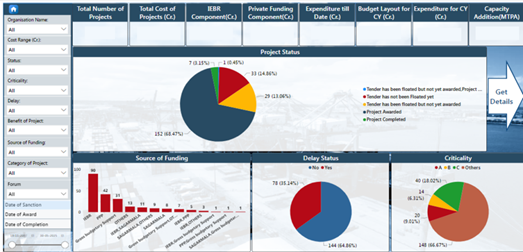
Features of ‘SAGAR MANTHAN’ dashboard :

1. Data visualization

2. Real-time monitoring

3. Improved communication

4. Data-driven decision making

5. Increased accountability

.         

Complete Project Data Mapped

In future, this dashboard would further be integrated with Input from CCTV camera, Live streaming from Drone, AI based Algorithm to map actual progress Digital Twin feature on board and Mobile App for easy access and usability by all stakeholder to increase the efficiency.

The launch of ‘Sagar Manthan’ Dashboard is a development towards digitalization and transparency in the maritime transport sector, and the Ministry of Ports, Shipping and Waterways is committed to supporting the growth of the sector in India.

PM pays tributes to Bhagat Singh, Sukhdev and Rajguru on Shaheed Diwas

| Published on:

The Prime Minister, Shri Narendra Modi has paid tributes to Bhagat Singh, Sukhdev and Rajguru on the occasion of the Shaheed Diwas today.

In a tweet, the Prime Minister said;

“India will always remember the sacrifice of Bhagat Singh, Sukhdev and Rajguru. These are greats who made an unparalleled contribution to our freedom struggle.”

PM chairs a high-level meeting to review status & preparedness of public health response to Covid-19 & Influenza

| Published on:

Prime Minister Shri Narendra Modi today chaired a high-level meeting to assess the Covid-19 & Influenza situation in the country in terms of preparedness of health infrastructure & logistics, status of the vaccination campaign, emergence of new Covid-19 variants & Influenza types and their public health implications for the country. This high-level review meeting comes in the backdrop of a spike in Influenza cases in the country & rise of Covid-19 cases in the past 2 weeks.

A comprehensive presentation was made covering the global Covid-19 situation including the rising cases in India by Secretary, Health, MoHFW. The Prime Minister was briefed that India has been witnessing a slight rise in new cases with average daily cases reported as 888 and weekly positivity reported as 0.98% in the week ending 22nd Mar, 2023. However, 1.08 lakh daily average cases have been reported globally during the same week.

The action taken on the directions given by Prime Minister during the last Covid-19 review held on 22nd Dec 2022 were also briefed. He was informed that availability and prices of 20 main Covid Drugs, 12 other drugs, 8 buffer drugs and 1 influenza drug is being monitored. A mock drill was also conducted on 27th December 2022 in 22,000 hospitals, and many remedial measures taken by hospitals thereafter.

The Prime Minister was apprised on the Influenza situation in the country particularly with respect to higher number of cases of H1N1 and H3N2 being noted in last few months.

Prime Minister directed officials to enhance Whole Genome Sequencing of Positive Samples with the designated INSACOG Genome Sequencing Laboratories. This will support tracking of newer variants, if any, and timely response.

PM emphasized Covid appropriate behaviour including wearing of masks in hospital premises by both patients, health professionals and health workers. He also stressed that wearing of masks is advisable when senior citizens and those with co-morbidities visit crowded areas.

He directed that effective monitoring of IRI/SARI cases, and testing for Influenza, SARS-CoV-2 and Adenovirus be followed up with States. Further, Prime Minister stressed the need to ensure availability of required Drugs & Logistics for Influenza & Covid-19 across Health Facilities along with availability of sufficient beds & health human resources.

He highlighted that Covid-19 pandemic is far from over and there is a need to monitor the status across the country on regular basis. Prime Minister advised to continue focusing on 5-fold strategy of Test-Track-Treat-Vaccination & Covid Appropriate Behaviour, enhance Lab Surveillance & testing of all Severe Acute Respiratory Illness (SARI) cases. Mock drills should be conducted regularly to ensure that our hospitals are ready for all exigencies.

Prime Minister exhorted community to follow respiratory hygiene & to adhere to Covid appropriate behavior in crowded public places.

The meeting was attended by Shri PK Mishra, Principal Secretary to PM, Dr. V K Paul, Member (Health) NITI Aayog; Shri. Rajiv Gauba, Cabinet Secretary; Secretary, Health & Family Welfare; Secretary, Pharmaceuticals and Secretary, Biotechnology; DG, ICMR, Shri Amit Khare, Advisor, PMO  along with other senior officials.


PM inaugurates ITU Area Office & Innovation Center

| Published on:

The Prime Minister, Shri Narendra Modi inaugurated the new International Telecommunication Union (ITU) Area office & Innovation Centre in India at a programme in Vigyan Bhawan today. The Prime Minister also unveiled the Bharat 6G Vision Document and launched the 6G R&D Test Bed. He also launched the ‘Call before u Dig’ App. ITU is the United Nations’ specialized agency for information and communication technologies (ICTs). India signed a Host Country Agreement in March 2022 with ITU for the establishment of Area Office. It will serve India, Nepal, Bhutan, Bangladesh, Sri Lanka, Maldives, Afghanistan and Iran, enhancing coordination among nations and fostering mutually beneficial economic cooperation in the region.

Ms Doreen-Bogdan Martin, Secretary General of the International Telecommunication Union thanked the Prime Minister for helping develop the new ITU Office and innovation center in India which marks a new chapter in the long history of India and ITU. She expressed confidence that ITU’s presence in the region will help the introduction of advanced technologies, improve capacity development, and foster entrepreneurship and partnerships while also responding to leads on the ground from digital services, skills, cyber security and digital inclusion. “India is a role model for countries looking for digital transformation to grow their economies, rethink their government services, attract investments, remake commerce and empower their people”, she said. She further added that India is home to one of the biggest startup ecosystems, digital payments market and tech workforces in the world and the leadership of the Prime Minister has put India as a leader on the digital forefront of tech innovations and adoptions with game-changing initiatives like Aadhar, UPI among others that have turned India into a knowledge-based economy.

Addressing the gathering, the Prime Minister said that today is a special day that marks the new year of the Hindu calendar and conveyed his greetings on the occasion of Vikram Samvat 2080. Observing the diversity of India and the presence of various calendars that are prevalent for centuries, the Prime Minister gave examples of the Malayalam Calendar and Tamil Calendar and said that the Vikram Samvat calendar has been ongoing since 2080 years. He noted that the Gregorian calendar reads 2023 at present but Vikram Samvat began 57 years prior to that. He expressed delight that a new beginning is taking place in the telecom sector of India on this auspicious day where the area office and innovation center of ITU is being inaugurated. He also noted that the 6G Test Bed and the vision document related to this technology have been unveiled which will not only usher new energy in digital India but also provide solutions and innovations for the Global South. The Prime Minister underlined that it will create new opportunities for India’s innovators, industries and startups. He also noted that this initiative will strengthen cooperation and collaboration in the IT sector of South Asian countries.

The Prime Minister said as India is fulfilling its responsibilities as G20 Presidency, reducing regional divide is one of its key priorities. The Prime Minister referred to the recent Global South Summit and underlined the importance of technology, design and standards as per the needs of the Global South as Global South is trying to rapidly breach the technological divide. “ITU Area Office and Innovation Centre is a huge step in this direction and will also give momentum to India’s efforts to provide universal connectivity in the Global South”, he said.

The Prime Minister said that it is natural to have expectations from India in the context of bridging the global divide. He said that India’s capabilities, innovation culture, infrastructure, skilled and innovative manpower and its favourable policy environment are the basis of these expectations. “India has two key strengths – trust and scale. We can not take technology to all corners without trust and scale. The entire world is talking about India’s efforts in this direction”, he said.

The Prime Minister remarked that India’s efforts in this direction have become a matter of discussion all around the world. Highlighting the achievements, the Prime Minister informed that India is now the most connected democracy in the world with more than a hundred crore mobile connections and credited this transformation to the availability of cheap smartphones and data. “More than 800 crore digital payments are made every month in India through UPI”, he said. He further added that more than 7 crore e-authentications take place in India every day. He also informed that more than 220 crore vaccine doses were administered through the Co-Win platform in India. In the past few years, the Prime Minister said, India has transferred more than 28 lakh crore rupees to the bank accounts of its citizens via Direct Benefit Transfers. He informed that India has successfully managed to open more bank accounts than the entire population of the USA through the Jan Dhan Yojna which were later authenticated through Unique Digital Identity or Aadhar and helped in connecting more than a hundred crore people through the mobile phone.

“Telecom technology for India is not a mode of power, but a mission to empower”, the Prime Minister remarked. He noted that digital technology is universal in India and accessible to everyone. Underlining that digital inclusion has happened on a large scale in India in the last few years, the Prime Minister mentioned that broadband connectivity had 60 million users in India before 2014 but that number has gone up to more than 800 million today. He further added that the number of internet connections in India is more than 85 crores compared to 25 crores before 2014.

Referring to the rural upsurge of internet use in India, the Prime Minister informed that the number of internet users in the villages has surpassed the urban areas indicating that digital power has reached every nook and corner of the country. He informed that 25 lakh km of optical fiber has been laid in India by the government and private sector in the last 9 years. “2 lakh gram panchayats have been connected by optical fiber and 5 lakh common service centers are giving digital services leading to a situation where the digital economy is expanding two and half times faster than the rest of the economy”, Shri Modi said.

The Prime Minister said that Digital India is supporting non-digital sectors, and he illustrated this by the example of PM Gatishakti Masterplan. He said the ‘Call Before You Dig’ app reflects the same thinking. This will reduce the instances of unnecessary digging and damage.

“Today’s India is rapidly moving towards the next step of the digital revolution”, the Prime Minister remarked as he underlined that India is the country with the fastest 5G rollout in the world as 5G services have been rolled out in more than 125 cities in just 120 days and 5G services have reached approximately 350 districts in the country. Throwing light on India’s confidence, the Prime Minister said that India is discussing 6G just after 6 months after the 5G rollout. “The vision document presented today will become a major basis for the 6G rollout in the next few years”, he added.

Noting that successfully developed telecom technology in India is attracting the attention of many countries of the world, the Prime Minister emphasized that India was only a user of telecom technology before 4G, but today, it is moving towards being the biggest exporter of telecom technology in the world. “India is working with many countries to change the work culture of the whole world with the power of 5G”, he said as he underlined that it will go a long way in realizing the opportunities, business models and employment potential associated with 5G. “These 100 new labs will help in developing 5G applications according to India’s unique needs. Be it 5G smart classrooms, farming, intelligent transport systems or healthcare applications, India is working fast in every direction”, the Prime Minister said. Noting that India’s 5G standards are part of the global 5G systems, the Prime Minister said that India will also work closely with ITU for the standardization of future technologies. Shri Modi underlined that the new Indian ITU Area office will also help in creating the right environment for 6G. The Prime Minister expressed delight in announcing that the World Telecommunications Standardization Assembly of ITU will be held in October next year in Delhi where representatives from all over the world will visit India.

Concluding the address, the Prime Minister highlighted the pace of India’s development and expressed the belief that this center of ITU will play an important role. “This decade is India’s tech-ade. India’s telecom and digital model is smooth, secure and transparent and all the friendly countries of South Asia can take advantage of this”, the Prime Minister concluded.

Union Minister for Communications, Shri Ashwini Vaishnaw, Union Minister for External Affairs, Dr Subrahmanyam Jaishankar, Union Minister of State for Communications, Shri Devusinh Chauhan and Secretary General, International Telecommunication Union, Ms Doreen-Bogdan Martin were present on the occasion among others.

Background

ITU is the United Nations’ specialized agency for information and communication technologies (ICTs). Headquartered in Geneva, it has a network of field offices, regional Offices and area offices.  India signed a Host Country Agreement in March 2022 with ITU for the establishment of Area Office. The Area Office in India is also envisaged to have an Innovation Centre embedded in it making it unique among other area offices of ITU. The Area Office, which is fully funded by India, is located on the second floor of the Centre for Development of Telematics (C-DoT) building at Mehrauli New Delhi. It will serve India, Nepal, Bhutan, Bangladesh, Sri Lanka, Maldives, Afghanistan and Iran, enhancing coordination among nations and fostering mutually beneficial economic cooperation in the region.

Bharat 6G vision document is prepared by the Technology Innovation Group on 6G (TIG-6G) that was constituted in November 2021 with members from various Ministries/Departments, research and development institutions, academia, standardization bodies, Telecom Service Providers and industry to develop a roadmap and action plans for 6G in India. 6G Test Bed will provide academic institutions, industries, start-ups, MSMEs etc. a platform to test and validate the evolving ICT technologies. The Bharat 6G Vision Document and 6G Test Bed will provide an enabling environment for innovation, capacity building and faster technology adoption in the country.

Exemplifying the Prime Minister’s vision of integrated planning and coordinated implementation of infrastructure connectivity projects under PM Gati Shakti, the Call Before You Dig (CBuD) app is a tool envisaged for preventing damage to underlying assets like optical fiber cables, that occurs because of uncoordinated digging and excavation, leading to loss of about Rs 3000 crore every year to the country. The mobile app CBuD will connect excavators and asset owners through SMS/Email notifications & click to call so that there are planned excavations in the country while ensuring the safety of underground assets.

CBuD, which illustrates the adoption of a ‘Whole-of-Government Approach’ in the country’s governance will benefit all stakeholders by improving the ease of doing business. It will save potential business loss and minimize discomfort to the citizens due to reduced disruption in essential services like road, telecom, water, gas and electricity.

PM attends Civil Investiture Ceremony

| Published on:

The Prime Minister, Shri Narendra Modi today attended Civil Investiture Ceremony at Rashtrapati Bhavan.

The Prime Minister tweeted :

“Attended the Civil Investiture Ceremony at Rashtrapati Bhavan where the Padma Awards were given. It is inspiring to be in the midst of outstanding achievers who have distinguished themselves in different fields and contributed to national progress.”

Union Home Minister inaugurates Maa Sharda Devi Temple at Kupwara, J&K

| Published on:

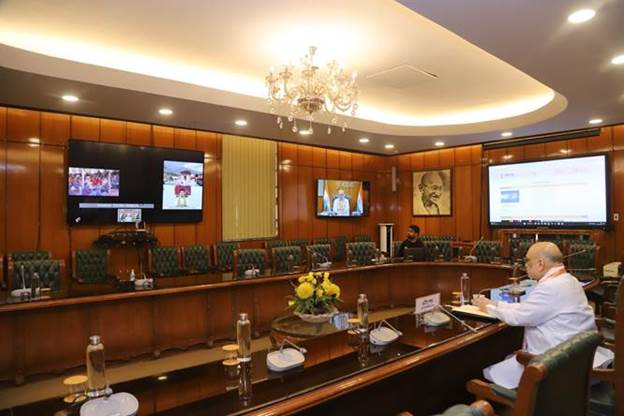
Union Home Minister and Minister of Cooperation, Shri Amit Shah inaugurated Maa Sharda Devi Temple at Kupwara, Jammu and Kashmirthrough video conferencing today. Several dignitaries including Lieutenant Governor of Jammu and Kashmir Shri Manoj Sinha, were present on the occasion.

Shri Amit Shah began his address by wishing the countrymen for the New Year. He said that today on the occasion of New Year, the newly constructed temple of Maa Sharda has been opened for the devotees and this is an auspicious sign for the devotees from all over India. He said that today the inauguration of Maa Sharda’s temple is the beginning of a new era.

https://static.pib.gov.in/WriteReadData/userfiles/image/image001DCL3.jpg

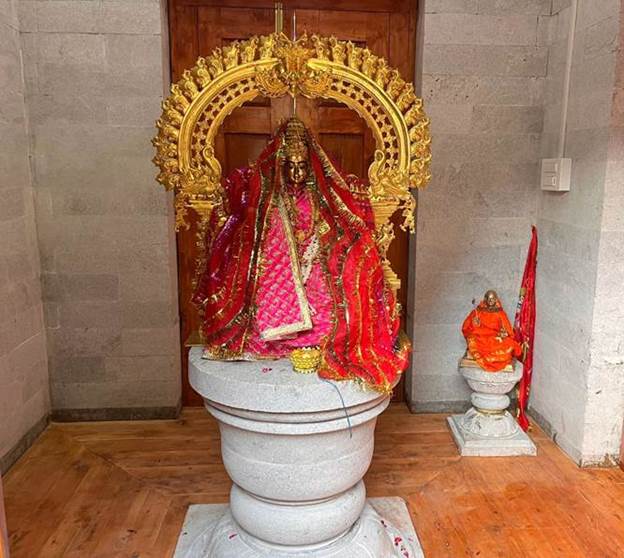
The Union Home Minister and Minister of Cooperation said that the architecture and construction of this temple has been done according to mythological scriptures under the aegis of Sharda Peeth.  The idol of Sharda Maa, donated by the Sringeri Math, and its installation here, the time period from 24 January till today was like a journey. The reconstruction of Maa Sharda’s temple in Kupwara is a necessary and important step in the direction of discovery of Sharda-civilization and promotion of Sharda-script.Shri Amit Shah said that once upon a time Sharda Peeth was considered the centre of knowledge in the Indian subcontinent, scholars from all over the country used to come here in search of scriptures and spiritual knowledge. He said that Sharda script is the original script of our Kashmir, which has been named after the name of Maa Sharda. This is one of the Mahashakti Peeths and according to religious beliefs, the right hand of Maa Sati fell here.

https://static.pib.gov.in/WriteReadData/userfiles/image/image0039WRJ.jpg

The Union Home Minister and Minister of Cooperation said that Sharda Peeth has been a historical centre of India’s cultural, religious and educational heritage, like Kartarpur Corridor, Government under the Prime Minister Shri Narendra Modi, will move forward to open Sharda Peeth for devotees. He said that due to the efforts of Prime Minister Shri Narendra Modi peace has been established in Kashmir after the abrogation of Article 370, the Kashmir Valley and Jammu are once again returning to their old traditions, civilization and Ganga-Jamuni Tehzeeb. Shri Shah said that as per its commitment of social and economic transformation, the Government led by Prime Minister Shri Narendra Modi has taken initiatives in all sectors of Jammu and Kashmir, including the culture rejuvenation. The systematic restoration and repair work is going on at 123 identified places under this, which include many temples and Sufi Places. He said that in the first phase, 35 places were being renovated at a cost of Rs 65 crore. He said that 31 mega cultural programs have also been organized by identifying the 75places of religious and Sufi saints. Shri Shah said that 20 cultural festivals have also been organized in every district which will help in reviving our old heritage.

https://static.pib.gov.in/WriteReadData/userfiles/image/image002OQP0.jpg

Shri Amit Shah said that the zeal with which the Lieutenant Governor of Jammu and Kashmir, Shri Manoj Sinha has implemented all the flagship schemes of Prime Minister Shri Narendra Modi is worth praising. He said that under the leadership of Prime Minister Shri Narendra Modi, Shri Manoj Sinha has played a major role in bringing industrial investment in Jammu and Kashmir. He said that today’s beginning will help in bringing back the lost glory of this place and with the blessing of Maa Shardathis place will remain the centre of worship and continue to awaken the consciousness of India for ages.

Bhupender Yadav says Government accords huge importance to Blue Economy

| Published on:

Union Minister of Environment, Forest and Climate Change Shri Bhupender Yadav chaired today the 1st General Body Meeting of National Centre for Sustainable Coastal Management (NCSCM) an institute under Ministry of Environment, Forest and Climate Change(MoEF&CC). He emphasized that Prime Minister accords huge importance to Blue Economy with focus on sustainable and climate resilient coastal infrastructure and livelihoods of coastal communities.

Shri Yadav said Government is steering ahead with marine spatial planning (MSP) to develop a blueprint for area-based management with multiple management objectives. The Minister also directed NCSCM to contribute to Mission MISHTI (Mangrove Initiative for Shoreline Habitats and Tangible Incomes) for mangrove conservation with focus on tangible income to coastal communities.

NCSCM was established in February 2011, as a research institution to support the protection, conservation, restoration, management, and policy advice on coasts. The vision of NCSCM is to promote sustainable coasts through increased partnerships, conservation practices, scientific research, and knowledge management for the benefit and wellbeing of current and future generations.

The National Centre has undertaken several landmark research studies such as mapping of over 34,000 sq. km. of the Ecologically Sensitive Areas (ESA), mapping of composite hazard line, preparation of the Coastal Zone Management Plans as per the Coastal Regulation Zone(CRZ) Notifications, 2011 and 2019, cumulative coastal environmental impact assessment, ecosystem goods and services, blue carbon sequestration, ecosystem health report cards among others.

PM to inaugurate ITU Area Office & Innovation Centre on 22nd March

| Published on:

Prime Minister Shri Narendra Modi will inaugurate the new International Telecommunication Union (ITU) Area office & Innovation Centre in India at a programme in Vigyan Bhawan on 22nd March, 2023 at 12:30 PM. During the programme, Prime Minister will unveil Bharat 6G Vision Document and launch 6G R&D Test Bed. He will also launch ‘Call before u dig’ App. Prime Minister will also address the gathering on the occasion.

ITU is the United Nations specialised agency for information and communication technologies (ICTs). Headquartered in Geneva, it has a network of field offices, regional Offices and area offices.  India signed a Host Country Agreement in March 2022 with ITU for establishment of Area Office. The Area Office in India also envisaged to have an Innovation Centre embedded to it, making it unique among other area offices of ITU. The Area Office, which is fully funded by India, is located on the second floor of the Centre for Development of Telematics (C-DoT) building at Mehrauli New Delhi. It will serve India, Nepal, Bhutan, Bangladesh, Sri Lanka, Maldives, Afghanistan and Iran, enhancing coordination among nations and fostering mutually beneficial economic cooperation in the region.

Bharat 6G vision document is prepared by Technology Innovation Group on 6G (TIG-6G) that was constituted in November 2021 with members from various Ministries/Departments, research and development institutions, academia, standardisation bodies, Telecom Service Providers and industry to develop roadmap and action plans for 6G in India. 6G Test bed will provide academic institutions, industry, start-ups, MSMEs, industry etc, a platform to test and validate the evolving ICT technologies. The Bharat 6G Vision Document and 6G Test bed will provide an enabling environment for innovation, capacity building and faster technology adoption in the country.

Exemplifying the Prime Minister’s vision of integrated planning and coordinated implementation of infrastructure connectivity projects under PM Gati Shakti, the Call Before You Dig (CBuD) app is a tool envisaged for preventing damage to underlying assets like optical fibre cables, that occurs because of uncoordinated digging and excavation, leading to loss of about Rs 3000 crore every year to the country. The mobile app CBuD will connect excavators and asset owners through SMS/Email notification & click to call, so that there are planned excavations in the country while ensuring the safety of underground assets.

CBuD, which illustrates the adoption of ‘Whole-of-government approach’ in the governance of the country, will benefit all stakeholders by improving ease of doing business. It will save potential business loss and minimise discomfort to the citizens due to reduced disruption in essential services like road, telecom, water, gas and electricity.

The programme will witness participation of IT/Telecom Ministers of various Area Offices of ITU, Secretary General and other senior officials of ITU, Heads of United Nations/other international bodies in India, Ambassadors, Industry Leaders, Start-up and MSME, leaders Academia, students and other stakeholders.

Education, technology and knowledge are very important to solve the challenges of Agriculture sector: Narendra Singh Tomar

| Published on:

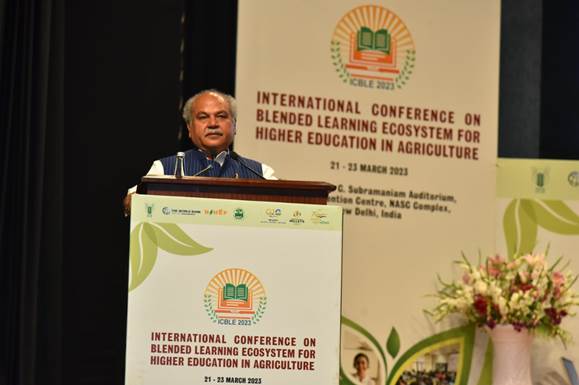
Union Agriculture and Farmers Welfare Minister Shri Narendra Singh Tomar inaugurated the International Conference on Blended Learning Ecosystem for Higher Education in Agriculture, in New Delhi today. Shri Tomar launched the Blended Learning Platform at the conference organized by the Indian Council of Agricultural Research (ICAR) in collaboration with the World Bank. On this occasion, Shri Tomar said that it is necessary to have agricultural education, technology and knowledge to solve the challenges facing agriculture in the future.

Expressing happiness, the Chief Guest, Union Minister Shri Tomar said that facilities like Krishi Megh (National Agricultural Research & Education System – Cloud Infrastructure and Services), which was started in August, 2020 and Virtual Classroom started in April, 2021, played an important role in teaching during the pandemic. This Blended Learning Platform will make Krishi Megh even more useful for teachers and students of agricultural universities and colleges across the country. Krishi Megh infrastructure has been strengthened for the Blended Learning Platform, so that the students are benefitted. Shri Tomar said that on the call of Prime Minister Shri Narendra Modi, during the 25 years of Amrit Kaal, the period from the 75th year of India’s Independence till the Centenary Year, our thinking, methodology, pace and vision should be so comprehensive that by the year 2047, India, having acquired all the technologies, takes seat in the comity of the Developed nations. Blended learning will be a big contributor in this journey. It is our responsibility to extend the technology to the farmland. Technology support is very necessary in the field of farming, in order that the Agriculture sector is facilitated, attracts the new generation, leads to job opportunities, reduces input costs and the quality of production improves. All this needs to be done with sincerity and dedication. The contribution of agriculture sector is also very important in fulfilling the goal of building a developed India, because agriculture is the backbone of the country’s economy. Its strength will help prepare the nation to stand firm in any situation and move forward. Along with this, there is a need to be prepared for the challenges that are going to come till the year 2047 regarding Food Security and Climate Change.

Shri Tomar said that the Prime Minister works on the vision of all-round balanced development. It is the priority of the government to improve the standard of living of all, including the country’s poor, labourers, farmers and tribal brothers and sisters. At the same time, he continues to work for the fulfillment of the wider aim that India can move forward in the geopolitical global scenario on the bedrock of its principles, novelty and noble cause. The government is doing whatever corrective work needs to be done in the direction of upcoming challenges, need of technology and significance of digitalization. India ranks the best in terms of digital transactions. Today, 2.40 lakh crore rupees are transferred directly in the bank accounts of crores of farmers without the role of any middleman, this is spectacular for the country as well as the world. India has also taken rapid steps in the direction of Ayushman Bharat scheme, gas subsidy and payment of agricultural procurements at MSP through DBT, due to which our credibility and reputation in the world has also increased.

He said that rapid development is being done in all the sectors today, but the agriculture sector is special. Under the leadership of the Prime Minister, the government has linked the agriculture sector with new dimensions. Attempts have been made to address long standing challenges. Today the Crop Insurance Scheme is working all over the country. Ever since this scheme started, till now Rs 1.30 lakh crore has been given by the insurance companies to the farmers in compensation for the loss of their crops. A target has been set to provide short-term loans up to Rs. 20 lakh crore to the farmers, so that the farmers are empowered. Similarly, to bridge the longstanding lack of private investment, technology and infrastructure in the Agriculture and Allied Sectors, provision has been made of more than Rs 1.5 lakh crore under the Atmanirbhar Bharat package. Banks have already approved projects worth more than Rs. 14,000 crores under the Agri Infra Fund. The good results of all these initiatives will soon reflect in the agriculture sector. Earlier, Shri Tomar cut a cake made from Shree Anna.

Secretary, DARE and Director General, ICAR, Dr. Himanshu Pathak, Deputy Director General (Agriculture Education) and National Director – National Agricultural Higher Education Project, Dr. R.C. Aggarwal and other dignitaries were present on the occasion.

Dr Mansukh Mandaviya delivers keynote address on the concluding day of the Global Conference on Digital Health

| Published on:

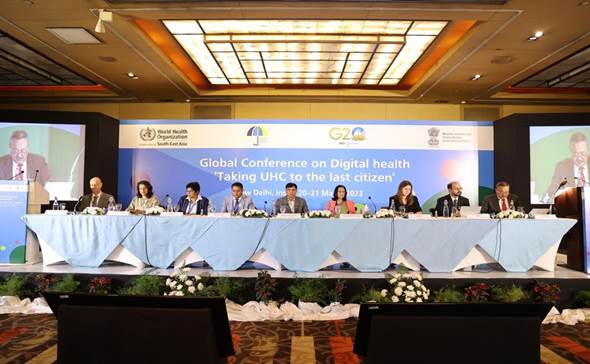
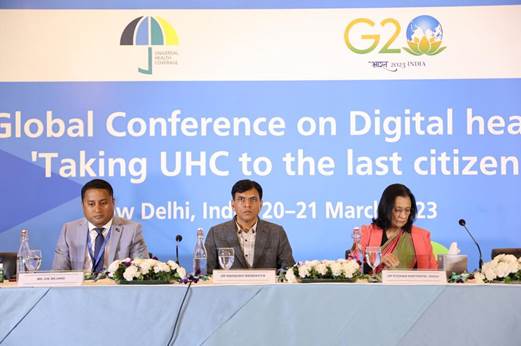
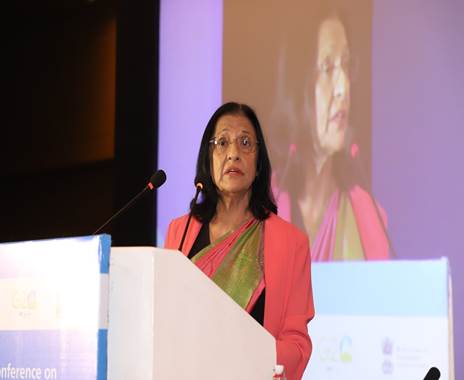
“Digital Health interventions are not just limited to individual healthcare delivery programs, but are spread across multiple health outcomes, catering to both communicable and non-communicable diseases across the health and disease burden spectrum”. This was stated by Dr. Mansukh Mandaviya, Union Minister for Health & Family Welfare during his address at the concluding day of the “Global Conference on Digital Health – Taking Universal Health Coverage to the Last Citizen” a co-branded event under India’s G20 Presidency organized by WHO – South-East Asia Region in collaboration with the Ministry of Health & Family Welfare, Government of India. He was joined by Mr Joe Bejang, Minister of Health and Human Services, Republic of Marshall Islands and Dr Poonam Khetrapal Singh, Regional Director, WHO South-East Asia Region. Other dignitaries who were present at the High-Level Plenary included Ms. Nina Bergstedt, Senior Adviser, Office for Data Infrastructure and Cyber Security, Ministry of Interior and Health of Denmark; Mrs. Bernardina De Sousa, National Deputy Director for Health Training, Ministry of Health, Mozambique; Mr Bader Awladthani, Director-General of Information Technology, Sultanate of Oman and Dr Preetha Rajaraman, Health Attache and South Asia Regional Representative, US Dept of Health and Human Services.

Addressing the audience, Dr. Mandaviya highlighted that “India has taken a quantum leap towards leveraging digital health solutions for effective health service delivery”. “In the Maternal & Child health domain, India has created name-based database of 200+ million eligible couples, 140 million pregnant women & 120 million children, who are being monitored for ante-natal, post-natal and immunization related health services. Another key example is the NIKSHAY intervention under the National TB Elimination Programme, through which more than 11 million patients are tracked for adherence to TB treatment”, he stated.

Highlighting India’s achievements in digital health and service delivery domain, Dr Mandaviya stated that “India’s focus on Comprehensive Primary Healthcare is underlined with the NCD application, through which more than 15 million population with 30+ age has been screened for 5 NCDs, in turn creating a health profile for India. Using Integrated Health Information Platform (IHIP), which was developed in collaboration with the World Health Organization, as a national surveillance system, we have ensured name-based, GIS-enabled near real-time surveillance of 36 epidemic prone diseases.”

Dr Mandaviya also highlighted other pan-India digital applications like eRaktkosh (which manages all the blood banks across the country), ORS (Online Reservation System application that provides for online appointment for Government facilities across the country), Mera Aspataal (platform for giving feedback on health services provided by the hospitals), eSanjeevani (world’s largest telemedicine network) & CoWIN (vaccine management platform). He noted that “so far, more than 100 million tele-consultations have been conducted through this platform while the globally renowned CoWIN Vaccine Management platform has supported administration of more than 2.2 billion Covid-19 vaccine doses”.

The Union Health Minister also elaborated on the digital aspects of the Ayushman Bharat Digital Mission (ABDM), stating that “under the initiative, over 332 million unique patient IDs (ABHA IDs), more than 200,000 Health Facility Registries & over 144,000 Health Professional Registries have been created.” He stated that ABDM will lead to the creation of longitudinal health record of a patient which can have bearings on continuum of care across primary, secondary, and tertiary levels of care. “ABDM also enables newer technologies & advanced data analytics to be integrated with existing solutions aimed at avoiding repeated diagnostics, accurate diagnosis, precision medicine, increased quality of care, timely response in emergencies and lowering out of pocket expenses”, he added.

Dr Mandaviya apprised that while India is already working towards creating an enabling ecosystem for digital health in country through various policy level reforms; implementation and scaling up of these digital interventions is parallelly focused upon. He informed that Indian Government has taken ambitious steps towards convergence of advanced technologies like Artificial Intelligence and Machine Learning to achieve the overall vision of a digital health ecosystem.

Emphasizing on the Indian government’s efforts towards converging advanced technologies towards the delivery of healthcare services in the country, the Union Health Minister stated that premier tertiary care institutions like AIIMS Delhi, AIIMS Rishikesh & PGI Chandigarh have been designated as the Centre of Excellence (CoE) for AI in healthcare; the Centre for Development of Advanced Computing (CDAC), Pune has been designated as the National Resource Centre for EHR standards (NRCeS); and a National Public Health Observatory (NPHO) has now been established at Union Health Ministry level, with nodes at State & district level to achieve synergy between siloed and vertical national health programmes.

Addressing the challenges in bringing digital transformation in healthcare, the Health Minister highlighted key policy enablers for countries to prioritize. He noted the importance of Digital Architectural Frameworks for establishing a digital ecosystem; standardization of data, with focus on data security & privacy issues; and integration of multiple applications for data-driven policy making as the three important priorities.

Reiterating India’s commitment towards creating a unified global health architecture, Dr Mandaviya appealed the global community to “converge our efforts towards building a culture of inter-operability in development of digital solutions not only at the country level, but also globally”. He stated that greater focus is required on supplementation of global investments instead of duplication in investments. “Under the G20 motto of One Earth, One Family, One Future, India is working towards greater collaboration and sustained efforts across the digital health ecosystem. Leveraging its G20 presidency, India is also encouraging development of a common global platform for sharing of medical countermeasures, technical knowledge, digital infrastructure, and cost-effective digital health solutions”, he added.

Mr Joe Bejang appreciated India’s achievements in the digital health sector. He noted that digital interventions can play a significant role in targeting services more effectively, reducing inefficiencies in the management of medicines and supply inventories; and through telemedicine and teleconsultations, reducing the need for medical evacuation. He also noted that with increasing costs of transportation, the development of digital health infrastructure also offers major economic advantages.


Praising India’s endeavors in digital health, Dr. Poonam Khetrapal Singh said that “conducting more than 100 million tele-consultations through the e-Sanjeevani platform is no mean feat”. She highlighted the need for bringing stronger ethics for managing global health data and on enhancing digital literacy for countries in the Southeast Asia region. She also appealed for more global collaboration in digital health and innovation, building on competencies and capabilities of different countries. Dr Singh further supported the need for bringing more human-centered digital solutions.

Global leaders and health development partners, health policy makers, digital health innovators and influencers, academia and other stakeholders from around the world were also present at the conference.

Under PM India manages her forest areas and their resources in a scientific manner: Bhupender Yadav

| Published on:

Union Minister of Environment, Forest and Climate Change, Shri Bhupender Yadav said that India highly values the traditional knowledge and wisdom of local people and follows a participatory approach in forest management along with gender equity. He said that under Prime Minister Shri Narendra Modi, India manages her forest areas and their resources in a scientific manner based on the principle of sustainability.

Addressing the High-Level Session virtually on the theme “Healthy Forests for Healthy People” on the occasion of International Day of Forests 2023 hosted by the Food and Agriculture Organisation (FAO) of the United Nations, today, at FAO Headquarters, Rome, Shri Yadav said that use of traditional Ayurvedic system, medicinal plants, non-timber forest produce as source of medicines and forest-based livelihood are deeply ingrained in Indian lifestyle. He said that India has a legal provision for recognising the rights of tribal and forest dependent communities through Forest Rights Act.

Speaking on this occasion Shri Yadav said that the river rejuvenation programme for 13 major rivers through a massive focus on plantation activities, Urban Greening Guidelines of Government of India 2014, Smart Cities Mission launched by Prime Minister Shri Narendra Modi in 2015 aim to promote cities that provide core infrastructure, clean and sustainable environment and a decent quality of life. The Green Highways (Plantation, Transplantation, Beautification & Maintenance) Policy 2015 aims of planting trees along all the highways in the country with the help of local communities, in order to reduce the impact of heat, air and noise pollution and check soil erosion at the embankment slopes.

The Minister informed the gathering that India strongly believes in One health approach to healthy life and fully appreciates the strong connection between people, animals, and the environment shared by them. He said that aiming for Sustainable cities, Communities Forests and urban greens has a major role to play in bringing our cities and communities lifestyle closer towards sustainability, which is one of the 17 UN Sustainable Development Goals. The Union Minister said that India has recognised the urban forest as integral part of city planning process including those in peri-urban areas and is focusing in that area.

Shri Yadav highlighted that Tree Outside Forest (TOF) comprises of 36.18 % of total forest and tree cover of the country. He said that India has a strong drive to expand the green cover by promoting Tree Outside Forest (ToF) including Agroforestry system, river catchments and urban greens. He said that India has a robust institutional mechanism with ICFRE (Indian Council for Forest Research and Education), IIFM (Indian Institute of Forest Management), Wildlife Institute of India to support ecological security and sustainable development of forest ecosystems. He talked about science–policy interface of National Institution for Research and Application of natural resources to Transform, Adapt and build Resilience (NIRANTAR) to drive a sustainable climate resilient economy.

The opening remarks for the High-level session was given Director-General, FAO, Mr QU Dongyu, where the importance of forests for the well-being of people was highlighted.

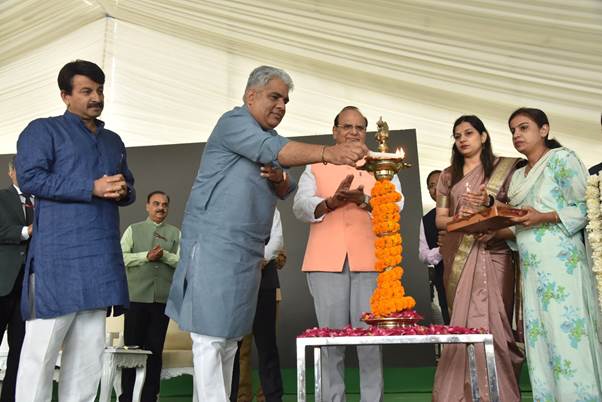
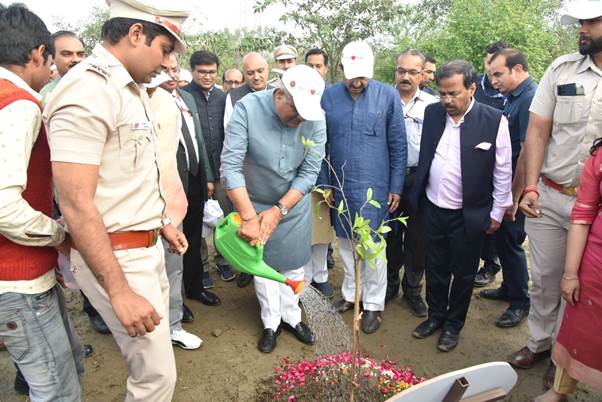
Shri Yadav also attended the International Day of Forests celebrations today along the riverfront from Signature Bridge to Yudhishtir Setu near Garhi Mandu City Forest, situated in Yamuna Flood Plains. This event was organised by Department of Forests and Wildlife, Government of NCT of Delhi in collaboration with Ministry of Environment, Forest and Climate Change, Government of India.

The Minister said that the efforts taken in the rejuvenation of Yamuna River is an example of action-oriented approach. He said that it helps in recognizing the role of forests and forested landscapes in regulation of the water and related ecosystem services.

The Ministry of Environment, Forest and Climate Change (MoEF&CC) has envisioned forestry interventions as means for river rejuvenation.  Accordingly, a Detailed Project Report (DPR) on ‘Rejuvenation of Yamuna through Forestry Interventions’ has been prepared for implementation in seven states viz. Uttarakhand, Himachal Pradesh, Haryana, Delhi, Uttar Pradesh, Rajasthan and Madhya Pradesh, which are located in the river basin of Yamuna and its tributaries.

To celebrate the International Day of Forests, plantation activities were undertaken in Yamuna Floodplains by the chief guests, students of eco-clubs, members of Nehru Yuva Kendra, Paryavaran Mitras and Wetland Mitras.

The event was attended by Lieutenant Governor, Delhi, Shri Vinai Kumar Saxena; Member of Parliament, North East Delhi, Shri Manoj Tiwari; Member of Parliament, East Delhi, Shri Gautam Gambhir; Member of Legislative Assembly, Ghonda, Shri Ajay Mahawar  and senior officers of State and Central Government.