
FM chairs Chintan Shivir in Kevadia, Gujarat

| Published on:

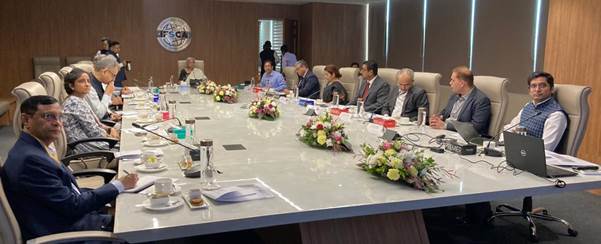
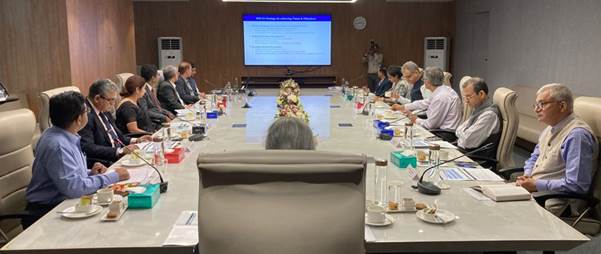
The three-day Chintan Shivir of the Ministry of Finance and Ministry of Corporate Affairs concluded in Kevadia, Gujarat, today. Union Minister for Finance and Corporate Affairs Smt. Nirmala Sitharaman chaired the Chintan Shivir in presence of Union Ministers of State for Finance Shri Pankaj Chaudhary and Dr. Bhagwat Kisanrao Karad.

The Chintan Shivir was attended by senior officials of Ministry of Finance and Ministry of Corporate Affairs. The Finance Secretary, Secretaries from D/o Economic Affairs (DEA), D/o Investment and Public Asset Management (DIPAM), D/o Revenue (DoR), D/o Financial Services (DFS) and Ministry of Corporate Affairs, Chief Economic Advisor, Chairmen of CBDT and CBIC were also part of the deliberations.
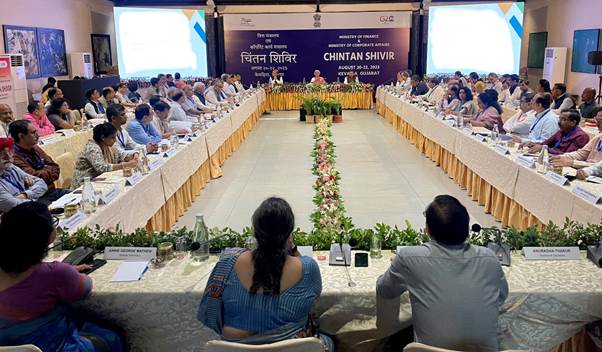
Free and frank discussions were held by more than 100 senior officers of MoF and MCA on how to re-orient to achieve the Amrit Kaal goals by embracing the Panch Pran as envisioned by Prime Minister Shri Narendra Modi.

Interactive sessions were held on the “Role of Ministry of Finance and Ministry of Corporate Affairs in Amrit Kaal”, “Building our Capacities”, and “Improving our Efficiencies”.

Smt. Sitharaman advised the officers to optimally utilise the vast pool of resources and experience at disposal in the Government. The Finance Minister underlined mentoring of young generations to embellish efforts in the march toward Viksit Bharat of 2047 in the Amrit Kaal.

Smt. Sitharaman urged the officers to go beyond to explore frontiers beyond their set roles and make an extra impact on other domains as well so that synergistic thoughts emerge which can be useful for the overall Ministry.

In her concluding remarks during the Chintan Shivir, the Union Finance Minister stated that both effectiveness and efficiency are long-term phenomenon and consistency in reform policy, with focus on both, individual and institutional efficiencies, are vital ingredients in public service delivery.
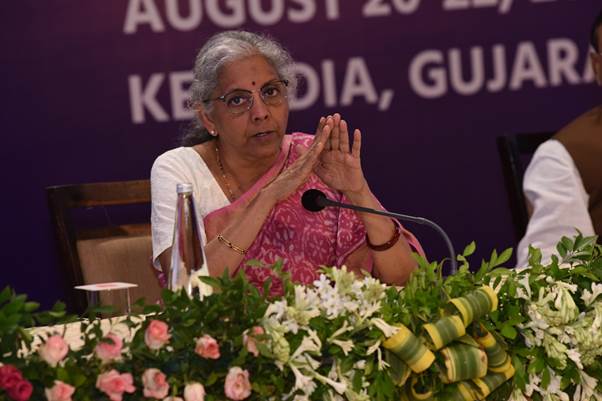
Referring to phenomenon of information overload as counter-productive to effectiveness and efficiency, the Union Finance Minister emphasised that both MoF and MCA must strive for simplification of processes with focus on not just the whole-of-Government-approach, but also whole-of-the-country approach to maximise delivery and engagement.

Smt. Sitharaman urged MoF and MCA senior officers to continuously mentor the new entrants/younger colleagues to develop the wherewithal in delivering results in the Amrit Kaal and beyond making Viksit Bharat by 2047. The Union Finance Minister also emphasised on the need to continuously reorient policy in the cultural context and to instil a sense of ownership in decision-making, to enhance effectiveness with efficiency.

During the discussions, Union Minister of State for Finance Shri Pankaj Chaudhary called for ambitious target-orientation for productively achieving goals towards India’s journey in becoming a developed country by 2047.
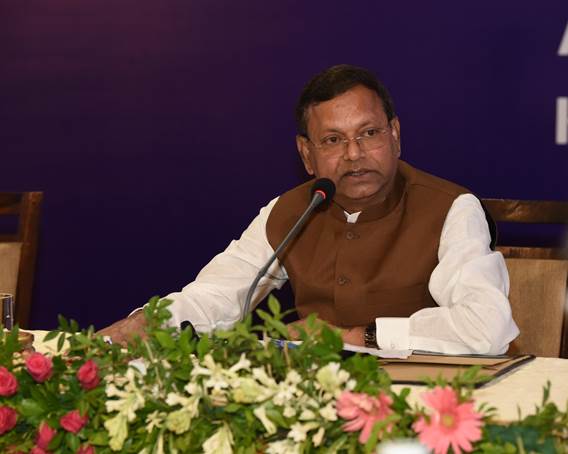
In his remarks during the session, Union Minister of State for Finance Dr. Bhagwat Kisanrao Karad emphasised on building self-confidence through knowledge and skilling. Dr. Karad said that decisions must be made in consultation with knowledgeable partners and stakeholders besides developing appropriate feedback mechanism for real-time assessment of delivery.
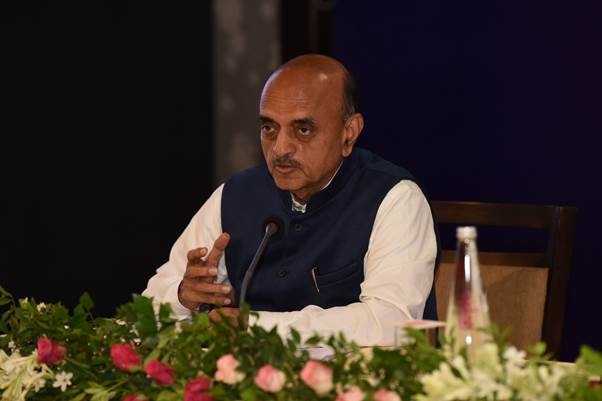
The Session on the “Role of Ministry of Finance and Ministry of Corporate Affairs in Amrit Kaal” focused on enabling growth and stability, and focused on the following four themes:

  1. Capital Formation and Retention
  2. Inclusive Growth
  3. Aatmanirbhar Bharat
  4. Strengthening Public Finance

During the session on “Building our Capacities”, discussions revolved around:

  1. Building Professional Capacity
  2. Building Personal Capacity
  3. Work-life Balance Capacity
  4. Institutional Capacity

The discussions during the session were focused on various aspects of capacity-building in the areas of human resource and institutions, role of technology and software-enabled systems, intra and inter-ministerial consultations, importance of training at various levels, and mentoring young blood for leading roles in Amrit Kaal in the journey towards building strong and resilient India Viksit Bharat by 2047.
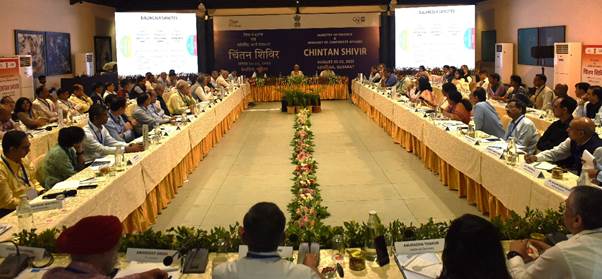
During the session on “Building our Efficiencies”, in-depth discussions were held on:

  1. Enabling skilled and motivated workforce
  2. Robust internal processes
  3. Coordination and engagement with internal stakeholders
  4. Focus on external stakeholders
  5. Changing organisational culture

The discussions in the session revolved around skilling, maintaining robust organisational processes, streamlining file management systems and expediting decision-making in MoF and MCA, onboarding of stakeholders from the start, citizen-friendly technology tools, leveraging technology and use of AI for future-readiness, whole-of-Government-and-holistic approach towards public service delivery, time-bound delivery of citizen-centric services, removing duplicity of effort, and leveraging technology and use of AI for future-readiness.

On the sidelines of the Chintan Shivir, Union Finance Minister also interacted with the G20 Finance Track India Team. The G20 Finance Track Team shared thoughtful introspections with Smt. Sitharaman on various aspects of navigating the first nine months of Indian G20 Presidency.

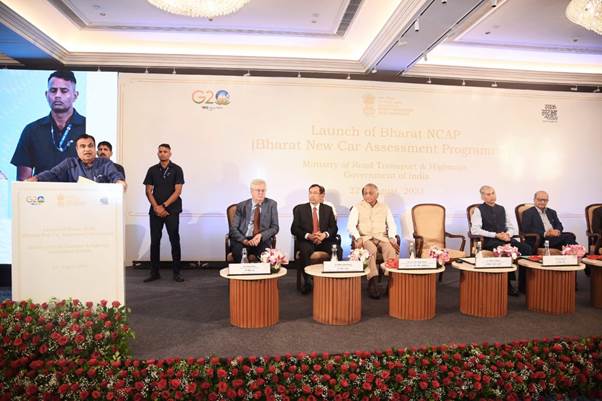
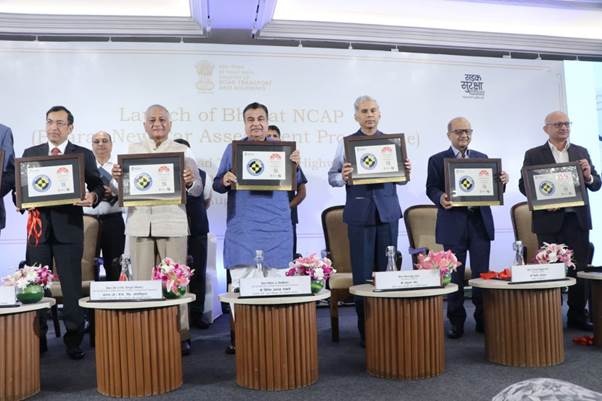
Nitin Gadkari launches Bharat NCAP(New Car Assessment Programme)

| Published on:

Union Minister of Road Transport and Highways Shri Nitin Gadkari launched the Bharat New Car Assessment Programme (Bharat NCAP) today in New Delhi aiming to enhance road safety by elevating vehicle safety standards for up to 3.5-tonne vehicles in India.

Addressing the gathering he said this is a landmark step towards empowering our consumers for being able to make a better choice for buying safer cars.

Shri Gadkari said BHARAT NCAP will also greatly push the safety and quality of the vehicles in India, while simultaneously promoting a healthy competition among OEMs to manufacture safer vehicles. He said the new safety regime under BHARAT NCAP and AIS-197 is a mutual win-win for manufacturers and consumers and an instrumental step towards safeguarding lives of our citizens and making our Automobile Industry the number one auto manufacturing hub in the world.

The Program is applicable to type approved motor vehicles of M1 category less than 3.5T GVW. This is a voluntary program in which the base variants of  a given model shall be tested.

This program will commence from 1st Oct 2023 and  will be based on Automotive Industry Standard (AIS) 197. Program aims to create ecosystem of competitive safety enhancements leading to increased awareness among consumers. Consumers can take an informed decision by making a comparative assessment on vehicle performance under crash test conditions.

NCAP brings the opportunity to the OEMs to manufacture vehicles of global safety standards. Program will be anchored by Central Institute of Road Transport (CIRT) .This program has been evolved based on stakeholder consultations .

PM’s departure statement ahead of his visit to South Africa and Greece

| Published on:

I am visiting the Republic of South Africa from 22-24 August 2023 at the invitation of H.E Mr. Cyril Ramaphosa, President of South Africa, to attend the 15th BRICS Summit being held in Johannesburg under the South African Chairmanship.

BRICS has been pursuing a strong cooperation agenda across various sectors. We value that BRICS has become a platform for discussing and deliberating on issues of concern for the entire Global South, including development imperatives and reform of the multilateral system. This Summit will provide a useful opportunity for BRICS to identify future areas of cooperation and review institutional development.

During my stay in Johannesburg, I will also participate in BRICS–Africa Outreach and BRICS Plus Dialogue event that will be held as part of the BRICS Summit activities. I look forward to interacting with a number of guest countries that have been invited to participate in this event.

I also look forward to holding bilateral meetings with some of the Leaders present in Johannesburg.

From South Africa, I will travel to Athens, Greece on 25 August 2023 at the invitation of H.E. Mr. Kyriakos Mitsotakis, Prime Minister of Greece. This will be my first visit to this ancient land. I have the honour to be the first Indian Prime Minister to visit Greece after 40 years.

Contacts between our two civilizations stretch back over two millennia. In modern times, our ties have been strengthened by shared values of democracy, rule of law and pluralism. Cooperation in diverse sectors such as trade and investment, defence, and cultural and people-to-people contacts have been bringing our two countries closer.

I look forward to my visit to Greece opening a new chapter in our multifacted relationship.

PM addresses Madhya Pradesh Rozgar Mela

| Published on:

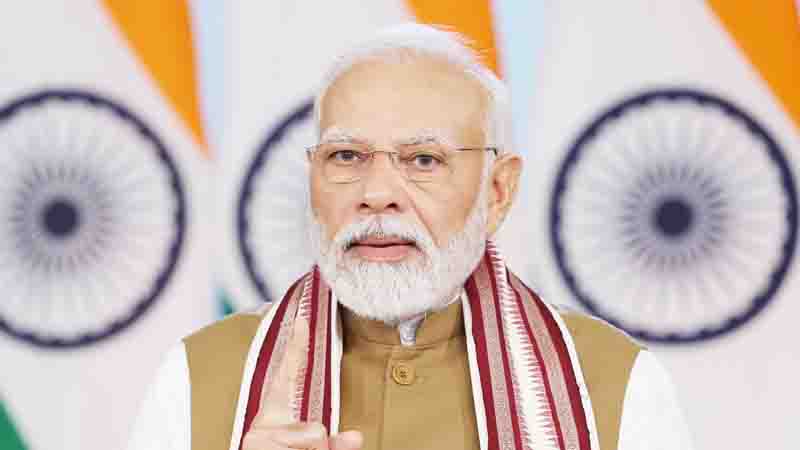
The Prime Minister, Shri Narendra Modi addressed the Madhya Pradesh Rozgar Mela via video link today.

Addressing the gathering, the Prime Minister said that those getting their appointment letters today are joining the important responsibility of teaching in this historical period. Throwing light on his address from the Red Fort detailing the critical role of national character in the development of the nation, the Prime Minister underlined that all those getting jobs today will hold the responsibility of molding the future generations of India, modernizing them and giving them a new direction. He extended his best wishes to the more than five and a half thousand teachers appointed in the primary schools of Madhya Pradesh today during this Rozgar Mela. The Prime Minister also informed that about 50 thousand teachers have been recruited in the state of Madhya Pradesh in the last 3 years and congratulated the state government for this feat.

Noting that the new recruits will play a key role in the implementation of the National Education Policy which has a huge contribution in proving the resolve of a developed India, the Prime Minister emphasized that equal importance has been given to traditional knowledge as well as future technology. He mentioned that a new curriculum has also been prepared in the field of primary education, while progress has been made regarding education in the mother tongue. Highlighting the great injustice caused by not imparting education in the mother tongue to students who did not know English, the Prime Minister informed that the present government is now giving emphasis on books in regional languages in the syllabus which will become the basis of a big change in the education system of the country.

“When decisions are made with positive thinking, right intention, and full integrity, the whole environment gets filled with positivity”, the Prime Minister remarked as he highlighted two positive news that has come in the first year of Amrit kaal namely decreasing poverty and increasing prosperity in the country. Firstly, the Prime Minister said, it has come in the report of NITI Aayog that within just 5 years, 13.5 crore Indians in India have come above the poverty line. Secondly, the Prime Minister threw light on another report about the number of income tax returns filed this year which indicates a huge increase in the average income of the people in the last 9 years. According to ITR data, the Prime Minister said that the average income which was around Rs 4 lakhs in 2014 has increased to Rs 13 lakhs in 2023. He stated that the number of people moving from the lower-income group to the upper-income group has also increased. The Prime Minister asserted that these figures assure increasing employment opportunities and strengthening of every sector of the country along with increasing enthusiasm.

Referring to the new figures of income tax returns, the Prime Minister noted the continuously increasing trust of the citizens of the country in their government. Due to this, the Prime Minister said, the citizens are coming forward in large numbers to pay their taxes honestly as they know that every penny of their tax is being spent for the development of the country, and it is evident to them that the economy which was at number 10 before 2014 has reached number 5. The Prime Minister also pointed out that the citizens of the country cannot forget the era before 2014 which was marred by scams and corruption where the rights of the poor were robbed even before reaching them. “Today, all the money entitled to the poor is directly reaching their account”, the Prime Minister added.

The Prime Minister noted that the result of stopping the leakage from the system enabled the government to increase spending on the welfare of the poor. He also underlined that the investment made on such a large scale has created employment in every nook and corner of the country and gave the example of the Common Service Center. He informed that 5 lakh new common service centers have been set up in the villages since 2014, and every such center is providing employment to many people today. “This means welfare of the poor and the villages as well as creation of employment opportunities”, he added.

The Prime Minister emphasized that work is being done today in the field of education, skill development and employment with far-reaching policies and decisions. Mentioning the announcement of the PM Vishwakarma Yojana from Red Fort during his address on Independence Day, the Prime Minister said that the scheme is a reflection of this vision. He stated that the PM Vishwakarma Yojana has been formulated to adapt the traditional skills of the Vishwakarmas to the needs of the 21st century. Shri Modi informed that about 13 thousand crore rupees will be spent on this and it will benefit those associated with 18 different types of skills. The Prime Minister underlined that the scheme will benefit the section of society whose importance was discussed but no concerted effort was ever made to improve their condition. Under the Vishwakarma scheme, the Prime Minister said that vouchers will also be given to the beneficiaries to buy modern tools along with training. “The youth will get more opportunities to enhance their skills through PM Vishwakarma”, the Prime Minister added.

Concluding the address, the Prime Minister said that those becoming teachers today have reached here through hard work and urged them to continue the learning process. He highlighted the online learning platform – IGoT Karmayogi prepared by the government and urged the recruits to try and take maximum advantage of this facility.

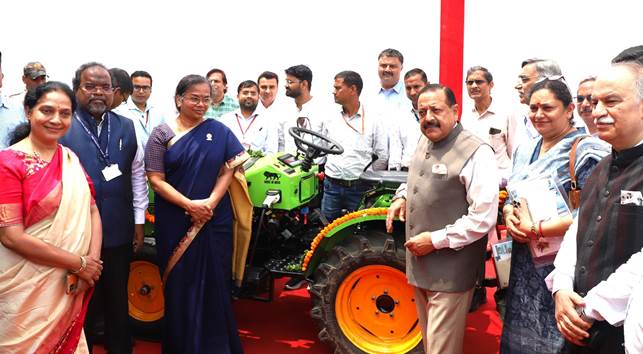
Dr Jitendra Singh launches the CSIR Prima ET11

| Published on:

Launching the CSIR Prima ET11, the first indigenous e-Tractor developed by the Central Mechanical Engineering Research Institute (CMERI), Durgapur, Union Minister of State (Independent Charge) Science & Technology; MoS PMO, Personnel, Public Grievances, Pensions, Atomic Energy and Space, Dr Jitendra Singh today underlined the role of Agri StartUps in India’s economy and called for the adoption of new and AI driven technologies in Agriculture.

The Minister said, an increasing number of new Startups are venturing into the Agriculture sector, focussing on niche technologies including e-Tractor, recycling garbage, drip irrigation, Genome sequenced farming such as Mango and Lotus, he said.

“This is one sector in which India has rather not taken up the pace that was required,” said Dr Jitendra Singh, adding, “This is a huge unexplored resource, which is only exclusive to India. Those countries which had been promoting IT, have been promoting from their point of view because they have their assets; they don’t have the agri asset that we have. So we don’t have to ape them. If I have plenty of agriculture resource, why not I make use of it… Therefore, this route would be a very important component in India’s future economy in the next 25 years.”

Dr Jitendra Singh gave the mantra of 5 S’s, – Showcasing, Stakeholders, Startups, Synergizing and Strategizing Industry linkage, for the success of R&D conducted at Government run scientific laboratories.

“Unless we are able to engage all these five components, we will not be able to achieve the optimum results,” he said.

Calling for an integrated approach, Dr Jitendra Singh advocated close interaction with all stakeholders including the concerned Ministries and wider linkages between the CSIR labs and the Industry. The S&T Minister proposed the creation of a separate cell for encouraging investment.

“In order to sustain yourself, you have to have the involvement of Industry right from Day One,” he said. “We have an Industry which is ready to invest, but they don’t know where and how to invest,” he added.

Dr Jitendra Singh said, the Government led by Prime Minister Shri Narendra Modi has created in the last nine years new means of livelihood by opening Ease of Doing Business in the Agriculture sector.

“We have a very enabling atmosphere and an enabling leadership, which is quite patronising,” he said, adding, “PM Modi has not only given us the freedom to perform to our full potential and aptitude, but he has also raised the esteem of science and the scientists.”

Dr Jitendra Singh said PM Modi has stressed the Agriculture sector will have a defining role in the Amrit Kaal as India aims to emerge as a Developed Nation.

“In the next 25 years, there is an emphasis on Livelihood opportunities outside Government jobs, this Agri sector is not only going to be an important part of the economy, it’s also going to be an important part of vocation for the youth,” he said.

On the occasion, Dr Jitendra Singh released a book by CSIR-CIMAP and a compendium on 75 technologies developed by CSIR. The Minister took keen interest in the CMERI developed recycling vehicles and products.

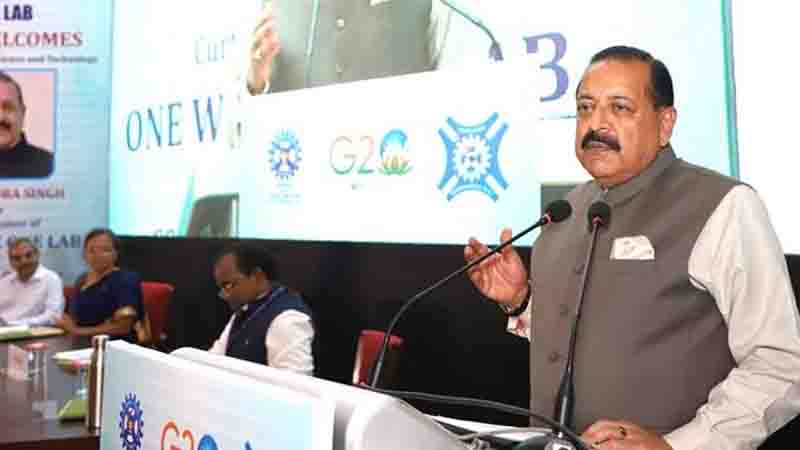
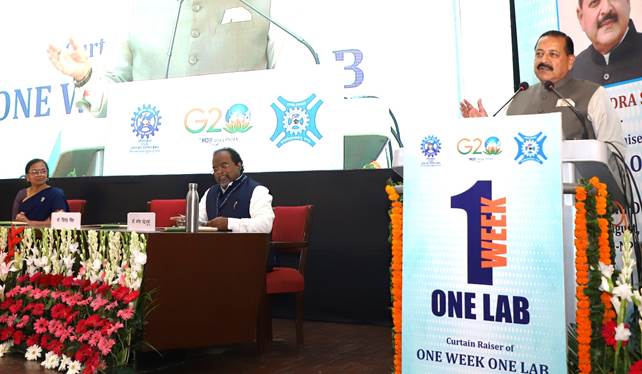
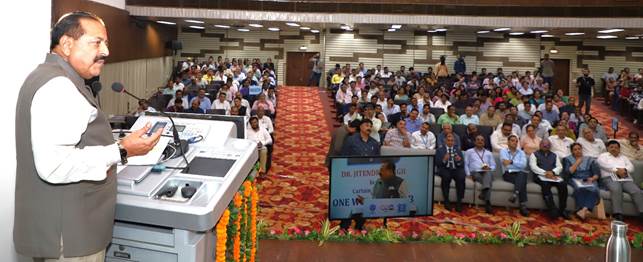
The CSIR-CMERI will be celebrating the theme-based campaign “One Week One Lab” from 11-15 September 2023, showcasing the laboratory’s cutting-edge research, products and technologies, expertise and facilities to various stakeholders.

PM addresses G20 Digital Economy Ministers’ Meet

| Published on:

The Prime Minister, Shri Narendra Modi addressed the G20 Digital Economy Ministers’ Meet held in Bengaluru via video message today.

Addressing the gathering, the Prime Minister welcomed the dignitaries to the city of Bengaluru – the home to Science, Technology and the spirit of entrepreneurship, and stated that there can be no better place than this to discuss digital economy.

The Prime Minister credited the launch of the Digital India initiative in 2015 for the unprecedented digital transformation that has taken place in India over the last 9 years. He underlined that India’s digital transformation is powered by its unshakeable belief in innovation and its commitment to speedy implementation while also being motivated by the spirit of inclusion where no one is left behind.

Highlighting the scale, speed and scope of this transformation, the Prime Minister mentioned India’s 850 million internet users who enjoy some of the cheapest data costs in the world. Shri Modi touched upon leveraging technology to transform governance and make it more efficient, inclusive, faster and transparent and gave the example of Aadhaar – India’s unique digital identity platform covering more than 1.3 billion people. He mentioned the JAM trinity- Jan Dhan bank accounts, Aadhaar, and Mobile that have revolutionized financial inclusion and the UPI payment system where nearly 10 billion transactions take place every month, and 45% of the global real-time payments happen in India. The Prime Minister also threw light on the Direct Benefits Transfer plugging leakages in the system and saving over 33 billion dollars. Referring to the CoWIN portal that supported India’s Covid vaccination drive, the Prime Minister informed that it helped in the delivery of over 2 billion vaccine doses along with digitally verifiable certificates. Shri Modi also touched upon the Gati-Shakti platform that uses technology and spatial planning to map infrastructure and logistics, thereby assisting in planning, reducing costs, and increasing the speed of delivery. The Prime Minister further highlighted the Government e-Marketplace, an online public procurement platform that has brought transparency and probity into the process, and the Open Network for Digital Commerce which is democratizing e-Commerce. “Fully digitized taxation systems are promoting transparency and e-governance”, he added. The Prime Minister also mentioned the development of Bhashini, an AI-powered language translation platform that will support digital inclusion in all the diverse languages of India.

“India’s Digital Public Infrastructure offers scalable, secure and inclusive solutions for global challenges”, the Prime Minister remarked. Noting the incredible diversity of the country, the Prime Minister emphasized that India has dozens of languages and hundreds of dialects. He further added that it is home to every religion and innumerable cultural practices from around the world. “From ancient traditions to the latest technologies, India has something for everyone”, the Prime Minister asserted. With such diversity, he continued, India is an ideal testing lab for solutions. He underlined that a solution which succeeds in India can be easily applied anywhere in the world. The Prime Minister made evident that India is ready to share its experiences with the world and gave the example of the CoWIN platform being offered for global good during the Covid pandemic. He underlined that India has created an online Global Public Digital Goods Repository – the India Stack to ensure that no one is left behind, especially those from the Global South.

The Prime Minister expressed satisfaction that the working group is creating a G20 virtual Global Digital Public Infrastructure Repository and underlined that progress on Common Framework for Digital Public Infrastructure will help create a transparent, accountable, and fair digital ecosystem for all. He also welcomed the efforts to develop a roadmap to facilitate Cross Country Comparison of Digital Skills and setting up a Virtual Centre of Excellence on Digital Skilling. He said that these are important efforts to meet the needs of a future-ready workforce. Noting that the digital economy will face security threats and challenges as it spreads globally, the Prime Minister pointed out that it is important to build consensus on the G20 High-Level Principles for a Secure, Trusted, and Resilient Digital Economy.

“Technology has connected us like never before. It holds the promise of inclusive and sustainable development for all”, the Prime Minister remarked as he emphasized that G20 nations have a unique opportunity to lay the foundations for an inclusive, prosperous, and secure global digital future. He noted that financial inclusion and productivity can be advanced through Digital Public Infrastructure. He suggested promoting the use of digital technology by farmers and small businesses, establishing the framework to build a global digital health ecosystem, and developing a framework for the safe and responsible use of Artificial Intelligence. Shri Modi emphasized that an entire ecosystem of technology-based solutions can be built to address the challenges faced by humanity. “All it needs from us are the four C’s – Conviction, Commitment, Coordination, and Collaboration”, the Prime Minister concluded as he expressed confidence that the working group will take us forward in that direction.

India’s economy shines as a beacon of hope in these challenging times: PM

| Published on:

Commenting on a collection of articles and infographics by the Moneycontrol website regarding reasons for optimism for India, the Prime Minister, Shri Narendra Modi reaffirmed  the robust growth and resilient spirit of the Indian economy.

The Prime Minister posted on X :

“India’s economy shines as a beacon of hope in these challenging times. With robust growth and resilient spirit, the future looks promising. Let us keep this momentum and ensure prosperity for 140 crore Indians!”

FM chairs a review meeting on growth and development of GIFT-IFSC at GIFT City, Gandhinagar

| Published on:

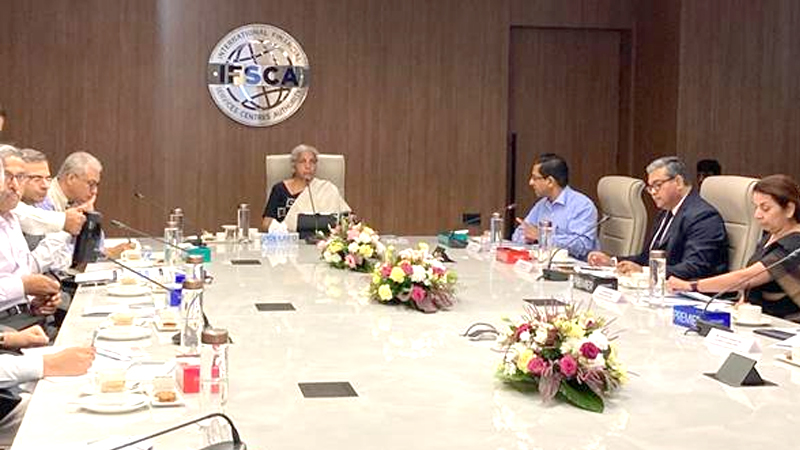
Union Minister for Finance & Corporate Affairs Smt. Nirmala Sitharaman chaired a review meeting, along with a team of Secretaries from the Ministry of Finance and Ministry of Corporate Affairs, on the development and growth of India’s maiden International Financial Services Centre (IFSC) at GIFT City, Gandhinagar, here today.

The visit, organised by GIFTCL in collaboration with the State Government of Gujarat, saw the presence of Shri Kanubhai Desai, Minister of Finance, Energy & Petrochemicals, Government of Gujarat besides Chief Secretary, Government of Gujarat, and other senior officials of the state. All Indian financial sector regulators also participated in the review meeting.

Presentations were made by Chairman GIFT City, Chairman, International Financial Services Centre Authority (IFSCA) and officials of the Government of Gujarat on important milestones and achievements in the journey of India’s maiden IFSC in the past few years, especially since the inception of IFSCA, along with various policy support and incentives extended by the Government.

During the review meeting, the Union Finance Minister emphasised on the need for all stakeholders to recognise and support the identified pathways to elevate GIFT City as a premier financial hub so that it stands out as the best among its contemporaries on the global scale.

Smt. Sitharaman further said that as envisioned by Prime Minister Shri Narendra Modi, GIFT City should emerge not only as a lively international centre but also as a global leader in devising solutions to intricate financial challenges, especially in the climate of the current global economic headwinds.

The Union Finance Minister underlined that since GIFT IFSC has been recognised as a fast-moving International Financial Centre, priorities should be set out for attracting more and more business and creating large-scale investment.

Smt. Sitharaman exhorted both IFSCA and IRDAI to proactively engage with leading global insurance companies to establish GIFT as a premier global hub for insurance and reinsurance.

Union Finance Minister also emphasised on using maximum potential of Indian International Bullion Exchange IFSC (IIBX) in ensuring disintermediation and efficient price discovery and asked RBI to pilot the import of TRQ gold under UAE CEPA through IIBX, which can pave the way for Indian banks efficiently using the IIBX platform.

Smt. Sitharaman mentioned that sunrise niche areas such as logistics for precious metals, global insurance, aircraft-and-ship leasing should expand the portfolio of services provided out of GIFT city.

The Union Finance Minister appreciated swift actions in streamlining approvals and accelerating infrastructure development, especially to the two Australian universities in line with the Budget 2022-23 announcements. This has helped in garnering interest from numerous global universities in the GIFT-IFSC.

The introduction of amenities such as a central park and food courts has notably enhanced the vibrancy and appeal of GIFT City, Smt. Sitharaman added.

Union Finance Minister also asked that the Direct Listing of Indian shares on IFSC exchanges already approved by the Government of India must be advocated amongst relevant stakeholders.

With reference to making GIFT City as the global hub for accounting and financial back-office functions, Smt. Sitharaman noted that a comprehensive legal framework, catering to accounting, auditing, and taxation professionals, will soon be in place to enable them to provide the services to the world. Additionally, the Union Minister urged all financial sector regulators to collaborate in stimulating business activities in GIFT-IFSC.

Later, the Union Finance Minister visited IFSCA Headquarters in GIFT City and addressed the members of the IFSC Authority along with Secretaries of the Ministry of Finance and Ministry of Corporate Affairs.

The Union Finance Minister commended all members for their contributions to IFSC’s journey thus far and emphasised the importance of sustained efforts to cultivate a favourable environment, and position GIFT-IFSC as a leading global financial gateway.

Government to set up Bureau of Port Security soon: Sarbananda Sonowal

| Published on:

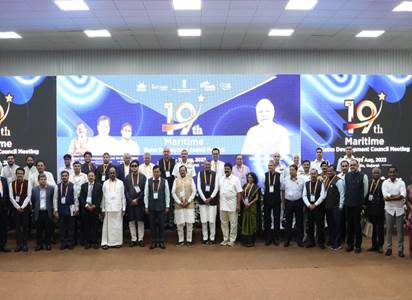
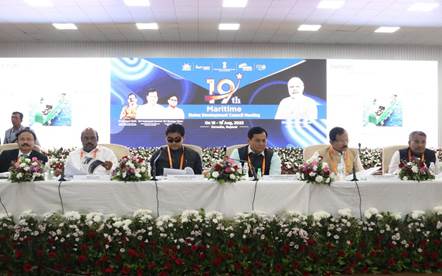
The Union Minister for Ports, Shipping and Waterways (MoPSW), & AYUSH, Shri Sarbananda Sonowal unveiled a vision for India’s maritime sector, outlining key initiatives that promise a transformative impact tt the 19th Maritime States Development Council meeting today in Kevadia, Gujarat.


Shri Sonowal spotlighted that the Government will soon put together the Bureau of Port Security towards upgrading security across all the ports in the country. He also highlighted the Government’s focus on sustainable development and shared about the Ministry’s ambitious plan to develop Hydrogen Hubs across the Central Government and State Government ports. He said, “All Central Government and State Government ports will explore the possibility of creating Hydrogen Hubs.” He added that Deendayal Port Authority has already finalised MoUs worth Rs 1.68 lakh crore for this venture.


In addition, Shri Sonowal announced, emphasising the country’s commitment to quadrupling its port capacity under the Amrit Kaal Vision for Ports. He underlined that all major ports have prepared their Port Master Plans for 2047, and states are also getting their Port Master Plans for 2047 ready. “The total country’s Port capacity will increase from existing around 2,600 MTPA to more than 10,000 MTPA in 2047,” he said.


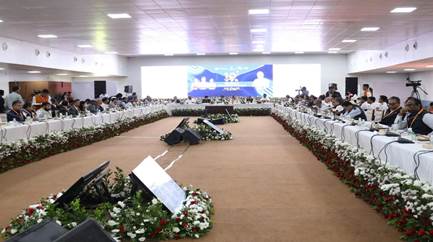
The two-day 19th Maritime State Development Council meeting at Kevadia, Gujarat, organised by the Ministry of Ports, Shipping and Waterways to enhance better coordination between major and notified ports, State Maritime Boards, State Governments and Union Territories (UTs) concluded today. MSDC is an apex advisory body constituted in May 1997 to develop the Maritime Sector. It aims to ensure the integrated development of Major and other notified ports.

Shri Sonowal added, “Under the leadership of Prime Minister Shri Narendra Modi, MoPSW is marking new achievements. He always believes in better cooperation, and the Maritime States Development Council emerges as a critical mechanism of cooperation and plays a pivotal role in shaping the trajectory of our Nation’s maritime sector.”

The Minister also alluded to India’s growing maritime stature and the upcoming Global Maritime India Summit 2023. The Union Minister announced that all maritime states and Union Territories will participate in the GMIS 2023, making it one of the largest summits in the country. Global Maritime India Summit 2023 is scheduled to be held at Bharat Mandapam, New Delhi, from 17th-19th October 2023. GMIS 2023 is a premier maritime sector-focused event to bring together pivotal figures from the industry to explore opportunities, understand challenges, and stimulate investment within India’s maritime sector. Building upon the legacy of its preceding editions of 2016 and 2021, this third edition of the summit aims to unveil broader prospects for domestic and international maritime stakeholders and investors. Delegates from more than 100 countries are expected to participate in the summit with exhibitors and investors from various domains of the maritime sector.

Besides, the Minister underscored that the country’s maritime sector is currently poised for substantial growth, with investment opportunities identified to be more than 10 lakh crore. He stressed that this burgeoning financial prospect is more than an economic boom; it symbolises an opportunity to generate employment for over 15 lakh youths in the country, intertwining economic advancement with social empowerment. In alignment with this vision, the role of private players is being progressively augmented, with Public-Private Partnership (PPP) terminals currently handling about 50% of the cargo at major ports and efforts underway to raise their share to approximately 85% in the coming decades. This strategic move towards privatisation is expected to enhance efficiency and facilitate the scaling of operations. Furthermore, there is a discernible focus on enhancing cargo movement on India’s National Waterways, which witnessed a 16% year-on-year increase in the last fiscal year. Ambitious targets have been set to achieve a substantial quantum of 500 MTPA by 2047, underlining the government’s commitment to leveraging the maritime sector as a catalyst for comprehensive national growth.

Shri Sonowal alluded to the Sagarmala Programme, noting that over the past eight years, the strategic initiatives of the Sagarmala Programme have significantly enhanced port capacity, connectivity, and operational efficiency, driving down costs, shortening vessel turnaround times, accommodating larger ships, and elevating the strategic relevance of Indian ports in the South Asian region. Shri Sonowal encouraged all Coastal States and Union Territories Governments to offer unwavering support to MoPSW, Ministry of Road Transport and Highways and Ministry of Railways in expediting these vital projects.

While addressing the gathering, Shri Shripad Naik, Union Minister of State, MoPSW, said, “A steadfast emphasis should be placed on embracing new-age technologies, fostering sustainable living practices, and ensuring environmental safety. By diligently addressing these key aspects, we can collectively contribute to the holistic betterment of our coastal populations.”

Shri Shantanu Thakur, Union Minister of State, MoPSW, said, “The Indian maritime sector assumes unparalleled importance as a cornerstone of our nation’s economy, security, and strategic advancement. Furthermore, due to our expansive coastline, this sector supports coastal livelihoods and nurtures sustainable development. Its resilient infrastructure bears multifaceted significance in propelling India’s journey towards excellence both domestically and internationally.”

Raghavji Patel, Ministry of Agriculture, Government of Gujarat, stated “In Gujarat, our commitment to sustainable growth in the maritime sector drives innovation and prosperity, charting a course towards a vibrant maritime future for India”. He further added, “Let’s sail together towards a sustainable and prosperous maritime sector, elevating India’s maritime prowess to new horizons.”

Shri Mankal Vaidya, the Minister of State for Fisheries, Ports, and Inland Water Transport, Karnataka, emphasized on the importance of collaborative efforts in developing Karnataka’s maritime sector during the meeting. He said “I express gratitude for the approval of key projects and urged swift approvals for pending initiatives to boost cargo handling capacity and maritime development in the state.”

Expressing his thoughts, the Minister for Public works, Tamil Nadu, Thiru EV Velu stated “Tamil Nadu’s unique coastal vision shines at the 19th MSDC meeting. We’re grateful for the support and eagerly anticipate the International Passenger Ferry service, bridging history and trade with Sri Lanka. Our commitment to marine planning, Coastal Tourism, and the Cuddalore Greenfield port underscores our dedication to maritime growth.”

On Day Two discussions were made upon the various development agendas related to the implementation of Sagarmala Programme; Development of National Maritime Heritage Complex (NMHC), Lothal, Gujarat; Development of National Waterways; Challenges and opportunities for promotion of RoPax/ Ferries; Urban Passenger Waterways Transportation; Road & Rail port connectivity; Success stories of Coastal States & UTs and Issues/ Challenges faced by State Maritime Boards.

PM addresses G20 Health Ministers’ Meeting

| Published on:

The Prime Minister, Shri Narendra Modi addressed the G20 Health Ministers’ Meet held in Gandhinagar, Gujarat via video message.

Addressing the gathering, the Prime Minister welcomed dignitaries on behalf of 2.1 million doctors, 3.5 million nurses, 1.3 million paramedics, 1.6 million pharmacists and millions of others involved in the healthcare sector in India.

Referring to the father of the nation, the Prime Minister said Gandhiji considered health to be such an important issue that he wrote a book titled ‘Key to Health’ on the subject. He said that to be healthy is to have one’s mind and body in a state of harmony and balance, meaning that health is the very foundation of life.

The Prime Minister also recited a Sanskrit ‘shloka’ that meant: ‘Health is ultimate wealth and with good health every task can be accomplished’.

The Prime Minister underlined that the Covid-19 pandemic has reminded us that health should be at the center of our decisions. He said that time also showed us the value of international cooperation, whether in medicine and vaccine deliveries or in bringing our people back home.

Highlighting Government of India’s humanitarian initiative to provide COVID-19 vaccine to the world, the Prime Minister said under the Vaccine Maitri initiative, India delivered 300 million vaccine doses to more than 100 countries, including many in the Global South.

Calling resilience one of the biggest lessons during the pandemic, the Prime Minister said Global Health Systems should be resilient. We must be ready to prevent, prepare, and respond to the next health emergency. This is especially important in today’s interconnected world. As we saw during the pandemic, health issues in one part of the world can affect all other parts of the world in a very short time.

“In India, we are following a holistic and inclusive approach,” the Prime Minister remarked. He said we are expanding health infrastructure, promoting traditional systems of medicine, and providing affordable healthcare to all. The global celebration of the International Day of Yoga is testament to the universal desire for holistic health. This year, 2023 is being marked as the International Year of Millets. Millets or ‘shri anna’ as they are known in India, have several health benefits.

The Prime Minister said we believe that holistic health and wellness can help enhance everyone’s resilience. The establishment of WHO Global Centre for Traditional Medicine in Jamnagar, Gujarat is an important step in this direction. And, the holding of WHO Global Summit on Traditional Medicine along with G20 Health Ministers meeting will intensify efforts to harness its potential. It should be our joint effort to build a global repository of traditional medicine.

Underlining that health and environment are organically linked, the Prime Minister said clean air, safe drinking water, sufficient nutrition, and secure shelter are major factors of health. He congratulated the dignitaries for the steps they have taken towards the launch of the Climate and Health Initiative. He said the steps taken to address the threat of Anti-Microbial Resistance (AMR) are also commendable.

The Prime Minister said AMR is a grave risk to global public health and all pharmaceutical advancements so far. He expressed happiness that the G20 Health Working Group has prioritized ”One Health”. Our vision of ”One Earth, One Health” that envisages good health for the entire ecosystem – for humans, animals, plants, and the environment. He said this integrated view carries Gandhiji’s message of not leaving anyone behind.

Highlighting the importance of public participation as a key factor in the success of health initiatives, the Prime Minister said it was one of the main reasons for the success of our leprosy eradication campaign. He said our ambitious programme on TB elimination also encourages public participation. He said we have called upon the people of the country to become ‘Ni-kshay Mitra’, or ‘Friends for eradication of TB’ under which nearly 1 million patients have been adopted by citizens.

“Now, we are on our way to achieve TB elimination well ahead of the global target of 2030,” the Prime Minister asserted.

Emphasizing the role of digital solutions and innovations in making healthcare accessible to all, the Prime Minister said they are a useful means to make our efforts equitable and inclusive as patients from far and wide can receive quality care through tele-medicine. He praised e-Sanjeevani, India’s national platform, saying that it has facilitated 140 million tele-health consultations to date.

The Prime Minister said India’s COWIN platform successfully facilitated the largest vaccination drive in human history. He said it managed the delivery of more than two point two billion vaccine doses, and real-time availability of globally verifiable vaccination certificates. Global Initiative on Digital Health will bring together various digital health initiatives on a common platform.

“Let us open our innovations for public good. Let us avoid duplication of funding. Let us facilitate equitable availability of technology,” the Prime Minister gave a clarion call. He said this initiative will allow countries in the Global South to close the gap in health-care delivery and will take us one step closer to our goal of achieving Universal Health Coverage.

The Prime Minister concluded his speech with an ancient Indian wish for humanity in Sanskrit which translates to , ‘May all be happy, may all be  free from illness’. I wish you success in your deliberations.’

PM speaks with President of the Islamic Republic of Iran

| Published on:

Prime Minister Shri Narendra Modi had a telephone conversation today with H.E. Dr Seyyed Ebrahim Raisi, President of the Islamic Republic of Iran. The two leaders discussed matters of bilateral and regional importance.

Prime Minister highlighted that India- Iran relationship is underpinned by close historic and civilizational connections, including strong people to people contacts.

The two leaders reiterated their commitment to further strengthen bilateral cooperation including to realize the full potential of Chabahar Port as a connectivity hub.

The two leaders also discussed cooperation at multilateral forums including expansion of BRICS and looked forward to their meeting on the margins of forthcoming BRICS summit in South Africa.

Union Home Minister plants the 4 Croreth tree under the All-India Tree Plantation Campaign

| Published on:

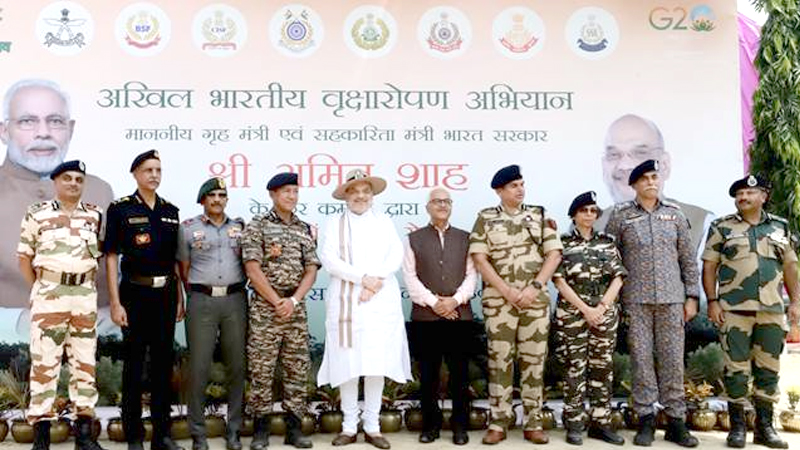
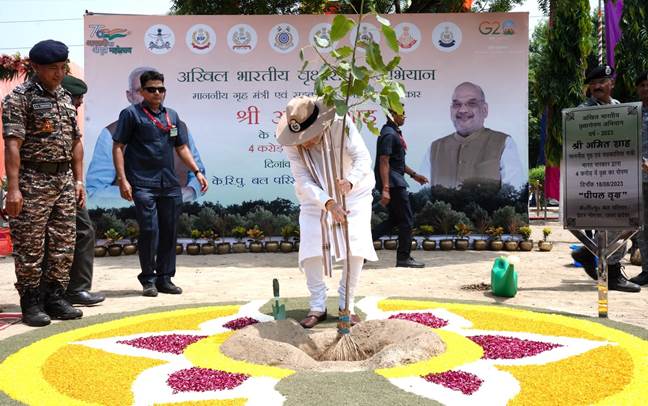
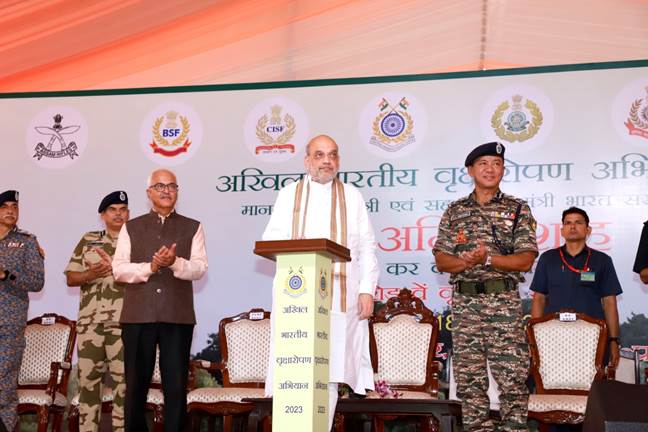
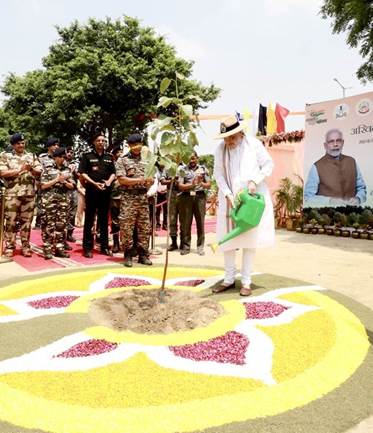
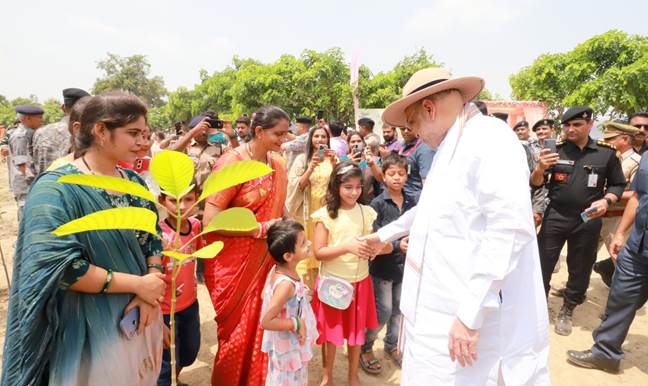
Union Home Minister and Minister of Cooperation, Shri Amit Shah, planted the 4 Croreth tree under the All-India Tree Plantation Campaign of the Ministry of Home Affairs at the CRPF Group Center in Greater Noida, Uttar Pradesh, today.


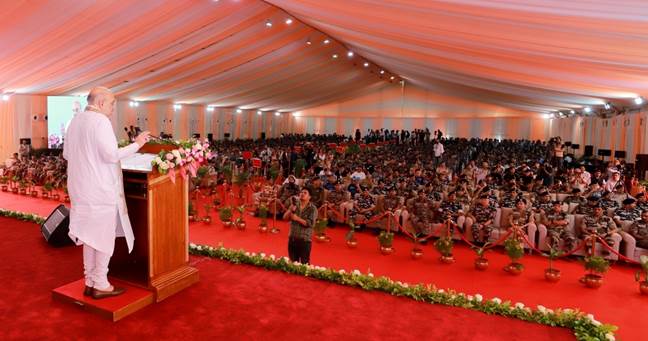
Shri Amit Shah also inaugurated 15 newly constructed buildings, built at a cost of Rs. 165 crores, across 8 different campuses of the Central Reserve Police Force (CRPF). These include, construction of 220 family accommodations at 102 Rapid Task Force at a cost of Rs. 57 crores, construction of a 50-bed hospital in Group Center, Raipur at a cost of Rs. 17 crores, administrative building, quarter guard and parade ground at Recruit Training Center Jodhpur at a cost of Rs. 16 crores, construction of a 240-men barrack in Group Center Raipur built at a cost of Rs. 11 crores, and construction of hospitals, gyms, mess, sewage treatment plants, canteens, etc. in various parts of the country. Several dignitaries including the Union Home Secretary and Director Generals of CRPF, CISF, NSG, NDRF, ITBP, SSB, BSF, and Assam Rifles were present on the occasion.


In his address, Shri Amit Shah said that today is a significant day for all Central Armed Police Forces (CAPFs). He added that three years ago, it was resolved that by December 2023, we would plant 5 crore trees and after gap filling, once they have grown bigger, we will dedicate them to the world. Shri Shah expressed confidence that the goal of planting 5 crore trees by December 2023 will be achieved. He remarked that to turn this seemingly impossible task into a reality, all the personnel of our CAPFs and their families embraced it as a challenge, regarded the trees as their friends, and dedicated time to care for them. He said that with the planting of 40 millionth sapling today, that too of Peepal, the contribution of all CAPFs in making the earth greener will forever be remembered. This campaign will write a new saga of sensitivity of CAPFs towards conservation of earth and climate change along with bravery. He stated that the target for planting 1 crore 50 lakh saplings this year is in progress, and a total of 4 crore saplings have been planted till today and the goal of planting 5 crore trees to be achieved very soon.

Union Home Minister said that today is the birth anniversary of Param Vir Chakra awardee Lieutenant Colonel AB Tarapore, who not only made the supreme sacrifice for the security of the country but also set an excellent example by valorously leading from the front and boosting everyone’s morale. Shri Shah said that Prime Minister Shri Narendra Modi has immortalized the memory of Lieutenant Colonel AB Tarapore by naming an island in Andaman-Nicobar after him, ensuring that he remains alive in the hearts and minds of the people forever.

Shri Amit Shah said that ‘All India Tree Plantation Campaign’ to plant 5 crore trees is like a Mahakumbh of environmental protection. He added that the personnel of all our CAPFs have always stood steadfastly to ensure the country’s internal security and safeguard its borders with their courage, sacrifice, dedication, and hard work. Apart from ensuring the country’s internal security, disaster management, border security and ensuring public facilities to the first villages located on the borders, CAPFs are now doing unprecedented work towards environmental protection through tree plantation drive. He said that whether it is natural disasters or pandemics like COVID-19, our CAPFs have shown unwavering commitment to stand by the people in every crisis without hesitating to risk their lives. Shri Shah added that through the Vibrant Village Program, our CAPFs are ensuring that public service and facilities are made available to our first villages situated on the country’s borders. He said that now another dimension has been added, wherein our CAPFs have made consistent efforts in environmental protection by planting and nurturing 4 crore trees, and will achieve the target to plant 5 crore trees by December this year. Shri Shah added that it will be a biggest contribution by a security-related agency towards environmental conservation, globally. He said that all the CAPFs together have planted 4 crore trees, and the officials of Ministry of Home Affairs have overseen the program at various levels. All the DGs of all CAPFs have shown commitment to this program, and it has been wholeheartedly embraced at the platoon and sector levels. In several places, protective fences and nets were installed to safeguard the saplings, and trenches were dug to ensure their survival. He added that due to all these efforts, 4 crore trees are making the Earth greener, now.

Union Home Minister and Minister of Cooperation said that environmental protection is possible only by planting trees, a tree planted today will provide oxygen to many future generations. He added that with the increasing pollution, the ozone layer is being damaged, and as a result, in the future, solar rays will directly impact the Earth, due to which the earth will not remain safe for human life. He said that the only way to prevent such a scenario is by planting as many trees as possible and reducing the emission of carbon dioxide. Shri Shah added that two factors were considered when planting trees. First, the trees being planted should have a long lifespan, and second, they should be able to provide maximum oxygen, such as Peepal, Banyan, Neem, Jamun, and others. He said that these trees emit oxygen ranging from 60-100% and will contribute towards conservation of earth for years.

Shri Amit Shah said that Prime Minister Shri Narendra Modi has worked towards developing and making India Aatmnirbhar in various sectors, thereby strengthening the country’s position in the world. He added that our heritage and culture has always promoted environmental protection, and through our sentiments and actions, we have always ensured conservation of environment. He highlighted that Prime Minister Shri Narendra Modi has made India a front-runner in the fight against climate change and global warming through the Green Initiative. Shri Shah said that for this reason, “Vasudhaiva Kutumbakam”- One Earth, One Family, One Future, has been adopted as the mission statement of G-20. He added that India, along with France, initiated the International Solar Alliance, a project that aims to create One Sun, One World, One Grid. Many countries are now participating and contributing in this alliance. It is a significant achievement of the union government under the leadership of Prime Minister Shri Narendra Modi. Home Minister said that through the Lifestyle Style for Environment (LiFE) Mission initiative, Prime Minister Modi has put forth our traditional way of life to the world as a means to save the Earth. He added that the world is now following these initiatives, and it is because of these efforts that the United Nations honoured Prime Minister Shri Narendra Modi with the ‘Champions of Earth’ award, recognising his commitment to sustainable development.

Union Home Minister mentioned that India has also explored new methods to reduce single-use plastics. He added that through the Swachh Bharat Abhiyan, Prime Minister Shri Narendra Modi has taken a significant step towards environmental protection. He said that initially, only 39% of households in the country had toilets, but now, 99.9% of households have toilets, which is a remarkable achievement in our efforts towards environmental conservation. Shri Shah said that initiatives such as Net-Zero Carbon Emission, International Solar Alliance, 20% Ethanol Blending, construction of 12 modern refineries for converting bio-gas into biofuel, and the Green Hydrogen Mission are being eagerly observed by the world and are being emulated. He added that Prime Minister Shri Narendra Modi has showcased India’s commitment to environmental protection through eight crucial missions: National Solar Mission, National Mission for Enhanced Energy Efficiency, National Mission on Sustainable Habitat, National Water Mission, National Mission for a Green India, National Mission for Sustaining the Himalayan Ecosystem, National Mission for Sustainable Agriculture, and National Mission on Strategic Knowledge for Climate Change. These initiatives have re-establishing the age-old culture of environmental protection in our country.

Shri Amit Shah said that our CAPFs have planted four crore trees as part of this tree plantation campaign. When we reach the target of planting five crore trees, we will proudly showcase our sensitivity to the entire nation as CAPFs not only safeguard citizens’ lives but also work diligently for the protection of the environment. He added that today, our CAPFs have accomplished what seemed impossible. Home Minister expressed confidence that as security and valour for the nation are the ethos of CAPFs, they will also embrace tree plantation as their ethos.