PM greets everyone on Janmashtami

| Published on:

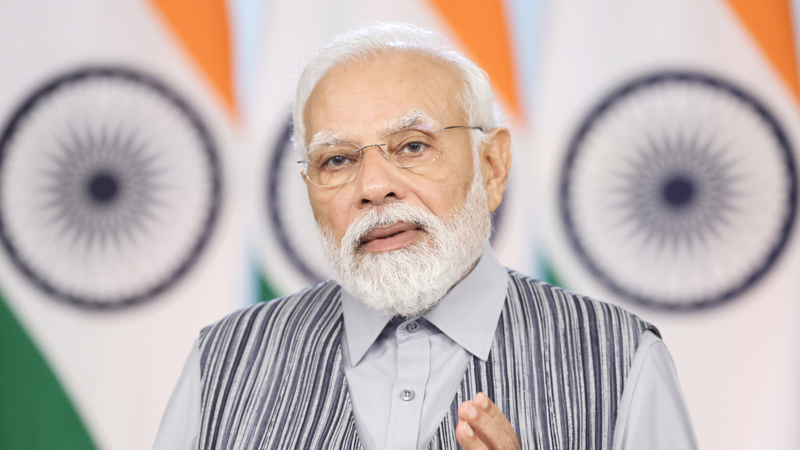
The Prime Minister, Shri Narendra Modi has conveyed his greetings on the auspicious occasion of Janmashtami today.

Shri Modi said that may this holy occasion of piety and devotion bring new joy and energy in the lives of the people.

The Prime Minister posted on X

“जन्माष्टमी की बहुत-बहुत बधाई। श्रद्धा और भक्ति का यह पावन अवसर मेरे सभी परिवारजनों के जीवन में नई ऊर्जा और नए उत्साह का संचार करे, यही कामना है। जय श्रीकृष्ण!”


PM’s departure statement ahead of his visit to Jakarta, Indonesia

| Published on:

I am travelling to Jakarta, Indonesia at the invitation of H.E. Mr. Joko Widodo to participate in the ASEAN related meetings.

My first engagement will be the 20th ASEAN-India Summit. I look forward to discussing with ASEAN leaders the future contours of our partnership, which has now entered its fourth decade. Engagement with ASEAN is an important pillar of India’s “Act East” policy. The Comprehensive Strategic Partnership entered into last year has injected new dynamism in our ties.

Thereafter, I will be attending the 18th East Asia Summit. This forum provides a useful opportunity to deliberate on issues of importance to the region including food and energy security, environment, health, and digital transformation. I look forward to exchanging views with other EAS Leaders on practical cooperation measures to collectively address these global challenges.

I warmly recall my visit to Indonesia for the G-20 Summit in Bali last year, and I am confident that this visit will further deepen our engagement with the ASEAN region.

Cabinet approves the Scheme titled Viability Gap Funding for development of BESS

| Published on:

The Union Cabinet, chaired by the Hon’ble Prime Minister approves the Scheme for Viability Gap Funding (VGF) for development of Battery Energy Storage Systems (BESS). The approved scheme envisages development of 4,000 MWh of BESS projects by 2030-31, with a financial support of up to 40% of the capital cost as budgetary support in the form of Viability Gap Funding (VGF). A watershed moment in the long list of pro-environment measures taken by the Government, the move is expected to bring down the cost of battery storage systems increasing their viability.

Designed to harness the potential of renewable energy sources such as solar and wind power, the scheme aims to provide clean, reliable, and affordable electricity to the citizens. The VGF for development of BESS Scheme, with an initial outlay of Rs.9,400 crore, including a budgetary support of Rs.3,760 crore, signifies the government’s commitment to sustainable energy solutions. By offering VGF support, the scheme targets achieving a Levelized Cost of Storage (LCoS) ranging from Rs. 5.50-6.60 per kilowatt-hour (kWh), making stored renewable energy a viable option for managing peak power demand across the country. The VGF shall be disbursed in five tranches linked with the various stages of implementation of BESS projects.

To ensure that the benefits of the scheme reach the consumers, a minimum of 85% of the BESS project capacity will be made available to Distribution Companies (Discoms). This will not only enhance the integration of renewable energy into the electricity grid but also minimize wastage while optimizing the utilization of transmission networks. Consequently, this will reduce the need for costly infrastructure upgrades.

The selection of BESS developers for VGF grants will be carried out through a  transparent competitive bidding process, promoting a level playing field for both public  and private sector entities. This approach will foster healthy competition and encourage   the growth of a robust ecosystem for BESS, attracting significant investments and generating opportunities for associated industries.

The Government of India remains committed to promoting clean and green energy solutions, and the BESS Scheme is a significant step towards achieving this vision. By harnessing the power of renewable energy and encouraging the adoption of battery storage, the government aims to create a brighter and greener future for all citizen

Union Ayush Minister calls for strengthening Ayush programmes to enhance the quality of lives of people

| Published on:

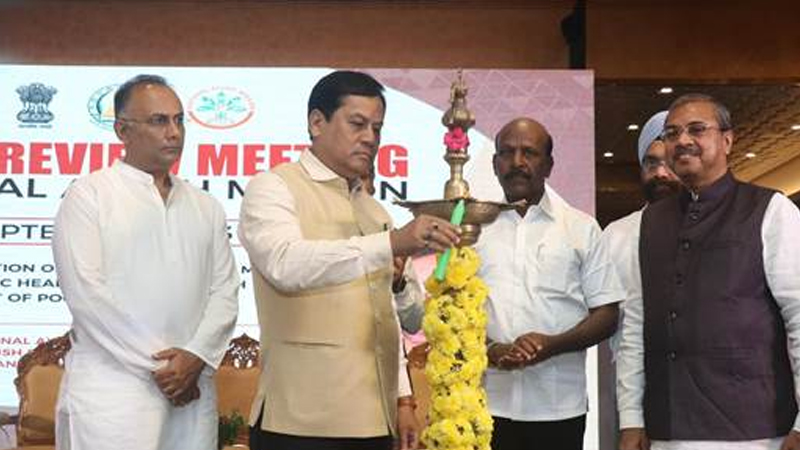
The Regional Review meeting of National Ayush Mission was ceremonially inaugurated by the Union Minister of Ayush and Ports, Shipping & Waterways, Shri Sarbananda Sonowal along with the Union Minister of State for Ayush & Women and Child Development, Dr Munjpara Mahendrabhai; Minister of Health & Family Welfare, Govt of Tamil Nadu, Thiru Ma Subramanian; Minister of Health & Family Welfare, Govt of Karnataka, Dinesh Gundu Rao; Secretary, Ministry of Ayush, Vaidya Rajesh Kotecha among other senior officials from governments of Andhra Pradesh, Telangana, Karnataka, Kerala & Tamil Nadu, UT of Puducherry, UT of Lakshadweep and Ministry of Ayush, Govt of India were present.

During the meeting, representative of all the participating states & union territories presented detailed presentations on the state of Ayush and progress of leading Ayush programmes under implementation.

Speaking on the occasion, Shri Sarbananda Sonowal said, “Our rich heritage and potential of traditional form of medicine has withstood the test of time in generations of humanity to live a better, healthier and happier life. We must take full advantage of this generous forms of medicine – be it Ayurveda, Siddha, Unani, Yoga, Naturopathy, Sowa Rigpa, or Homoeopathy. Under the visionary leadership of Prime Minister Shri Narendra Modi ji, we have been working towards scientifically integrate traditional forms of medicine with the modern medicine.”

Highlighting the utility of Ayush system of medicine the Minister further said, “Ayush has some robust programmes like Ayurvidya for promotion of healthy lifestyle through Ayush for school children; Supraja: Ayush for Maternal & Neonatal intervention; Vayomitra which is Ayush based geriatric programme; Prevention and management of Osteoarthritis and other Musculoskeletal disorders, Ayush Mobile Medical units etc. will strengthen the Ayush systems.”

The Ministry of Ayush is working on operationalisation of 12,500 Ayush Health and Wellness Centres (AHWCs) through support of State/UT Governments under National Ayush Mission (NAM) by the 2023-24. The main objectives are to establish holistic wellness model based on Ayush principles and practices, to empower masses for “self-care” to reduce the disease burden, out of pocket expenditure and to provide informed choice to the needy public. Ministry of Ayush has so far released Rs. 719.70 crores to southern states/UTs (Andhra Pradesh, Karnataka, Kerala, Lakshadweep, Puducherry, Tamil Nadu and Telangana) under NAM since 2014-15. Ministry has also supported 17 Integrated Ayush hospitals in Southern States and out of that 06 are operational as reported by themOut of 12,500 AHWCs, Ministry has already supported 2181 AHWCs in Southern States/UTs and out of that 1518 are reported functional by the them.

Speaking on the occasion, Dr Munjpara Mahendrabhai said, “I believe we have to emphasize outcomes as a more meaningful measure of programme value than output. We may have to realign our strategies and techniques to plan, execute and report our performance that facilitates measure of outcomes. I am confident that such discussions will give us an opportunity to learn from each other best practices and building a strong bonding among all of us.”

Till 2022-23, 315 Ayush Hospitals and 5,023 Ayush dispensaries have been supported for Up-gradation of infrastructure and other facilities. Financial Assistance has also been provided for 13 New Ayush Educational Institutions and 77 Under-Graduate and 35 Post-Graduate Ayush Educational Institutes have been supported for upgradation of infrastructure, Library and other things.

Under NAM, Ministry is providing support to the States/UTs including Southern States/UTs for Co-location of Ayush facilities in Primary Health Centres (PHCs), Community Health Centres (CHCs) and District Hospitals (DHs), setting up of Integrated Ayush hospitals, new Ayush Dispensaries, operationalization of Ayush Health & Wellness Centres by upgrading the existing Ayush Dispensaries and Sub-Centres, upgradation of UG & PG Ayush Education Institutes, so that the people may be able to avail the services from more Ayush healthcare facilities.

NAM is being implemented with the vision and objectives to provide Ayush health care services throughout the country by strengthening and improving facilities, to provide informed choice to the needy public. Under NAM, Ministry has also supported 02 New Ayush Educational Institutes in Karnataka and 01 Ayush Educational Institute each in Andhra Pradesh and Tamil Nadu and out of that 02 in Karnataka are functional. Till the year 2022-23, 137 Integrated Ayush Hospitals have been supported and out of that 37 are functional, 86 are under Construction and 14 in process. More than 8.42 crores people got benefitted through Ayush system of medicine through AHWC in 2022.

PM applauds as number of tap water connections reach 13 crore from 3 crore in last 4 years

| Published on:

The Prime Minister, Shri Narendra Modi has congratulated the people on number of tap water connection touching 13 crore mark from 3 crore in just 4 years. The Prime Minister said Jal Jeevan Mission is proving to be a milestone in making clean water available to people and increasing ease of life and public health.

In reply to the post by the Union Minister Shri Gajendra Singh Shekhawat, the Prime Minister posted on X :

“इस शानदार उपलब्धि के लिए बहुत-बहुत बधाई! ग्रामीण भारत के मेरे परिवारजनों तक पीने का शुद्ध पानी पहुंचे, इस दिशा में ‘जल जीवन मिशन’ मील का पत्थर साबित होने जा रहा है। यह ना सिर्फ उनकी परेशानियों को दूर करने में मददगार बना है, बल्कि उनके बेहतर स्वास्थ्य को भी सुनिश्चित कर रहा है।”

India’s knowledge tradition professes the principles of liberty, fraternity & world peace: Rajnath Singh

| Published on:

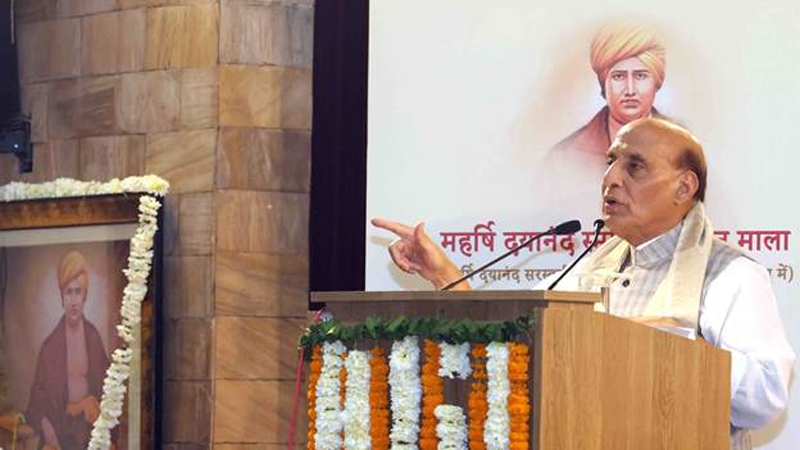
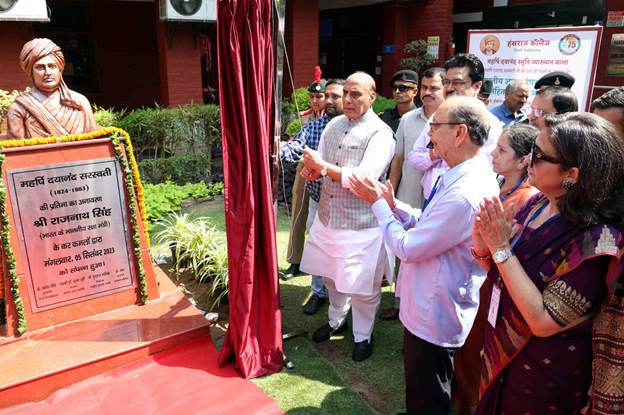
Indian knowledge tradition is one of the oldest in the world and it professes the principles of liberty, equality, fraternity, and world peace. This was stated by Raksha Mantri Shri Rajnath Singh while delivering a lecture on ‘Indian Knowledge Tradition and Best Life Values laid down in Vedas’ organised at Delhi University on the occasion of the 200th anniversary of Maharshi Dayanand Saraswati on September 05, 2023.

Shri Rajnath Singh underlined the fact that the Vedas contain solutions to many challenges faced by the world, including climate change. He pointed out that the Vedas emphasise worshiping nature and practices such as environment conservation and afforestation. “The most prominent aspect of Vedas is its longevity, i.e., it is Sanatan, however, there is a section which is attacking Vedas and its values. Such efforts can prove to be futile,” he said.

Mentioning that democracy is often considered a system of governance given to the world by the West, the Raksha Mantri stressed that the roots of democratic values are found in the Vedic period, where representative systems like ‘Sabha’ and ‘Samiti’ existed.

Shri Rajnath Singh added that the Vedic period was the period of women’s empowerment as women enjoyed the same rights as men. There are many examples of such women from the Vedic period who have contributed to the Indian knowledge tradition, he added.

Underscoring the strength of Indian culture, the Raksha Mantri said, “Throughout history, our culture has thrived with pride despite numerous attacks. The reason lies in Vedic values and the ancient knowledge tradition it is based upon.”

Shri Rajnath Singh also spoke about the contribution of Swami Dayanand Saraswati in the social awakening of people during the British colonial period. He stated that Swami Dayanand Saraswatiji contributed immensely in bringing about India’s renaissance through Arya Samaj and his clarion call to ‘Return to Vedas’.

The Raksha Mantri also remembered former President of India Dr. Sarvepalli Radhakrishnan on his birth anniversary, which is being celebrated as Teacher’s Day today. Shri Rajnath Singh said, that apart from politics, Dr. Radhakrishnan made a significant contribution to the field of education and philosophy. “Today is the day to pay tribute to his scholarship, his philosophical contributions, and his achievements for the nation,” he said.

FM calls for global cooperation and collaboration to build an inclusive, resilient and sustainable financial eco-system

| Published on:

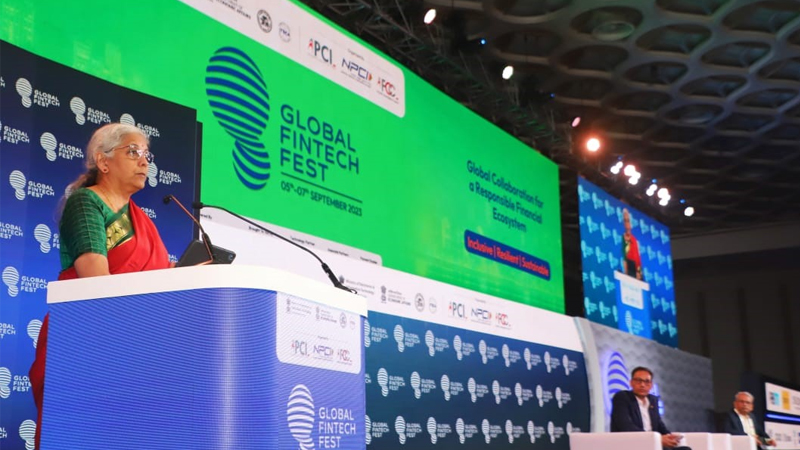
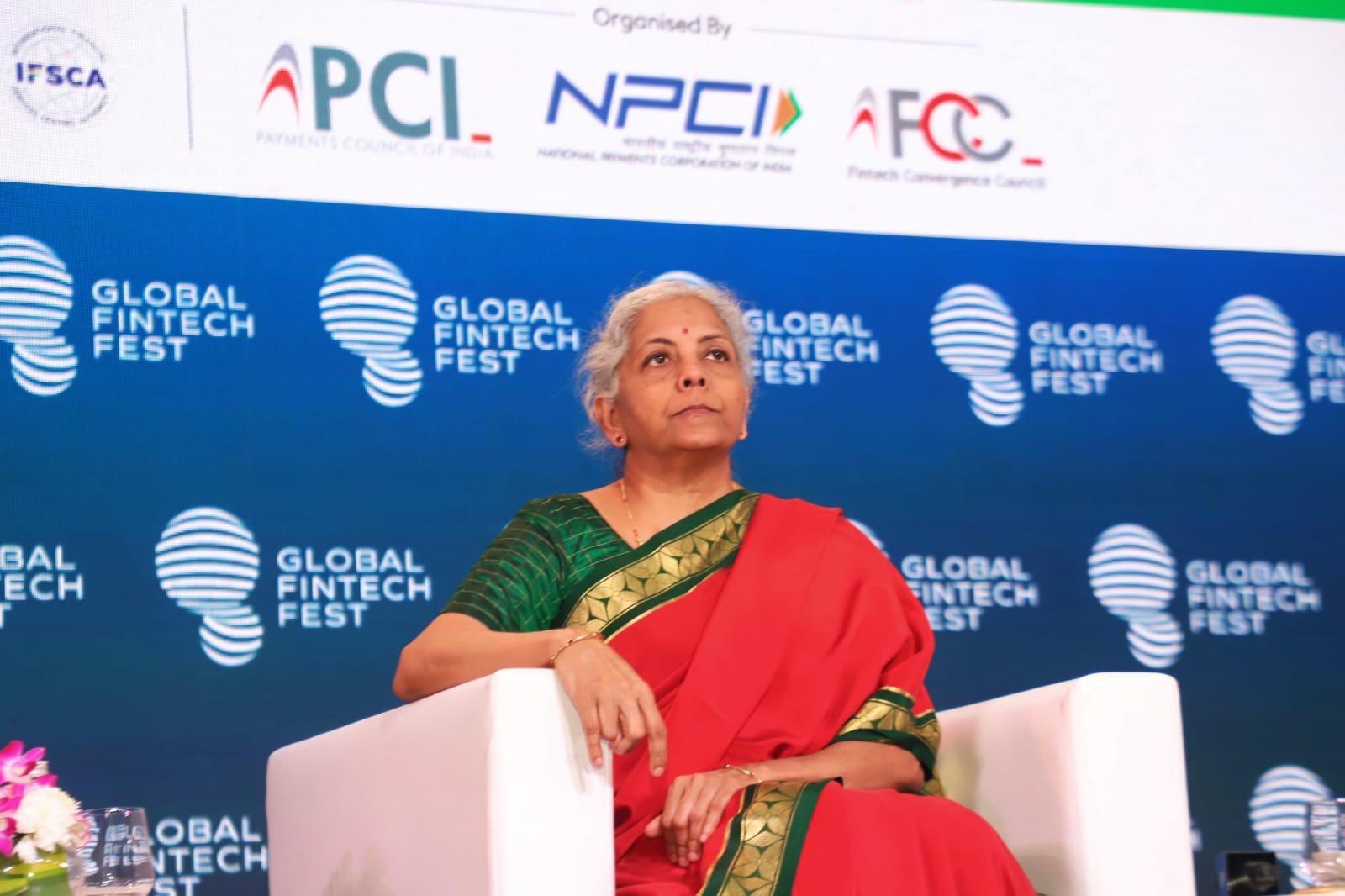
Union Finance and Corporate Affairs Minister Nirmala Sitharaman said technology is a powerful tool for building an inclusive, resilient and sustainable financial eco-system and called for global cooperation and collaboration, which she said, is absolutely critical for a responsible financial eco-system. The Union Minister was delivering the inaugural address at the three-day Global Fintech Fest, 2023 (GFF 2023), which started at Mumbai today. The Union Minister further urged that responsible globalization is the issue on which we will also have to contribute. In this connection, the Union Finance Minister also said that threats to global financial ecosystem, like physical border threats, cyber threats, crypto threats, drug menace, tax havens and round-tripping of resources and tax evasions need to be deliberated upon.

Speaking about India’s G-20 Presidency, Finance Minister Nirmala Sitharaman said that, India’s  G-20 Presidency has called for a framework for handling issues relating to crypto-assets. IMF and FSB have given their synthesis paper. India’s Presidency has also discussed and sought for global cooperation in matters of reforms in multilateral development banks, global debts distress, tax evasion and two pillar tax solution amongst other issues. Finance Minister stated that enhancing cross-border payments has been a priority of the G20 since 2020. One of the priority focus areas under the Indian G20 presidency is “Information sharing on national experiences and international initiatives on interoperability of national fast payment systems for seamless flow of funds”. This is expected to enhance crossborder payments, stated the Finance Minister.

Finance Minister Nirmala Sitharaman stated the following to highlight India’s achievement in making its financial ecosystem inclusive:

  • In a span of 4 years, the number of Demat accounts has increased by 2.5 times, from 4.1 crore in 2019-20 to 10 crore in 2022-23.
  • A record number of Mutual Funds SIPs are being registered, which helps to generate long-term wealth, with the monthly flow in the mutual fund industry through the route reaching an all-me high of Rs 15,245 crore in July 2023.
  • The Assets Under Management (AUM) of the Indian mutual fund industry have increased tremendously in the last decade. It grew more than four-fold from Rs 10 lakh crore in May 2014 to a significant Rs 46.37 lakh crore (July 2023).
  • Top 30 cities of India are usually expected to be ahead in formal savings. However, in the last four years, the share of Cities beyond Top-30 cities in total mutual fund assets has grown from 15% to 26%.
  • Instruments like SIPs are only democratizing this wealth-creation opportunity. Just like UPI (Unified Payments Interface), democratized payments and now ONDC  (Open Network for Digital Commerce) is poised to do for e-commerce.
  • Fin-techs are driving more inclusion and creating their niche. Today in lending,  fintech have 36% share of new-to-credit customers vs 22% share in banks. In Payments, Fintech have 93% share of UPI transaction value vs 7% share in banks.
  • In WealthTechs, Fintech broking have 80% share of active broking clients vs 20% active in traditional broking.
  • ITR data released in August signals “Formalisation of the Indian Economy”.  There is now wider access to benefits like credit facilities, and social security (pension, insurance, etc). Each Tax bracket (Tax Slab) has seen a minimum Threefold increase in tax filings, some even achieving a nearly Four-fold surge.
  • While Maharashtra continues to be the leader, other states are moving up with respect to ITR filings. In places like North-East, Chhattisgarh, even Jammu & Kashmir, the new ITR filings have grown by double digits. This augurs well for the Fintech Industry.
  • As per a SBI Research, Per capita income is expected to increase by 7.5 times from Rs 2 lakh in FY 2023 to Rs 14.9 lakh in FY 2047 (in USD terms, the corresponding increase comes to ~$12,400 in FY47 from ~$2500 in FY23).
  • Our workforce is expected to increase by 19.5 crore to 72.5 crore in FY 2047 from 53 crore in FY 2022-23.
  • Workforce share in population will increase from 37.9% in FY 2023 to 45% in FY 2047.
  • Taxable Workforce /Workforce eligible to pay taxes to rise to 85.3%, from the current 22.4%. There would be approximately 48.2 crore IT filers in FY 2047 from approximately 7 crore in FY 2022-23. (seven times more).

Union Finance Minister Nirmala Sitharaman made the following points which are integral to building an inclusive, resilient and sustainable financial eco-system:

  • Innovation should be at the forefront, with fintech firms pushing the boundaries of technology. We should strive to bring sustainability from “Concept to Action” and from “Ideation to Execution”, as we take responsibility for our future. Indian Startups have the ability to drive real innovation in Sustainability and  ensure that it does not remain a mere buzzword.
  • Demonstrating resilience amidst ongoing macroeconomic uncertainties, we must remain adaptable and strive to cultivate innovate solutions that cater to evolving demands.
  • The aim should be to establish a financial system that can withstand future uncertainties and, more important, swiftly rebound by transforming challenges into opportunities.
  • Security remains a top concern, which also enhances resilience of the ecosystem. With greater digitization comes increased cybersecurity threats. FinTech companies will need to invest heavily in robust security measures utilizing advanced encryption and other measures to protect user data and financial transactions.
  • Global collaboration is essential for the flourishing of the FinTech sector. In an interconnected world, financial technology transcends borders, making cross-border partnerships crucial.
  • Moreover, collaborative ventures open up access to vast and diverse customer bases, accelerating market penetration. $20 Trillion is estimated to be annual Cross-Border payments globally, incurring $120 Billion in transaction costs (BCG Study). India is the largest remittance receiver, with around $100 billion worth of remittances in 2022.
  • The Payments Vision 2025 of RBI envisages active support for the global outreach initiatives to expand the footprint of domestic payment systems by collaborating with relevant stakeholders. Interlinkage between India’s UPI and Singapore’s PayNow was operationalised by Hon’ble Prime Ministers of both countries in February 2023. UPI and RuPay’s card acceptance at selected merchant locations are also live in UAE, Nepal, and Bhutan. Similar interlinkages are being explored with other jurisdictions as well.
  • Given the size of the markets, the Indian Fintech industry should take the lead in the Cross-border payments ecosystem, given our rich & successful experience in Digital Payments.

The Union Finance Minister Nirmala Sitharaman also released a report titled ‘The Second Wave: Resilient, Inclusive, Exponential Fintechs’ and inaugurated a fintech exhibition at the venue. Kris Gopalakrishnan, Chair GFF 2023, and Naveen Surya, Chairman, Fintech Convergence Council, were also present amongst the dignitaries in the inaugural session. The theme of GFF 2023, jointly organized by National Payments Corporation of India (NPCI), Payments Council of India (PCI) and FinTech Convergence Council (FCC), is ‘Global Collaboration for a Responsible Financial Ecosystem’.

Prime Minister salutes teachers on Teachers Day

| Published on:

The Prime Minister, Shri Narendra Modi has saluted the teachers on Teachers Day for their unwavering dedication and great impact in building our future and inspiring dreams.

Shri Modi also paid tributes to Dr. Sarvepalli Radhakrishnan on his birth anniversary.

The Prime Minister also shared highlights from the interaction with teachers yesterday.

In a X post, the Prime Minister said;

“Teachers play a key role in building our future and inspiring dreams. On #TeachersDay, we salute them for their unwavering dedication and great impact. Tributes to Dr. S. Radhakrishnan on his birth anniversary.

Here are highlights from the interaction with teachers yesterday…”

PM interacts with winners of National Teachers’ Award 2023

| Published on:

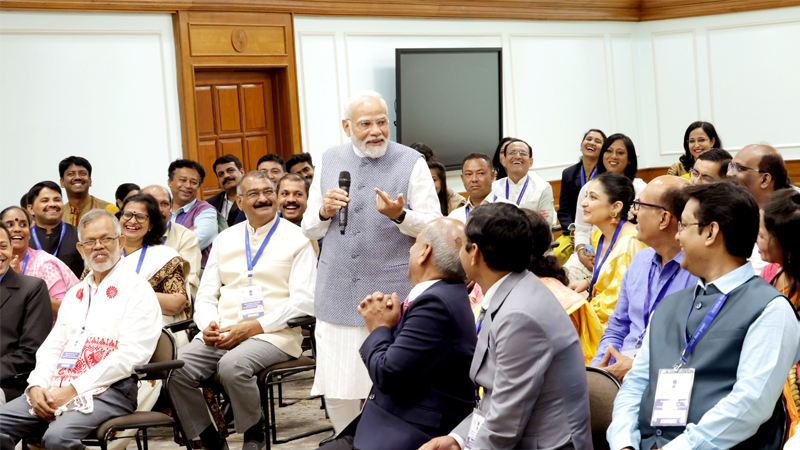
On the eve of Teachers’ Day, Prime Minister Shri Narendra Modi interacted with the winners of National Teachers’ Award 2023 at 7, Lok Kalyan Marg earlier today. 75 award winners participated in the interaction.

Prime Minister appreciated the efforts of teachers in nurturing the young minds of the country. He highlighted the importance of good teachers and the role they can play in shaping the destiny of the country. He emphasised the importance of inspiring children by educating them about the success of the grassroot achievers.

Prime Minister talked about taking pride in our local heritage and history and urged the teachers to inspire students to learn about their region’s history and culture. Highlighting the strength of diversity in the country, he requested the teachers to celebrate the culture and diversity of different parts of the country in their schools.

Discussing the recent success of Chandrayaan-3, Prime Minister underscored the importance of encouraging curiosity in students about science and technology as the 21st century is a technology driven century.  He also talked about the importance of skilling the youth and making them future ready.

Talking about Mission LiFE, Prime Minister discussed the importance of recycling as opposed to the use and throw culture. Several teachers also briefed the Prime Minister about the Swachhata programmes being held in their schools. Further, Prime Minister advised teachers to constantly learn and upgrade their skills throughout their career.

The purpose of the National Teachers’ Award is to celebrate the unique contribution of some of the finest teachers in the country and to honour those teachers who, through their commitment, have not only improved the quality of education but also enriched the lives of their students. This year, the scope of the award has been expanded from earlier including teachers selected by Department of School Education & Literacy to now also including teachers selected by Department of Higher Education and Ministry of Skill Development.

Jensen Huang, the CEO of Nvidia meets PM

| Published on:

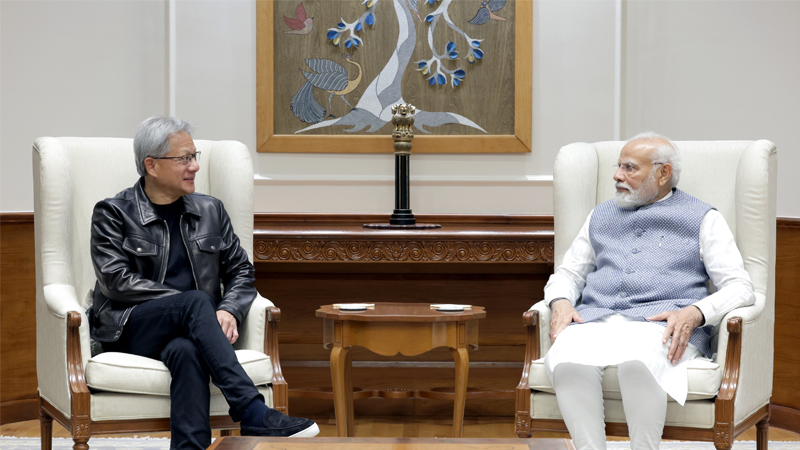
Mr. Jensen Huang, the CEO of Nvidia met the Prime Minister, Shri Narendra Modi.

The Prime Minister posted on X :

“Had an excellent meeting with Mr. Jensen Huang, the CEO of @nvidia. We talked at length about the rich potential India offers in the world of AI. Mr. Jensen Huang was appreciative of the strides India has made in this sector and was equally upbeat about the talented youth of India.”

Dharmendra Pradhan launches 3-year partnership with Meta

| Published on:

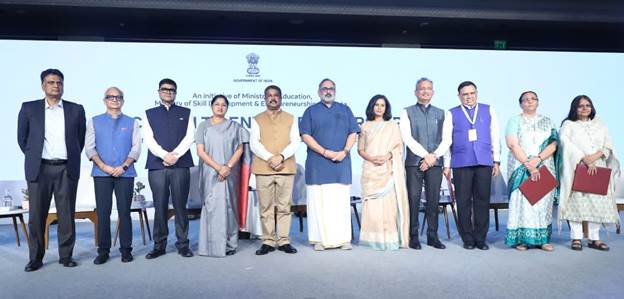
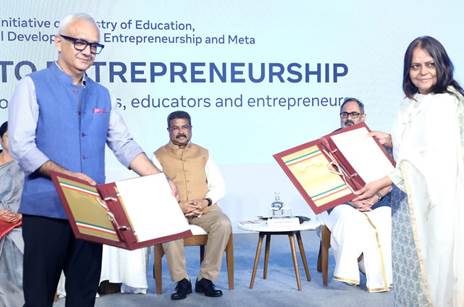
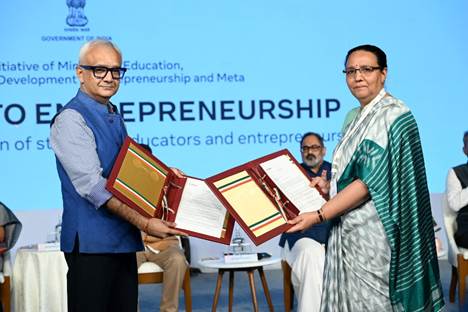
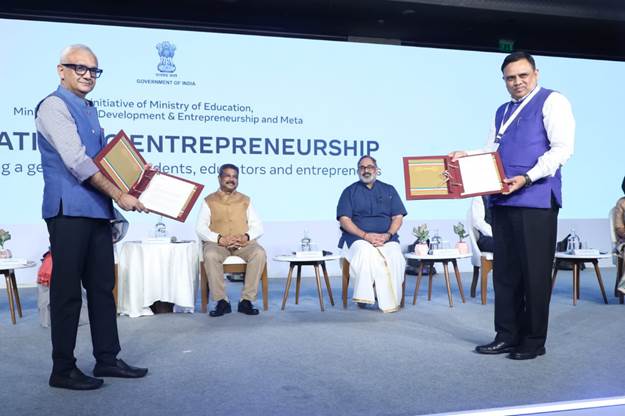
Union Minister for Education and Skill Development & Entrepreneurship Shri Dharmendra Pradhan launched a 3-year partnership “Education to Entrepreneurship: Empowering a generation of students, educators and entrepreneurs” between Ministry of Education, Ministry Skill Development & Entrepreneurship and Meta in New Delhi today. 3 Letters of Intent (LoI) were exchanged between Meta and NIESBUD, AICTE and CBSE. Minister of State for Education Smt. Annpurna Devi and Minister of State for Electronics & Information Technology and Skill Development and Entrepreneurship Shri Rajeev Chandrasekhar also graced the occasion.

Speaking at the event, Shri Dharmendra Pradhan said that the initiative launched today is in furtherance to Prime Minister Shri Narendra Modi’s vision of making India a skill capital of the world and empowering our Amrit Peedhi.

He further said that ‘Education to Entrepreneurship’ partnership is a game-changer, which will take Digital Skilling to the grassroots. This will build capacities of our talent pool, seamlessly connect students, youth, workforce & micro-entrepreneurs, with futuristic technologies and transform our Amrit Peedhi into new-age problem solvers and entrepreneurs.

He stated that India’s democracy, demography, and diversity are to be connected with technology conversion so that technology becomes the equalizer for the entire society. Guided by the tenets of NEP, META’s partnerships with NIESBUD, CBSE & AICTE will catalyse infinite possibilities for equipping our population with critical digital skills and empowering micro entrepreneurs and small businesses, he added.

Shri Rajeev Chandrasekhar, in his address, highlighted the Government’s focus on preparing our youth and workforce in these rapidly transforming times, to be equipped with the skills to succeed and play important roles in the evolving landscape of technology and the global economy. Digital skills, while representing skilling and entrepreneurship in the innovation ecosystem, more importantly represents a bridge between lakhs of small rural, micro and self-employed entrepreneurs, enabling them to expand, grow and succeed, he added.

In a video message Meta President, Global Affairs, Sir Nick Clegg, thanked Shri Dharmendra Pradhan for his support in bringing the partnership together between the two most important sectors of the workforce, education and skilling. India’s talent base and rapid digital adoption make it the perfect place for us to invest in emerging technologies, he added. He looked forward to Meta’s contribution in empowering India’s students, young people and entrepreneurs, with significant focus on skill development for Indian startups and businesses, having worked closely with India during its G20 Presidency in areas such as education, job creation, skill development and user safety.

Under the partnership with NIESBUD, 5 lakh entrepreneurs will get access to digital marketing skills by Meta over the next 3 years. Budding and existing entrepreneurs will be trained in digital marketing skills using Meta platforms in 7 regional languages to begin with. Three short films were also showcased highlighting the details about the partnerships.

Secretary, Higher Education, Shri K. Sanjay Murthy; Secretary, Department of School Education & Literacy, Shri Sanjay Kumar; Secretary, MSDE Shri Atul Kumar Tiwari; Chairman, AICTE, Prof. T.G. Sitharam; Chairman, National Educational Technology Forum NBA NAAC, Prof. Anil Sahasrabudhe; President, Federation of Indian Chambers of Commerce and Industry (FICCI), Shri Subhrakant Panda and senior officials of the Ministries, AICTE, CBSE, National Institute for Entrepreneurship and Small Business Development (NIESBUD); Shri Shivnath Thukral, Director, Public Policy, India and South Asia, Meta and Sandhya Devanathan as the Vice President of Meta India were also present.

Successful launch of Chandrayaan-3 has sparked global aspirations in Indian students: Dr Jitendra Singh

| Published on:

Union Minister of State (Independent Charge) Science & Technology; MoS PMO, Personnel, Public Grievances, Pensions, Atomic Energy and Space, Dr Jitendra Singh today said that the successful launch of Chandrayaan-3 has sparked global aspirations in Indian students.

Dr Jitendra Singh said, this is all the more evident that after the opening up of the Space sector by Prime Minister Shri Narendra Modi in June 2020, the number of Space Startups sky-rocketed from merely 04 to 150 Startups and most of them being led by science students, researchers and entrepreneurs.

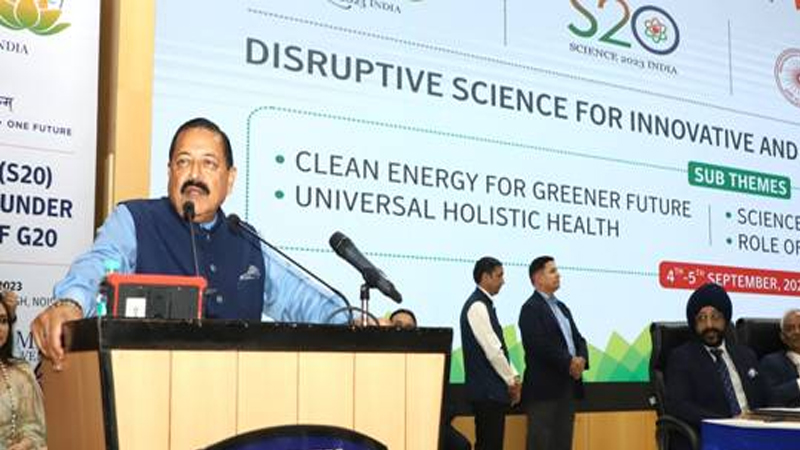
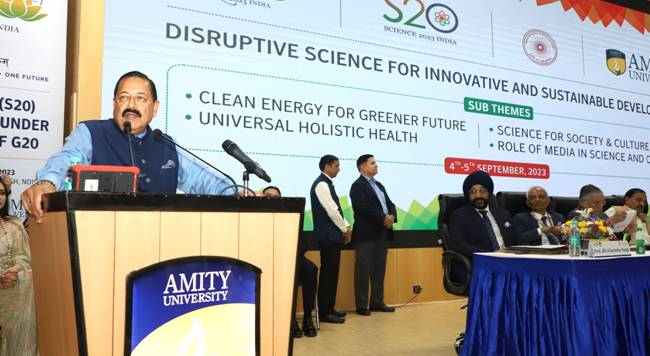
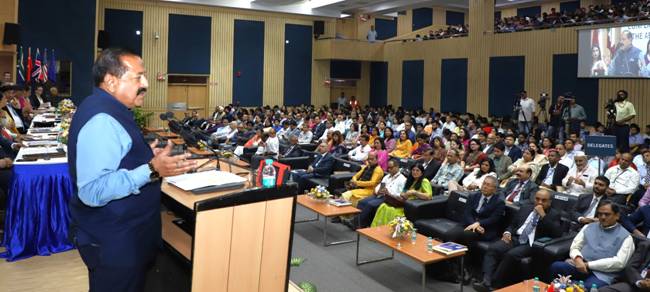
Dr Jitendra Singh was addressing the gathering after inaugurating the Science 20 (S20) Conference under the aegis of G20 on the topic “Disruptive Science for Innovative and Sustainable Development”, at Amity University, Noida.

Dr Jitendra Singh said, Startups are centres of novel innovations and essential for the growth of the nation and driven by the ideas of the Prime Minister Modi, Startup India, Standup India and Make in India will help transform India to even stronger economic power and contribute towards adding 1 trillion USD to our GDP each year.

“They generate jobs leading to a stronger and healthier economy. Start-ups encourage a pragmatic approach at the academic establishments further leading to large scale employment generation. It motivates students or researchers to put their ideas into practice by collaborating with the start-up, which more importantly help to develop means of economic expansion. India now stands 3rd in terms of Startup ecosystem with almost 110 Unicorns,” he said, encouraging the universities to promote students’ tie-ups with the emerging Startups.

Dr Jitendra Singh said that there were just around 350 Startups before 2014, but after PM Modi gave the clarion call from the ramparts of the Red Fort in his Independence Day address and rolled out special Startup scheme in 2016, there has been a quantum jump with over 1.25 lakh Startups now and more than 110 Unicorns. Similarly, he added that in the Biotech sector, from 50 odd Startups in 2014, we now have 6,000 Biotech Startups.
Dr Jitendra Singh said, “It is the hard work and determination of scientists, researchers and scholars that India is now ranked amongst top 3 nations in terms of publications and 9th in terms of Patents. India’s Global Innovation index has also seen significant improvement in the past years moving up the ladder from 81st position to 40th position,” he added.

“The Government of India has focussed on Public-Private Partnership (PPP) in research and innovation to realise the global endeavours of India making the country Aatmanirbhar through Make in India and Make for the World philosophy. The Government is actively working towards deepening the reach of public-private partnerships to create timebound world-class infrastructure and attract private sector and institutional capital in infrastructure,” he said.

Dr Jitendra Singh said, India is now the world’s fifth-largest economy and is counted among the top countries globally in the field of scientific research and even positioning itself among the top five nations in the field of space exploration.

“India has recently created history by becoming the first country to land on the south polar region of the lunar surface. With the launch of Aditya -1 which is the first space based Indian mission to study the Sun, India’s ambitious space exploration programme has left a clear message that we are one of the most scientifically advanced nations in the field of Space Science and Technology,” he said.

Dr Jitendra Singh said that the country has witnessed an exponential growth in Science and Technology during the last decade. He said, under the able leadership of Prime Minister Shri Narendra Modi, our progressive government is focusing on inclusive growth and sustainable development.
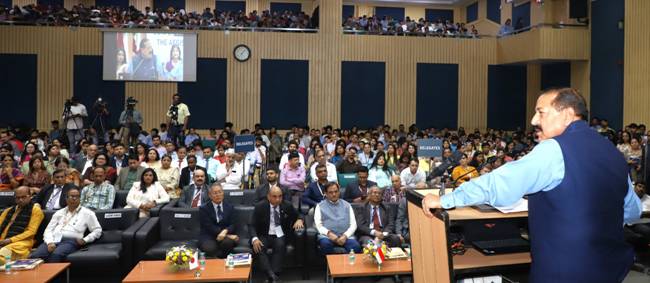
Referring to the upcoming G20 Summit in New Delhi later this week, Dr Jitendra Singh said that India’s G20 Presidency under the leadership of Prime Minister Shri Narendra Modi during the year 2022-2023 has aimed to be inclusive, ambitious, action-oriented and decisive.

“This G20 Presidency also heralds for India the start of ‘Amritkaal,’ a 25-year period commencing from the 75th Anniversary of India’s Independence leading up to the centenary of its Independence,” he said.

Stating that science has been the driving force behind economic expansion and human progress, Dr Jitendra Singh said that the objective of S20 is to leverage scientific, technological, and intellectual interactions between nations, regions, and societies in order to address common problems and forge strong international alliances.

“With the disruptive changes happening all around the world, innovative science and technology needs to be encouraged to revolutionise lives and livelihoods in a world where 8 billion people are continually striving for a better life,” he said.

Dr Jitendra Singh lauded that the S20 Conference delves upon another important initiative of PM Modi, which is Scientific Social Responsibility (SSR).

“It is creating an enabling environment for the sharing of ideas and resources within the knowledge ecosystem through collaborating with communities by identifying their needs and problems and develop scientific and technological solutions,” he said.
The S&T Minister said that as a nation committed to democracy and multilateralism, India’s presidency has set a significant milestone seeking practical global solutions for the benefit of all.

“The theme of India’s G20 Presidency embodies the idea of ‘Vasudhaiva Kutumbakam,’ or ‘the world is one family,’ which is inspired from the Maha Upanishad, an old Sanskrit scripture. The S20 theme has truly and fundamentally highlighted the importance of all life and their interdependence on Earth and across the universe,” he said.

The S20 Conference covers the topics – Clean Energy for Greener Future, Universal Holistic Health, Science for Society & Culture, and Role of Media in Science and Culture.