Raksha Mantri flags-off ‘SANJAY – The Battlefield Surveillance System’ from New Delhi

| Published on:

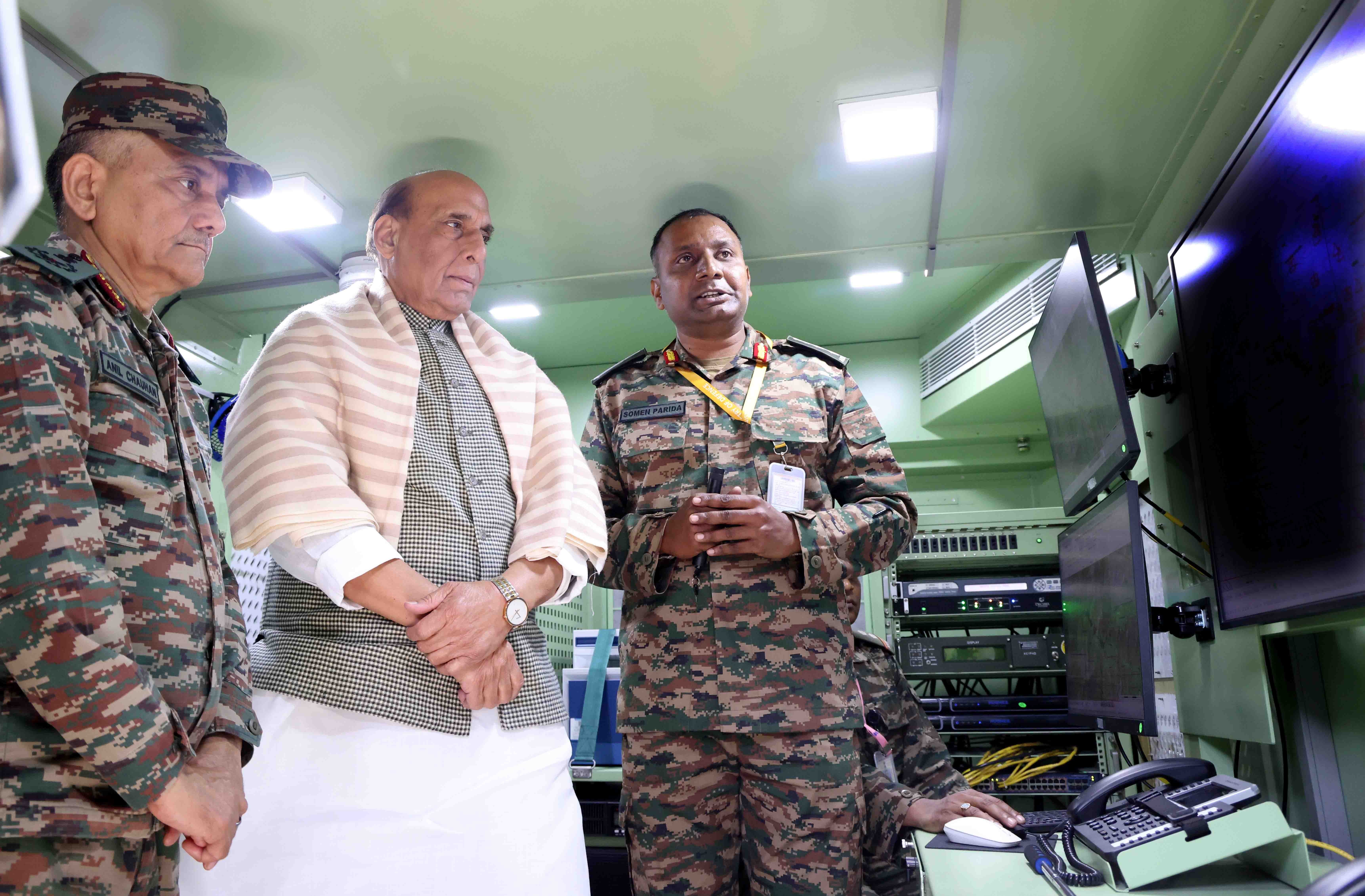
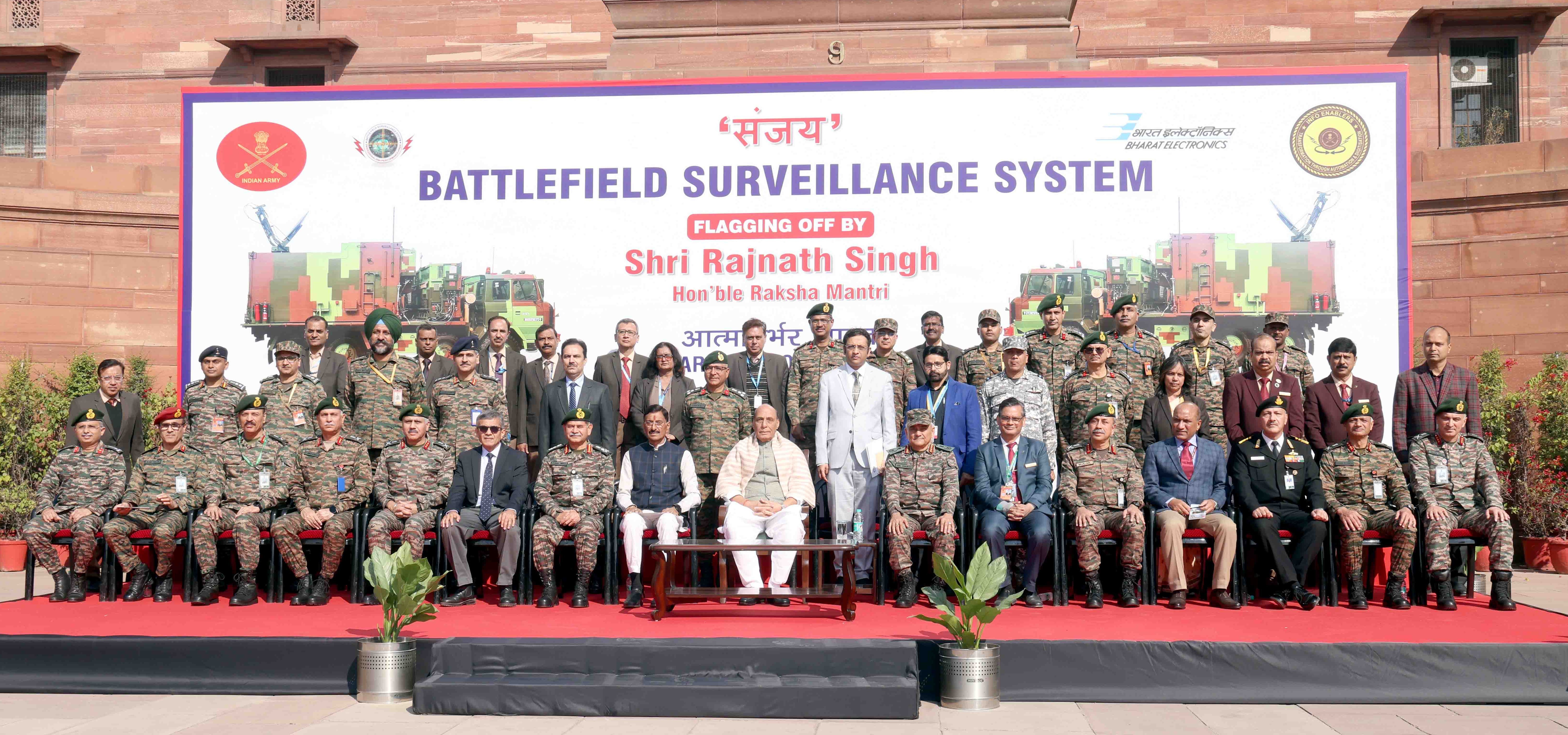
Raksha Mantri Shri Rajnath Singh flagged-off ‘SANJAY – The Battlefield Surveillance System (BSS)’ from South Block, New Delhi on January 24, 2025. SANJAY is an automated system which integrates the inputs from all ground and aerial battlefield sensors, processing them to confirm their veracity, preventing duplication and fusing them to produce a Common Surveillance Picture of the battlefield over secured Army Data Network & Satellite Communication Network. It will enhance battlefield transparency and transform the future battlefield through a Centralised Web Application which will provide inputs to Command & Army Headquarters, and the Indian Army Decision Support System.

The BSS is equipped with state-of-the-art sensors and cutting-edge analytics. It will monitor the vast land borders, prevent intrusions, assess situations with unparalleled accuracy and prove to be a force multiplier in Intelligence, Surveillance & Reconnaissance. This would enable commanders to operate in both conventional & sub-conventional operations in a Network Centric Environment. Its induction will be an extraordinary leap towards data and network centricity in the Indian Army.

SANJAY has been indigenously & jointly developed by the Indian Army and Bharat Electronics Limited (BEL) creating a conducive ecosystem towards achieving ‘Aatmanirbharta’ as a follow up to the Indian Army’s ‘Year of Technology Absorption’. These systems will be inducted to all operational Brigades, Divisions & Corps of the Indian Army in three phases w.e.f. March to October of 2025, which has been declared as ‘Year of Reforms’ in the Ministry of Defence (MoD). This system has been developed under the Buy (Indian) category at a cost of Rs 2,402 crore.

Raksha Rajya Mantri Shri Sanjay Seth, Chief of Defence Staff General Anil Chauhan, Chief of the Army Staff General Upendra Dwivedi, Defence Secretary Shri Rajesh Kumar Singh, Secretary (Defence Production) Shri Sanjeev Kumar, Chairman & Managing Director, BEL Shri Manoj Jain and other senior officials of MoD & BEL were present on the during the flagging-off ceremony.


Union Cooperation Minister addresses the ‘Cooperative Conference’ in Nashik, Maharashtra

| Published on:

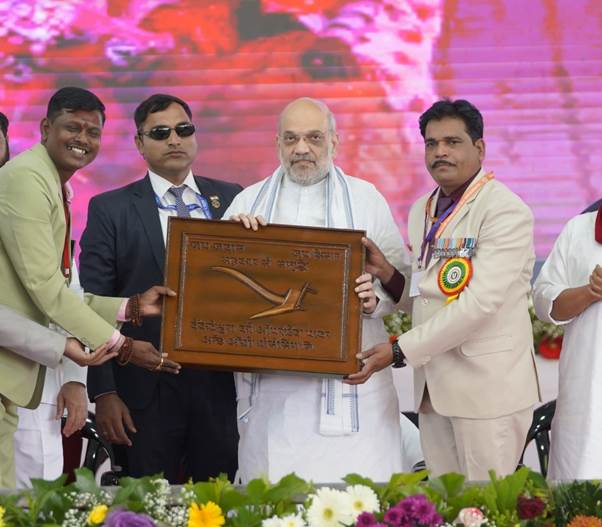
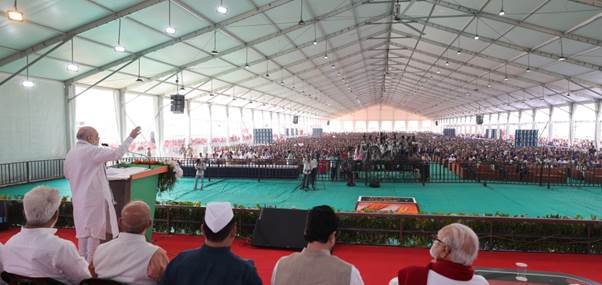
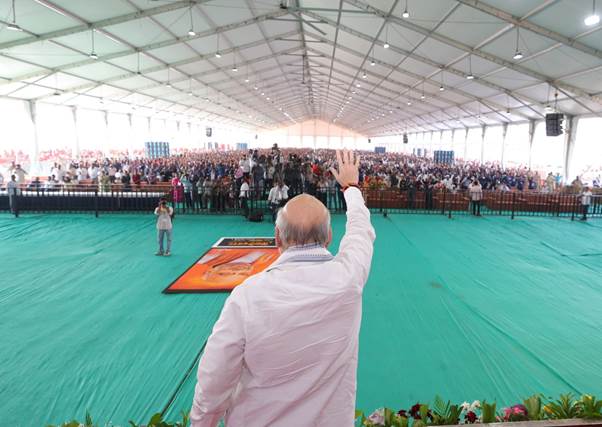
Union Home Minister and Minister of Cooperation, Shri Amit Shah, today participated as the Chief Guest at the ‘Cooperative Conference’ held in Nashik, Maharashtra. During the event, Shri Shah inaugurated multiple initiatives aimed at strengthening the cooperative sector. The conference witnessed the presence of several distinguished personalities, including Union Minister of State for Cooperation Shri Murlidhar Mohol and Maharashtra Deputy Chief Minister Shri Eknath Shinde.

In his address, Union Home Minister and Minister of Cooperation highlighted that former Prime Minister Lal Bahadur Shastri had coined the slogan “Jai Jawan, Jai Kisan,” emphasizing the empowerment of farmers, agricultural labourers, and the armed forces. He said that Shastri Ji had begun strengthening farmers, agricultural laborers, and the army simultaneously. He further stated that here, through a single cooperative, “Jai Jawan Jai Kisan” and a soil testing laboratory have been established together, integrating “Jai Vigyan” in the same place.
IMG_1374.JPG

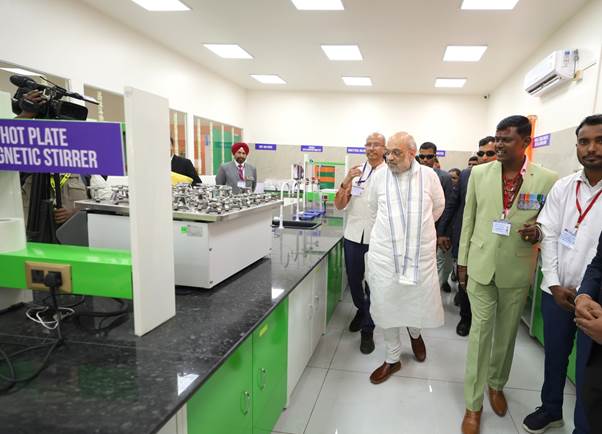
Shri Amit Shah remarked that while farming was often considered unprofitable in the past, he firmly believes that combining the cooperative movement with scientific advancements can make agriculture a lucrative business even today. He explained that farmers previously relied on traditional methods and were unaware of the specific nutrient composition of their soil. When Prime Minister Modi emphasized soil testing, it revealed that farmers were using fertilizers unnecessarily or neglecting essential nutrients. Shri Shah highlighted the benefits of the newly established state-of-the-art soil testing laboratory in Nashik, emphasizing its potential to transform local farming practices. The laboratory will provide detailed insights, such as the pH level of water used by farmers, whether sulphur needs to be added, what is the appropriate quantity of DAP, and which crops can yield higher profits. He emphasized that this facility would significantly benefit farmers by enabling informed and efficient agricultural practices.

Union Minister of Cooperation highlighted the multiple initiatives undertaken by the Venkateshwara Society. He announced the virtual inauguration of the Venkateshwara Cashew Processing Factory in Belgaon, which will process 24 tonnes of cashews daily, ensuring fair prices for 18,000 farmers engaged in cashew cultivation. He further mentioned that over 1,500 Gir cows have been introduced to produce various products while promoting organic farming using cow dung and cow urine. These initiatives, he emphasized, will not only enhance farmers’ prosperity but also contribute to the protection of Mother Earth.
CR3_7874.JPG

Shri Amit Shah encouraged farmers to adopt organic farming and emphasized the importance of obtaining organic certification to secure better prices for their produce. He highlighted that National Co-operative Organic Limited (NCOL), established under the Ministry of Cooperation by Prime Minister Shri Narendra Modi, is designed to directly transfer profits from the sale of certified organic produce to farmers’ bank accounts. He explained that this multinational organization purchases all certified organic produce from farmers, sells it in the market, and ensures that the profits are directly credited to the farmers’ accounts, thereby supporting their economic well-being.
CR3_7816.JPG

Union Minister of Cooperation stated that for many years, those involved in the cooperative sector had been demanding the creation of a separate ministry, but their plea had gone unheard. It was only 75 years after independence that Prime Minister Shri Narendra Modi established the Cooperative Ministry, aiming to boost farmers’ incomes across the nation. He emphasized that cooperation is the most profound expression of self-reliance. Without it, farmers cannot achieve self-reliance or prosperity. He highlighted that Prime Minister Modi has introduced the slogan “Sahkar Se Samriddhi” (Prosperity through Cooperation), and the Ministry of Cooperation has been entrusted with the responsibility of turning this vision into reality.

Shri Amit Shah said that now apart from cashew, the cultivation of pomegranate, grapes, sapodilla (chikoo), turmeric, onion, custard, apple, saffron and mango will work to bring all the farmers at one platform so that the farmers can get a good price for their produce in the coming days.

The Union Minister of Cooperation said that Venkateshwara Cooperative has done a commendable job of connecting farmers under solar energy, biofuel, CNG, water storage, fisheries, panchgavya agarbatti, organic farming and government brands, as well as they have worked to connect the jawans of the country. He said that jawans and farmers are the only two sections who live with Mother Earth without worrying about rain, sun, cold. He said that today both the jawans and the farmers came together through this program of cooperatives.

Shri Amit Shah said that the Government of India has created three new Multi-state Cooperatives for exporting farmers’ products, preserving authentic sweet seeds, producing high-yielding seeds, and packaging, marketing, and branding of organic products. He said that the three cooperative institutions on the pattern of Amul, KRIBHCO and IFFCO will prove to be very important for the farmers of this country in the next 10 years. He said that all the Primary Agricultural Credit Society (PACS) are being computerized, godowns are being built in the country through the cooperative sector and work has also been done to make the PACS multifunctional.

The Union Minister of Cooperation said that there was a dispute over income tax of 15 thousand crore rupees in cooperative sugar mills of Maharashtra, that we resolved. He said that the Modi government also reduced new taxes worth Rs 46 thousand crores.

He said that loans worth 10 thousand crore rupees have also been given to many cooperative sugar mills of the country through the National Cooperative Development Corporation (NCDC). He also said that profitable units created through ethanol blending. Shri Shah questioned the opposition leaders for what have they done for the cooperative sector, PACS, sugar mills and farmers when their government was in power.
CR3_7840.JPG

Shri Amit Shah said that Prime Minister Shri Narendra Modi ji formed the Ministry of Cooperation, came up with the scheme of ethanol blending for sugar mills, resolved the issue of income tax, computerized PACS, made model bylaws of PACS and linked PACS with multidimensional activities.


Today, on National Girl Child Day, we reiterate our commitment to keep empowering the girl child and ensure a wide range of opportunities for her: PM

| Published on:

The Prime Minister Shri Narendra Modi today, on National Girl Child Day, reiterated the Government’s commitment to keep empowering the girl child and ensure a wide range of opportunities for her.

In a thread post on X, Shri Modi wrote:

“Today, on National Girl Child Day, we reiterate our commitment to keep empowering the girl child and ensure a wide range of opportunities for her. India is proud of the accomplishments of the girl child across all fields. Their feats continue to inspire us all.”

“Our Government has focused on sectors like education, technology, skills, healthcare etc which have contributed to empowering the girl child. We are equally resolute in ensuring no discrimination happens against the girl child.”

Prime Minister’s address on Parakram Diwas

| Published on:

The Prime Minister Shri Narendra Modi delivered his address on the occasion of jayanti of Netaji Subhas Chandra Bose, commemorated as Parakram Diwas via video message today. Greeting the people on the occasion, he said that the entire nation is remembering Netaji Subhas Chandra Bose, respectfully, on his birth anniversary today. Paying his respects to Netaji Subhas Bose, Shri Modi said that this year’s grand celebrations of Parakram Diwas was being held in his birth place in Odisha. He congratulated the people and the Government of Odisha on the occasion. The Prime Minister said that there was a huge exhibition, based on the legacy of Netaji’s life, held at Cuttack, Odisha. He further added that several artists have depicted the events related to Netaji’s life on canvas. He said that there were also many books based on Netaji collected. He expressed confidence that all these legacies of Netaji’s life journey will give a new energy to Meri Yuva Bharat or MY Bharat.

“Today when we are engaged in achieving the resolution of Developed India (Viksit Bharat), the legacy of life of Netaji Subhas will constantly inspire us”, remarked the Prime Minister. He added that the foremost and important goal of Netaji Subhas Bose was Azad Hind. Shri Modi said that to achieve this resolve, he stood steadfast with his decision on one single criterion – Azad Hind. He added that Netaji was born in a prosperous family and having cleared the Civil Services Examination, he could have been a senior officer in the British Government and led a comfortable life. However, Shri Modi remarked that Netaji chose the path of difficulties and challenges in the quest for Independence along with wandering in India and other countries. “Netaji Subhas was not bound by the comforts of the comfort zone”, he added. The Prime Minister urged “Today, we all need to step out of our comfort zones to build a Viksit Bharat”. He emphasized the importance of becoming globally the best, choosing excellence, and focusing on efficiency.

Remarking that Netaji formed the Azad Hind Fauj for the country’s independence, including brave men and women from every region and class, the Prime Minister highlighted that despite having different languages, their common sentiment was the country’s freedom. He emphasized that this unity is a significant lesson for a Viksit Bharat today. He noted that just as unity was essential for Swaraj then, it is now crucial for a Viksit Bharat. The Prime Minister highlighted the favorable environment for India’s progress globally and mentioned that the world is watching how India makes the 21st century its own. He stressed the importance of drawing inspiration from Netaji Subhas and focusing on India’s unity. The Prime Minister also warned to stay vigilant against those who seek to weaken the country and disrupt its unity.

Shri Modi remarked that Netaji Subhas was very proud of India’s heritage and often spoke about India’s rich democratic history, encouraging people to draw inspiration from it. He highlighted that today, India is emerging from a colonial mindset and developing with pride in its heritage. The Prime Minister expressed his honor in hoisting the tricolor at the Red Fort on the 75th anniversary of the Azad Hind Government, an unforgettable historic occasion. He added that inspired by Netaji’s legacy, the Government established a museum dedicated to Netaji Subhas at the Red Fort in Delhi in 2019, along with the initiation of the Subhas Chandra Bose Disaster Management Awards in the same year. “In 2021, the government decided to celebrate Netaji’s birth anniversary as Parakram Diwas”, said Shri Modi and added that the installation of Netaji’s grand statue near India Gate, naming the island in Andaman after Netaji, and saluting INA soldiers in the Republic Day parade symbolize the Government’s commitment to honoring his legacy.

“In the last 10 years, the country has demonstrated that rapid development makes the life of the common man easier and also increases military strength”, underscored Shri Modi. He highlighted that in the last decade, 25 crore Indians were lifted out of poverty, which is a huge success. The Prime Minister noted that modern infrastructure was being built everywhere, be it village or city. He emphasized the unprecedented increase in the strength of the Indian Army and India’s growing role on the world stage. The Prime Minister expressed confidence that the day is not far when India will become the third largest economic power in the world. He urged everyone to keep working continuously for Viksit Bharat with one goal, one objective, inspired by Netaji Subhas, and stated that this will be the true tribute to Netaji. The Prime Minister extended his best wishes to all.

PM interacts with students on Parakram Diwas

| Published on:

On the birth anniversary of Netaji Subhas Chandra Bose, commemorated as Parakram Diwas, Prime Minister Shri Narendra Modi had a special interaction with the young friends in the Central Hall of Samvidhan Sadan in New Delhi today. The Prime Minister enquired the students what was the goal of the nation by 2047, to which a student with utmost confidence answered to make India a Developed Nation (Viksit Bharat).  Upon being asked by the Prime Minister about why only till 2047, another student replied that “by then, our current generation will be ready for the nation’s service when India will be celebrating the centenary of her Independence”.

Shri Modi then asked the students about the importance of today to which they replied it was the birth anniversary of Netaji Subhas Chandra Bose, who was born in Cuttack, Odisha. Shri Modi remarked that there was a grand event being held in Cuttack to celebrate the birth anniversary of Netaji Bose. He then asked another student, which saying of Netaji motivates you the most, to which she replied, “Give me blood and I promise you freedom”. She further explained that Netaji Bose demonstrated true leadership by prioritizing his country above all else and that this dedication continues to inspire us greatly. The PM then asked what actions do you derive from the inspiration, to which the girl student replied that she was motivated to reduce the carbon footprint of the nation, which is a part of the Sustainable Development Goals (SDGs). The Prime Minister then asked the girl about what were the initiatives undertaken in India to reduce carbon footprint, to which she answered that electric vehicles and buses were introduced. The Prime Minister emphasized that over 1,200 electric buses provided by the Union government were operating in Delhi and more would be introduced.

The Prime Minister explained to the students about the PM Suryagarh Yojana as a tool to tackle climate change. He said that as part of the scheme, solar panels were installed on the rooftop of the house, which would produce electricity through solar energy, thereby eliminating the need to pay electricity bills. He further added that the electricity generated could be used to charge e-vehicles, thereby eliminating the spending on fossil fuels and curbing the pollution. Shri Modi further informed the students that any surplus electricity generated at home, after personal use, can be sold to the government, which will buy it from you and provide monetary compensation. He added that this meant you can generate electricity at home and sell it for profit.

Union Home Minister inaugurates various development projects worth Rs. 651 in Ahmedabad

| Published on:

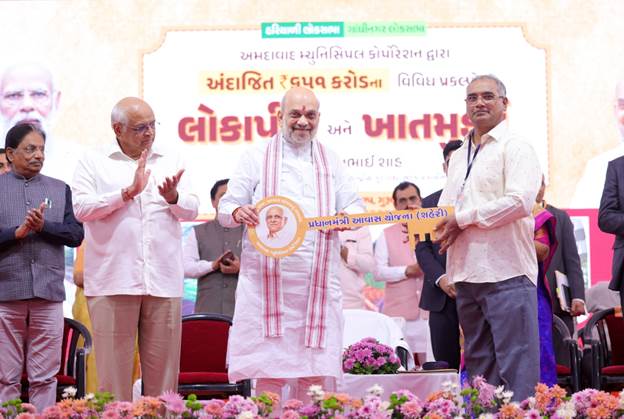
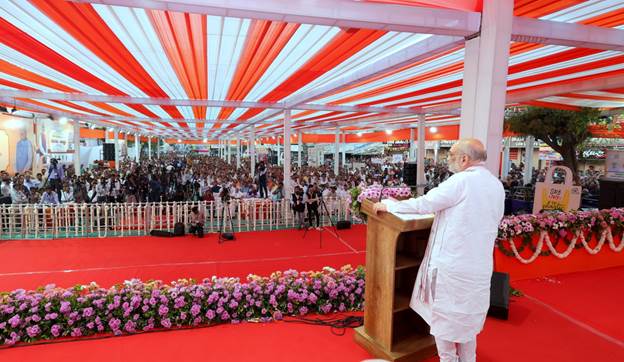
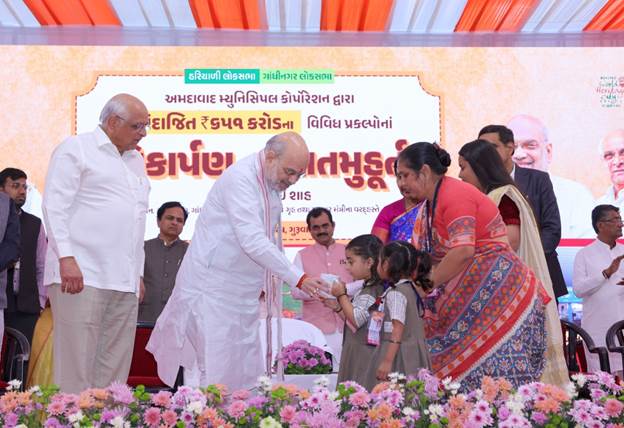
Union Home Minister and Minister of Cooperation, Shri Amit Shah, inaugurated and laid the foundation stone for various development projects worth Rs. 651 Crore of the Ahmedabad Municipal Corporation (AMC) in Ahmedabad, Gujarat, today. The event was attended by several dignitaries, including Gujarat Chief Minister Shri Bhupendra Patel.

During his address, Shri Amit Shah emphasized that a major issue faced by residents of Ranip has now been resolved. He announced the development of amusement parks and markets on both sides of the road to benefit the residents of Naranpura, Vadaj, Ranip, Chandlodia, and Ghatlodia. He highlighted the significant investment by AMC in constructing a major road in Ranip, which is expected to transform the area’s landscape.

IMG_2278.JPG

Shri Shah assured that the overall development of the area would be completed by 2029. He also announced the inauguration of long-pending development projects in Chainpur and D Cabin, which will significantly reduce the travel distance between Ranip, Nava Ranip, Chainpur, and D Cabin. He introduced the initiative to construct stepwells (Bavdis) for rainwater harvesting in 350 societies in Ranip, ensuring that no society incurs any costs, as the project is funded by the Central and State Governments, and AMC.He also encouraged residents to adopt the Pradhan Mantri Solar Rooftop Yojana (PM Surya Ghar), initiated by Prime Minister Shri Narendra Modi, which promotes solar energy usage to save electricity and reduce expenses. Shri Shah urged residents of Gandhinagar to embrace both stepwell construction and solar rooftops to address environmental changes and future water needs. Union Home Minister said that Prime Minister Shri Narendra Modi always makes plans with a vision of 25 years ahead. He said that these schemes have been made keeping in mind the earth’s temperature, climate change and water needs in the coming times.

IMG_2345.JPG

Additionally, Shri Amit Shah announced the launch of a scheme to provide milk to girls and highlighted government efforts to ensure nutritious meals for children in Anganwadis. He encouraged people to adopt Anganwadis and support this initiative, citing the success of similar efforts in the Gandhinagar Lok Sabha constituency, where 30% of Anganwadis are now supported by the community.

IMG_9717.JPG

Expressing gratitude to Prime Minister Shri Narendra Modi and Gujarat Chief Minister Shri Bhupendra Patel for their contributions, Shri Shah commended the ongoing development in the region. He also urged people to visit the Maha Kumbh in Prayagraj, describing it as a once-in-a-lifetime experience and the world’s largest fair.

Prime Minister pays homage to Netaji Subhas Chandra Bose

| Published on:

On the occasion of Parakram Diwas today, the Prime Minister Shri Narendra Modi paid homage to Netaji Subhas Chandra Bose. He remarked that Netaji’s contribution to India’s freedom movement was unparalleled and he epitomised courage and grit.

In separate posts on X, he said:

“Today, on Parakram Diwas, I pay homage to Netaji Subhas Chandra Bose. His contribution to India’s freedom movement is unparalleled. He epitomised courage and grit. His vision continues to motivate us as we work towards building the India he envisioned.”

“At around 11:25 AM today, I will share my message at the Parakram Diwas programme. May this day inspire our coming generations to embrace courage in the face of challenges, like Subhas Babu did.”

PM marks 10 years of Beti Bachao, Beti Padhao movement

| Published on:

Marking 10 years of the Beti Bachao, Beti Padhao movement today, the Prime Minister Shri Narendra Modi remarked that it had become a transformative, people powered initiative and drawn participation from people across all walks of life. He highlighted that Beti Bachao, Beti Padhao was instrumental in overcoming gender biases and empowering girl children. Shri Modi further noted that districts with historically low child sex ratios have reported significant improvements and complimented all stakeholders who have made this movement vibrant at the grassroots level.

In a thread post on X, he wrote:

“Today we mark 10 years of the #BetiBachaoBetiPadhao movement. Over the past decade, it has become a transformative, people powered initiative and has drawn participation from people across all walks of life.”

“#BetiBachaoBetiPadhao has been instrumental in overcoming gender biases and at the same time it has created the right environment to ensure that the girl child has access to education and opportunities to achieve her dreams.”

“Thanks to the dedicated efforts of the people and various community service organisations, #BetiBachaoBetiPadhao has achieved remarkable milestones. Districts with historically low child sex ratios have reported significant improvements and awareness campaigns have instilled a deeper sense of the importance of gender equality.”

“I compliment all stakeholders who have made this movement vibrant at the grassroots level. Let us continue to protect the rights of our daughters, ensure their education and create a society where they can thrive without any discrimination. Together, we can ensure that the coming years bring even greater progress and opportunity for India’s daughters. #BetiBachaoBetiPadhao”

Cabinet approves Minimum Support Prices (MSP) for Raw Jute for 2025-26 Season

| Published on:

The Cabinet Committee on Economic Affairs (CCEA), chaired by the Prime Minister Shri Narendra Modi, has approved the Minimum Support Prices (MSP) of Raw Jute for Marketing season 2025-26.

The MSP of Raw Jute (TD-3 grade) has been fixed at Rs.5,650/- per quintal for 2025-26 season. This would ensure a return of 66.8 percent over the all India weighted average cost of production. The approved MSP of raw jute for Marketing season 2025-26 is in line with the principle of fixing MSP at a level of at least 1.5 times all India weighted average cost of production as announced by the Government in the Budget 2018-19.

The MSP of Raw Jute for Marketing season 2025-26 is an increase of Rs.315/- per quintal over the previous Marketing season 2024-25. Government of India has increased MSP of Raw jute from Rs.2400 /-per quintal in 2014-15 to Rs.5,650/- per quintal in 2025-26, registering an increase of Rs. 3250/- per quintal (2.35 times).

The MSP amount paid to Jute growing famers during the period 2014-15 to 2024-25 was Rs. 1300 Crore while during the period 2004-05 to 2013-14, amount paid was Rs. 441 Crore.

Livelihood of 40 Lakh farm families directly or indirectly depends on Jute Industry. About 4 Lakh workers get direct employment in Jute mills and trade in Jute. Last year jute was procured from 1 Lakh 70 thousand farmers. 82% of Jute farmers belong to West Bengal while rest Assam and Bihar have 9% each of jute production share.

The Jute Corporation of India (JCI) will continue as Central Government Nodal Agency to undertake Price Support Operations and the losses incurred, if any, in such operations, will be fully reimbursed by the Central Government.

India is a fast-developing country, but its development needs to be inclusive, equitable, ecologically sustainable & morally desirable: Raksha Mantri

| Published on:

“India is a fast-developing country, but its development needs to be inclusive, equitable, ecologically sustainable and morally desirable without compromising the planet’s health,” said Raksha Mantri Shri Rajnath Singh at an event organised to mark the 90th birth anniversary celebrations of noted writer and environmentalist Sugathakumari in Pathanamthitta district of Kerala on January 22, 2025. He asserted that the country’s consumption should be need-based and not greed-based, stressing that behaviors need to change to ensure sustainability. There is a need to do away with the ‘use-and-dispose’ economy, he said.

Raksha Mantri described Sugathakumari as not just a poet but a conscience-keeper of the society as her work, imbued with emotional empathy, humanist sensitivity, and moral alertness became a vehicle to address societal & environmental concerns. He added that in Kerala, known for its lush greenery and rivers, she emerged as a fierce protector of the ecosystem and her remarkable contribution to ‘The Save Silent Valley’ movement was a defining moment in the history of environmental activism.

Shri Rajnath Singh pointed out that India’s constitutional makers were aware of the great ancestors’ thoughts and deep respect for nature, which is why a directive to protect, improve and safeguard the environment was established. He further stated that the Indian constitution made it a fundamental duty of all the citizens to protect and improve the natural environment and have compassion for living creatures. “Humanity was to be the trustee of natural resources but never the master. Nature was never to be exploited but revered, worshipped and utilised without wastage. We, as human beings, were supposed to be the intelligent species. But we took many wrong turns in our journey. Thankfully, we had people like Sughatha Kumari ji who served the Mother Nature like her true child,” he added.

Raksha Mantri enumerated the green initiatives taken by the Government, under the leadership of the Prime Minister Shri Narendra Modi, such as Mission LiFE which envisions replacing mindless consumption with a mindful circular economy; ‘Pro-Planet People’ to enable environmentally-friendly behaviors; National Green Hydrogen Mission to make India the Global Hub for the production, usage and export of Green Hydrogen; Green Credit Program to focus on tree plantation on degraded forest land parcels, and ‘Ek Ped Maa Ke Naam’ campaign, a unique nationwide tree plantation initiative.

Throwing light upon the idea of climate justice, Shri Rajnath Singh highlighted that with ‘Sabka Sath Sabka Vikas Sabka Vishwas’, the government is working towards the green initiatives and the target of Viksit Bharat by 2047 will only be achieved when these goals are accomplished. He added that this will ensure Aatmanirbharta through clean energy and serve as an inspiration for the global Clean Energy Transition. “Despite our developmental needs and contributing minimally to global warming historically, we remain committed to a sustainable and climate-resilient future. Our commitment to save the environment has started yielding positive results. The ‘India State of Forest Report’ which was released last year in December, showed that the total forest and tree cover of the country has been continuously increasing,” he said.

Raksha Mantri highlighted the significant statistical figures achieved by India’s current climate policies, terming it as an achievement considering that India is now the fifth-largest economy in the world, a fast-developing South Asian country. He underscored the fact that while developed countries are bickering over semantics, India as a responsible power is taking swift action to fight climate change. “At the Mahakumbh 2025, the Miyawaki technique is being used for tree planting. Dense forests have been created at various sites across Prayagraj to ensure clean air and a healthy environment for the millions of devotees,” he stated.

Shri Rajnath Singh mentioned that the world is facing the challenge of Global Warming, the increased frequency of heatwaves, floods, droughts, and incessant rains is affecting a large number of people in the country. The recent floods in states such as Kerala, Himachal Pradesh, Uttarakhand and Sikkim are glaring examples of extreme weather events resulting from climate change. He shifted the focus on the resilience of human beings and their ingenuity in the past which proved that they can create and innovate different solutions to deal with any kind of climate challenge or crisis.

Raksha Mantri added that the governments and international organisations across the globe have taken various measures to come up with innovative solutions to transition towards a low-carbon development strategy and deal with the challenge of climate change. But highlighting the negative side of the challenge, he mentioned that the adaptation is very complex and needs a multi-stakeholder approach where institutions & communities come together to mitigate, adapt and build resilience.

Shri Rajnath Singh prioritised making both strategy changes at a corporate level and behavioral changes at an individual level for the benefit of the environment. He mentioned that the right to a healthy environment and to be free from the adverse effects of climate change are fundamental rights, failure to take measures to adapt and mitigate climate change would lead to catastrophic results. “We need to carry forward the ancient wisdom and the lives of people like Sugathakumari,” he said. Raksha Mantri expressed gratitude to former Governor of Mizoram Shri Kumman Rajshekharan and his team for organising the event.

We have now moved ahead from women’s development to women-led development: JP Nadda

| Published on:

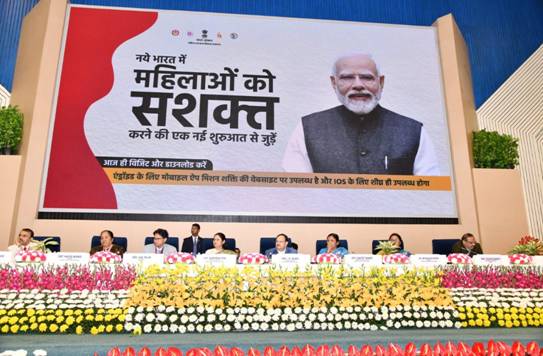
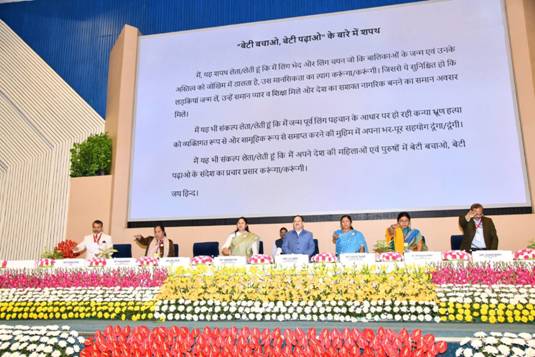
Union Minister of Health and Family Welfare Shri Jagat Prakash Nadda and Union Minister of Women and Child Development, Smt. Annpurna Devi jointly inaugurated the 10 years anniversary celebration of the Beti Bachao Beti Padhao (BBBP)schemeat Vigyan Bhawan, New Delhi, today. Union Minister of State for Women and Child Development, Smt. Savitri Thakurwas also present at the event. The day signifies a decade of continuous efforts to protect, educate, and empower the girl child in India.


In his special address, highlighting the milestone of completion of 10 years of the Scheme, Shri Nadda stated that “on this day in 2015, the Hon’ble Prime Minister Shri Narendra Modi launched the Beti Bachao, Beti Padhao (BBBP) scheme from Panipat, Haryana as a collaborative effort of the Ministries of Women & Child Development, Education, and Health & Family Welfare with the objectives of addressing declining child sex ratio, preventing female foeticide, and promoting the education and empowerment of girls.” “The success of the scheme lies in the policy shift to mainstream empowerment of women through a holistic Whole of Government approach. We have now moved ahead from women’s development to women-led development”, he added.

Shri Nadda underlined that “the government is working with a holistic approach toward women empowerment and the comprehensive development of girls.” Highlighting the shift in mindset brought in by the government under the leadership of Prime Minister Shri Modi, he stated that “convergence between different ministries and departments has been ensured for effective implementation of BBBP Scheme as the scope and responsibility of the success of the scheme is not limited to the Ministry of Women and Child Development, but also includes collaborative efforts by the Union Health Ministry and Ministry of Education.”

Shri Nadda also highlighted the aspects of the scheme taken care of by the Union Health Ministry like conducting awareness campaigns and sensitization of all the stakeholders about the PC&PNDT Act. He also added that “the government is relentlessly working to ensure nutrition for women and children, provide healthcare to pregnant women through ante-natal checkups by ASHAs in Primary Health Centres, vaccination for pregnant women and children, and increase awareness.”

Shri Nadda emphasized that “due to the government’s efforts, the Maternal Mortality Rate has decreased from 130 deaths per live 100,000 births to 97 deaths, the Infant Mortality Rate declined from 39 deaths per live 1,000 births to 28 deaths per live 1,000 deathssince 2014 and the under-five mortality rate in India has declined 75% which is more than the global average of 60%”. He also highlighted the different schemes of the government launched for women empowerment and their holistic development, like Sukanya Samriddhi Yojana, Ujjwala Yojana, Swachchta Abhiyaan, Startup India, Standup India and Namo Drone Didi.

He also gave the clarion callto women and girlsto become the ambassadors of change themselves by continuing the fight against gender discrimination and ensuring the credibility of their voices through empowerment.

Addressing the gathering, Smt. Annpurna Devi, Union Minister for Women and Child Development (WCD) stated that “BBBP is not only a schemebut an effort to bring about change in the mindsets and behavior of people regarding the girl child and to challenge the discrimination against girls.”She emphasized that “this scheme will contribute to making a Viksit Bharat in Amrit Kaal under the leadership of Prime Minister Shri Narendra Modi”. She underlined the achievements and importance of different schemes and initiatives of WCD like the Mission Vatsalya, Poshan Abhiyan, and Mission Shakti Portal.”

Smt. Savitri Thakur, Union MoS WCD, stated that ” Beti Bachao, Beti Padhao is not only a scheme but also a medium of change in the mindsets of people and an effortto educate, secure, and empower girls.” She urged all the stakeholders to fight against the social evils that inhibit women’s empowermentand to work for improving theirwomen’s capabilities that will not only ensure their development but also contribute to ensuring the vision of  Viksit Bharat.”

After an oath-taking ceremony, a compendium of BBBP Best Practices, Mission Vatsalya Portal, Mission Shakti Portal, and the Mobile App of  Mission Shakti were also launched at the event.

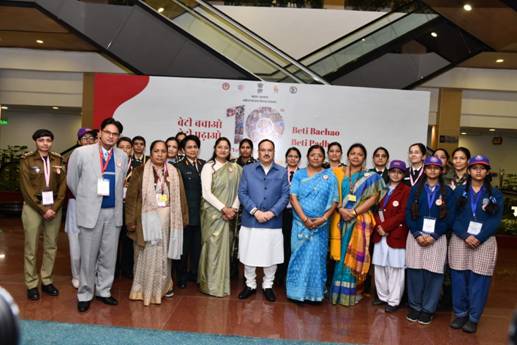
The eventwitnessed the participation of women officers from the armed forces, para-military forces, Delhi police, and women officers of Deputy Secretary and above levels from the Central Ministries. Furthermore, girl students (My Bharat volunteers), Anganwadi supervisors/workers, and representatives of the States and districtswere also invited to participate in the event.

Senior officers from the Government of India were also present at the occasion.

EPFO adds 14.63 lakh members during November 2024

| Published on:

The Employees’ Provident Fund Organisation (EPFO) has released provisional payroll data for November 2024, revealing a net addition of 14.63 lakh members. An increase of 9.07% has been registered in net member addition during the current month as compared to the previous month of October 2024.

Further, the year on year analysis reveals a growth of 4.88% in net member additions compared to November 2023, signifying increased employment opportunities and heightened awareness of employee benefits, bolstered by EPFO’s effective outreach initiatives.

Key highlights of the EPFO Payroll Data (November 2024) are as follows:

New Membership:

EPFO enrolled around 8.74 lakh new members in November 2024. The new members’ addition shows an increase of 16.58% when compared with previous month of October 2024. Further, year on year analysis reveals a growth of 18.80% in the new members addition from the previous year in November 2023. This surge in new memberships can be attributed to growing employment opportunities, increased awareness of employee benefits, and EPFO’s successful outreach programs.

Group 18-25 Leads Payroll Addition:

A noticeable aspect of the data is the dominance of the 18-25 age group, 4.81 lakh new members added in the 18-25 age group constituting a significant 54.97% of the total new members added in November 2024. New members added in the month from 18-25 age group shows an increase of 9.56% compared with previous month of October 2024 and a growth of 13.99% from the previous year in November 2023.

In addition, the net payroll data for the age group 18-25 for November 2024 is approximately 5.86 lakh reflecting an increase of 7.96% compared to the previous month of October 2024. This is in consonance with the earlier trend which indicates that most individuals joining the organized workforce are youth, primarily first-time job seekers.

Rejoined Members:

The payroll data highlights that approximately 14.39 lakh members exited and subsequently rejoined EPFO. This figure represents 11.47% increase compared to the previous month of October 2024. It also depicts a significant year-over-year growth of 34.75% compared to November 2023. These members switched their jobs and re-joined the establishments covered under the ambit of EPFO and opted to transfer their accumulations instead of applying for final settlement thus, safeguarding long-term financial well-being and extending their social security protection.

Growth in Female Membership:

Gender-wise analysis of payroll data unveils that out of the new members added during the month, around 2.40 lakhs are new female members. The comparison with the previous month of October 2024 shows an increase of 14.94%. This figure also exhibits significant year-over-year growth of 23.62% compared to November 2023. Also, the net female member addition during the month stood at around 3.13 lakh reflecting an increase of approximately 12.16% compared to the previous month of October 2024. It also reflects a year over year growth of 11.75% compared to November 2023. The increase in female member additions is indicative of a broader shift towards a more inclusive and diverse workforce.

State-wise Contribution:

State-wise analysis of payroll data denotes that net member addition in the top five states/ UTs constitutes around 59.42% of net member addition, adding a total around 8.69 lakh net members during the month. Of all the states, Maharashtra is leading by adding 20.86% of net members during the month. The states/UTs of Maharashtra, Karnataka, Tamil Nadu, Haryana, Gujarat, Delhi, Telangana and Uttar Pradesh individually added more than 5% of the total net members during the month.

Industry-wise Trends:

Month-on-month comparison of industry-wise data displays significant growth in the members working in establishments engaged in the industries viz.

  1. Societies clubs or associations,
  2. Engineers – engg. contractors,
  3. Textiles,
  4. Garments making,
  5. Electrical, mechanical or general engineering products etc.
  6. Of the total net membership, around 38.98% addition is from expert services (consisting of manpower suppliers, normal contractors, security services, miscellaneous activities etc.).

The above payroll data is provisional since data generation is a continuous exercise, as updating employee record is a continuous process. The previous data gets updated every month on account of:

  1. ECRs being filed for previous months after generation of payroll report.
  2. ECRs filed earlier being modified after generation of payroll reports.
  3. Date of exit from EPF membership for previous months being updated after generation of payroll report.

From the month of April 2018, EPFO has been releasing payroll data covering the period September 2017 onwards. In monthly payroll data, the count of members joining EPFO for the first time through Aadhaar validated Universal Account Number (UAN), existing members exiting from coverage of EPFO and those who exited but re-joined as members, is taken to arrive at net monthly payroll.