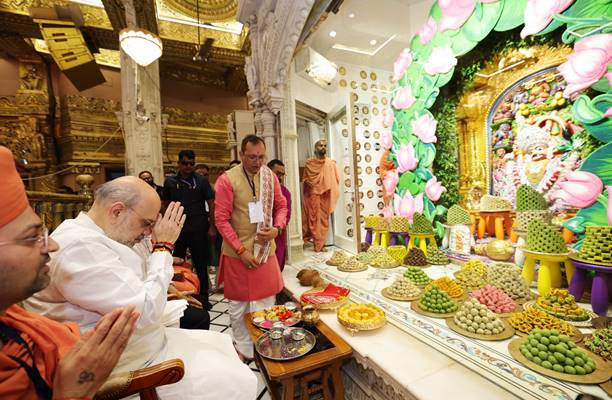
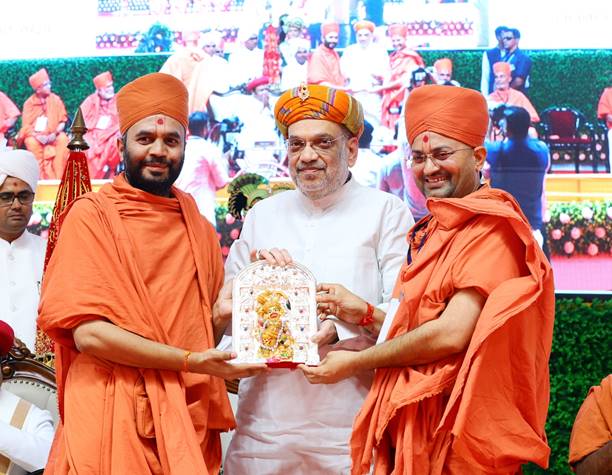
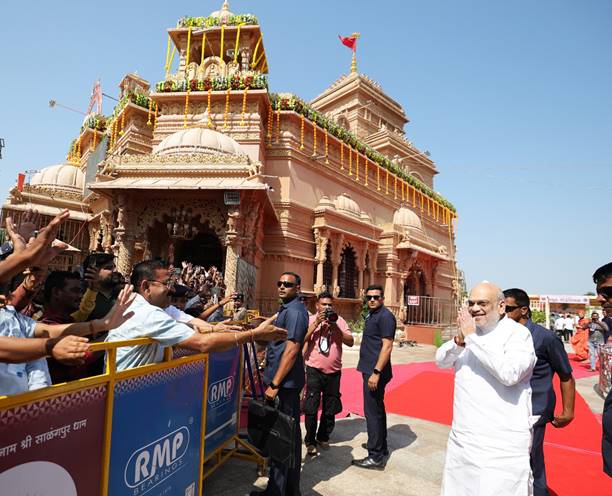
Union Home Minister offered prayers at the Shri Kashtabhanjandev Hanumanji Temple in Gujarat

| Published on:

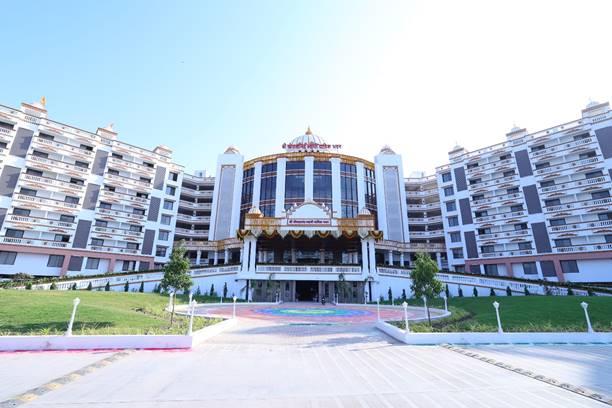
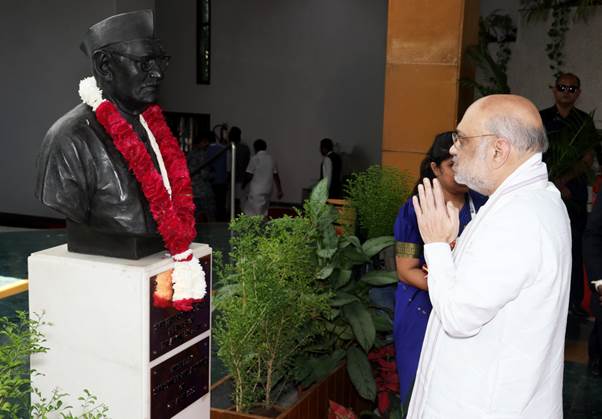
Union Home Minister and Minister of Cooperation Shri Amit Shah, visited and offered prayers at the Shri Kashtabhanjan Dev Hanumanji Temple in Salangpur, Gujarat, and inaugurated the Yatri Bhawan having 1100 rooms, constructed at a cost of 200 crore rupees.

Shri Amit Shah, in his address, first wished Diwali greetings to the people of Gujarat and to all citizens of the country. He mentioned that the grand Yatri Bhawan has been constructed here and being inaugurated on the occasion of Narak Chaturdashi. He stated that this Yatri Bhawan can be claimedas a fully green facility. He emphasized that arrangements have been made for the accommodation of visitors coming from far and wide. Shri Shah noted that the Yatri Bhawan having over 1100 rooms has been built at a cost of approximately Rs. 200 crore covering an area of 9 lakh square feet, and was completed in just two years.

Union Home Minister said that they it was the devotion and strength of Gopalanand Ji Maharaj which enabled establishment of the idol of Lord Hanuman in this temple. He mentioned that this place is also a site of the blessings of Lord Swaminarayan. He said that Gopaland Swamiji has immense dedication, sense of service and deep reverence for Swaminarayan Bhagwan. He is very humble and such souls are only a few. He said that this Yatri Bhawan will also provide shelter and service to the travellers for many years to come.

Shri Amit Shah said that it will be only human to attempt to describe the qualities of Lord Hanuman Ji Maharaj and according to our scriptures, Lord Hanuman ji Maharaj is one of the seven living entities in our world. He said that Tulsidas Ji referred to Hanuman Ji as the ocean of knowledge and virtues. Shri Shah noted that when an ideal devotee, ideal warrior, ideal friend, and ideal messenger dedicates all these qualities at the feet of Lord Shri Ram, he becomes like Hanuman Ji Maharaj and attains immortality.

Union Home Minister and Minister of Cooperation stated that the Kashtabhanjan Dev Hanuman Ji Temple is set to become a place of inspiration in spirituality and devotion for the youth. He mentioned that there are many idols of Hanuman Ji, each embodying various qualities. Shri Shah explained that if the idol is Chaturmukhi (four-faced), it symbolizes the destruction of enemies; if it is Sankatmochan (remover of troubles), it signifies liberation from crises; if it is Dakshinamukhi (facing south), it represents freedom from fear and distress; if it is Panchmukhi (five-faced), it is worshiped for liberation from evil tendencies like Ahiravan; if it is Ekadashi, it represents freedom from demonic tendencies; and if it is Kashtabhanjan, it signifies the removal of all troubles, including those caused by Saturn.

Union Home Minister mentioned that today marks the 149th birth anniversary of Sardar Patel. He noted that Sardar Patel was committed to building a united and powerful India. Shri Shah said, the decision by Prime Minister Narendra Modi to celebrate Sardar Patel’s 150th birth anniversary for two years will not only promote his thoughts and principles but also inspire the youth towards dedication and sacrifice for the country.

Prime Minister greets nation on Diwali

| Published on:

The Prime Minister, Shri Narendra Modi, greeted the nation on the occasion of Diwali today.

The Prime Minister posted on X:

“देशवासियों को दीपावली की अनेकानेक शुभकामनाएं। रोशनी के इस दिव्य उत्सव पर मैं हर किसी के स्वस्थ, सुखमय और सौभाग्यपूर्ण जीवन की कामना करता हूं। मां लक्ष्मी और भगवान श्री गणेश की कृपा से सबका कल्याण हो।”

Prime Minister participates in the 16th BRICS Summit

| Published on:

Prime Minister Shri Narendra Modi participated in the 16th BRICS Summit held under Russia’s Chairship, in Kazan today.

The BRICS leaders had productive discussions including on strengthening multilateralism, countering terrorism, fostering economic growth, pursing sustainable development and bringing spotlight on the concerns of the Global South. The leaders welcomed the 13 new BRICS partner countries.

​Prime Minister addressed two sessions of the BRICS Summit. In his address, PM noted that the Summit is happening at a time when the world is undergoing several uncertainties and challenges including conflicts, adverse climatic impacts, and cyber threats, placing greater expectations upon BRICS. PM suggested that the group take a people-centric approach to tackle these challenges. PM also underlined the need for early adoption of a Comprehensive Convention on International Terrorism at the United Nations to combat the menace of terrorism.

PM called upon BRICS to proactively push for global governance reforms. Recalling the Voice of Global South Summits hosted by India during its G-20 Presidency, he stressed that the group must give primacy to the concerns of the Global South. PM noted that the regional presence of the New Development Bank including in GIFT city, India, has created new values and impacts. Highlighting BRICS’ activities to foster economic growth, he emphasized that its efforts on trade facilitation in agriculture, resilient supply chains, e-commerce and Special Economic Zones have generated new opportunities. He underlined the need to prioritise small and medium scale industries. He expressed that the BRICS Startup Forum initiated by India which is to be launched this year would add significant value to the BRICS economic agenda.

Prime Minister elaborated on the recent green initiatives undertaken by India including the International Solar Alliance, Coalition for Disaster Resilient Infrastructure, Mission LIFE and Green Credit initiative announced during COP28. He invited BRICS countries to join these initiatives.

Prime Minister congratulated President Putin for successfully hosting the 16th BRICS Summit and conveyed wishes to Brazil as it takes over the presidency of the group. At the conclusion of the Summit, the leaders adopted the ‘Kazan Declaration’.

Prime Minister’s Remarks at the Open Plenary of the 16th BRICS Summit

| Published on:

Your Highness,
Excellencies,

Ladies and Gentlemen,

Congratulations to President Putin for the excellent organisation of the 16th BRICS Summit.

And, once again, a warm welcome to all the new friends who have joined BRICS. In its new avatar, BRICS accounts for 40 per cent of the world’s humanity and about 30 per cent of the global economy.

In the last nearly two decades, BRICS has achieved many milestones.I am confident that in the times to come, this organisation will emerge as a more effective medium to face global challenges.

I would also like to convey warm greetings to Her Excellency Dilma Rousseff, President of the New Development Bank.

Friends,

In the last ten years, this bank has emerged as an important option for the development needs of the countries of the Global South.The opening of GIFT or Gujarat International Finance Tech City in India as well as regional centres in Africa and Russia has boosted the activities of this bank. And, development projects worth about USD 35 billion have been sanctioned. NDB should continue to work on the basis of the demand driven principle. And, while expanding the bank, ensuring long-term financial sustainability, healthy credit rating and market access should remain a priority.

Friends,

In its new expanded avatar, BRICS has emerged as an economy of more than USD 30 trillion dollars.The BRICS Business Council and the BRICS Women Business Alliance have played a special role in increasing our economic cooperation.

This year, the consensus reached within BRICS on WTO reforms, trade facilitation in Agriculture, resilient supply chains, e-commerce and Special Economic Zones will strengthen our economic cooperation.Amidst all these initiatives, we should also focus on the interests of small and medium scale industries.

I am pleased that the BRICS Startup Forum proposed during India’s presidency in 2021 will be launched this year. The Railway Research Network initiative taken by India is also playing an important role in increasing logistics and supply chain connectivity among BRICS countries. This year, the consensus reached by BRICS countries, in collaboration with UNIDO, to prepare a skilled work force for Industry 4.0 is quite significant.

The BRICS Vaccine R&D Centre launched in 2022 is helping increase health security in all the countries. We would be happy to share India’s successful experience in Digital Health with BRICS partners.

Friends,

Climate Change has been a subject of our common priority.

The consensus reached for the BRICS Open Carbon Market Partnership under Russia’s presidency is welcome. In India too, special emphasis is being laid on green growth, climate resilient infrastructure and green transition. Indeed, India has taken up several initiatives like the International Solar Alliance, Coalition for Disaster Resilient Infrastructure, Mission LiFE i.e. Lifestyle for Environment, Ek Ped Maa Ke Naam or a Tree in the name of mother.

Last year, during COP-28, we started an important initiative called Green Credit.I invite BRICS partners to join these initiatives.

Special emphasis is being laid on the construction of infrastructure in all BRICS countries.

We have established a digital platform called the Gati-Shakti portal to rapidly expand multi-modal connectivity in India. This has helped in integrated infrastructure development planning and implementation and has reduced logistics costs.

We will be happy to share our experiences with all of you.

Friends,

We welcome efforts to increase financial integration among BRICS countries.

Trade in local currencies and smooth cross-border payments will strengthen our economic cooperation. The Unified Payments Interface (UPI) developed by India is a huge success story and has been adopted in many countries.

Last year, together with His Highness Sheikh Mohamed, it was launched in the UAE as well. We can also cooperate with other BRICS countries in this area.

Friends,

India is fully committed to increasing cooperation under BRICS.

Our strong belief in our diversity and multipolarity is our strength. This strength of ours, and our shared belief in humanity, will help in giving a meaningful shape to a prosperous and a bright future for the generations to come.

I thank everyone for today’s very important and valuable discussions.

As the next President of BRICS, I extend my heartfelt best wishes to President Lula. India will give its full support for the success of your BRICS presidency.

Once again, many thanks to President Putin and all the leaders.

DISCLAIMER – This is the approximate translation of Prime Minister’s remarks. Original remarks were delivered in Hindi.

Prime Minister’s Remarks at the Closed Plenary of the 16th BRICS Summit

| Published on:

Your Highness,
Excellencies,

I express my heartfelt gratitude to President Putin for the wonderful organisation of todays, meeting.

I am very pleased that we are meeting for the first time today, as the extended BRICS Family.I warmly welcome all the new friends that have joined the BRICS family.

I congratulate President Putin for Russia’s successful Presidency of BRICS over the last one year.

Friends,

Our meeting is taking place at a time, when the world is facing several pressing challenges such as wars, economic uncertainty, climate change and terrorism. The world is talking about the North South divide and the East West divide.

Preventing inflation, ensuring food security, energy security , health security, water security, are matters of priority for all countries in the world.

And in this era of technology, new challenges have emerged such as cyber deepfake, disinformation.

At such a time, there are high expectations of BRICS. I believe that as a diverse and inclusive platform, BRICS can play a positive role in all areas.

In this regard, our approach must remain people centric.We have to give the world the message that BRICS is not a divisive organisation but one that works in the interest of humanity.

We support dialogue and diplomacy, not war. And just as we were able to overcome a challenge like COVID together, we are certainly able to create new opportunities to ensure a secure , strong and prosperous future for future generations.

In order to counter terrorism and Terror financing, we need the single minded, firm support of all. There is no place for double standards on this serious matter. We need to take active steps to stop radicalization of youth in our countries.

We must work together on the long pending matter in the UN of the Comprehensive Convention on International Terrorism.

The same way, we need to work on global regulations for cyber security and for safe and secure AI.

Friends,

India is ready to welcome new countries into BRICS as Partner Countries.

In this regard all decisions should be taken by consensus, and the views of BRICS founding members should be respected. The Guiding principles , standards, criteria and procedures adopted during the Johanesburg summit, should be complied with by all members and partner countries.

Friends,

BRICS is an organisation, which is willing to evolve with time.By giving our own example to the world we must collectively and in a united manner, raise our voice for reforms of global institutions.

We must move forward in a time bound manner on reforms in global institutions such as the UN Security Council, Multilateral development banks, and the WTO.

As we take our efforts forward in BRICS, we must be careful to ensure that this organisation does not acquire the image of one that is trying to replace global instutions, instead of being perceived as one that wishes to reform them.

The hopes , aspirations and expectations of the countries of the Global south must also be kept in mind. During our Voice of Global South Summits and G20 Presidency, India put the voices of these countries on the global stage.I am pleased that these efforts are being strengthened under BRICS as well.Last year countries of Africa were integrated into BRICS.

This year, as well, several countries of the Global south have been invited by Russia.

Friends,

The BRICS grouping , created by the confluence of different viewpoints and ideologies, is a source of inspiration for the world,fostering positive cooperation.

Our diversity, respect for each other and our tradition of moving forward on the basis of consensus, are the basis for our cooperation.This quality of ours, and our BRICS spirit, are attracting other countries as well to this forum. I am confident that in the times to come we will together make this unique platform a model for dialogue, cooperation and coordination.

In this regard, as a Founding member of BRICS, India will always continue to fulfill its responsibilities.

Once again, a big thank you to all of you.

DISCLAIMER – This is the approximate translation of Prime Minister’s remarks. Original remarks were delivered in Hindi.

Dharmendra Pradhan addresses Australian International Education Conference

| Published on:

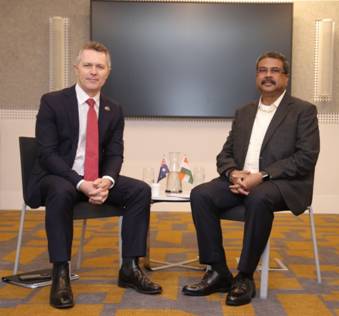
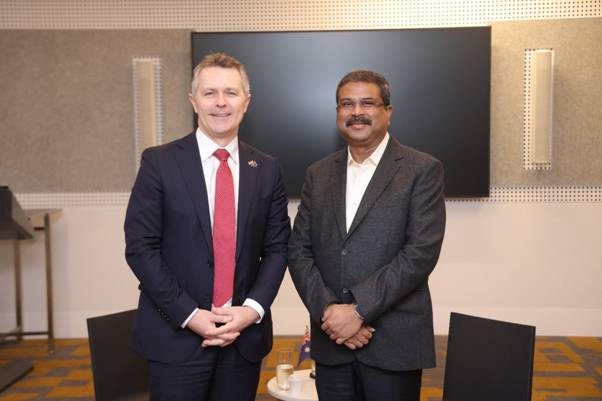
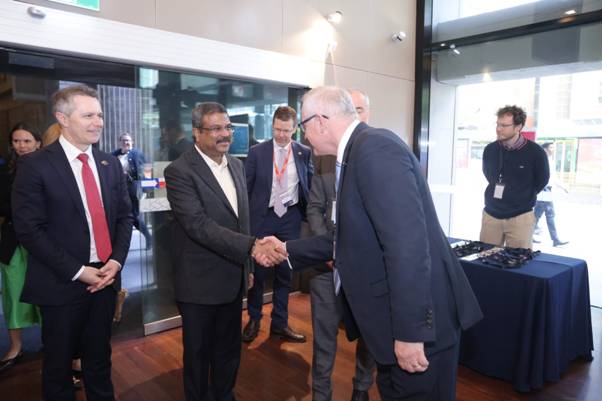
Union Minister for Education, Shri Dharmendra Pradhan, delivered the plenary speech at the Australian International Education Conference in Melbourne, Australia, today. Shri Pradhan also held a Bilateral Meeting with his counterpart Minister for Education, Government of Australia, Mr. Jason Clare MP. Members of the Indian delegation, heads of the universities of both countries, and other dignitaries were also present at the event.

Shri Pradhan in his speech commended the strong and evolving partnership between India and Australia that ties the history of the two countries and will also pave the way for a brighter future together. He also reaffirmed the further strengthening of these ties under the visionary leadership of Prime Minister Shri Narendra Modi and Prime Minister of Australia Mr. Anthony Albanese.

Shri Pradhan also highlighted that in the 4th Industrial Revolution, education must prepare students to be creators and managers of technology. India’s National Education Policy provides a framework emphasising digital literacy, soft skills, critical thinking, and interdisciplinary studies to adapt to evolving job markets, he added.

Shri Pradhan emphasized that cooperation in education is the fulcrum of the India-Australia relationship. He stated that the main objective is to enhance India’s education system into a competency-based framework, focusing on skills-based education as outlined in India’s National Education Policy (NEP).

The Minister spoke about how NEP 2020 has transformed India’s learning landscape into a powerhouse of possibilities, the enduring India-Australia ties and the remarkable strides made in education cooperation powered by NEP 2020. The establishment of Australian university campuses in India is just the beginning, with much more potential to be realized, he added.

He also added that together, the countries can advance knowledge, leverage technology for global challenges, and create endless opportunities for innovation and entrepreneurship for the students.

The Minister also expressed that as a ‘Vishwa-Bandhu’, India is committed to being a trusted partner in human-centric development. The idea is to build and nurture global citizens, contributing to a brighter future for the next generation, he said.

Mr. Jason Clare MP, in his speech, emphasised the importance of a good education system that can change more than just lives. It can change nations, he added. Commending India’s education systems, he said that by 2035 one in four people around the world who get a university degree will get it in India. He mentioned how Australian universities like Deakin had been in India for 30 years and now Wollongong has one campus. He expressed his gratitude to Shri Pradhan for encouraging these initiatives. He also praised the work the six Innovative Research Universities are doing by exploring options for a consortium campus in India.

Earlier in the day, Shri Pradhan also met Mr. Jason Clare MP for a discussion regarding shared priorities of India and Australia in early childhood care, capacity building of teachers, and the potential for school twinning initiatives. Building on the strong institutional linkages between Indian and Australian higher education institutions, they agreed to further strengthen the partnership in critical and emerging technologies. They also explored the possibility of establishing branch campuses of Australian universities in India.

During these discussions, Shri Pradhan also met the Assistant Minister of Foreign Affairs, Mr. Tim Watts MP.

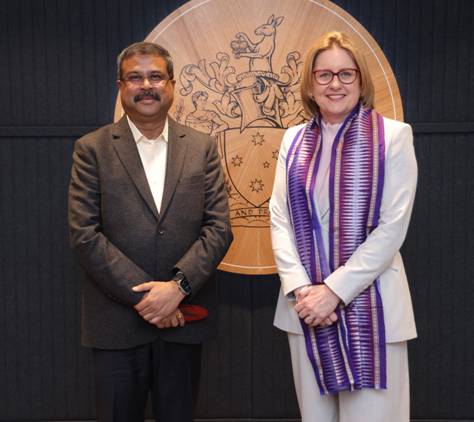
Shri Pradhan met Mrs. Jacinta Allan MP, Premier of Victoria, Australia. He highlighted that Victoria is home to the largest Indian diaspora in Australia. They had engaging conversations on ways to strengthen institutional linkages of schools and universities in Victoria with India.

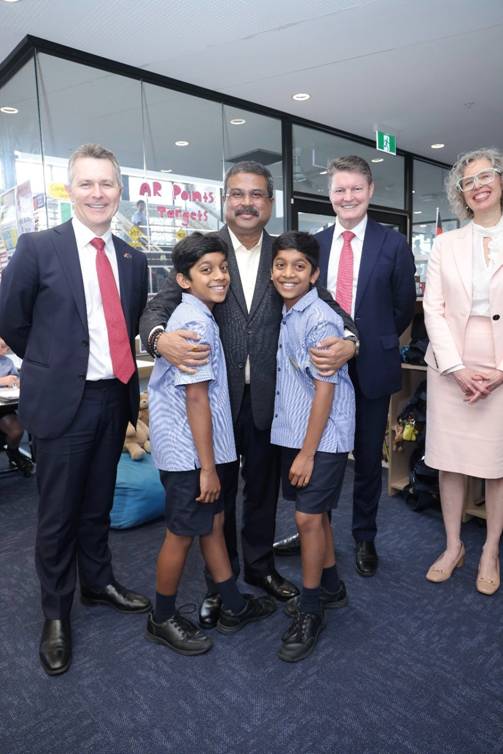
Shri Pradhan also visited South Melbourne Primary School and engaged with young learners. He explored the school’s innovative approaches to early childhood education. He emphasized how NEP 2020 in India places a strong focus on Early Childhood Care and Education (ECCE), which is essential for a child’s holistic development. He reaffirmed his commitment to adopting global best practices to make early learning universal, enjoyable, and stress-free.

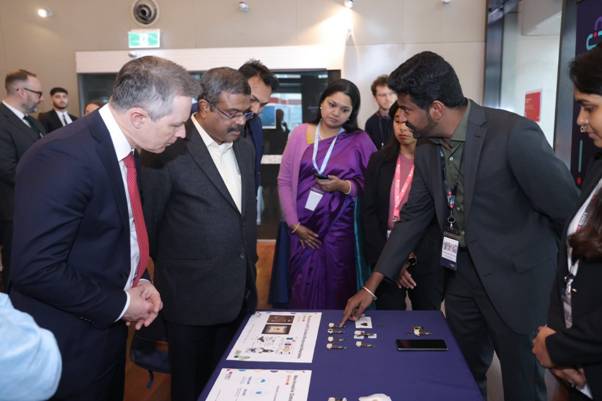
Shri Dharmendra Pradhan visited the Royal Melbourne Institute of Technology (RMIT), a hub for technology, design, and enterprise. He explored their ‘Discovery to Device’ med-tech facility, fast-tracking ideas to products. He also appreciated the university’s emphasis on industry experience, hands-on skills, and focus on transforming ideas into products. Shri Pradhan explored how RMIT can partner and work with top Indian HEIs to equip Indian students with future skills and jobs.

Discovery to Device transforms ideas into products, through prototyping and scale-up manufacture, to create real-world impact.

Shri Pradhan also visited Monash University, which has notably welcomed Indian students since the late 1960s. Shri Pradhan received key insights into the university’s research & innovation ecosystem and their plans to strengthen educational ties with Indian institutions through its New India Plan. He also toured the Innovation Lab & Center for Nanofabrication— commending their impressive facilities supporting talent in driving ideas into impactful innovations.

In a significant move to enhance bilateral cooperation in the education sector, Shri Pradhan is visiting Australia from 22 to 26 October 2024. The visit is expected to foster collaboration, participation, and synergy in critical areas of mutual interest in education. Earlier this week from 20-21 October, Shri Pradhan visited Singapore and met the Prime Minister, Deputy Prime Minister, Education Minister and other dignitaries to expand bilateral cooperation in skill-based education and research.

Prime Minister’s opening remarks during bilateral meeting with President of Russia

| Published on:

Excellency,

I sincerely express my gratitude for your friendship, warm welcome, and hospitality. I am delighted to have the opportunity to visit such a beautiful city as Kazan for the BRICS summit. This city shares deep and historical ties with India. The opening of a new Indian consulate in Kazan will further strengthen these ties.

Excellency,

My two visits to Russia in the past three months reflect our close coordination and deep friendship. Our cooperation in every field has been strengthened by our Annual Summit held in Moscow in July.

Excellency,

I congratulate you on the successful chairmanship of BRICS over the past year. In the last fifteen years, BRICS has established its unique identity, and now severeal countries around the world wish to join it. I look forward to participate in the BRICS Summit.

Excellency,

We have remained in regular contact regarding the ongoing conflict between Russia and Ukraine. As I have stated before, we believe that the resolution of issues should be achieved through peaceful means only. We fully support the earliest possible restoration of peace and stability. All our efforts prioritize humanity. India remains ready to provide all possible assistance in the future as well.

Excellency,

Today is yet another important opportunity to share our thoughts on all these matters. Once again, many thanks.

DISCLAIMER – This is the approximate translation of Prime Minister’s remarks. Original remarks were delivered in Hindi.

Raksha Mantri & his Singaporean counterpart co-chair 6th India-Singapore Defence Ministerial Dialogue in New Delhi

| Published on:

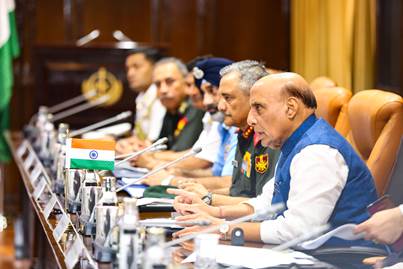
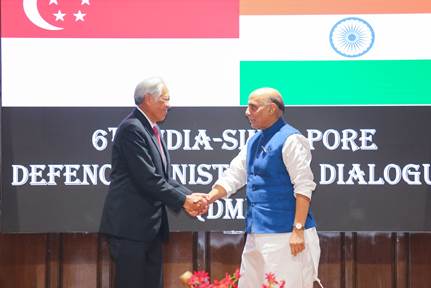
Raksha Mantri Shri Rajnath Singh and Minister of Defence of Singapore Dr Ng Eng Hen co-chaired the sixth India-Singapore Defence Ministerial Dialogue in New Delhi on October 22, 2024. Both Ministers acknowledged the deep and long-standing bilateral defence relations based on shared outlook on regional peace, stability and security.

This meeting assumes significance in the backdrop of India marking a decade of its Act East policy, in which Singapore has played a key role in promoting economic cooperation & cultural ties, and developing strategic connectivity with countries in the region.

Both Ministers expressed satisfaction at the growing defence cooperation between the two countries. There have been regular engagements between the Armed Forces of the two countries in recent years.

As 2025 marks 60 years of establishment of diplomatic relations between India and Singapore, both Ministers agreed to further step up defence cooperation and agreed to achieve new feats. They also agreed to extend bilateral agreement on Joint Military Training Army for the next five years.

Recognising that both nations are natural partners for commencing co-development and co-production of defence equipment, both sides agreed to enhance industry cooperation, including exploring collaboration in niche domains such as automation and Artificial Intelligence. The two Ministers also decided to take forward the cooperation in emerging areas like cyber security.

Shri Rajnath Singh thanked Dr Ng Eng Hen for Singapore’s support as country coordinator for India in ASEAN Defence Ministers’ Meeting – Plus from 2021 to 2024. The Defence Minister of Singapore acknowledged that India is a strategic voice for Asia’s peace and stability. The bilateral relationship was recently elevated to Comprehensive Strategic Partnership during the visit of Prime Minister Shri Narendra Modi to Singapore.

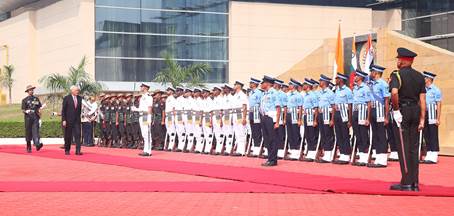
Prior to the Dialogue, the visiting dignitary was accorded a ceremonial welcome and a Tri-Service Guard of Honour.

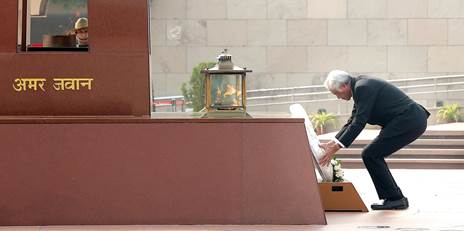
Earlier, the Singaporean Defence Minister laid a wreath and paid homage to the fallen heroes at the National War Memorial, New Delhi.

Union Cooperation Minister inaugurates several farmer welfare activities worth ₹300 crore in Anand, Gujarat

| Published on:

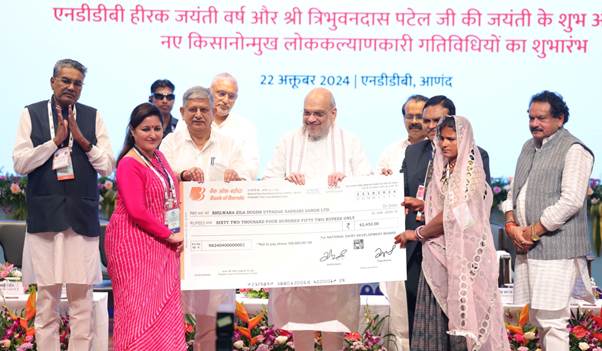
Union Home Minister and Minister of Cooperation Shri Amit Shah, today inaugurated several farmer welfare schemes worth ₹300 crore during the National Dairy Development Board’s (NDDB) diamond jubilee celebration along with the commemoration of birth anniversary of Shri Tribhuvandas Patel in Anand, Gujarat. On this occasion, several dignitaries were present, including the Union Minister for Panchayati Raj, Fisheries, Animal Husbandry & Dairying, Shri Rajiv Ranjan Singh.

In his address, Shri Amit Shah said that under the leadership of Prime Minister Shri Narendra Modi, the Standard Operating Procedures (SoP) for the recently launched White Revolution 2.0 have been released, incorporating all the key farmer-friendly points outlined by the Prime Minister. He mentioned that Cooperative Sector will empower one lakh new and existing dairies, and the second white revolution will expand milk routes.

Shri Shah said that Tribhuvandas ji was a personality whose hardworking life is difficult to describe. Setting aside his personal interests, Shri Tribhuwandas Patel worked with a unique vision for the empowerment of the country’s poor farmers. He worked for the empowerment of the poor farmers of the country by renouncing self. Throughout his life, Tribhuvandas ji distanced himself from personal gain and dedicated his efforts to connecting every farmer in the country with the true spirit of cooperation, achieving great success in this endeavor. Shri Shah said that it is because of Tribhuvan Das Ji that 5 crore cattle rearers of the country sleep peacefully and today crores of farmers of the country, especially women, are prospering. Tribhuvan Das Ji created a small cooperative society which today is doing business worth thousands of crores of rupees by connecting 2 crore farmers of the country with the cooperative sector.

https://static.pib.gov.in/WriteReadData/userfiles/image/image002SJI2.jpg

Union Home Minister and Minister of Cooperation said that in 1964, former Prime Minister Shri. Lal Bahadur Shastri visited Amul Dairy and decided that not only Gujarat but livestock owners across the entire country should benefit from this successful model. Following this, Shastri ji decided to establish the NDDB. He said that in 60 years, NDDB has not only empowered and organised cooperative sector, farmers and mothers and sisters across the country, but has also worked to raise their awareness about their rights. He said that when animal husbandry is done through cooperatives, it not only brings prosperity to farmers but also addresses the issue of malnourished children in the country.  The trust built through Amul has not only empowered women but also laid the foundation for creating strong citizens by providing nutrition to children.

https://static.pib.gov.in/WriteReadData/userfiles/image/image003DZ38.jpg

Shri Amit Shah said that NDDB accelerated the development of the rural sector and the country as well as made agriculture self-reliant. He said Tribhuvan ji had laid the foundation of NDDB which has today become a very big institution not only in the country but in the world. He said that in 1987, NDDB became an official institution, and from 1970 to 1996, it developed and implemented the Operation Flood program, which led to the White Revolution. He noted Amul is conducting annual business worth ₹60,000 crore today which was initially built on the very small shared capital from women. Shri Shah said that in 1964, when Lal Bahadur Shastri ji decided to establish NDDB, no one knew that it will grow akin to a small seed growing one day into a massive banyan tree. NDDB’s liquid milk sales have reached 427 lakh liters per day, with procurement at 589 lakh liters per day. Its revenue has increased from ₹344 crore to ₹426 crore, and the net profit stands at ₹50 crore.

Union Home Minister and Minister of Cooperation said that NDDB has started processing vegetables, allowing the vegetables produced by our farmers to reach the entire world, and the profits will be distributed down to the grassroots under the cooperative model. He said that the Gobardhan scheme has led to the conservation and enhancement of our land, increased yields, improved farmer prosperity, and a cleaner environment. Gas and fertilizer are being produced from cow dung, and carbon credit payments are reaching our mothers and sisters. Shri Shah stated that Prime Minister Shri Narendra Modi has implemented the Gobardhan scheme on the ground through visionary decision-making. He also mentioned that NDDB has registered 10,000 Farmer Producer Organizations (FPOs).

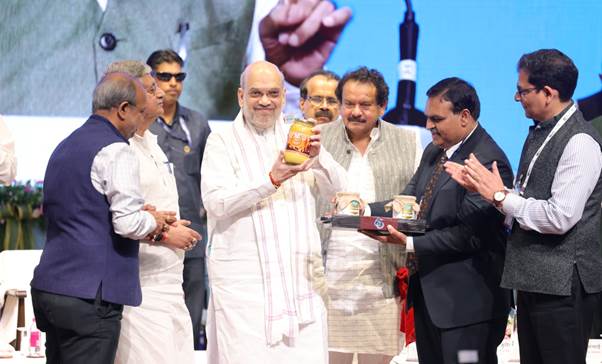
Shri Amit Shah mentioned that after NDDB’s initiative, all plants in the dairy sector will now be built in India under the Make in India program. He mentioned that today the foundation stone was laid for a Mother Dairy fruit and vegetable processing unit worth ₹210 crore. Additionally, the Badri Ghee from Uttarakhand and the Gir Ghee brand from Mother Dairy were also launched today. He said that branding the cooperative’s products and preparing them to compete in the market with corporate goods is key to success. Today, our Amul brand holds the top position globally, which is a significant achievement for us. He also mentioned that farmers of apricots from Ladakh, apples from Himachal, and pineapples from Meghalaya will benefit from the initiatives launched today.

https://static.pib.gov.in/WriteReadData/userfiles/image/image004LYES.jpg

Union Home Minister and Minister of Cooperation said that the Ministry of Cooperation has established three new national-level cooperative institutions. Such new initiatives can only be taken when the leadership is genuinely concerned about the farmers. He said that Prime Minister Shri Narendra Modi has implemented several initiatives and schemes in the cooperative sector. Currently, there are approximately 22 state federations and 231 district federations, along with 28 marketing dairies and 21 milk-producing companies operating in the sector.

Shri Amit Shah said that the Modi government is going to establish 2 lakh new Primary Agricultural Credit Societies (PACS), which will significantly strengthen our cooperative framework. He said that this initiative will enhance the strength of all entities in the cooperative sector. He highlighted that India has surpassed the United States of America with a milk production of 231 million tons, securing the top position in the world. Our milk production growth rate is 6%, while the global growth rate is only 2%. Today, eight crore rural families produce milk daily, but only one and a half crore are connected to the cooperative sector. He emphasized that this means the remaining 6.5 crore families are not receiving fair prices and are being exploited. Union Minister of Cooperation asserted that the government’s goal will be to ensure that in the future, all eight crore farming families involved in milk production receive full compensation for their hard work and are able to connect with the cooperative sector.

Union Home Minister and Minister of Cooperation said that as a result of the campaign to empower cooperatives, the availability of milk in the country which was 40 kilograms per person in 1970, increased to 103 kilograms in 2011, and further rose to 167 kilograms per person in 2023. He noted that the average global milk availability per person is 117 kilograms.


Departure Statement for Prime Minister’s visit to Russia for BRICS Summit

| Published on:

I am departing today on a two day visit to Kazan at the invitation of H.E. Mr. Vladimir Putin, President of the Russian Federation, to attend the 16th BRICS Summit.

India values the close cooperation within BRICS which has emerged as an important platform for dialogue and discussion on issues concerning the global developmental agenda, reformed multilateralism, climate change, economic cooperation, building resilient supply chains, promoting cultural and people to people connect, among others. The expansion of BRICS with the addition of new members last year has added to its inclusivity and agenda for the global good.

Building upon the Annual Summit held in July 2024 in Moscow, my visit to Kazan will further reinforce the Special and Privileged Strategic Partnership between India and Russia.

I look forward to meeting other leaders from BRICS as well.

Today India is working in every sector, in every area with unprecedented speed : PM

| Published on:

The Prime Minister Shri Narendra Modi addressed the NDTV World Summit 2024 in New Delhi today. Addressing the gathering, the Prime Minister welcomed all dignitaries and said that discussions on a multitude of issues would take place at the Summit. He also acknowledged the presence of global leaders from different sectors who would put forth their views.

Reflecting on the past 4-5 years, the Prime Minister pointed out that discussions on the concerns of the future have been a common theme. He mentioned that the recent challenges of Covid pandemic, post covid economic stress, inflation & unemployment, climate change, ongoing wars, disruption of supply chains, death of innocents, geopolitical tensions and conflicts had become a point of discussions in all global summits. Drawing parallels with the discussions taking place in India at the time, the Prime Minister underlined that India is deliberating its century. “India has become a ray of hope in this era of global turmoil. When the world is worried, India is spreading hope”, the Prime Minister remarked. He underlined that even though India is affected by the global situation and the challenges before it, there is a sense of positivity that can be experienced.

“Today, India is working in every sector and area with unprecedented speed”, the Prime Minister said. Noting the completion of 125 days of the third term of the government, Shri Modi threw light on the work done in the country. He mentioned the government’s approval for 3 crore new pucca houses for the poor, initiation of infrastructure projects worth Rs 9 lakh crore, flagging off of 15 new Vande Bharat Trains, foundation stone laying of 8 new airports, a 2 lakh crore package for the youth, Rs 21,000 crore transferred into the bank accounts of farmers, free treatment scheme for citizens above 70 years of age, installation of rooftop solar plants in about 5 lakh homes, plantation of 90 crore saplings under Ek Ped Maa ke Naam campaign, approval for 12 new industrial nodes, SENSEX and NIFTY growing about 5-7 percent, and India’s forex rising to USD 700 billion dollars among others. The Prime Minister also touched upon the global events taking place in India in the past 125 days and mentioned International SMU, Global Fintech Festival, discussion on Global Semiconductor Ecosystem, International Conference for Renewable Energy and Civil Aviation. “This is not merely a list of events but a list of hope associated with India that shows the country’s direction and the world’s hopes”, the Prime Minister said, underlining that these are issues which will shape the future of the world and these are being discussed in India.

The Prime Minister stated that in the third term, India’s growth has accelerated to such an extent that many rating agencies have raised their growth forecasts. He also pointed out the enthusiasm of experts like Mark Mobius, who advised global funds to invest at least 50% of their funds in India’s share market. “When such seasoned experts advocate for major investments in India, it sends a strong message about our potential”, he added.

“India of today is both a developing nation and an emerging  power”, the Prime Minister emphasized, stressing that India understands the challenges of poverty and knows how to pave the path of progress. He highlighted the government’s fast-paced policy-making and decision-making processes and new reforms. Addressing the issue of complacency, the Prime Minister said that this mindset does not drive a nation forward. He underlined that 25 crore people have come out of poverty over the past 10 years and 12 crore toilets have been built and 16 crore gas connections have been provided, but it is not enough.

The Prime Minister further informed that in the last 10 years, India has built over 350 medical colleges and more than 15 AIIMS, established over 1.5 lakh startups and handed out Mudra loans to 8 crore young people. “This is not enough”, the Prime Minister stressed, emphasizing the need for continuous progress of India’s youth. He underlined that India’s potential as one of the world’s youngest nations can take us to great heights, and we have much more to achieve quickly and efficiently.

Highlighting the nation’s shift in mindset, the Prime Minister noted that Governments often compare their achievements with previous administrations, considering surpassing them as success looking back 10-15 years. He emphasized that India is changing this approach and success is no longer measured by achievements but by course of the future’s direction. The Prime Minister further remarked on India’s forward-looking vision and said that India is now moving ahead with a future-focused approach. “Our goal of a Viksit Bharat by 2047 is not just a vision of the government but reflects the aspirations of 140 crore Indians. It’s no longer just a campaign for public participation, but a movement of national confidence”, Shri Modi remarked. He mentioned that lakhs of citizens contributed their suggestions when the government began working on the vision document for Viksit Bharat. He informed that debates and discussions were held in schools, colleges, universities and various organizations and the government set the goals for the next 25 years based on these inputs. “Today, discussions on Viksit Bharat are part of our national consciousness and have become a true example of transforming public power into national strength”, he added.

Talking about AI, the Prime Minister said this is the era of AI and the present and future of the world is linked to AI. He said  India has the advantage of double AI power, the first AI, Artificial Intelligence and the second AI,Aspirational India. Shri Modi said when the power of Aspirational India and Artificial Intelligence combines then it is natural for the pace of development to be faster. Shri Modi underlined that artificial intelligence is not just a technology for India, but a gateway to new opportunities for India’s youth. He mentioned the launch of India AI Mission this year and laid emphasis on increasing the use of AI across sectors like healthcare, education and startups. “India is committed to delivering world-class AI solutions, and through platforms like Quad, we are taking significant initiatives to drive this forward”, he said. Focusing on Aspirational India, the Prime Minister said that the middle class, general citizens, enhancing the quality of life, empowering small businesses, MSMEs, youth, and women is at the heart of the government’s policy making process. The Prime Minister pointed to India’s remarkable progress in connectivity as a prime example of fulfilling national aspirations and said that the government has focused on fast, inclusive physical connectivity which is essential for a developing society, especially in a vast and diverse country like India. Due to this, the Prime Minister said that air travel was given special emphasis. Recalling his vision of affordable air travel, he said those wearing ‘hawai chappal’ should be able to afford air travel and mentioned the UDAN scheme which has completed 8 years in operation. He informed that new airport networks in Tier-2 and Tier-3 cities have made air travel affordable for the masses. Highlighting the success of UDAN scheme, the Prime Minister mentioned that around 3 lakh flights have operated under UDAN, carrying 1.5 crore common citizens so far. He further added that there are over 600 routes under this initiative most connecting smaller towns. He pointed out that the number of airports in India have grown to more than 150 compared to around 70 airports in 2014.

The Prime Minister emphasized the government’s commitment to empowering India’s youth to become a driving force for global growth and highlighted the government’s focus on education, skill development, research, and employment. He said that the result of the efforts in the last 10 years are now visible and mentioned India’s highest improvement globally in research quality as reflected in the latest Times Higher Education ranking. He noted that the participation of Indian universities in international rankings has grown from 30 to over 100 in the past 8–9 years. The Prime Minister  underlined that India’s presence in the QS World University Rankings has increased by more than 300% in the last ten years while the number of patents and trademarks filed in India is at an all-time high. He said that India is fast becoming a global hub for research and development where over 2,500 companies worldwide now have research centers in India, and the country’s startup ecosystem is undergoing unprecedented growth.

Highlighting India’s rising global prominence as a trusted friend,  Shri Modi said India is taking the lead in providing direction to global future in several areas. Reflecting on the Covid-19 pandemic, Shri Modi said that India could have earned millions of dollars from its capacity of essential medicines and vaccines. “India would have benefited from that but humanity would have lost. These are not our values. We supplied medicines and life-saving vaccines to hundreds of countries during these challenging times,’ he said, adding,” I am satisfied that India was able to help the world in difficult moments.” Reinforcing India’s commitment towards building strong international relations, the Prime Minister said that the foundation of India’s relationships is trust and reliability ,it does not believe in taking relationships for granted and the world is also understanding this. Referring to India’s harmonious ties with the rest of the world, Shri Modi said, “India is a country whose progress does not invoke envy or jealousy from others. “The world rejoices from our progress because the entire world benefits from it.” Reflecting on India’s rich contribution to the world, Shri Modi said that in the past Bharat has played a positive role in increasing global growth, adding that its ideas, innovations and products left an indelible mark on the world for centuries. The Prime Minister said that Bharat could not take advantage of the industrial revolution due to colonization. “This is the era of Industry 4.0. India is no longer a slave. It has been 75 years since we gained independence, and therefore, now we are ready with our belts tightened,” Shri Modi added.

The Prime Minister emphasized that India is working swiftly on the skill sets and infrastructure required for Industry 4.0. He noted that during the past decade, he has participated in various global platforms, including G-20 and G-7 summits significant discussion about India’s Digital Public Infrastructure have taken place. “Today, the whole world is looking at India’s DPI,” he stated, referencing his discussions with Paul Romer, who praised India’s innovations like Aadhaar and DigiLocker. “India did not have the first-mover advantage in the era of the internet”, Shri Modi pointed out, noting that private platforms led the digital space in countries with the advantage. He said that India has provided a new model to the world by democratizing technology and highlighted the JAM trinity—Jan Dhan, Aadhaar, and Mobile which provides a robust system for faster and leakage-free service delivery. He also touched on UPI facilitating over 500 million daily digital transactions and said that the driving force behind this is not corporations but our small shopkeepers and street vendors. He also mentioned the PM Gati Shakti platform created to eliminate silos in infrastructure project construction which is now helping to transform the logistics ecosystem. Similarly, the ONDC platform is proving to be an innovation that democratizes and enhances transparency in online retail. Shri Modi underlined that India has demonstrated that digital innovation and democratic values can coexist and reinforced the notion that technology is a tool for inclusion, transparency, and empowerment, rather than control and division.

Shri Modi stated that the 21st century is the most significant period in human history, emphasizing the urgent needs of today’s era: Stability, Sustainability, and Solutions. He noted that these elements are essential for a better future for humanity, with India striving to address them. He noted the unwavering support of the Indian public and said that the people have given a government their mandate for a third consecutive term, sending a strong message of stability for the first time in six decades referring to the recent elections in Haryana where the public reinforced this sentiment.

The Prime Minister highlighted the global crisis of climate change, stating that this is a crisis faced by all of humanity. Despite India’s minimal contribution to the global climate challenge, the country is taking the lead in addressing it, he said. Shri Modi explained that the government has made green transition a key driver of growth adding that sustainability is at the core of India’s development planning. He gave examples of this commitment and mentioned PM Suryagarh Free Electricity Scheme and solar pump schemes for agriculture, EV revolution, Ethanol Blending Program, large wind energy farms, the LED light movement, solar Powered Airports and Biogas Plants. He further added that every program reflects the strong commitment to a green future and green jobs.

The Prime Minister highlighted that alongside Stability and Sustainability, India is also focusing on providing Solutions to address global challenges. He said that over the past decade, India has worked on numerous initiatives essential for tackling these challenges, including the International Solar Alliance, the Coalition for Disaster Resilient Infrastructure, the India-Middle East Economic Corridor, the Global Biofuel Alliance, as well as efforts in Yoga, Ayurveda, Mission Life, and Mission Millets. “All these initiatives represent India’s commitment to finding solutions to the world’s pressing issues” he stated.

Expressing pride in India’s growth, the Prime Minister remarked, “As India progresses, the world will benefit even more.” He envisions a future where India’s century becomes a victory for all of humanity. He said that India’s century thrives on everyone’s talent and is enriched by innovations. Shri Modi stressed the significance of India’s efforts in promoting global stability and peace. “This is a century in which India’s initiatives contribute to a more stable world and enhance global peace”, Shri Modi concluded.

PM commemorates UDAN’s 8th anniversary

| Published on:

The Prime Minister Shri Narendra Modi today commemorated the 8th anniversary of UDAN (Ude Desh ke Aam Nagrik) scheme that has revolutisioned India’s avitation sector.

Shri Modi also highlighted the major impacts of this flagship initiative.

The Prime Minister posted on X:

“Today, we mark #8YearsOfUDAN, an initiative that has transformed India’s aviation sector. From an increase in number of airports to more air routes, this scheme has ensured crores of people have access to flying. At the same time, it has had a major impact on boosting trade and commerce and furthering regional growth. In the times to come, we will keep strengthening the aviation sector and focusing on even better connectivity and comfort for the people.”