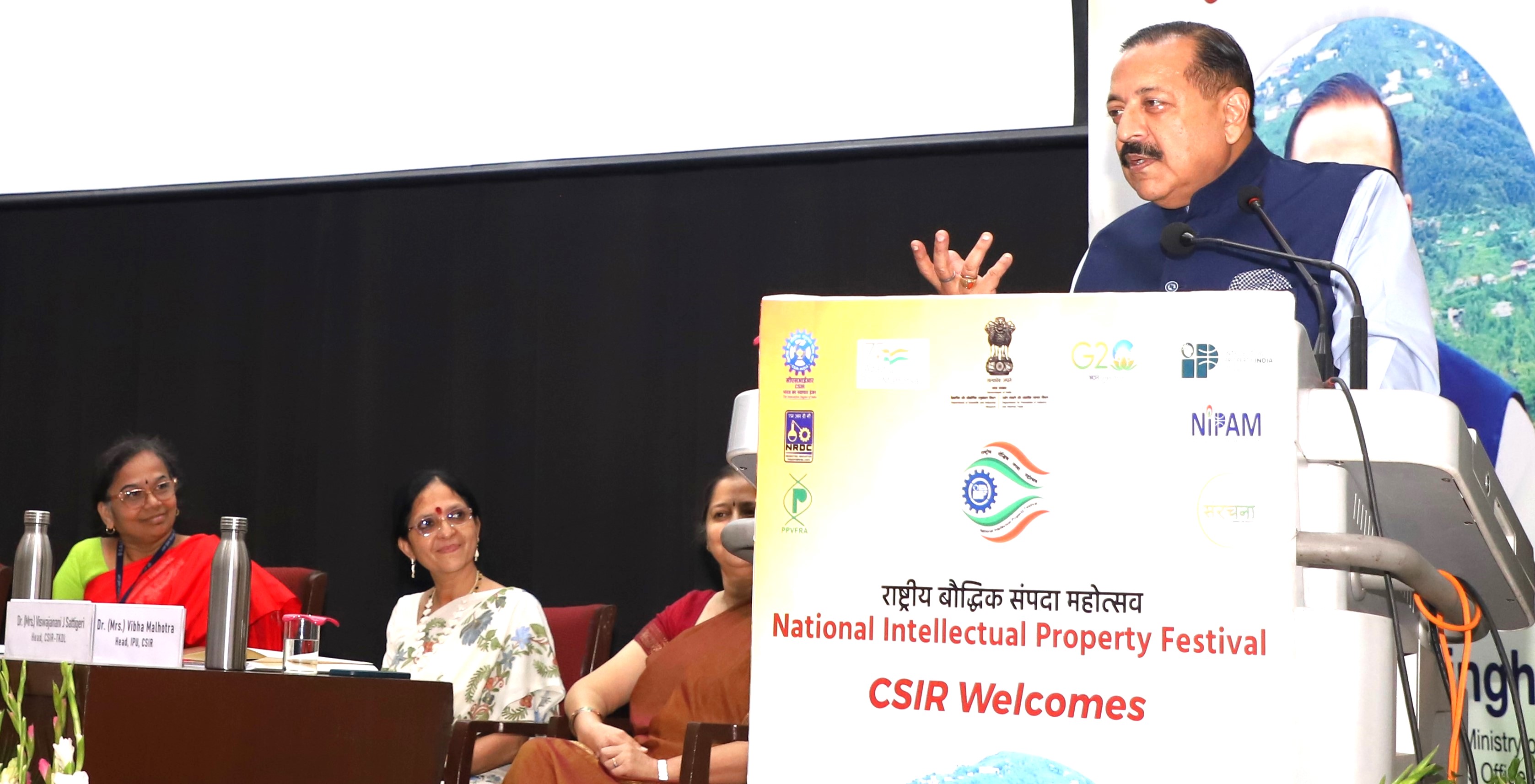
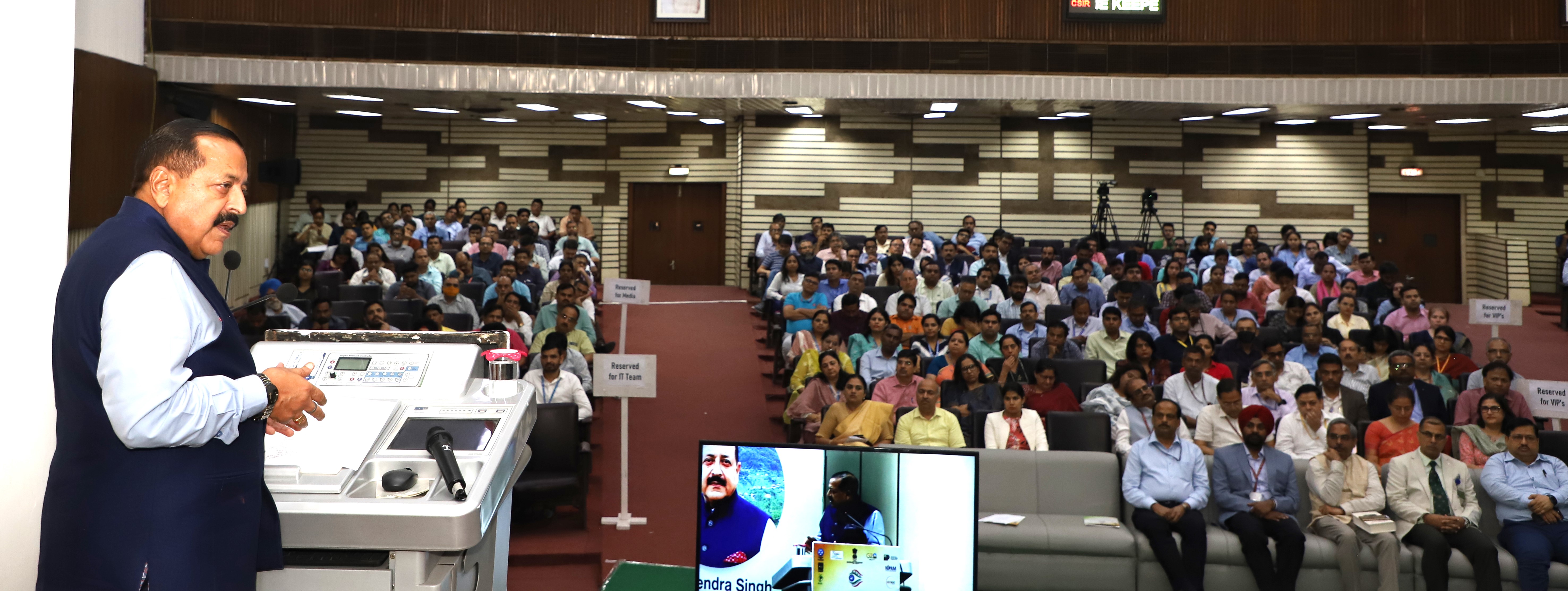
“StartUps Intellectual Property Rights Protection” is aimed at promoting innovation and entrepreneurship: Dr Jitendra Singh

| Published on:

Union Minister of State (Independent Charge) for Science and Technology, MoS PMO, Department of Atomic Energy and Department of Space and MoS Personnel, Public Grievances and Pensions, Dr Jitendra Singh has said that “StartUps Intellectual Property Rights Protection” is aimed at promoting innovation and entrepreneurship.

In his inaugural address at the ‘National Intellectual Property Festival’, organised by the CSIR at the National Physical Laboratory in New Delhi, Dr Jitendra Singh said, the filing of Intellectual Property Rights (IPR) including Patents and Trademark by StartUps, along with Industry linkages will encourage innovation and motivate enterprise in India. Under the leadership of Prime Minister Shri Narendra Modi, after the Government came up with the IPR Act in 2016, the Trademark Registration process has come down to one month, which was more than one year earlier, he said.

“Soon after this, ‘StartUps Intellectual Property Rights Protection’ scheme was brought in, which envisages 80% rebate in patent filing and 40%-50% rebate vis-à-vis the Industry and the companies,” the Minister said.

Dr Jitendra Singh said, Prime Minister  Shri Narendra Modi has launched several schemes which supplement each other to reinforce the StartUp ecosystem and their Capacity Building. “You can couple the StartUps, eg. you have the Mudra scheme, which offers you a loan of 10-20 lakhs without any gratuity, mortgage, almost interest free,” he said.

Pertinent to mention that with the vision to protect IPRs for StartUps, the Government has launched a scheme, Startups Intellectual Property Protection (SIPP) for encouraging innovation and creativity of Startups. The startups are given an 80% rebate on Patent filing fees and a facility for expedited examination of patent applications. Under the new Trademark Rules, Startups have been given a 50% rebate in filing fees vis-à-vis other companies.

Even for promotion of registration of Industrial Designs by StartUps as per the new design amendment rules 2021, the Government has reduced filing and prosecution fees for small entities.

The Minister said, there is a huge round of encouragement and promotion both for StartUps in the terms of being innovative and entrepreneurs.

“In the last nine years, PM Modi has given esteem to science and scientists and also raised it as a subject of international deliberations. Even during his just concluded US visit, the predominant subject in the Joint Statement is science related issues, – from semiconductors to space to International Space Station, Artemis Accords,” said Dr Jitendra Singh.

“In Global Innovation Index we have jumped 31 places, – from 81 to 40; in Startup ecosystem we started very late, in 2016 when PM Modi gave a call from the Red Fort in his Independence Day address, but in just a couple of years we have gone to the No.3 ranking in the Startup ecosystem in the world,” he said.

Dr Jitendra Singh called for combining the digital repository of traditional knowledge and heritage with the modern scientific innovation and by institutionalising this mechanism, we can gain cutting edge in sectors such as Khadi, Aroma Mission and Lavender cultivation.

“I am convinced this is one of the best times happening, optimum times happening, and if we are into this StartUp IPR protection, we have the advantage of supplementing our StartUp ventures with our traditional knowledge, which is not happening as frequently as it could happen here. And if we do that, we would actually have an edge over other countries,” he said.

The  Minister said that in the nine years of the Government led by PM Modi, because he has been carrying that kind of vision, today we are at an equal pace and at an equal level with the developed nations.

“Today, we are equal partners with other nations in technology application. In Quantum Computing, for example, we are in the same league as the developed world,” he said.

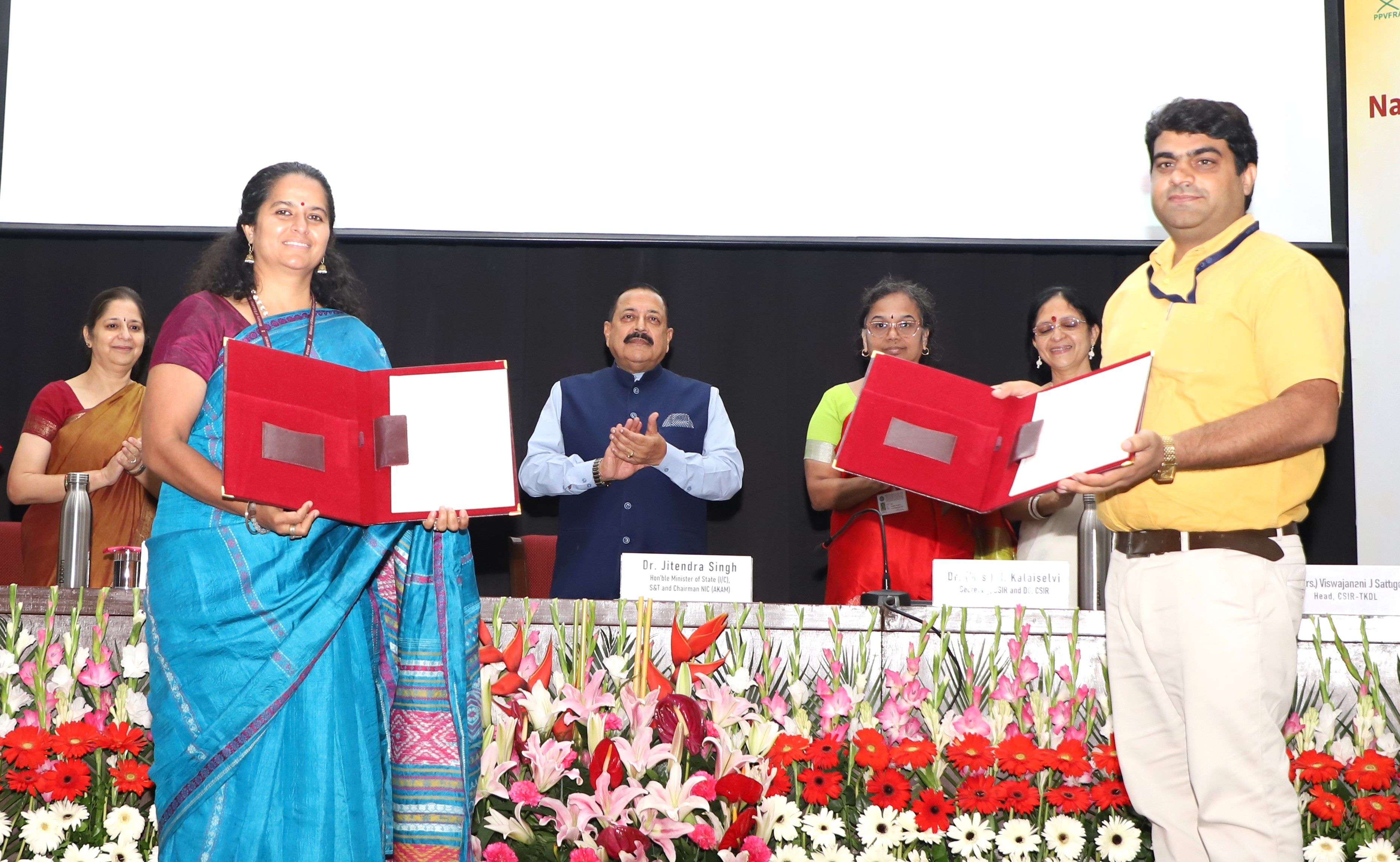
Speaking on the occasion, Secretary, DSIR and DG, CSIR, Dr. (Smt.) N Kalaiselvi said the National Intellectual Property Festival is being celebrated this month, – from 1st to 31st July 2023.

Secretary, DPIIT, Shri Rajesh Kumar Singh and senior scientists and officials of CSIR and DST were present on the occasion.

Sarbananda Sonowal reviews progress of World’s biggest maritime museum complex -NMHC, Lothal

| Published on:

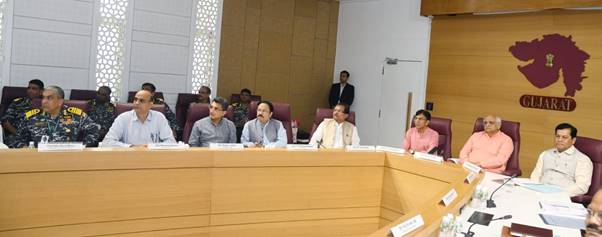
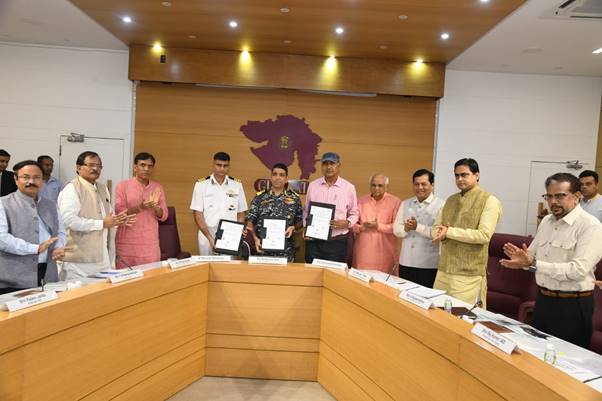
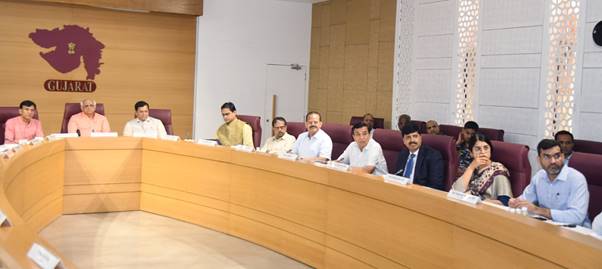
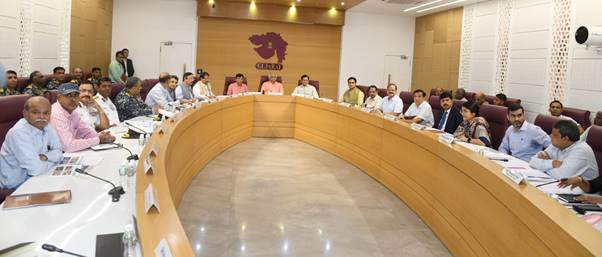
Union Minister of Ports, Shipping and Waterways, Shri Sarbananda Sonowal reviewed the project process of National Maritime Heritage Complex, Lothal in Gandhinagar, Gujarat. This meeting was held along with Shri Bhupendrabhai Patel, Chief Minister, Gujarat, Dr. Mansukh Mandaviya, Minister of Health & Family Welfare and Minister of Chemicals & Fertilizers, Shri Shripad Yesso Naik,  Minister of State for Ports, Shipping and Waterways and Tourism, Shri Shantanu Thakur, Minister of State for Ports, Shipping and Waterways.

An MoU was signed during the meeting with Ministry of Defence (Indian Navy & Coast Guard) towards development of a Naval gallery: “The Journey of Indian Navy & Coast Guard” inside NMHC complex.

Shri Sarbnanda Sonowal said, ‘Under the leadership of our Hon’ble Prime Minister Narendra Modi, Ministry of Ports, Shipping and Waterways is developing National Maritime Heritage Complex at Lothal, Gujarat. This envisages to showcase India’s rich and diverse Maritime Heritage. NMHC is one of the major projects of Sagarmala Programme under MoPSW and will be the world’s biggest Maritime Museum complex’.

He also mentioned, ‘NMHC will act as a centre for learning and understanding India’s diverse maritime history and is being built in such a way that the common man of India can easily understand its history’. Shri Sonowal also conveyed gratitude to the Government of Gujarat for continuously supporting the project development.’

CM of Gujarat has expressed his happiness on the progress of the project and assured full cooperation from the Gujarat state in undertaking various responsibilities assigned to it.

Dr. Mansukh Mandaviya also appreciated the efforts of the Gujarat state government and directed all to further coordinate to complete the project within prescribed timelines.

The Gujarat govt. has allocated 375 acres of land for the project; Additional 25 acres land for development of staff quarters; 4 laning of road from State Highway till NMHC project site which is ongoing; Narmada water supply from about 25 kms which has already been completed; Laying of transmission lines of about 17 kms and funding the setting up of 66 kV GIS substation which is under progress and contribution of Rs. 150 Crore for development of basic internal infrastructure.

NMHC under Sagarmala Programme of the Ministry of Ports, Shipping and Waterways is being developed in an area of about 400 acres with an estimated cost of Rs. 4500 crore and is being further planned to be developed through the funding from public and private institutes or organizations and CSR. The Major Ports of India are contributing a fund of Rs. 209 crore.

During the progress review meeting of this project Shri Shripad Naik, MoS, MoPSW said, ‘NMHC is proposed to be developed as a world class international tourist destination, the first of its kind in the country, comprising of maritime museum, light house museum, maritime theme parks, and amusement parks, etc. It would showcase maritime heritage of the country from ancient to modern times by adopting an edutainment approach’.

‘The NMHC will take us a step ahead towards Amritkal and MIV 2030. This will establish India in the global front and educate individuals about the rich heritage of our Maritime sector’, said Shri Shantanu Thakur, MoS, MoPSW.

Project status:

Construction of a 4-lane road of 1.58 kms from Saragwada village up to the project site is on the verge of completion. Water supply line of 25 kms and water tank of 10 lakh litre capacity has been completed. Physical progress of phase 1A is more than 30%. Gallery tenders for first 5 galleries have been floated and for naval gallery and Lothal town is under final stage of preparation. Special pink stone quarries from Jodhpur have been identified and tied up for NMHC facade works. Connections with various state departments and institutes for artefact in the museums have been established.

NMHC is being developed as a first of its kind in the country dedicated to the legacy of Maritime Heritage of India, it will not only showcase India’s rich and diverse maritime glory but will also highlight the robust maritime history and vibrant coastal tradition of our country at one place that would uplift the image of India’s Maritime Heritage in the international forum.

It is to be noted that, the Ministry of Ports, Shipping and Waterways as part of its commitment to the development of the Port Sector in the country has identified 74 projects worth Rs 57,000 crore under the Sagarmala programme in Gujarat. Out of these, 15 projects worth Rs 9,000 crore have been completed; 33 projects worth more than Rs 25,000 crore are under implementation and 26 projects worth Rs 22,700 crore are under development. Central line ministries, major ports, state maritime board and other state agencies are jointly implementing these projects.

PM launches National Sickle Cell Anaemia Elimination Mission in Shahdol, MP

| Published on:

The Prime Minister, Shri Narendra Modi launched the National Sickle Cell Anaemia Elimination Mission in Shahdol, Madhya Pradesh today and distributed sickle cell genetic status cards to the beneficiaries. The Prime Minister also kickstarted the distribution of about 3.57 crore Ayushman Bharat Pradhan Mantri Jan Arogya Yojana (AB-PMJAY) cards in Madhya Pradesh. During the programme, the Prime Minister honoured Rani Durgavati the ruling queen of Gondwana in the mid-16th century.

Addressing the gathering, the Prime Minister paid tributes to Rani Durgavati and said that the  National Sickle Cell Anaemia Elimination Mission inspired by her is being initiated today. He also mentioned that 1 crore Ayushman Cards are being issued to the people of Madhya Pradesh. The Prime Minister underlined that the biggest beneficiaries of the two major efforts are the people of  Gond, Bhil and other Adivasi societies. He congratulated the people and the double-engine government of Madhya Pradesh on the occasion.

The Prime Minister said that today, from the land of Shahdol, the nation is taking a big pledge of securing the lives of the people from the tribal communities, a resolution of freedom from Sickle Cell Anaemia and saving the lives of 2.5 lakh children and families that are affected by the disease. Recalling his personal experience with the tribal communities, the Prime Minister underlined the painful symptoms and genetic origin of Sickle Cell Anaemia.

The Prime Minister lamented the fact that no attention was paid towards the issue of Sickle Cell Anaemia for the past 70 years even though more than 50 percent of Sickle Cell Anaemia cases in the world arise in India itself. He highlighted the indifference of the past governments towards the Adivasi communities and stated that it was the present government that went on to find a solution for this. For the present government, the Prime Minister said, the Adivasi community is not just an electoral number but a matter of great sensitivity and emotion. The Prime Minister informed that he has been putting in efforts in this direction way before he first became the Chief Minister of Gujarat where he and the present Governor of Madhya Pradesh, Shri Mangubhai C Patel would visit Adivasi communities and create awareness about Sickle Cell Anaemia. He also recalled starting various campaigns in the state as the Chief Minister of Gujarat. He further informed about seeking help from a Nobel Prize-winning scientist during his visit to Japan as the Prime Minister of India.

The Prime Minister said that this campaign for elimination of Sickle Cell Anaemia will become a key mission of the Amrit Kaal. He expressed the determination to free the tribal communities and the country from the menace of Sickle Cell Anaemia by 2047. He underlined the need for a coordinated approach of government, health personnel and tribals. He informed that blood banks are being established for the patients, arrangement for bone marrow transplant is being enhanced, and screening of Sickle Cell Anaemia is being revamped. He asked the people to come forward for screening.

The Prime Minister said that disease affects the entire family as disease pushes the family into the web of penury.  Referring to his own background of poverty, the Prime Minister said that the government knows this pain and is sensitive about helping the patients. These efforts have reduced the cases of TB and the country is working to eliminate TB completely by 2025. Giving facts about the incidence of various diseases, the Prime Minister said in 2013, there were 11,000 cases of Kala Azar, now they have been reduced to less than a thousand. In 2013 there were 10 lakh cases of Malaria which have now come down to less than 2 lakhs in 2022. Similarly, leprosy cases have come down from 1.25 lakh to 70-75 thousand.

“The present Government strives to not only reduce ailments but also minimize the expenses on any ailment”, the Prime Minister remarked as he highlighted the Ayushman Bharat Scheme which has significantly reduced the financial burden on the people due to medical expenses. He informed that 1 crore beneficiaries have been handed Ayushman cards today which will act as an ATM card worth 5 lakh rupees for the poor who have to pay a visit to the hospital. “Be it any part of India, you can show them this card and get free treatment worth 5 lakh rupees”, Shri Modi asserted.

The Prime Minister informed that about 5 crore patients have availed free treatment under the Ayushman Scheme, in the entire country, saving more than one lakh crore rupees of patients. This Ayushman Card is the guarantee of eliminating the biggest worry of the poor. No one has given this guarantee of 5 lakh rupees in the past, it is this government, it is Modi, that has given this guarantee”, the Prime Minister said.

The Prime Minister warned about those who are offering false guarantees and asked the people to identify their shortcomings. Referring to the guarantee of free electricity, the Prime Minister said that it implies that the cost of electricity will rise. Similarly, when a government is offering free rides, it means that the transport system of the state is about to be destroyed, when promises are made for higher pensions, it is a clear indication that the salaries of its employees would be delayed. He also referred to cheap petrol prices on offer and said that it only means increased tax rates for the people. Upon guarantees of employment, the Prime Minister said it is a surety that the newly introduced policies will destroy the industries in the state. Talking a sharp jibe at the opposition, the  Prime Minister said, “The meaning of some political parties is ‘Niyat mein Khot aur Gareeb par Chot’ (evil intentions and the tendency to hurt the poor). In the past 70 years, the previous governments could barely put food on the table for the poor, but the present government is turning the tables by providing a guarantee of free food grains to 80 crore families through Garib Kalyan Yojna”. He also touched upon providing health security to 50 crore beneficiaries through Ayushman Yojna, free gas connections to 10 crore women beneficiaries of Ujjwala Yojna, and loans to 8.5 crore beneficiaries through the Mudra Yojna.

The Prime Minister also talked about the anti-tribal policies of the past. The Prime Minister said that the new National Education Policy has addressed the challenge of language before the tribal students. He lamented the opposition of NEP by the people who gave false guarantees. He informed about more than 400 new Eklavya Schools that are providing residential schooling to tribal kids. 24,000 such students are getting education in  Madhya Pradesh alone.

As opposed to the earlier neglect, the Prime Minister said that the current government gave priority to tribal communities by creating a separate Ministry for Tribal Welfare and increasing the budget of the Ministry three times. 20 lakh titles have been distributed under Forest Rights  Act. Unlike earlier loot, Shri Mddi continued, tribal communities were given their rights and their traditions were honoured by events like Aadi Mahotsav.

Continuing with honouring the tribal heritage, the Prime Minister talked about steps taken in the last 9 years. He listed steps like declaring 15 November, the birth anniversary of Bhagwan Birsa Munda as Janjatiya Gaurav Diwas and museums dedicated to various tribal freedom fighters. He also noted the attitude of many political parties on the election of a tribal woman to the post of the President of India. Giving local examples the Prime Minister highlighted the earlier practice of naming institutions after a single family even in the tribal areas and gave the example of the Shivraj Singh government naming Chhindwara University after great Gond Revolutionary Raja Shankar Shah and naming Patalpani station after Tantya Mama. He also mentioned that the current government rectified the neglect and disrespect of Gond leaders like Shri Dalveer Singh.

The Prime Minister announced that the 500th birth anniversary of  Rani Durgavati will be celebrated by the government of India at national level. A film will be made on her life and a commemorative coin and postal stamp will be issued.

Concluding the address, the Prime Minister asked for the cooperation and blessings of the people to continue these efforts even further. He expressed confidence that the blessings and inspiration of Rani Durgavati will enable Madhya Pradesh to soar to new heights of development and together realize the dream of a developed India.

Governor of Madhya Pradesh, Shri Mangubhai C Patel, Chief Minister of Madhya Pradesh, Shri Shivraj Singh Chauhan, Union Minister for Health and Family Welfare, Dr Mansukh Mandaviya, Union Ministers of States, Members of Parliament, Ministers from Government of Madhya Pradesh and Members of Legislative Assembly were among those present on the occasion.

Background

The Mission aims to address the pressing health challenges posed by sickle cell disease, particularly among the tribal population. The launch will mark a crucial milestone in the Government’s ongoing efforts to eliminate sickle cell disease as a public health problem by 2047. The National Sickle Cell Anaemia Elimination Mission was announced in the Union Budget 2023.  This will be implemented in 278 districts of 17 high-focus states in the country namely Gujarat, Maharashtra, Rajasthan, Madhya Pradesh, Jharkhand, Chhattisgarh, West Bengal, Odisha, Tamil Nadu, Telangana, Andhra Pradesh, Karnataka, Assam, Uttar Pradesh, Kerala, Bihar, and Uttarakhand.

The Prime Minister also kickstarted the distribution of about 3.57 crore Ayushman Bharat Pradhan Mantri Jan Arogya Yojana (AB-PMJAY) cards in Madhya Pradesh. The ceremony for the distribution of Ayushman cards is being organized at Urban bodies, Gram panchayats and Development Blocks across the state. The Ayushman card distribution campaign is a step towards realizing the Prime Minister’s vision of reaching out to every beneficiary to ensure 100 percent saturation of welfare schemes.

During the programme, the Prime Minister honoured Rani Durgavati, the ruling queen of Gondwana in the mid-16th century. She is remembered as a brave, fearless and courageous warrior who fought for freedom against the Mughals.

PM addresses 17th Indian Cooperative Congress in New Delhi

| Published on:

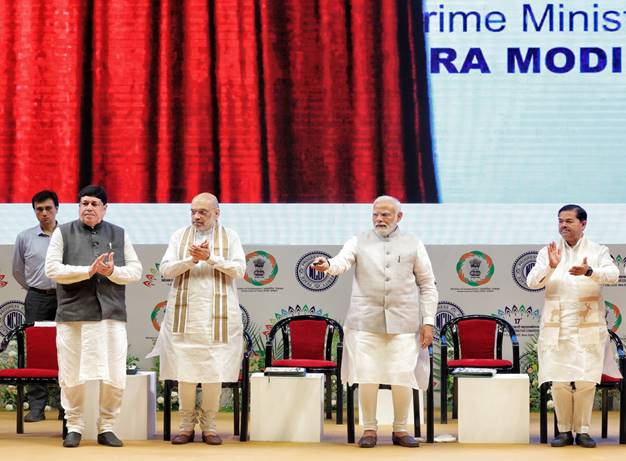
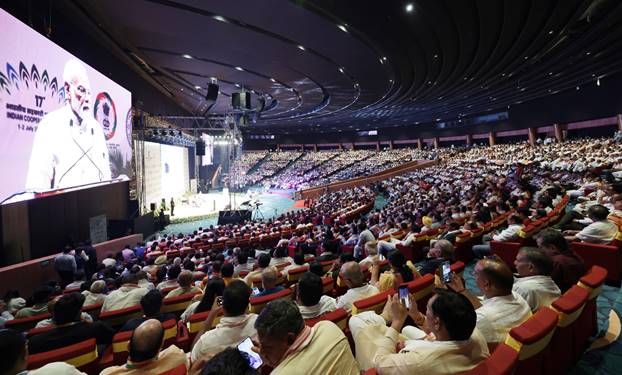
The Prime Minister, Shri Narendra Modi addressed the 17th Indian Cooperative Congress at Pragati Maidan, New Delhi today on the occasion of International Day of Cooperatives. The main theme of the 17th Indian Cooperative Congress is ‘Amrit Kaal: Prosperity through Cooperation for a Vibrant India’. Shri Modi also launched E-Portals of e-Commerce website for Cooperative Marketing, and Cooperative Extension and Advisory Services Portal

Addressing the gathering, the Prime Minister congratulated everyone on the occasion and said that the country is working towards the goal of a ‘Viksit and Atmanirbhar Bharat’. He reiterated the need for ‘Sabka Prayas’ (everyone’s effort) in achieving these goals where the spirit of cooperation sends the message of everyone’s effort. The Prime Minister noted the contributions of the dairy cooperative in making India the world’s leading milk producer and the role of cooperatives in making India one of the top sugar-producing countries in the world. He underlined that cooperatives have become a huge support system for small farmers in many parts of the country. The Prime Minister also noted that the contribution of women in the dairy sector is approximately 60 percent. Hence, the Prime Minister continued, the government decided to strengthen the cooperative sector to achieve the goals of a Viksit Bharat. He informed that it was the first time that a separate ministry was formed and a budget was allocated for cooperatives, and as a result, the cooperatives are being presented with a platform exactly like the corporate sector. The Prime Minister also informed about the measures to strengthen cooperative societies and mentioned the reduction in tax rates. He also informed about the measures to strengthen cooperative banks and gave examples of flexibility in opening new branches and doorstep banking.

Noting the large number of farmers who were linked to the event, the Prime Minister dwelled on the measures undertaken for the farmer’s welfare in the last 9 years. He said, as opposed to the scarce support of the past, further reduced by the middlemen, now, crores of farmers are getting Kisan Samman Nidhi directly in their accounts. In the last 4 years 2.5 lakh crore rupees have been transferred under this scheme in a transparent manner, he said. He put things in perspective by telling the gathering that 2.5 lakh crore is a big amount if we consider the total agriculture budget of 5 years before 2014 which comes out to be less than 90 thousand crores rupees. This means that more than three times the total agriculture budget of those five years was spent on just one scheme.

The Prime Minister also elaborated on the ways of ensuring that farmers are not burdened by the increasing global fertilizer prices. He said that a farmer today pays about Rs 270 for a bag of urea whereas the same bag is priced at Rs 720 in Bangladesh, Rs 800 in Pakistan, Rs 2100 in China and Rs 3000 in the USA. “This shows what a guarantee looks like and what massive efforts are needed to change the lives of the farmers”, he said. The Prime Minister informed that in the last 9 years, more than Rs 10 lakh crore have been spent on just fertilizer subsidies.

Highlighting the seriousness of the government towards providing the right price to the farmers for their produce, the Prime Minister informed that the government bought the farmers’ produce at an increased MSP and handed out more than 15 lakh crores to the farmers in the last 9 years. “On average, the Government is spending more than 6.5 lakh crores yearly on agriculture and farmers”, Shri Modi said. “The government is making sure that every farmer in the country receives around 50 thousand rupees every year in some way or the other”, he asserted.

Continuing with the farmer welfare approach of the government, Shri Modi, informed about the recent package of Rs 3 lakh 70 Thousand crore and fair and remunerative price for the sugarcane farmers of Rs 315 per quintal. This will directly benefit 5 lakh sugarcane farmers and people working in sugar mills.

The Prime Minister said that during the Amrit Kaal, the role of the cooperative sector in the growth of villages and farmers is going to be big. “Sarkar and Sahkaar (Government and cooperative) will together provide double strength to the dream of the Viksit Bharat”, the Prime Minister emphasized. He explained that through the Digital India campaign, the government increased transparency and ensured benefits for the beneficiaries. “Today, the poorest of the poor believe that corruption and nepotism have been eliminated in the upper echelons. With the focus on cooperation, it is important that our farmers and cattle-rearing people should feel this in daily life. It is imperative that the cooperative sector becomes a model of transparency and corruption-free governance. For this digital systems should be promoted in the cooperative sector.”, the Prime Minister said.

“India is known in the world for its digital transactions”, the Prime Minister remarked as he urged the cooperative societies and banks to stay ahead when it comes to digital transactions. He said that it will increase transparency and efficiency in the market while also enabling better competition.

Underlining that the main cooperative societies of the primary level or PACS will become a model for transparency, the Prime Minister informed that the computerization of more than 60,000 PACS is taking place. He stressed that cooperatives should make full use of the technology available to them and mentioned that the nation will hugely benefit from the acceptance of core banking and digital transactions by cooperative societies.

Referring to the ever-increasing record exports, the Prime Minister asked that cooperatives should also contribute in this regard. He said this is the reason behind the special promotion of the cooperatives related to manufacturing. Their tax burden has been reduced, he said. He especially mentioned the dairy sector for good export performance and emphasized the need to move with the resolution to fully harness the potential of our villages. He mentioned a new impetus for Shree Anna (millets) as an example of this resolution. He mentioned that in the recent State Dinner at the White House in the US, Shree Anna figured prominently. He exhorted cooperatives to take Indian Shree Anna to the global markets.

The Prime Minister elaborated on the measures taken to meet the challenges of the sugarcane farmers, especially about not getting remunerative prices and timely payment.  Sugar mills were given a package of Rs 20,000 crore for clearing farmers’ dues. Ethanol blending of petrol was prioritized and ethanol worth 70,000 crore rupees was purchased from the sugar mills in the last 9 years, he said. He also informed that taxes on higher sugarcane prices were also eliminated. Talking about the tax-related reforms, the Prime Minister informed about the 10,000 crore rupees support to the cooperative sugar mills in this Budget for settling the old dues. All these efforts are bringing lasting changes in the sector and strengthening it.

The Prime Minister pointed out that food security is not limited to wheat and rice and drew attention to the fact that India spends roughly 2 to 2.5 lakh crores on the import of edible oil, pulses, fish feed and processed food etc. He urged the farmers and cooperatives to work in this direction and make the nation Atmanirbhar in the production of edible oil. The Prime Minister highlighted that the Government has worked in mission mode and gave examples of Mission Palm Oil and initiatives towards increasing oil seeds production. He expressed confidence that the nation can become self-reliant in edible oil production when cooperatives will join hands with the government and work in this direction. Shri Modi suggested that cooperative societies can provide all kinds of services and information to the farmers related to plantation technology and the purchase of equipment.

The Prime Minister highlighted the achievements of the PM Matsya Sampada Yojana and mentioned that it has become a means of additional income for villagers and farmers residing near a water body. He informed that more than 25 thousand cooperative societies are working in the fisheries sector where industries like fish processing, fish drying, fish curing, fish storage, fish canning, and fish transport have been strengthened. He also informed that inland fisheries have also doubled in the last 9 years and emphasized the need for the cooperative sector to contribute to this campaign. Shri Modi highlighted that the role of PACS is expanding in many new sectors like fish farming and the government is working on the target of creating 2 lakh new multipurpose societies across the country. With this, the Prime Minister said, the power of co-operatives will reach even those villages and panchayats where this system is not functional.

Referring to the focus on FPOs in the last few years, the Prime Minister informed that work is going on the creation of 10 thousand new FPOs and 5 thousand have already been created. “These FPOs are going to give great power to small farmers. These are means of making small farmers a big force in the market. From seed to market, how the small farmer can make every system stand in his favor, how he can challenge the power of the market, this is a campaign for that, the Prime Minister said. The Government, Shri Modi continued, has decided to create FPOs via PACs too, opening unlimited possibilities in the sector.

The Prime Minister also touched upon the other measures of enhancing farmer’s income such as honey production, organic foods, solar panels, and soil testing and emphasized the need for support from the cooperative sector. The Prime Minister mentioned the recent PM-PRANAM scheme in the context of chemical-free farming which aims to propagate chemical-free farming and promote the use of alternative fertilizers. This too, he stressed, will need the support of cooperatives. He asked the cooperative to adopt 5 villages in every district for ensuring no use of chemicals in agriculture.

The Prime Minister highlighted the Gobardhan Scheme where work is done all across the country to convert ‘waste to wealth’. He informed that the government is preparing a huge network of plants which turn cow dung and waste into electricity and organic fertilizers. The Prime Minister informed that many companies have built more than 50 biogas plants in the country so far and urged the cooperative societies to come forward and support Gobardhan plants. He mentioned that it will not only benefit the cattle herders but also the animals which have been abandoned on the roads.

The Prime Minister also drew attention to the holistic work carried out in the dairy and animal husbandry sector. He noted that a large number of cattle rearers are associated with the cooperative movement. Giving the example of foot and mouth disease, the Prime Minister mentioned that it has long been a cause of great distress to animals while also incurring huge losses of thousands of crores of rupees every year to livestock farmers. He stated that the Central Government has launched a free vaccination campaign across the country for the first time where 24 crore animals have been vaccinated. He also pointed out that FMD is yet to be rooted out. He urged the cooperatives to come forward for this, be it a vaccination campaign or animal tracing. Shri Modi emphasized that cattle rearers are not the only stakeholders in the dairy sector, but our animals are equal stakeholders.

The Prime Minister called upon the cooperatives to contribute to fulfilling various missions started by the government. He asked them to get involved in the missions of Amrit Sarovars, water conservation, Per Drop More Crop, micro irrigation etc.

The Prime Minister also talked about the topic of storage. He said that the lack of storage facilities has led to a major challenge to food security for a very long time. He said we are able to store less than 50 percent of the grain that we produce. He informed that the central government has come out with the world’s biggest storage scheme and it is planned to create 700 lakh tonne storage capacity in the next five years compared to a total of 1400 lakh tonnes in the last so many decades. He informed that for agriculture infrastructure a fund of one lakh crore rupees has been created and, in the last 3 years, more than 40 thousand crore rupees have been invested in that. A big portion of this investment is from PACs and he said that there is a need for more efforts from the cooperatives in the creation of farmgate infrastructure.

Concluding the address, the Prime Minister expressed confidence that cooperatives will become a powerful medium of the country’s economic source in the new India. He also emphasized the need to build villages that will become self-sufficient by following the cooperative model. He also suggested improving cooperation in cooperatives and said that cooperatives should become the carrier of social policy and national policy instead of politics.

Union Minister for Home Affairs and Cooperation, Shri Amit Shah, Union Minister of State for Cooperation, Shri B L Verma, Chairman of International Cooperative Alliance for Asia Pacific, Dr Chandrapal Singh Yadav, and President of National Cooperative Union of India, Shri Dilip Sanghani were present on the occasion among others.

Background

Driven by the Prime Minister’s firm belief in the vision of ‘Sahakar Se Samriddhi’, the government has continuously been taking steps to boost the cooperative movement in the country. A separate Ministry of Cooperation was created by the government to give strength to this endeavor. The Prime Minister’s participation in the programme is another step in this direction.

The 17th Indian Cooperative Congress is being organized on 1-2 July 2023 with an objective to discuss various trends in the cooperative movement, showcase best practices being adopted, deliberate challenges being faced and chalk out future policy direction for the growth of India’s cooperative movement. There will be seven technical sessions on the main theme of ‘Amrit Kaal: Prosperity through Cooperation for a Vibrant India’.  It will witness the participation of more than 3600 stakeholders including cooperatives from the primary level to the national level, delegates of International Cooperative Organisations, representatives of the International Cooperative Alliance, representatives of Ministries, Universities, and eminent institutions, among others.

PM completely understands the needs of the Ministry of Cooperation: Amit Shah

| Published on:

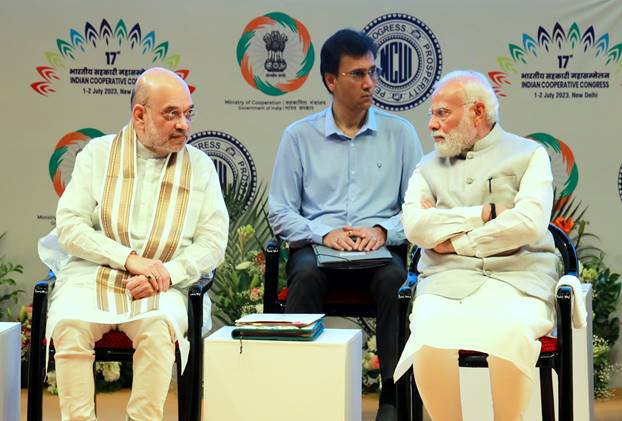
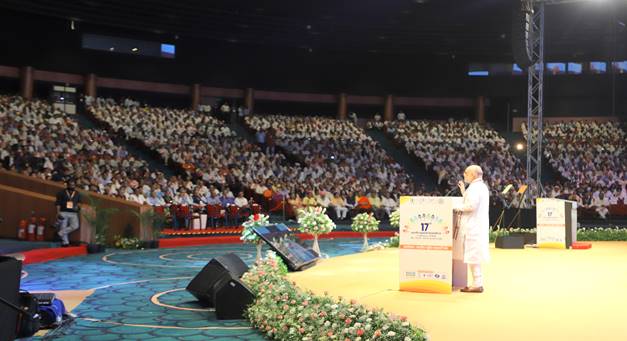
Prime Minister Shri Narendra Modi inaugurated 17th Indian Cooperative Congress on the theme ‘AmritKaal: Prosperity through Cooperation for a Vibrant India’ at Pragati Maidan in New Delhi, today. Prime Minister Shri Narendra Modi also launched the e-commerce website for Cooperative Marketing and the Cooperative Extension and Advisory Service portal. Union Home Minister and Minister of Cooperation Shri Amit Shah presided over the program and many dignitaries including Minister of State for Cooperation Shri BL Verma were present on the occasion.

https://static.pib.gov.in/WriteReadData/userfiles/image/image001W4UR.jpg

In his address, Shri Amit Shah said that the cooperative movement is existing in India before independence and is about 115 years old. Since independence, the main demand of the workers associated with the cooperative sector was the formation of a separate Ministry of Cooperation. He said that earlier there were difficulties in expanding the cooperative sector, introducing timely changes, bringing transparency, and incorporating the global changes in cooperative sector in India. Shri Shah said that Prime Minister Shri Narendra Modi has formed a separate Ministry of Cooperation and fulfilled the demand which was pending for last 75 years. He said that due to the formation of the Ministry of Cooperation and the guidance from the Prime Minister, many changes have become made possible in the cooperative sector.

https://static.pib.gov.in/WriteReadData/userfiles/image/image0025U0A.jpg

Union Home Minister and Minister of Cooperation said that National Cooperative Union of India is the apex organization of the cooperative sector and under the leadership of Shri Dileep Sanghani, the Cooperative Union has taken all the initiatives and changes from PACS to APACS through excellent coordination and efforts. He said that more than 100 years old cooperative movement in the country has achieved many milestones and has given a lot to the nation, but the cooperative sector waswitnessing a stagnation for the past 25-30 years. Shri Shah said that cooperative sector has a share of about 29% in agriculture credit distribution, 35% in fertilizer distribution, 25% in fertilizer production, 35% in sugar production, about 30% in spindle sector, almost 15% in milk production, procurement and sale, 13% in wheat procurement, and 20% in paddy procurement. He said that a lot of work has been done in the cooperative sector especially by the credit cooperative societies, housing cooperative societies, fisheries societies and cooperative banks to improve the livelihood of the poor section of the society.

Shri Amit Shah said that the Indian cooperative sector has its lots of expectations from this Cooperative Congress. He said that in this Cooperative Congress, we should take a pledge tomake more contribution in the development of nation during next 25 years of AmritKaal in comparison to contribution done during the last century. He said that now we must work towards connecting youth and women with cooperatives and try to improve the life of the poorest of the poor through cooperatives. Shri Shah said that after this Cooperative Congress, we should envision the development of cooperatives in a symmetric manner, and while a lot of work has already been done in this regard, lots more still remains to be accomplished. He said that we must incorporate newer areas in the cooperative sector. We have to accept  self-discipline and reforms in order to bring computerization, modernization and an openness in cooperatives.

https://static.pib.gov.in/WriteReadData/userfiles/image/image003YKP2.jpg

Union Minister of Cooperation said that under the leadership of Prime Minister Shri Narendra Modi, many initiatives have been taken in the field of cooperatives in the country. He said that the Modi government has tried to bring equality in cooperative law under the constitutional framework without interfering with the rights of the states and the Centre. Shri Shah said that on the initiative of Shri Modi, the amendment in the Multistate Cooperative Societies Act has been suggested by the Parliamentary Committee with consensus and this law is going to come in the comingsession of parliament. He said that earlier laws forPACS were different across the country and in order to bring uniformity, the Ministry of Cooperation has prepared bylaws for PACS and sent them to all States and Union Territories as advisories. 26 States and Union Territories have accepted these bylaws and 85 percent PACS of the country will work under the same law after September this year. Shri Shah said that through this, Prime Minister Modi has made the PACS multidimensional which will make theirexpansion very easy. He said that we have also linked many activities with PACS, such as Common Service Centres, which will not only help in making PACS viable, but willalso make them the center of rural services. He said that we have also taken initiative in changing the retail outlets and recently the Prime Minister has also approved world’s biggest food grains storage scheme. Shri Shah said that with the success of this scheme, the share of cooperatives in the storage system will increase to more than 35% in the next 5 years.

Shri Amit Shah said that we have created a database of cooperatives across the country and 90% work has been completed, through which we will identify the vacuum and will do the expansion. He said that at present there are 85,000 PACS in the country. There will be PACS in every panchayat of the countryin the next 3 years which means 3 lakh PACS will come into existence in the country and theywill strengthen the cooperative sector. He added that the Prime Minister has also given approval to the cooperatives societies to register as buyer on the GEM platform. Shri Shah said that injustice was done to cooperatives under the income taxlaw for decades and they did not get equality at par with companies, but Prime Minister Shri Narendra Modi removed all the inequalities in one go and gave cooperatives equal status with companies, which is going to provide huge benefit in the coming days. He said that Prime Minister Modi has settled the long pending tax dispute of sugar mills ofworth Rs. 15,000 crore through an Act and has made such arrangements that there should be no tax disputes in future. He said that along with the database, we also want to create a cooperative policy which will work for the expansion of cooperatives during the AmritKal. He added that we are moving forward by giving a lot of thrust on training and transparency. Shri Shah said that we have started inter-ministerial discussion to set up Cooperative University. This will help in modernizing our training system up to Tehsilunder National Cooperative Union of India and through a single curriculum,we will have experts in many fields of cooperatives. He said that there are about 630 training institutes working in the cooperative sector in the countrytoday, using them as an extension, the Cooperative University will work smoothly and uniformity in the course will speed up the cooperative movement across the country.

https://static.pib.gov.in/WriteReadData/userfiles/image/image00597MO.jpg

The Union Home Minister and Minister of Cooperation said that Prime Minister Shri Narendra Modi completely understands the needs of the Ministry of Cooperation and due to his guidance in every initiative many changes have come in the cooperative sector. He expressed confidence that we will be able to realize Prime Minister Shri Narendra Modi’s  vision of “Sahkar Se Samridhi”. Prime Minister Shri Modi has given many facilities to the people living below the poverty line and now this class hascome out of the struggle for their basic amenities and is looking forward to their future with hope. He said that this section does not have capital, but we will definitely do the work of collection of their small capital and make this a big capitalthrough cooperatives and connect them tothe enterprise. He said that the cooperative sector itself will have to accept transparency and change, it is difficult but not impossible and if we succeed in doing this, then the cooperative movement of the whole country will get a big boost. Shri Shah said that this tenure of Prime Minister Shri Narendra Modi will be written in golden letters in the history of cooperative sector.

₹1,61,497 crore gross GST revenue collected for June 2023

| Published on:

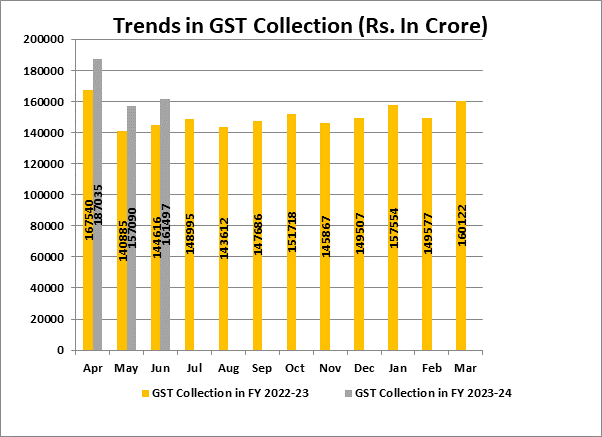
The gross GST revenue collected in the month of June, 2023 is ₹1,61,497 crore of which CGST is ₹31,013 crore, SGST is ₹38,292 crore, IGST is

₹80,292 crore (including ₹ 39,035 crore collected on import of goods) and cess is ₹11,900 crore (including ₹ 1,028 crore collected on import of goods).

The government has settled ₹36,224 crore to CGST and ₹30269 crore to SGST from IGST. The total revenue of Centre and the States in the month of June 2023 after regular settlement is ₹67,237 crore for CGST and ₹68,561 crore for the SGST.

The revenues for the month of June 2023 are 12% higher than the GST revenues in the same month last year. During the month, the revenues from domestic transactions (including import of services) are 18% higher than the revenues from these sources during the same month last year.

It is for the fourth time, the gross GST collection has crossed Rs. 1.60 lakh crore mark. The average monthly gross GST collection for the first quarter of the FY 2021-22, FY 22-23 & FY 23-24 are Rs. 1.10 lakh crore, Rs. 1.51 lakh crore and Rs. 1.69 lakh crore respectively.

The chart below shows trends in monthly gross GST revenues during the current year. The table-1 shows the state-wise figures of GST collected in each State during the month of June 2023 as compared to June 2022 and table-2 shows the SGST portion of the IGST received/settled to the States/UTs in June’2023.

Under leadership of PM Modi, there has been a miraculous transformation in the NE: Dr Jitendra Singh

| Published on:

As Prime Minister, Narendra Modi has visited the Northeast around 60 times in 9 years, which could be more than the total number of visits by all his predecessors put together. The result is miraculous transformation in the region and Northeast being cited all over as Modi Govt’s development model”.

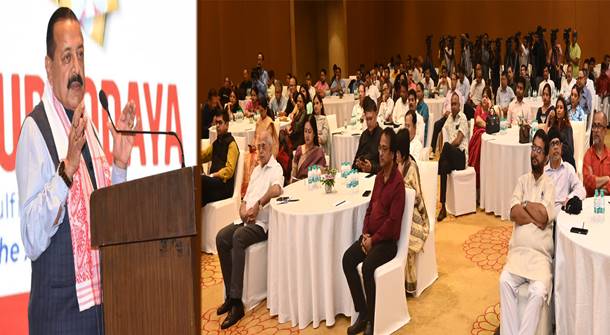
This was stated in Guwahati today by the Union Minister of State (Ind. Charge) Science & Technology, MoS PMO, DoPT, Pensions, Atomic Energy and Space, Dr Jitendra Singh while inaugurating the ” Purvoday” Conclave showcasing incredible transformation in Northeast during the last 9 years.

“Nine years ago, North East was in the news for wrong reasons. like insurgency, clash, etc.Youths were confused and disturbed.

Now the situation has changed dramatically with the initiative of PM Narendra Modi. Northeastern youth are now part of India’s mainstream journey” he added.

PM Modi has visited the North-East more around 60 times in the last 9 years, while his Council of Ministers have also visited the North-East more than 400 times. And if there were no COVID the PM might have visited 100 times.

Interacting with the media, he said that during the last eight years, from 2014 to 2022, 1,350 projects worth Rs.15,867 crore have been sanctioned under the schemes of the Ministry of DoNER and NEC in the North-Eastern States. The Armed Forces Special Protection Act (AFSPA) has been completely removed from Tripura and Meghalaya, and majorly removed from Assam, Manipur, Nagaland and Arunachal Pradesh barring some areas. Further, he added The Law & Order situation has been vastly improved as there has been a reduction of 63% in the incidents from 8700 cases during the period 2006-14 under UPA to only 3195 cases during the period of 2014-22, during the NDA-led Government of India. For the Financial Year 2023-24, the total Budget Estimates (BE) allocation is Rs. 5892.00 crore which is 114% higher than the Revised Estimates (RE) 2022-23 allocation of Rs. 2755.05 crore and 223% higher than the Revised Estimates (RE) 2014-15 allocation of 1825.5 crore. As per Union Budget 2023-24, the 10% Gross Budgetary Support (GBS) share (BE) for the region has been increased to Rs. 94,679.53 crore which is 31% higher than the RE 2022-23 allocation of Rs. 72,540.28 crore and 246% higher than the RE 2014- 15 allocation of Rs. 27,359.17 crore.

The Modi government has spent about 3.37 lakh crore in the North-east region from 2014-15 to 2021-22 under 10% GBS and is expected to reach Rs. 5 lakh crores with the allocated expenditure for 2022-23 and 2023-24. The Modi government has initiated the PM-DevINE scheme in the budget 2022-23 as a 100% Central Sector Scheme with a total outlay of Rs. 6,600 crores for the period from 2022-23 to 2025-26 for the holistic development of the north-east region. Construction of Roads in the northeast has more than doubled from a meagre 0.6 km of national highway being laid per day under the UPA government to 1.5 km per day between 2014-19, the Minister added.

Elaborating on the road infrastructure development in the region he said that Till 2013-14, the total length of National Highways in the North-east region was 8,480 km, which increased to 15,735 km in 2022-23 under the Modi government, showcasing a growth of 85.55%. Besides, since 2014-15, the government has spent Rs 19,855 crore for the development of new tracks and doubling the existing lines of the railways in the north-east region. The number of airports and waterways in the northeast region was 9 and 1 till 2014, which has increased to 17 and 18 respectively under the PM Modi-led NDA government.

For improving telecom connectivity in the region, from 2014, Rs. 3,466 crores have been spent under 10% Gross Budgetary Support (GBS) and upgradation to 4G connectivity in 4,525 villages in the region is in progress. Till 31st March 2021, over 26.14 lakh households in the North-east region have been electrified.

A total of 4 power projects and 239 power projects have been sanctioned in the region under NESIDS and NLCPR scheme respectively worth Rs. 3,200 crores, out of which 211 projects worth Rs. 2031.79 crore have been completed.

The North-east region is also benefiting from the schemes such as SWADESH DARSHAN and PRASHAD for the promotion of Tourism in the region and Rs. 1502.48 crore have been sanctioned under both schemes for the region. • As of March 2022, a total of 208 product development and processing units have been established under National Bamboo Mission (NBM) in the north-east region. • As of March 2022, 14 hi-tech, 95 big and 53 small nurseries have been established under the restructured National Bamboo Mission (NBM) in the north-east region. • To promote Palm produce in the region, Mission on Edible Oils – Oil Palm was approved for 2021-22 to 2025-26 in which the budget for the North-east region and Andaman & Nicobar Islands together is Rs. 5,850 crores. • The region witnessed an 85.34% growth in the export of agricultural products from 2016 as it increased from USD 2.52 million in 2016-17 to USD 17.2 million in 2021- 22.

Talking about improvements in the healthcare sector, the minister mentioned that the Modi government has allocated a total of Rs. 31,793.86 crores since 2014-15 for providing better and more efficient healthcare services in the north-east region. • Under Ayushman Bharat Mission, more than 5600 Healthcare and Wellness Centre has been opened in the region. 3 For Internal Circulation Only • Under PM Jan Arogya Yojana, more than 10.7 lakh hospital admissions have been authorized during the period of 2018-19 to 2021-22 in the north-east region playing a crucial role in providing financial support to the people. • As of March 28, 2022, more than 27 lakh Health IDs (ABHA numbers) under the Ayushman Bharat-Digital Health Mission have been generated in the North-east region.

Reiterating Prime Minister Shri Narendra Modi’s focus on education Dr jitendra Singh said that From 2014 till now, the Modi government has spent Rs 14,009 crores to promote higher education in the north-east and 191 new institutes of higher education have been set up. • There has been a 39% increase in the number of universities set up since 2014 and a 40% increase in central institutions of higher education set up since 2014-15. • Under the “IshanUday” Special Scholarship Scheme for financial assistance to students of the region, more than 44,000 fresh candidates were selected for the scholarship during 2015-16 to 2019-2020 and the total expenditure under the scheme for the fresh and renewal of the scholarship from 2015-16 to 2020-21 was Rs 661.1 crores.

Moreover, he said Under the Khelo India scheme, which was launched by the Modi Government in 2018, 62 sports infrastructure projects of various categories were sanctioned in the North East Region in 2021 at a cost of Rs. 423.01 crores.

He also informed that Rs. 10,415 crores have been incurred in the region till November 2021 under the Pradhan Mantri Garib Kalyan Anna Yojana (PM-GKY). Rs. 64,684 crores have been incurred in the region as subsidies in the region under National Food Security Act (NFSA). Under Jan Dhan Yojana, a total of 2.44 crore accounts have been opened in the region till May 2023. Under MGNREGA, Rs. 36,000 crores have been spent from 2016 to 2023 and 163 crores of Man-days of employment have been generated. A total of 94 lakh houses got Tap water connections under Jal Jeevan Mission since its launch in 2019 to Feb 2023.

PM addresses Valedictory Ceremony of Centenary Celebrations of University of Delhi

| Published on:

The Prime Minister, Shri Narendra Modi addressed the Valedictory Ceremony of Centenary Celebrations of the University of Delhi at the Multipurpose Hall of Delhi University Sports Complex today. He also laid the foundation stone of the building for the Faculty of Technology, Computer Centre and Academic Block, to be built in the North Campus of the University. The Prime Minister released Commemorative Centenary Volume – Compilation of Centenary Celebrations; Logo Book – Logo of Delhi University and its colleges; and Aura – 100 Years of University of Delhi.

The Prime Minister took a metro ride to reach University of Delhi. He also interacted with the students during the journey. Upon arriving, the Prime Minister took a walkthrough of the exhibition – Journey of 100 Years. He also witnessed Saraswati Vandana and University Kulgeet presented by the Faculty of Music and Fine Arts.

Addressing the gathering, the Prime Minister asserted that he had firmly decided on taking part in the Valedictory Ceremony of Centenary Celebrations of University of Delhi and said that the feeling is like a homecoming. Referring to the short movie played before the address, the Prime Minister said that the contributions of the personalities which have emerged out of the University give a glimpse of the life of Delhi University.  The Prime Minister expressed happiness to be present at Delhi University on a festive occasion and in a festive spirit. Underlining the importance of the company of colleagues for any visit to the University, the Prime Minister expressed happiness to have the opportunity to travel by Metro to reach the event.

The Prime Minister noted that the centenary celebrations of the University of Delhi are taking place at a time when India is celebrating the Azadi Ka Amrit Mahotsav after completing 75 years of its independence. “The universities and educational institutions of any nation present a reflection of its achievements”, the Prime Minister said. In the 100-year-old journey of DU, the Prime Minister continued, there have been many historic landmarks which have connected the lives of many students, teachers and others. He remarked that Delhi University is not just a university but a movement, and it has filled every single moment with life. The Prime Minister congratulated every student, teacher and those associated with Delhi University on the Centenary Celebrations.

Noting the gathering of old and new alumni, the Prime Minister said that this is an occasion to catch up. The Prime Minister said, “If during these hundred years, DU has kept its emotions alive, it has kept its values vibrant too”. Underscoring the importance of knowledge, the Prime Minister noted that when India had vibrant universities like Nalanda and Takshila, it was at the peak of prosperity. “India’s rich education system is the carrier of India’s prosperity”, he said, underlining the high Indian share in the global GDP of that time. Continuous attacks during the period of slavery destroyed these institutions leading to obstruction of the intellectual flow of India and bringing the growth to standstill, he added.

He said after Independence, universities played a  crucial role in giving concrete shape to the emotional swell of post-independence India by creating a strong generation of talented youngsters. Delhi University too played a major part in that, he said. This understanding of the past gives shape to our existence, shape to our ideals and expansion to the vision of the future, he said.

“When the resolve of an individual or an institution is towards the country, then its achievements are equated with the achievements of the nation”, the Prime Minister remarked. Shri Modi pointed out that there were only 3 colleges under Delhi University when it began but today there are more than 90 colleges under it. He also underlined that India which was once considered a fragile economy has now become one of the top 5 economies in the world. Noting that the number of women studying at DU is more than men, the Prime Minister pointed out that the gender ratio has significantly improved in the country. He emphasized the importance of an interconnection between the resolutions of a University and a nation and said that the deeper the roots of the educational institutions, the higher the progress of the country. The Prime Minister noted that the goal of Delhi University was India’s independence when it first began, but now that the institution will complete 125 years when India reaches 100 years of independence, the goal of Delhi University should be to make India a ‘Viksit Bharat’. “The third decade of the last century gave new momentum to the struggle for India’s independence, now the third decade of the new century will give impetus to the development journey of India”, the Prime Minister said. The Prime Minister indicated the large number of upcoming universities, colleges, IITs, IIMs and AIIMS. “All these institutes are becoming the building blocks of new India,” he added.

The Prime Minister emphasized that education is not merely a process of teaching but also a way of learning. He pointed out that after a long time, the focus is shifting to what a student wants to learn. He talked about the flexibility in the new National Education Policy for selecting subjects. Talking about the improvement of the quality and infusion of competitiveness among the institutions, the Prime Minister mentioned the National Institutional Ranking Framework which is motivating the institutions. He also pointed out the effort to link the autonomy of the institutions with the quality of education.

The Prime Minister said that due to the futuristic educational policies and decisions, recognition of Indian universities is increasing. He informed that while in 2014, in the QS world ranking there were only 12 Indian universities, today this number has reached 45.  He credited India’s youth force as the guiding force for this transformation. The Prime Minister hailed today’s youth for transcending the concept of education being limited to placement and degrees. He said that they want to blaze their own trail and presented more than one lakh startups, 40% more patent filing as compared to 2014-15 and a rise in the Global Innovation Index as proof of this thinking.

The Prime Minister highlighted the deal on the Initiative on Critical and Emerging Technology or iCET with the USA during his recent visit and said that it will create new opportunities for the youth of India in various sectors ranging from AI to semiconductors. He said that it will enable access to technologies which were once beyond the reach of our youth and enhance skill development. The Prime Minister informed that companies like Micron, Google, Applied Materials etc. have decided to invest in India and it provides a glimpse of the bright future for the youth.

“The Industry 4.0 Revolution is knocking on India’s doors”, the Prime Minister remarked as he noted that technologies like AI, AR and VR which could only be witnessed in the movies have now become a part of our real lives. He noted that Robotics has become the new normal from driving to surgery and said that all these sectors are creating new avenues for the young generation of India. In the past years, the Prime Minister continued, India has opened its space and defence sector and made huge changes in the policies related to drones which have provided a chance to move forward for the youth.

The Prime Minister explained the impact of the growing profile of India on the students. He said now people wish to know about India. He mentioned India’s help to the world during the corona period. This created a curiosity in the world to know more about India that delivers even during the crisis. He said growing recognition through events like the G20 presidency is creating new avenues for students such as Yoga, Science, culture, festivals, literature, history, heritage and cuisine. “The demand of Indian youth is increasing, who can tell the world about India and can take our things to the world”, he said.

The Prime Minister said that Indian values like democracy, equality and mutual respect are becoming human values, creating new opportunities for Indian youth at fora like government and diplomacy. He also emphasized that the focus on History, culture and heritage is also creating new opportunities for the youth. He gave the example of tribal museums being set up in different states of the country and the development journey of independent India being presented through the PM Museum. He also expressed delight that the world’s largest heritage museum – ‘Yuge Yugeen Bharat’ is also going to be built in Delhi. The Prime Minister also recognized the growing recognition of Indian teachers and mentioned how world leaders have often told him about their Indian teachers. “This soft power of India is becoming a success story of the Indian youth”, he said. He asked the universities to prepare their mindset for this development. He asked them to prepare a roadmap for this and asked Delhi University that when they celebrated 125 years, they should figure among the top-ranking universities in the world. “Future making innovations should be done here, world’s best ideas and leaders should emerge from here, for this you will have to work continuously”, the Prime Minister said.

Concluding the address, the Prime Minister emphasized the need to prepare our minds and hearts for a goal that we set for ourselves in life. He underlined that the responsibility of preparing the mind and heart of a nation has to be fulfilled by its educational institutions. The Prime Minister expressed confidence that Delhi University will fulfill these resolutions while taking this journey forward. “Our new generation should be future-ready, have the temperament to accept and face challenges, this is possible only through the vision and mission of the educational institution”, the Prime Minister concluded.

Union Minister for Education, Shri Dharmendra Pradhan and Vice Chancellor of University of Delhi, Shri Yogesh Singh were present on the occasion.

Background

The University of Delhi was established on 1st May 1922. In the last hundred years, the University has grown and expanded immensely and now has 86 departments, 90 colleges, and more than 6 lakh students and has contributed immensely towards nation-building.

Union Home Minister approves release of Rs.6,194.40 crore to 19 State Governments under SDRF

| Published on:

Union Home Minister and Minister of Cooperation, Shri Amit Shah, today approved release of Rs.6,194.40 crore to 19 State Governments under the State Disaster Response Fund (SDRF).

The amount includes Rs.1,209.60 crore as Central share of the State Disaster Response Fund (SDRF) to four States (Chhattisgarh, Meghalaya, Telangana, Uttar Pradesh) for year 2022-23 and Rs.4,984.80 crore to 15 States (Andhra Pradesh, Arunachal Pradesh, Assam, Bihar, Goa, Haryana, Himachal Pradesh, Kerala, Maharashtra, Manipur, Meghalaya, Odisha, Punjab, Tamil Nadu, Tripura) for year 2023-24. The release of funds will help States undertake relief measures during the current Monsoon season.

The Central Government, under the leadership of Prime Minister Shri Narendra Modi, has already approved release of Rs.3649.40 crore as Central share of SDRF to 09 States during year 2023-24. Based on 15th Finance Commission recommendations, the Central Government, has allocated Rs.1,28,122.40 crore for SDRF for years 2021-22 to 2025-26.

Prime Minister Narendra Modi speaks with President Putin

| Published on:

Prime Minister Narendra Modi had a telephone conversation today with the President of the Russian Federation, H.E Mr. Vladimir Putin.

They reviewed progress in bilateral cooperation and exchanged views on regional and global issues of mutual interest.

President Putin informed PM about the recent developments in Russia.

While discussing the situation in Ukraine, PM reiterated his call for dialogue and diplomacy.

Both leaders agreed to remain in touch and continue to make efforts to further strengthen Special and Privileged Strategic Partnership between the two countries.

Dr. Mansukh Mandaviya virtually interacts with agriculture ministers of States and Union Territories

| Published on:

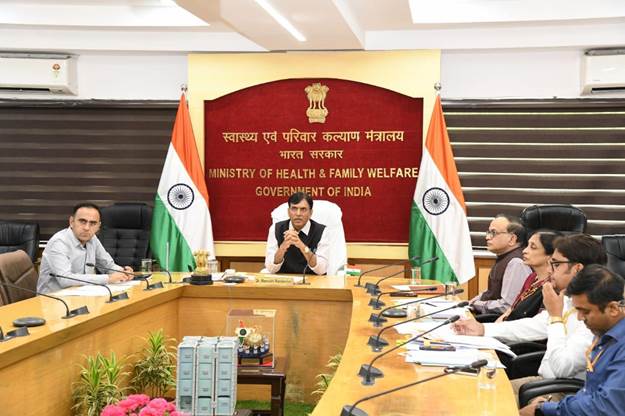
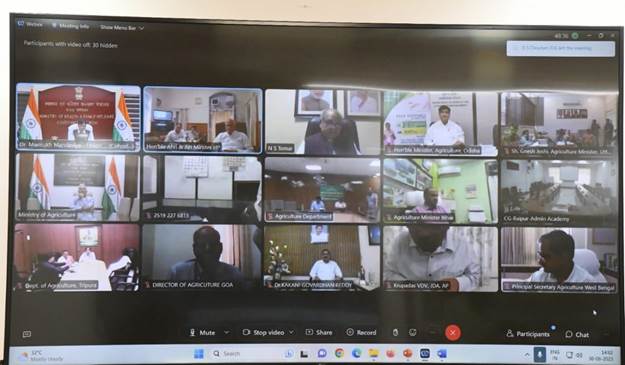
“The Cabinet Committee on Economic Affairs (CCEA), chaired by the Prime Minister Shri Narendra Modi, has approved a special package of innovative schemes for farmers with a total outlay of Rs.3,68,676.7 crore. The package focuses on the overall welfare and economic well-being of farmers by promoting sustainable agriculture. These initiatives will enhance farmers’ income, strengthen natural and organic farming, revive soil productivity and ensure food security at the same time,” said Dr. Mansukh Mandaviya, Union Minister for Chemicals and Fertilizers and Health and Family Welfare while addressing the agriculture ministers of Union Territories virtually.

Union Agriculture Minister, Shri Narendra Singh Tomar and agriculture ministers of more than 20 states and union territories also participated in the virtual meeting.

Dr Mandaviya said that the CCEA has approved the continuation of the urea subsidy scheme to ensure availability of urea to the farmers at a flat price of Rs 266.70 per 45 kg bag excluding taxes and neem coating charges. In the package, a commitment has been made to allocate Rs 3,68,676.7 crore towards urea subsidy for three years (2022-23 to 2024-25). This package is in addition to the recently approved Nutrient Based Subsidy (NBS) of Rs 38,000 crore for the Kharif season of 2023-24. Farmers will not need to spend extra for procuring urea and this will help in reducing their input cost.

At present, the MRP of urea is Rs 266.70 per 45 kg urea bag (excluding neem coating duty and applicable taxes) while the actual cost of the bag is around Rs 2200. The scheme is fully funded by the Government of India through budgetary support. With the continuation of the urea subsidy scheme, the indigenous production of urea will also be maximum.

The Minister for Fertilizers and Chemicals,  Dr Mansukh Mandaviya noted that Mother Earth has always provided ample sources of sustenance to mankind. “It is the need of the hour to promote more natural methods of farming and balanced/sustainable use of chemical fertilizers”, he underscored. Promotion of natural/organic farming, alternative fertilizers, nano fertilizers and bio fertilizers can help in restoring the fertility of our mother earth, he added.

The Union Minister further stated that ‘Prime Minister’s Program for Restoration, Awareness, Nurturing and Improvement of Fertility of Mother Earth (PM-PRANAM) has been launched to encourage states to promote balanced use of alternative fertilizers and chemical fertilizers”. He appealed to all the states to jointly contribute towards promotion of organic farming for preservation of soil health.

He informed that Rs 1451.84 crore has been sanctioned for Market Development Assistance (MDA) to promote organic fertilizers from Gobardhan plants. To support marketing of organic fertilizers i.e. Fermented Organic Manure (FOM) / Liquid FOM / Phosphate Rich Organic Manure (PROM) produced as a by-product from Biogas Plants / Compressed Bio Gas (CBG) Plants set up under Gobardhan initiative 1500 per metric ton as MDA scheme is included.

Such organic fertilizers will be branded under the Indian brand names of FOM, LFOM and PROM. On one hand, this will facilitate the management of post-harvest residues and solve the problems of stubble burning, and will also help in keeping the environment clean and safe. And on the other hand, it will provide an additional source of income to the farmers. These organic fertilizers will be available to the farmers at affordable prices.

Sulfur Coated Urea (Urea Gold) was introduced to overcome the sulfur deficiency in the soil and reduce the input cost of the farmers. Sulfur Coated Urea (Urea Gold) has been introduced for the first time in the country. It is more economical and better than the neem coated urea being used at present. It will overcome the deficiency of sulfur in the soil in the country. It will also save the input cost of farmers and increase the income of farmers along with increase in production and productivity.

Dr Mandaviya also appealed to States to take up effective steps to curtail diversion of urea meant for agriculture and farmers, to other sectors.”Urea meant for farmers should not be diverted for industry”, he stressed.

Ayushman Bharat is so far the world’s best health insurance scheme: Dr. Jitendra Singh

| Published on:

Union Minister of State (Independent Charge) Science & Technology; MoS PMO, Personnel, Public Grievances, Pensions, Atomic Energy and Space, Dr Jitendra Singh today asserted that Ayushman Bharat is so far the world’s best health insurance scheme and credit goes to Prime Minister Narendra Modi for having conceptualized it.

This is possibly the only health insurance scheme in the world which offers the option of seeking insurance cover even for a pre-existing disease, like for example, if today a person if detected having cancer, he can thereafter go and get himsel insured to receive the financial support for treatment.

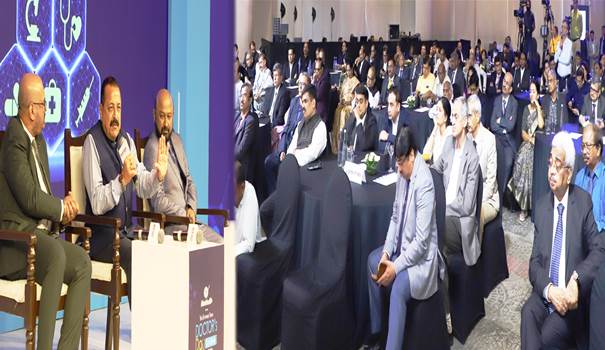
Addressing the Economic Times Doctor’s Day Conclave on the eve of Doctor’s Day here today, Dr Jitendra Singh said, by bringing in Ayushman Bharat, India has moved from sectoral and segmented approach of health service delivery to a comprehensive need-based health care service. The Minister said, this is the unique scheme, where one can register for pre-existing diseases also. He informed that Jammu and Kashmir was the first UT to have universal coverage of the health scheme irrespective of the economic criteria.

The Minister informed that Ayushman Bharat Yojna provides free treatment of upto five lakh rupees in the best of hospitals to eligible beneficiaries. Responding to queries about some irregularities in the implementation of the scheme, he said, we are at the initial stages of implementation and the government is open to make suitable changes as required in the scheme in due course. The Minister also emphasized that integrity is a big factor in a vast heterogeneous country like India and slowly but surely this health insurance scheme will become a model for the world to emulate.

Dr Jitendra Singh said the Pandemic has taught us the virtues of holistic healthcare and even after the pandemic has passed, it will be in the interest of mankind to institutionalize integrated medicinal approach for adequate treatment and prevention of various diseases. The Minister said that during the COVID even the West started looking up to India in search of immunity building techniques drawn from Ayurveda, Homoeopathy, Unani, Yoga, Naturopathy and other oriental alternatives. He said, however, even after the COVID phase passes out, an optimum integration and synergism of different streams of medical management are the key to successful management of various diseases and disorders which may not be otherwise completely amenable to treatment by any single stream of medicine or the treatment given in silos.

Dr Jitendra Singh informed that when COVID-19 hit us, India notified the telemedicine practice guidelines in March 2020, and we did the same for AYUSH in April 2020. He said, India could immediately notify these guidelines as our groundwork was done and we were ready. The Minister said, we must work together to ensure ‘Digital Health for All’, which is a pre-condition to achieve ‘Health for All’.

Dr Jitendra Singh said, it was the far-sightedness of Prime Minister Modi that soon after coming to power in 2014, he shared the powerful vision of ‘Digital India’ much before COVID-19 hit the world.

Dr Jitendra Singh concluded that it was Prime Minister Modi again who gave a call for Startup India and Standup India from the ramparts of the Red Fort in 2015, when there were only 350 odd startups operating in India and now the country ranks 3rd in terms of Startups in the world, with around one lakh startups and 100 plus Unicorns and many of them are heath and biotech startups.