BJP National President addresses a huge public rally in Agartala, Tripura

| Published on:

Hon’ble Bharatiya Janata Party National President Shri Jagat Prakash Nadda, while addressing a public gathering on Sunday to mark the second anniversary of the Tripura government, extended his best wishes to Chief Minister Shri Manik Saha on completing two years in office under the leadership of Hon’ble Prime Minister Shri Narendra Modi Ji. He expressed gratitude to the people of Tripura for repeatedly blessing the Bharatiya Janata Party and reminded them of the state’s period of unrest before the BJP government came to power. During the event, Shri Nadda announced two schemes, Balika Samriddhi Yojana and Mukhyamantri Kanya Atmanirbhar Yojana. During the event, Chief Minister Shri Manik Saha, Rajya Sabha MP Shri Rajib Bhattacharjee, Lok Sabha MP Dr. Sambit Patra, MP Smt. Kriti Devi Verma, former MP Shri Rajdeep Roy, and other senior leaders were present on the stage.

Shri Nadda extended his best wishes to Chief Minister Shri Manik Saha on completing two years in office under the leadership of Hon’ble Prime Minister Shri Narendra Modi Ji. He stated that the people of Tripura have continuously blessed the Bharatiya Janata Party by securing both Lok Sabha seats for the party in the 2014, 2019, and 2024 elections. The unwavering support for the BJP and Hon’ble Prime Minister reflects the people’s trust in a party that serves the nation with dedication, prioritizes the concerns of the public, and works tirelessly for their welfare. Bharatiya Janata Party operates at the grassroots level, ensuring that benefits reach even the last person in the queue. Unlike other parties whose policies remain confined to paperwork and government files, BJP’s policies translate into tangible benefits for the common people of Tripura.

Hon’ble BJP National President stated that the objective and mission of the Bharatiya Janata Party are not power but service. The BJP utilizes power as a means to serve the people. This is why Hon’ble Prime Minister Shri Narendra Modi, for the third consecutive term, is serving the nation as the Pradhan SevakThere was a time when journalists used to talk about “anti-incumbency”, implying that the people were dissatisfied with the government and did not want it to return. However, after the arrival of Hon’ble Prime Minister Shri Narendra Modi, the political culture has changed. Today, the people of India and Tripura no longer discuss anti-incumbency but rather pro-incumbency, reflecting their continued trust and support for good governance. “Pro-incumbency” means that the people are satisfied with the government and want to bring back the leadership of Modi Ji and Saha Ji. In the 2014 general elections, the Bharatiya Janata Party received 17 crore votes, accounting for 31.3% of the total votes. This number increased to 23 crore votes (36.7%) in 2019 and further rose to 37% in 2024. This continuous rise in voter support reflects that under the esteemed leadership of Hon’ble Prime Minister Shri Narendra Modi, the people not only bless the BJP but do so with an increasing number of votes in every election. 

Shri Nadda stated that BJP is the only party that has remained in power in Gujarat for over three decades. In Madhya Pradesh, the BJP has formed the government for the fourth consecutive term. Although there was a brief period when the party was out of power, the people once again blessed the BJP, allowing the ‘Lotus’ to bloom once more. In Haryana and Goa, the BJP secured victory for the third consecutive time. Meanwhile, in Uttar Pradesh, after nearly 36 years, the BJP became the first party to return to power for a second consecutive term. In Maharashtra, Uttarakhand, Manipur, Assam, and Tripura, the BJP has formed the government for the second consecutive time. For the past 10 years, Delhi had been in a state of crisis, and the BJP had been out of power for 27 years. However, under the leadership of Hon’ble Prime Minister Shri Narendra Modi, with the blessings of the people, the ‘Lotus’ has finally bloomed in Delhi. The BJP government in Tripura is committed to the welfare of every section of society, including villages, the poor, the backward classes, tribals, women, youth, farmers, the deprived, and the oppressed.

Hon’ble BJP National President urged the people of Tripura to continue blessing the BJP and highlighted the various developmental initiatives undertaken by the state government. Under the Chief Minister’s Integrated Crop Program, ₹25 crore was allocated, benefiting 1.46 lakh hectares of land. The BJP government procured 53,900 metric tons of rice at MSP, providing benefits to 27,800 farmers. Additionally, 65,700 Kisan Credit Cards were distributed, facilitating ₹570 crore in financial assistance to farmers. Tripura is making significant progress in organic farming, with 19,000 farmers increasing their participation in the sector. In horticulture and gardening, 96,000 people participated in the Chief Minister’s Self-Reliance Scheme, while 9,575 households benefited from plant distribution under the Urban Horticulture Program. Furthermore, ₹11 crore was allocated under the Chief Minister’s Animal Resources Development Scheme, and 66,600 fishermen were trained in scientific fish farming. Shri Nadda reiterated that the BJP government remains committed to the welfare of farmers, tribals, and every section of society, ensuring that development reaches the grassroots level.

Shri Nadda stated that under the BJP government, Tripura has linked 4,500 schools with innovative programs, established 137 smart classrooms, and provided free medical treatment to 7.77 lakh families under the Ayushman Bharat scheme and 4.3 lakh people under the Mukhyamantri Jan Arogya Yojana. The state has seen significant improvements in roads, railways, airways, and internet connectivity, positioning itself as a leader in infrastructure development. A total of 462 km of roads have been constructed, with 180 km completed in 2024-25 alone. In social welfare, 3.77 lakh women receive ₹2,000 pension, ₹68 crore in scholarships has been provided to 33,000 tribal students, and 27 tribal communities have benefited from the Vandhan Kendra scheme. Tripura, once marred by violence under CPIM rule, has seen a 20% decline in crime under the BJP government, making it the third safest state in India, while 64,000 kg of cannabis has been seized in the fight against drugs. The state secretariat is now fully digitalized, with 29 lakh files and land revenue records digitized, a synthetic football ground has been developed, and under Khelo Tripura, Para Games were recently conducted. 

Hon’ble BJP National President emphasized that development in Tripura has only taken place under former Prime Minister Shri Atal Bihari Vajpayee Ji and Hon’ble Prime Minister Shri Narendra Modi Ji, as it was during Shri Vajpayee Ji’s tenure that the Ministry for Development of North Eastern Region was established, and since Hon’ble Prime Minister Shri Narendra Modi Ji took office, Union ministers have been actively engaging with the Northeast. The first Ashtalakshmi Mahotsav was held at Bharat Mandapam, and under Hon’ble Prime Minister Shri Narendra Modi Ji’s leadership, Tripura’s tax devolution has increased fivefold, from ₹9,000 crore in 2014 to ₹46,000 crore today, while grant-in-aid has risen by 73% from ₹31,000 crore to ₹54,000 crore. After Hon’ble Prime Minister Shri Narendra Modi Ji took office, Tripura was connected with a broad-gauge railway line in 2016 and today has 23 express trains linking it to the national network. Under the Amrit Bharat scheme, Agartala, Udaipur, Kumarnagar, and Dharmapur railway stations will be developed within two years, three new railway routes have been introduced, Agartala has been integrated into the Krishi Udaan Yojana, and Maharaja Bir Bikram Airport has undergone significant renovation.

Shri Nadda emphasized that under the Pradhan Mantri Garib Kalyan Anna Yojana, 25 crore people across the country have risen above the poverty line, with 24 lakh beneficiaries in Tripura. Under the Pradhan Mantri Awas Yojana, 4 crore houses have been constructed nationwide, including 4.7 lakh houses in Tripura. Through the Kisan Samman Nidhi scheme, 12 crore farmers across India, including 2.6 lakh farmers in Tripura, have benefited. Additionally, under the Swachh Bharat Mission, 12 crore toilets have been built across the country, including 4.5 lakh in Tripura, ensuring dignity and hygiene for millions.

Hon’ble BJP National President remarked that the Congress and Communist parties operated a collusive government, pretending to be adversaries in public while being allies behind closed doors. Power-hungry leaders turned Tripura into a land soaked in blood, where incidents of rape and murder were rampant. In 2014, CPI(M) workers, backed by Congress, brutally murdered a BJP karyakarta, an auto driver, by barging into his house. However, under the BJP government, women in Tripura can now move freely without fear, and no one dares to cast an evil eye on them. While the Bharatiya Janata Party focuses on development, people must also remember the red terror of the Communist Party, along with its corruption and commission-driven governance. The continued support of the people of Tripura in strengthening the BJP will ensure that the state’s progress remains uninterrupted.  

Shri Nadda announced two new schemes. The first, Mukhyamantri Balika Samriddhi Yojana, will provide a ₹50,000 bond in the name of every girl child born in a BPL family, which will mature to ₹10 lakh when she turns 18. The second, Mukhyamantri Kanya Atmanirbhar Yojana, will award scooters to 140 meritorious girl students from Tripura Education Board, CBSE, and ISC who secure the highest marks. Hon’ble Prime Minister Shri Narendra Modi Ji has always championed the empowerment of women and daughters, and in alignment with his vision, the Tripura government has introduced these initiatives. BJP National President and Union Minister Shri Jagat Prakash Nadda also extended his congratulations to the people of Tripura and Chief Minister Shri Manik Saha on completing two years in office.

Rajnath Singh becomes first Raksha Mantri to visit IAF’s Institute of Aerospace Medicine in Bengaluru

| Published on:

Raksha Mantri Shri Rajnath Singh visited the Institute of Aerospace Medicine (IAM) of the Indian Air Force (IAF) in Bengaluru, Karnataka on March 09, 2025. Shri Rajnath Singh, the first Raksha Mantri to visit the institute, was briefed about the unique role of IAM in pilot training, their medical evaluation and aeromedical research.

Raksha Mantri also inspected the Dynamic Flight Simulator & High Performance Human Centrifuge used for high-G training of fighter pilots and the Spatial Disorientation Simulator for training the pilots of the Armed Forces to avert the risk of spatial disorientation in flight. He also launched the Indian Council of Medical Research Extramural Research Project: Centre for Advanced Research at the institute. The title of the project is ‘Space Psychology: Selection and Behavioural Health Training of Astronauts & Astronaut Designates for Indian Space Missions’.

In his address, Shri Rajnath Singh highlighted the growing need for expertise in aerospace medicine in view of the continuous increase in air and space traffic. “From the defence perspective, space has emerged as a major domain in warfare. We have taken a step forward in this direction and mastered the most-advanced technologies such as anti-satellite. India has also become the fastest growing aviation market in the world. As we are touching new heights in space, we need to explore more possibilities in aerospace medicine. There is a need for increased R&D as research in any high-end complex technology provides benefits to many fields,” he said.

Raksha Mantri underscored the importance of aerospace medicine, terming it as critical for dealing with challenges such as micro-gravity, radiation, and isolation faced by a human being in space, while also addressing physical and mental changes. “Whether it is an issue related to neurons, bone loss or mental problems, it is the responsibility of aerospace and space medicine to tackle these challenges. The field must prepare itself for bigger responsibilities in the future,” he said.

Shri Rajnath Singh commended IAM’s contribution towards achieving self-reliance in the aerospace sector. “Apart from aerospace medicine, IAM provides aero-medical consultancy in various aspects of crew module design and development. Its contribution in cockpit design is noteworthy. The institute has contributed significantly in the design and development of Advanced Light Helicopter, Light Utility Helicopter, Light Combat Helicopter and Light Combat Aircraft Tejas. It is also providing advice in the design and development of the country’s most-modern Advanced Medium Combat Aircraft,” he said.

Raksha Mantri asserted that the aerospace sector is going to witness an unprecedented growth in the times to come and it will be pivotal in realising Prime Minister Shri Narendra Modi-led Government’s vision of Viksit Bharat by 2047. “The sector is going to play a crucial role in deciding technological advancements, national security, and economic growth. In addition, it will be central in achieving milestones such as satellite launching, inter-planetary missions and commercial space services,” he said.

Chief of the Air Staff Air Chief Marshal AP Singh; Air Officer Commanding-in-Chief (AOC-in-C), Training Command Air Marshal Nagesh Kapoor; Director General Medical Services (Air) Air Marshal Sandeep Thareja, and other senior officers of IAF accompanied Raksha Mantri during the visit.

PM launches development works in Navsari, Gujarat

| Published on:

Prime Minister Shri Narendra Modi launched various developmental works in Navsari, Gujarat today. Addressing the gathering on the occasion of International Women’s Day, he expressed his gratitude for the love, affection, and blessings from the mothers, sisters, and daughters present in large numbers, extending his best wishes to all the women of the country on this special day. He added that he was blessed by Maa Ganga in the Maha Kumbh while he was blessed today in the Maha Kumbh of MatruShakti today. The Prime Minister highlighted the launch of two schemes, G-SAFAL (Gujarat scheme for Antyodaya Families for Augmenting Livelihoods) and G-MAITRI (Gujarat Mentorship and Acceleration of Individuals for Transforming Rural Income), today in Gujarat. He also mentioned that funds from various schemes have been directly transferred to the bank accounts of women and congratulated everyone for this achievement.

Shri Modi mentioned that today was dedicated to women and expressed his gratitude to all and proudly stated that he considers himself the wealthiest person in the world, not in terms of money, but because of the blessings from crores of mothers, sisters, and daughters. “These blessings are my greatest strength, capital, and protective shield”, he emphasised.

Stressing the importance of respecting women, as it is the first step towards the development of society and the nation, the Prime Minister highlighted, “India is now walking the path of women-led development for the rapid progress of the country”. He remarked that the government prioritizes both respect and convenience in women’s lives. He mentioned the construction of toilets, also referred to as ‘Izzat Ghar” or “house of dignity”, for crores of women, which has increased their dignity, and the opening of bank accounts for crores of women, integrating them into the banking system. He also highlighted the provision of Ujjwala cylinders to save women from the hardships of smoke. Shri Modi noted that the government has extended maternity leave for working women from 12 weeks to 26 weeks. He acknowledged the demand from Muslim sisters for a law against triple talaq and stated that the government has enacted a strict law to protect the lives of lakhs of Muslim sisters. He also mentioned that when Article 370 was in effect in Jammu and Kashmir, women were deprived of many rights. If they married someone outside the state, they lost their right to ancestral property and with the removal of Article 370, women in Jammu and Kashmir have now gained their rights.

Underlining the increasing opportunities for women at various levels of society, government, and large institutions, the Prime Minister remarked, “women are excelling in every sector, be it politics, sports, judiciary, or police”. He noted that since 2014, women’s participation in important positions has increased significantly, mentioning that the central government has seen the highest number of female ministers, and the presence of women in Parliament has also risen. In 2019, 78 female MPs were elected, and in the 18th Lok Sabha, 74 female MPs are part of the House, he added. Underscoring the growing participation of women in the judiciary, with their presence in district courts exceeding 35%. In several states, over 50% of new recruits as civil judges are women, Shri Modi highlighted, “India is the world’s third-largest startup ecosystem, with nearly half of the startups having women in leadership roles”. He also mentioned the significant contributions of women scientists leading major space missions. He expressed pride in the fact that India has the highest number of female pilots in the world. He also acknowledged the role of women in organizing and securing the event in Navsari, with female police officers and officials managing the security arrangements. The Prime Minister shared his earlier interaction with women from self-help groups, noting their enthusiasm and confidence as a testament to the strength of India’s women. He reiterated his belief that the resolve for a Viksit Bharat will be fulfilled, with women playing the most significant role in achieving this goal.

Mentioning Gujarat as a prime example of women-led development which has provided the country with a successful cooperative model, developed through the hard work and strength of women, the Prime Minister underscored the global recognition of Amul and how lakhs of women from Gujarat’s villages have turned milk production into a revolution. He added that Gujarati women have not only empowered themselves economically but also strengthened the rural economy. He also highlighted the success of Lijjat Papad, initiated by Gujarati women, which has now become a brand worth hundreds of crores.

Recalling his tenure as Chief Minister of Gujarat, during which the government implemented several initiatives for the welfare of women and girls, such as the Chiranjeevi Yojana, Beti Bachao Abhiyan, Mamta Divas, Kanya Kelavani Rath Yatra, Kunwarbai Nu Mameru, Saat Phera Samuh Lagna Yojana, and Abhayam Helpline, Shri Modi emphasized that Gujarat has demonstrated to the entire country how women’s strength can be enhanced through the right policies. He mentioned the direct transfer of funds to the accounts of women involved in dairy work, a practice that started in Gujarat and has now been extended to millions of beneficiaries across the country. He highlighted that Direct Benefit Transfer (DBT) has curbed scams worth thousands of crores and provided assistance to the poor.

Highlighting the government’s efforts in empowering women by providing houses in their names during the reconstruction after the Bhuj earthquake, Shri Modi mentioned that the same approach is being followed in the PM-Awas Yojana, with nearly 3 crore women becoming homeowners since 2014. He remarked on the global recognition of the Jal Jeevan Mission, which has brought water to villages across the country. In the past five years, piped water has reached 15.5 crore households in thousands of villages, emphasising the significant role of women’s water committees in the success of this mission. He added that this model originated in Gujarat and is now addressing the water crises nationwide.

Stressing the importance of water conservation while addressing the issue of water scarcity, the Prime Minister highlighted the nationwide campaign “Catch the Rain,” led by Union Minister for Jal Shakti, Shri C.R. Patil, which aims to prevent rainwater from going to waste by conserving it where it falls. He praised the efforts of the women in Navsari, who have completed over 5,000 projects, including ponds, check dams, borewell recharge, and community soak pits, to save rainwater. He mentioned that hundreds of water conservation projects are still ongoing in Navsari, with the goal of constructing 1,000 percolation pits in a single day. Shri Modi acknowledged Navsari district as one of the leading districts in Gujarat for rainwater harvesting and water conservation, extending special congratulations to the mothers, sisters, and daughters of Navsari for their achievements in this area.

“The strength of Gujarat’s women and their contributions are not limited to any one sector”, said Shri Modi, mentioning that 50% of seats in Gujarat’s panchayat elections were reserved for women. He remarked that when he was sent to Delhi as the Prime Minister, he brought the same experience and commitment to the nation. He noted that the first bill passed in the new Parliament was for women’s empowerment, known as the Nari Shakti Vandan Adhiniyam, proudly mentioning that the bill was approved by the President, who comes from a humble tribal background. PM expressed his belief that the day is not far when one of the women present will become an MP or MLA and sit on such a platform.

Quoting Mahatma Gandhi, the Prime Minister stated that the soul of the nation resides in rural India and added, “the soul of rural India lies in the empowerment of rural women”. He emphasized that the government has prioritized women’s rights and opportunities. He highlighted that India has become the world’s fifth-largest economy, with the foundation of this economic progress laid by millions of women like those present. He acknowledged the significant role of the rural economy and women’s self-help groups in this achievement. Shri Modi noted that over 10 crore women are running more than 90 lakh self-help groups across the country, with over 3 lakh self-help groups operating in Gujarat alone. He mentioned the government’s commitment to increasing the income of these millions of women, aiming to make them “Lakhpati Didis.” He stated that around 1.5 crore women have already become “Lakhpati Didis,” and the government aims to make a total of 3 crore women “Lakhpati Didis” in the next five years.

Mentioning that when a sister becomes a “Lakhpati Didi,” the entire family’s fortune changes, Shri Modi remarked that women involve other village women in their work, gradually transforming home-based work into an economic movement. To enhance the potential of self-help groups, the government has increased their budget fivefold over the past decade. The Prime Minister emphasized that these self-help groups are being provided with collateral-free loans of up to 20 lakh rupees. Additionally, women in self-help groups are being given opportunities to acquire new skills and connect with new technologies.

Highlighting that the women of the nation are advancing by overcoming every doubt and fear, the Prime Minister said that when the “Drone Didi” scheme was launched, many had doubts about the compatibility of modern technology like drones with rural women. However, he expressed his complete trust in the talent and dedication of his sisters and daughters. Today, the “Namo Drone Didi” campaign is bringing a new revolution in agriculture and the rural economy, leading to significant income for the women leading this change, he added. Shri Modi also highlighted that schemes like “Bank Sakhi” and “Bima Sakhi” have provided new opportunities for women in villages. To empower rural women, campaigns like “Krishi Sakhi” and “Pashu Sakhi” have been initiated, connecting lakhs of women and increasing their income. He emphasized that the government’s efforts should benefit as many women in Gujarat as possible, congratulating  Shri Bhupendrabhai Patel and the Gujarat government for launching a campaign to make 10 lakh more women “Lakhpati Didis.”

Reiterating from his first address from the Red Fort as the Prime Minister, Shri Modi stressed on the importance of asking sons, not just daughters, to prevent crimes against women and build a better society. Over the past decade, the government has prioritized women’s safety, making laws stricter to prevent crimes against them, he said. He highlighted the establishment of fast-track courts to ensure swift justice for serious crimes against women, with around 800 courts approved nationwide, most of which are now operational. These courts have expedited the resolution of approximately three lakh cases related to rape and POCSO. Shri Modi emphasized that the government has introduced the provision of the death penalty for heinous crimes like rape. He also highlighted the strengthening of the 24×7 women’s helpline and the establishment of one-stop centers for women, with around 800 centers now operational across the country, providing assistance to over 10 lakh women.

“The newly implemented Bharatiya Nyay Sanhita (BNS), wiping out the colonial laws, has further strengthened provisions related to women’s safety”, emphasised the Prime Minister, adding that a separate chapter has been added to address crimes against women and children. He acknowledged the common grievance that victims often face delays in justice. To address this, the Indian Penal Code now mandates that charges for heinous crimes like rape be framed within 60 days and verdicts delivered within 45 days, he added. Shri Modi emphasized that the new laws allow for e-FIRs to be filed from anywhere, making it easier for the police to take immediate action. Under the provision of Zero FIR, any woman can file an FIR at any police station if she faces atrocities. Additionally, he highlighted that the police can now record the statements of rape victims through audio-video means, which has been legally recognized. He also mentioned that the time for doctors to forward medical reports has been set to 7 days, providing significant assistance to the victims.

Underlining that the new provisions in the BNS are already showing results, Shri Modi recalled a a tragic incident in Surat district last October, where a gang rape case saw charges framed within 15 days and the culprits sentenced to life imprisonment within a few weeks. He emphasized that the implementation of the BNS has expedited the hearing of crimes against women across the country. He added that in Aligarh, Uttar Pradesh, a court sentenced a minor’s rapist to 20 years in prison, marking the first conviction under the BNS within 30 days of filing the charge sheet. In Kolkata, a court sentenced a convict to death for raping a seven-month-old baby, with the verdict delivered within 80 days of the crime. The Prime Minister highlighted these examples from different states to demonstrate how the BNS and other government decisions have enhanced women’s safety and ensured swift justice.

Reaffirming the nation that he will not let any obstacles hinder their dreams, the Prime Minister said that just like a son serves his mother, he is serving Mother India and the mothers and daughters of India in the same way. He concluded by expressing his firm belief that the hard work, dedication, and blessings of the people will help achieve the goal of Viksit Bharat by 2047 and once again extended his heartfelt wishes for Women’s Day to every mother, sister, and daughter in the country.

The Chief Minister of Gujarat, Shri Bhupendrabhai Patel, Union Minister for Jal Shakti, Shri C. R Patil, were present among other dignitaries at the event.

Background 

Women empowerment has been a cornerstone of the work done by the government. Guided by the vision of the Prime Minister, the government has been committed to taking steps towards their all round development. In line with this, on 8th March, on the occasion of International Women’s Day, Prime Minister participated in the Lakhpati Didi programme in Vansi Borsi village in Navsari district and interacted with the Lakhpati Didis. He also felicitated 5 Lakhpati Didis with Lakhpati Didi Certificates.

The G-MAITRI scheme will provide financial assistance and handholding support to Startups which are working for creating a conducive environment for rural livelihoods.

G-SAFAL will provide financial assistance and entrepreneurial training to SHG women of Antyodaya families in two Aspirational districts and thirteen Aspirational Blocks of Gujarat.

PM reiterates commitment for Women Empowerment on International Women’s Day

| Published on:

The Prime Minister, Shri Narendra Modi bows to Nari Shakti on International Women’s Day.

The Prime Minister stated that our Government has always worked for empowering women. “Today, as promised, my social media properties will be taken over by women who are making a mark in diverse fields”, Shri Modi added.

The Prime Minister shared on X;

“We bow to our Nari Shakti on #WomensDay! Our Government has always worked for empowering women, reflecting in our schemes and programmes. Today, as promised, my social media properties will be taken over by women who are making a mark in diverse fields!

Union Health Minister inaugurates third International Symposium on Health Technology Assessment 2025

| Published on:

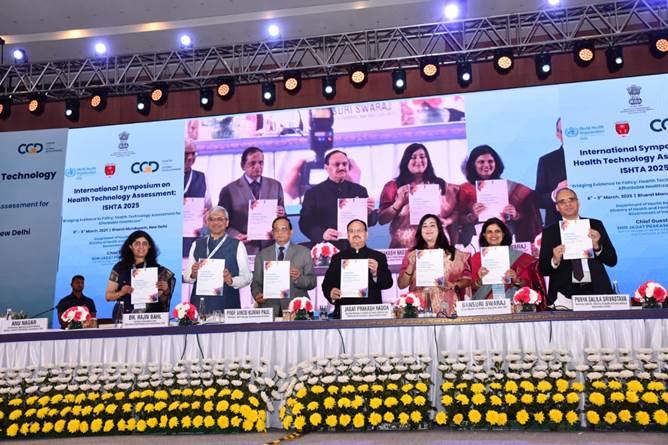
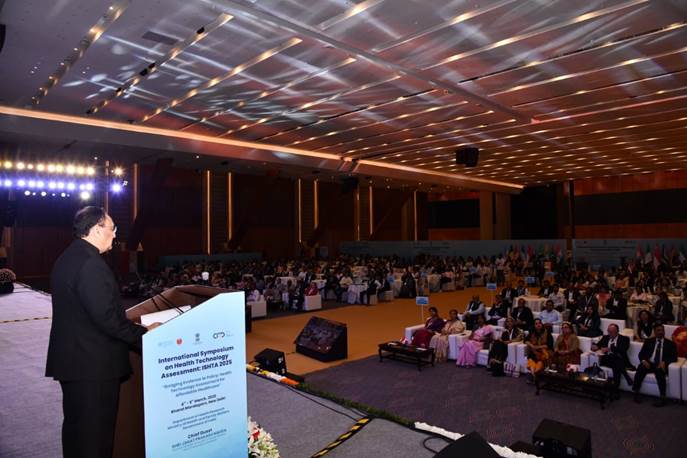
Union Minister of Health and Family Welfare, Shri Jagat Prakash Nadda inaugurated the third “International Symposium on Health Technology Assessment (ISHTA 2025)” at Bharat Mandapam, here today. It is organized by the Department of Health Research (DHR), Ministry of Health and Family Welfare, Government of India, in collaboration with the World Health Organization (WHO) India Country Office and the Centre for Global Development (CGD).

Ms. Bansuri Swaraj, Member of Parliament, New Delhi (Delhi (NCT)); Prof. Vinod Kumar Paul, Member (Health), NITI Aayog; Ms. Punya Salila Srivastava, Secretary (H&FW), Ministry of Health & Family Welfare; Dr. Rajiv Bahl, Secretary, Department of Health Research and Director General, Indian Council of Medical Research and Mr. Amit Agarwal, Secretary, Department of Pharmaceuticals were also present.

This year, the theme of the symposium is “Bridging Evidence to Policy: Health Technology Assessment for Affordable Healthcare.”

Addressing the gathering, Shri Nadda emphasized the vision and commitment of the Hon’ble Prime Minister in strengthening India’s healthcare system and ensuring accessible and affordable healthcare for all. He highlighted the critical role of Health Technology Assessment (HTA) in advancing evidence-based policymaking to build an efficient, equitable, and high-quality health system, aligned with the goals of Universal Health Coverage (UHC).

Shri Nadda highlighted that the “government is focused on providing healthcare which is preventive, curative, palliative and rehabilitative”. He informed that the Union Government has given emphasis to primary, secondary as well as tertiary healthcare. He noted that 22 state-of-the-art AIIMS has been established till now and there has been a substantial increase in MBBS and MD seats along with an increase in training of paramedic and nursing staff. He stated that the government will create 75,000 seats in the medical sector with 30,000 seats already created last year.

The Union Health Minister noted that HTA India resource centres are spread over 19 states in India which serves as an important mechanism for priority setting and has helped immensely in achieving various health goals such as for TB detection, optimising healthcare costs and incorporating evidence-based data in national health programs.

On the occasion, the Union Health Minister released several key resources, including the Open Real-Time PCR Kit for Diagnosis of Pulmonary Tuberculosis (Quantiplus® MTB FAST Detection Kit developed by Huwel Lifesciences), the HTA Technologies Compendium, the HTA Costing Database, as well as the Patent Mitra initiative. “With the launch of these flagship initiatives, our country is taking significant leap towards in supporting our innovators. This platform is designed to provide crucial support to the scientists, researchers and institutions ensuring that their ground-breaking works are protected through patents and made available to public through seamless technology transfer”, he stated.

Shri Nadda also highlighted that the “Medical Education Patent Mitra” initiative of ICMR aligns with the Med Tech Mitra initiative, a testament of ICMR’s commitment to advancing medical innovation.

He concluded his address by stating that HTA helps in reinforcing the Government’s commitment to providing inclusive, affordable, equitable and accessible healthcare for all. “HTA will play an important role in the realisation of Viksit Bharat by 2047, as envisaged by our Hon’ble Prime Minister”, he stated.

Dr Vinod K Paul congratulated HTAIn (Health Technology Assessment – India) for its remarkable developments within a short period of time. He underscored the importance of HTA in guiding resource allocation and optimizing health investments for maximum impact.

He highlighted five major achievements of HTA which are as under:

  • The organisation has become very robust with HTA becoming a full-fledged office within the Department of Health Research.
  • Scientific rigour in which analysis is being done is of global standard embedded with Indian needs.
  • HTA has created a network of scientists, public health officials, academicians etc spread across the country.
  • There has been real use of HTA inputs in government programs like Ayushman Bharat.
  • The uptake of HTA inputs in states in a federal system like India where health is a state subject is gaining a lot of momentum.

Dr Rajiv Bahl highlighted the potential of HTA to shape Indian health policies and strengthen the ecosystem for developing cost-effective health technologies. He said, “HTA is part of an ecosystem that India has taken forward from its response to the Covid-19 pandemic during which many technologies were indigenously developed and validated within the country.” He stressed the need for collaboration between research institutions, policymakers, and industry to achieve affordable healthcare.

Ms. Punya Salila Srivastava highlighted the crucial role of HTA in strengthening evidence-based decision-making, enabling efficient, equitable, and high-quality services for better patient outcomes. She stated that “digital health technologies have proven invaluable in bridging the gap between rural and urban areas. She also underlined the crucial role played by HTA in government programs like eSanjeevani, Ayushman Bharat, TeleMANAS, uWIN etc thanks to its evidence based, cost effective and accessible framework.

Mr. Amit Agarwal, underlined the need for HTA to promote innovation in the pharmaceutical sector and facilitate the development and adoption of affordable medical products.

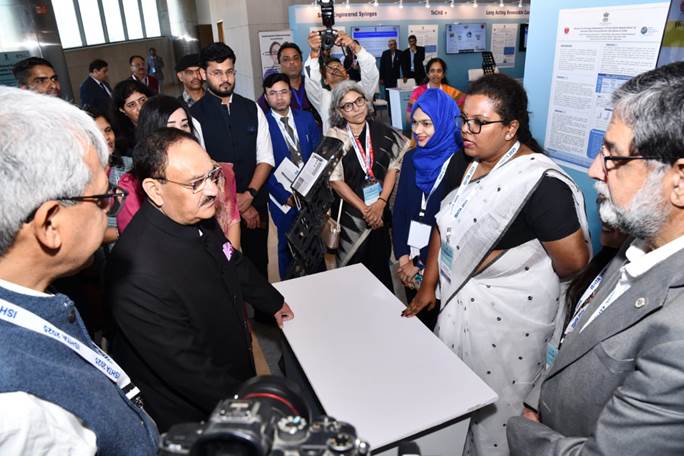
The symposium offered a wide range of engaging activities, including keynote presentations, panel discussions, oral and poster presentations, and networking opportunities. A ‘Marketplace’ at the symposium showcased HTA studies and their impact on health policymaking.

By bringing together global experts, policymakers, and stakeholders, ISHTA 2025 has set the stage for meaningful collaborations that will contribute to creating a more sustainable, accessible, and affordable healthcare system in India and beyond.

Smt. Anu Nagar, Joint Secretary, Department of Health Research, Government of India; Dr Roderico H. Ofrin, WHO Representative to India and senior officials of the Union Health Ministry were also present at the event. Researchers, academicians, innovators, and industry partners from India and abroad also participated, sharing their perspectives and insights.

PM launches the Surat Food Security Saturation Campaign Programme

| Published on:

The Prime Minister Shri Narendra Modi launched the Surat Food Security Saturation Campaign Programme in Limbayat, Surat, today. The Prime Minister also distributed the benefits under the National Food Security Act to over 2.3 lakh beneficiaries. Addressing the gathering, the Prime Minister emphasized the unique spirit of the Surat city, highlighting its strong foundation of work and charity. He expressed how the city’s essence cannot be forgotten, as it is defined by collective support and celebrating the growth of all.

Shri Modi stated that Surat is known for its culture of mutual support and progress, where people work together for the benefit of everyone. He emphasized that this spirit is visible in every corner of Surat. The Prime Minister pointed out that today’s program aims to further promote and strengthen this spirit, fostering unity and growth for all in the city. “Surat is a leading city in Gujarat and India, and now also taking the lead in ensuring food and nutrition security for the poor and marginalized. The city’s food security saturation campaign will serve as an inspiration for other districts across the country” Shri Modi added.

Shri  Modi  emphasized that the campaign ensures no one is left out, no one is cheated, and there is no discrimination. It moves beyond appeasement and focuses on the noble spirit of satisfaction for all. “When the government reaches the beneficiary’s doorstep, no one will be excluded. With a commitment to benefit everyone, those attempting to exploit the system are kept away”, Shri Modi added.

The Prime Minister highlighted that under the food security saturation approach, the Surat administration has identified over 2.5 lakh new beneficiaries. Among them are many elderly women, elderly men, widowed women, and differently-abled individuals. These new family members will now receive free rations and nutritious food. The Prime Minister congratulated all the new beneficiaries for being included in this important initiative.

The Prime Minister emphasized that the pain of the poor worrying about food is not something he needs to learn from books, but something he can experience. “And this is why over the past years, the government has focused on addressing this very concern by ensuring food security for those in need. The government has stood with the poor as a true partner and servant”, Shri Modi stated. During the COVID-19 pandemic, when the country needed support the most, the Pradhan Mantri Garib Kalyan Yojana was launched to ensure that the poor’s kitchens continued to function. This scheme, one of the largest and most unique in the world, is still ongoing. He also expressed happiness that the Gujarat government extended the scheme by increasing the income limit to allow more beneficiaries to benefit. The government is spending nearly ₹2.25 lakh crore annually to ensure that the poor’s kitchens stay lit.

Highlighting the crucial role of nutritious food in India’s journey towards development, Shri Narendra Modi stated that the government’s goal is to provide adequate nutrition to every family in the country to eliminate issues like malnutrition and anemia. “Under the PM Poshan Scheme, approximately 12 crore school children are being provided with nutritious food. The Saksham Anganwadi Program focuses on the nutrition of young children, mothers, and pregnant women. Additionally, under the PM Matru Vandana Yojana, pregnant women are provided with financial support for nutritious food” Shri Modi highlighted.

The Prime Minister  emphasized that nutrition goes beyond just food, with cleanliness being an essential aspect. He praised Surat for its efforts in maintaining cleanliness. “The government’s continuous effort is to ensure that every city and village in the country works towards eliminating filth. The global organizations have acknowledged that the Swachh Bharat Abhiyan has helped reduce diseases in rural areas” Shri Modi added. He also highlighted the importance of the “Har Ghar Jal” campaign, led by Shri C.R. Patil, which aims to deliver clean water to every household, contributing to a decrease in various diseases.

Shri Narendra Modi acknowledged the significant impact of the government’s free ration scheme, which has made life easier for millions. He noted that today, the rightful beneficiaries are receiving their full share of ration, a possibility that wasn’t available 10 years ago. He pointed out that the government has removed over 5 crore fake ration cardholders and linked the entire ration distribution system to Aadhaar cards. The Prime Minister addressed the issue faced by migrant workers in Surat, who previously couldn’t use their ration cards in other states. “The “One Nation, One Ration Card” scheme was introduced to ensure that no matter where a person’s ration card is from, they can avail benefits in any city across the country. Many workers in Surat are now benefiting from this scheme, which demonstrates that when policies are made with true intentions, they benefit the poor” Shri Modi added.

The Prime Minister outlined the government’s efforts over the past decade to empower the poor through a mission-mode approach. He emphasized the creation of a safety net around the poor, ensuring they never have to beg for help. Providing concrete homes, toilets, gas connections, and tap water connections has instilled new confidence in the poor.The government also introduced insurance schemes for poor families, ensuring that nearly 60 crore Indians have access to free medical treatment up to ₹5 lakh. “Life and accident insurance, which were previously out of reach for poor families, are now a reality. Today, more than 36 crore people are enrolled in government insurance schemes. Over ₹16,000 crore in claims have been paid to poor families, helping them during difficult times” Shri Modi highlighted.

Shri Narendra Modi recalled how, in the past, the poor faced immense challenges in starting their own businesses, with banks refusing to offer loans without guarantees. Shri Modi highlighted how he personally took  the responsibility to guarantee loans for the poor, launching the Mudra Yojana. “Under the Mudra Yojana, nearly ₹32 lakh crore has been provided as loans without any guarantee, directly benefiting the poor. This initiative has helped millions of people, despite the opposition’s lack of understanding of the magnitude of such an amount”, the Prime Minister emphasized.

Addressing the struggles of street vendors and workers who previously had no financial support,  Shri Narendra Modi mentioned that these individuals often had to borrow money from moneylenders, only to pay back more than they borrowed. The government’s PM SVANidhi Yojana has helped these vendors by providing them access to bank loans. The Prime Minister further announced in this year’s budget the introduction of a special credit card for such workers. “The introduction of the PM Vishwakarma Yojana, which supports traditional craftsmen by providing them with training, modern tools, and financial assistance to improve and expand their skills. These efforts contribute to the country’s development through inclusive growth, with over 25 crore people moving out of poverty in the past decade” Shri Modi stated.

The Prime Minister  acknowledged the significant contribution of the middle class to the country’s development, especially in Surat, where a large number of middle-class families reside. He outlined the government’s efforts in the past decade to empower the middle class, including the relief provided in this year’s budget.  “The tax relief given, particularly the zero tax on income up to ₹12 lakh, is a step many never expected. Additionally, employees will now be exempt from taxes on income up to ₹12.87 lakh. New tax slabs have also been introduced to benefit all taxpayers. This will allow middle-class families in Surat, Gujarat, and across the country to retain more of their earnings, which they can invest in their needs and their children’s future”, the Prime Minister highlighted.

The Prime Minister recognized Surat as a hub for entrepreneurship with a significant number of small and medium enterprises (MSMEs), which provide employment to millions. He highlighted the government’s efforts to strengthen the local supply chain by offering substantial support to MSMEs. “The budget announced loans up to ₹2 crore for SC/ST, Dalit, tribal, and women entrepreneurs, helping them thrive in the MSME sector. The youth of Surat and Gujarat should take advantage of these opportunities, and the government stands ready to support them” Shri Modi stated.

Shri Modi acknowledged Surat’s significant role in India’s development, particularly in the textiles, chemicals, and engineering sectors. He highlighted the government’s efforts to expand these industries in the city. “The new integrated terminal building at Surat Airport, the Western Dedicated Freight Corridor, the Delhi-Mumbai Expressway, and the upcoming Bullet Train, the Surat Metro project, will further enhance the city’s connectivity, making it one of the most well-connected cities in the country. These initiatives are improving the quality of life for Surat’s residents and making their lives easier”, Shri Modi emphasised.

Shri Narendra Modi urged women across the country to share their inspiring stories on the NaMo app. On the occasion of International Women’s Day, the Prime Minister announced that he will be handing over his social media accounts to some of these inspirational women who have contributed significantly to the country’s and society’s development. He highlighted the role of women in various sectors, especially in Gujarat, and emphasized that this day is an opportunity to celebrate women’s achievements. He also shared that he will be attending a major event in Navsari dedicated to women’s empowerment. The Prime Minister acknowledged the large number of women attending the event in Surat, noting that they would benefit greatly from the ongoing program.

The Prime Minister expressed his commitment to the continued development of Surat as a mini India and a remarkable city on the global stage. “For vibrant and dynamic people like those in Surat, everything must be exceptional. I congratulate all beneficiaries of the ongoing initiatives, wishing them continued success and progress” Shri Modi concluded.

Background

The Prime Minister launched the Surat Food Security Saturation Campaign Programme in Limbayat, Surat and distributed the benefits under National Food Security Act to over 2.3 lakh beneficiaries.

Women empowerment has been a cornerstone of the work done by the government. Guided by the vision of the Prime Minister, the government has been committed to taking steps towards their all round development.

PM inaugurates and launches various development works worth over Rs 2580 crore in Silvassa

| Published on:

The Prime Minister Shri Narendra Modi launched various development works worth over ₹2580 crore in Silvassa, Union Territory of Dadra and Nagar Haveli and Daman and Diu today. He also inaugurated the Namo Hospital in Silvassa earlier to the event. Addressing the gathering, the Prime Minister expressed his gratitude towards the dedicated workers of the Union Territory of Dadra and Nagar Haveli, Daman and Diu for giving him the opportunity to connect and engage with the region. He acknowledged the warmth and the long-standing connection he has had with the people, sharing that his bond with the region is decades old. He highlighted the progress the region has made since his government came to power in 2014, transforming the potential of Dadra and Nagar Haveli, Daman and Diu into a modern and progressive identity.

“The natural beauty of Silvassa and the love of its people, as well as Dadra and Nagar Haveli, Daman and Diu, you all know how long my connection with you has been. This decades-old bond, the joy I feel when I come here, only you and I understand it”, Shri Modi added. The Prime Minister mentioned that when he first visited, the area was vastly different, with people questioning what could come of a small coastal region. However, he always had faith in the people of this place and their capabilities. The Prime Minister pointed out that under the leadership of his government, this faith has been transformed into progress, turning Silvassa into a cosmopolitan city, thriving with new opportunities for all its residents.

Shri Modi also shared an example of Singapore, which, in its early days, was a small fishing village. He emphasized that the transformation of Singapore happened due to the strong willpower of its people.  The Prime Minister encouraged the citizens of the Union Territory to adopt a similar resolve for development, assuring them that he would stand by them, but they too must take the initiative to move forward.

“Dadra and Nagar Haveli, Daman and Diu is not just a Union Territory but a source of pride and heritage. This is why we are transforming the region into a model state known for its holistic development”,  Shri Modi emphasized. The Prime Minister stated how he envisions the region to be recognized for its high-tech infrastructure, modern healthcare services, world-class educational institutes, tourism, blue economy, industrial progress, new opportunities for youth, and women’s participation in development.

Shri Modi noted that under the leadership of Shri Praful Patel and with the support of the central government, the region is fast progressing towards these goals. Over the last 10 years, significant progress has been made in development. The region is now emerging on the national map with a distinct identity in terms of development. Various government schemes, such as One Nation One Ration Card, Jal Jeevan Mission, BharatNet, PM Jan Dhan Yojana, PM Jeevan Jyoti Bima, and PM Suraksha Bima, have brought substantial benefits to the people, especially the underprivileged and tribal communities.

The Prime Minister announced that the next goal is to achieve 100% saturation in initiatives like Smart Cities Mission, Samagra Shiksha, and PM Mudra Yojana. He highlighted that for the first time, the government is reaching out directly to people with these welfare schemes, ensuring that every citizen benefits from the government’s plans.

The Prime Minister  highlighted the transformation of Dadra and Nagar Haveli, Daman and Diu in infrastructure, education, employment, and industrial development. He pointed out that earlier, youth from the region had to go outside for higher education, but today, the region is home to six national-level institutes. These include Namo Medical College, Gujarat National Law University, IIIT Diu, National Institute of Fashion Technology, Institute of Hotel Management and Catering Technology, and the Daman Engineering College. These institutions have made Silvassa and the region a new education hub. “To further benefit the youth, seats have been reserved for them in these institutes. Earlier, I was happy to see that this is a region where education is provided  in four different mediums: Hindi, English, Gujarati, and Marathi. Now, I am also proud to say that children in primary and junior schools here are studying in smart classrooms”, Shri Modi added.

Shri Modi said that in recent years, modern healthcare services have expanded significantly in the region. “In 2023, I  had the opportunity to inaugurate Namo Medical College here. Along with this, a new hospital with a capacity of 450 beds has been added, which was also inaugurated today. The healthcare facilities in Silvassa will greatly benefit the tribal community in the region”, Shri Modi underscored.

The Prime Minister  highlighted the significance of today’s healthcare projects, as it coincides with Jan Aushadhi Diwas. He emphasized that Jan Aushadhi ensures affordable treatment. Under this initiative, the government is providing quality hospitals, free treatment under Ayushman Bharat, and affordable medicines through Jan Aushadhi centers. More than 15,000 Jan Aushadhi centers across the country offer medicines at up to 80% lower prices. Around 40 Jan Aushadhi centers are benefiting the people of Dadra and Nagar Haveli, Daman and Diu. The government aims to open 25,000 Jan Aushadhi centers nationwide in the future. “Since the launch of this initiative, nearly ₹6,500 crore worth of affordable medicines have been provided to the needy, saving over ₹30,000 crore for the poor and middle class. This initiative has made the treatment of several critical diseases more affordable, demonstrating the government’s sensitivity to the needs of ordinary citizens”, Shri Modi emphasised.

The Prime Minister addressed the rising concern of lifestyle diseases, particularly obesity, which has become a major health threat. He referred to a recent report predicting that by 2050, over 440 million Indians will suffer from obesity. “This alarming figure indicates that one in every three people could face serious health issues due to obesity, potentially making it a life-threatening condition”, Shri Modi stated.

To combat this, the Prime Minister urged everyone to take proactive steps to reduce obesity. He emphasized the importance of reducing the consumption of cooking oil by 10% each month, asking people to commit to using 10% less oil in their daily cooking. He also encouraged the inclusion of regular physical activity, like walking a few kilometers daily, to maintain a healthy lifestyle and prevent obesity. “India is committed to achieving the vision of a developed nation. Only a healthy nation can achieve such a goal”, Shri Modi emphasised.

Shri Modi highlighted the rapid industrial growth in Dadra and Nagar Haveli, Daman and Diu over the past decade. With the launch of the Mission Manufacturing initiative in the recent budget, the region is poised to benefit significantly. Hundreds of new industries have started, and several existing industries have expanded, attracting thousands of crores in investment. These industries are providing large-scale employment opportunities, especially for the tribal community, women, and marginalized groups. “The Gir Adarsh Jeevika Yojana has been implemented to empower SC, ST, OBC, and women, while new self-employment opportunities have been created with the establishment of small dairy farms”, Shri Modi added.

The Prime Minister underscored that tourism has also emerged as a major source of employment. The region’s beaches and rich heritage are attracting tourists from both India and abroad. Developments like the Ram Setu, Namo Path, Tent City in Daman, and the popular Night Market are enhancing the region’s appeal. Shri Modi stated that a large bird sanctuary has been established, and plans for an eco-resort in Dudhani are underway. Coastal promenade and beach development work is being carried out in Diu. “The Diu Beach Games in 2024 boosted interest in beach sports, and the Blue Flag certification has made the Ghoghla Beach in Diu a popular tourist destination. Additionally, a cable car project is being developed in Diu, offering spectacular views of the Arabian Sea, making the region one of India’s top tourist destinations”, Shri Modi added.

Highlighting the significant connectivity improvements in Dadra and Nagar Haveli, Daman and Diu, Prime Minister Shri Narendra Modi  said that a bullet train station is being built near Dadra, and the Mumbai-Delhi Expressway passes through Silvassa. Over the past few years, several kilometers of new roads have been constructed, with over 500 kilometers of road work currently underway, involving investments worth thousands of crores. “The region is also benefiting from the UDAN scheme, and the local airport is being upgraded to enhance connectivity. The government is committed to ensuring comprehensive development and improving infrastructure in the region”, Shri Modi added.

The Prime Minister  expressed his happiness that Dadra and Nagar Haveli, Daman and Diu are becoming models of development, good governance, and ease of living. He pointed out that in the past, people had to visit government offices repeatedly to resolve their issues, but now most government-related tasks can be completed with just one click on their mobile phones. This new approach has greatly benefited the tribal areas that were neglected for decades. Special camps are being organized in villages to listen to people’s problems and resolve them on the spot. The Prime Minister congratulated Shri Praful Patel and his team for these efforts and assured the people that the government will continue working towards the development of the region.“I congratulate the people of Dadra and Nagar Haveli, Daman and Diu for the successful development projects launched today. I express my heartfelt gratitude for the warm welcome, affection, and respect shown by the citizens of the Union Territory”, the Prime Minister concluded.

Background

Boosting healthcare facilities in all corners of the country has been a primary focus of the Prime Minister. In line with this, he inaugurated NAMO Hospital (Phase I) in Silvassa. This 450 bedded hospital, built at the cost of over Rs 460 crore, will significantly strengthen healthcare services in the Union Territory. It will provide state-of-the-art medical care to the people in the region, especially the tribal communities.

The Prime Minister also inaugurated and  laid the foundation stone of multiple development projects for the UT worth over Rs 2580 crore at Silvassa. These include various village roads and other road infrastructure, schools, health and wellness centres, Panchayat and administrative buildings, Anganwadi centres, water supply and sewage infrastructure among others. These projects aim to improve connectivity, promote industrial growth, encourage tourism, create employment opportunities and aim at enhancing public welfare initiatives in the region.

Gir Adarsh Aajeevika Yojana aims to boost economic empowerment of women belonging to scheduled castes (SCs), scheduled tribes (STs), other backward classes (OBCs), minorities and divyangjan in the region through setting up small dairy farms and bringing social and economic changes in their lives. The Sylvan Didi scheme is an initiative to uplift women street vendors by providing them with aesthetically designed carts, with co funding from PM SVANIDHI scheme.

PM addresses Winter Tourism Program at Harsil, Uttarakhand

| Published on:

The Prime Minister Shri Narendra Modi participated in the Winter Tourism Program after flagging off a trek and bike rally at Harsil, Uttarakhand. He also performed pooja and darshan at the winter seat of Maa Ganga in Mukhwa. Addressing the gathering, he expressed his deep sorrow over the tragic incident in Mana village and extended his condolences to the families of those who lost their lives in the accident. He said the people of the nation stand in solidarity during this time of crisis, which has provided immense strength to the affected families.

“The land of Uttarakhand, known as Devbhoomi, is imbued with spiritual energy and blessed by the Char Dham and countless other sacred sites”, said the Prime Minister, highlighting that this region serves as the winter abode of the life-giving Maa Ganga. He expressed his gratitude for the opportunity to visit again and meet the people and their families, calling it a blessing. He emphasized that it is by Maa Ganga’s grace that he had the privilege of serving Uttarakhand for decades. “Maa Ganga’s blessings guided me to Kashi, where I now serve as a Member of Parliament”, said Shri Modi, recalling his statement in Kashi that Maa Ganga had called him and shared his recent realization that Maa Ganga has now embraced him as her own. The Prime Minister described this as Maa Ganga’s affection and love for her child, which brought him to her maternal home in Mukhwa village and had the honor of performing darshan and puja at Mukhimath-Mukhwa. Remarking on his visit to the land of Harsil, expressing his fond memories of the affection shown by the local women, whom he referred to as “Didi-Bhuliyas”, Shri Modi highlighted their thoughtful gestures of sending him Harsil’s rajma and other local products. He expressed his gratitude for their warmth, connection, and gifts.

The Prime Minister recalled his visit to Baba Kedarnath, where he had declared that, “this decade would be the decade of Uttarakhand”. He remarked that the strength behind those words came from Baba Kedarnath himself and highlighted that, with Baba Kedarnath’s blessings, this vision is gradually becoming a reality. Emphasizing that new avenues for Uttarakhand’s progress are opening up, fulfilling the aspirations that led to the state’s formation, Shri Modi noted that the commitments made for Uttarakhand’s development are being realized through continuous achievements and new milestones. He added, “winter tourism is a significant step in this direction, aiding in harnessing Uttarakhand’s economic potential” and congratulated the Uttarakhand government for this innovative effort and extended his best wishes for the state’s progress.

“Diversifying and making the tourism sector a year-round activity is important and necessary for Uttarakhand”, said the Prime Minister, remarking that there should be no “off-season” in Uttarakhand, and tourism should thrive in every season. He mentioned that currently, tourism in the hills is seasonal, with a significant influx of tourists during March, April, May, and June. However, he added that the number of tourists drops drastically afterward, leaving most hotels, resorts, and homestays vacant during winters. He pointed out that this imbalance leads to economic stagnation for a large part of the year in Uttarakhand and also poses challenges to the environment.

“Visiting Uttarakhand during winters offers a true glimpse of the divine aura of Devbhoomi”, said Shri Modi, highlighting the thrill of activities like trekking and skiing that winter tourism in the region provides. He stressed that winters hold special significance for religious journeys in Uttarakhand, with many sacred sites hosting unique rituals during this time. He pointed out the religious ceremonies in Mukhwa village as an integral part of the region’s ancient and remarkable traditions. The Prime Minister noted that the Uttarakhand government’s vision for year-round tourism will provide people with opportunities to connect with divine experiences. He underlined that this initiative will create year-round employment opportunities, significantly benefiting the local population and the youth of Uttarakhand.

“Our governments at Center and state are working together to make Uttarakhand a developed state”, said the Prime Minister, remarking on the significant progress achieved in the past decade, including the Char Dham All-Weather Road, modern expressways, and the expansion of railways, air, and helicopter services in the state. He also mentioned that the Union Cabinet had recently approved the Kedarnath Ropeway Project and the Hemkund Ropeway Project. He noted that the Kedarnath Ropeway will reduce the travel time from 8-9 hours to approximately 30 minutes, making the journey more accessible, especially for the elderly and children. Shri Modi emphasized that thousands of crores of rupees will be invested in these ropeway projects. He extended his congratulations to Uttarakhand and the entire nation for these transformative initiatives.

Underlining the focus on developing eco-log huts, convention centers, and helipad infrastructure in the hills, Shri Modi said, “tourism infrastructure is being newly developed in locations such as Timmer-Sain Mahadev, Mana village, and Jadung village”. He added that the Government has worked to ensure the erstwhile emptied villages of Mana and Jadung in 1962, have been restored. He noted that as a result, the number of tourists visiting Uttarakhand has increased significantly over the past decade. He shared that before 2014, an average of 18 lakh pilgrims visited the Char Dham Yatra annually, which has now risen to approximately 50 lakh pilgrims each year. The Prime Minister announced that this year’s budget includes provisions to develop 50 tourist destinations, granting hotels at these locations the status of infrastructure. He emphasized that this initiative will enhance facilities for tourists and promote local employment opportunities.

Emphasising the Government’s efforts to ensure that border areas of Uttarakhand also benefit from tourism, the Prime Minister said, “villages once referred to as the “last villages” are now being called the “first villages” of the country”. He highlighted the launch of the Vibrant Village Program for their development, under which 10 villages from this region have been included. He noted that efforts have begun to resettle Nelong and Jadung villages and mentioned the flagging off of a bike rally to Jadung from the event earlier. He also declared that those building homestays will be provided benefits under the Mudra Yojana. Shri Modi appreciated the Uttarakhand government’s focus on promoting homestays in the state. He highlighted that villages deprived of infrastructure for decades are now witnessing the opening of new homestays, which is boosting tourism and increasing the income of local residents.

Making a special appeal to people from all corners of the country, particularly the youth, Shri Modi highlighted that while much of the country experiences fog during winters, the hills offer the joy of basking in sunlight, which can be turned into a unique event. He suggested the concept of “Gham Tapo Tourism” in Garhwali, encouraging people from across the country to visit Uttarakhand during winters. He specifically urged the corporate world to participate in winter tourism by organizing meetings, conferences, and exhibitions in the region, emphasizing the vast potential of the MICE sector in Devbhoomi Uttarakhand. The Prime Minister remarked that Uttarakhand provides opportunities for visitors to recharge and re-energize through yoga and Ayurveda. He also appealed to universities, private schools, and colleges to consider Uttarakhand for students’ winter trips.

Pointing out the significant contribution of the wedding economy, worth thousands of crores, the Prime Minister reiterated his appeal to the people of the country to “Wed in India” and encouraged prioritizing Uttarakhand as a destination for winter weddings. He also expressed his expectations from the Indian film industry, noting that Uttarakhand has been awarded the title of the “Most Film-Friendly State.” He emphasized the rapid development of modern facilities in the region, making Uttarakhand an ideal destination for film shootings during winters.

Shri Modi underscored the popularity of winter tourism in several countries and emphasized that Uttarakhand can learn from their experiences to promote its own winter tourism. He urged all stakeholders in Uttarakhand’s tourism sector, including hotels and resorts, to study these countries’ models. He called on the Uttarakhand government to actively implement actionable points derived from such studies. He stressed the need to promote local traditions, music, dance, and cuisine. The Prime Minister remarked that Uttarakhand’s hot springs can be developed into wellness spas, and serene, snow-covered areas can host winter yoga retreats, urging the Yoga gurus to arrange a yoga camp in Uttarakhand annually. He also suggested organizing special wildlife safaris during the winter season to establish a unique identity for Uttarakhand. He emphasized adopting a 360-degree approach and working at every level to achieve these goals.

The Prime Minister emphasized that alongside developing facilities, spreading awareness is equally important and appealed to the country’s young content creators to play a vital role in promoting Uttarakhand’s winter tourism initiative. Mentioning the significant contribution of content creators in boosting the tourism sector, Shri Modi urged them to explore new destinations in Uttarakhand and share their experiences with the public. He suggested the State Government to organize a competition of making short films by content creators to promote tourism in Uttarakhand. He concluded by expressing confidence that the sector will witness rapid growth in the coming years and congratulated Uttarakhand for its year-round tourism campaign.

The Chief Minister of Uttarakhand, Shri Pushkar Singh Dhami, Union Minister of State for Road Transport and Highways, Shri Ajay Tamta were present among other dignitaries at the event.

Background

The Uttarakhand government has initiated a Winter Tourism programme this year. Thousands of devotees have already visited the winter seats of Gangotri, Yamunotri, Kedarnath, and Badrinath. The programme is aimed to promote religious tourism and boost the local economy, homestays, tourism businesses, among others.

PM addresses Republic Plenary Summit 2025

| Published on:

The Prime Minister Shri Narendra Modi participated in the Republic Plenary Summit 2025 in the Bharat Mandapam, New Delhi today. Addressing the gathering, he congratulated Republic TV for its innovative approach for involving youth at the grassroots level and organizing a significant hackathon competition. He remarked that when the nation’s youth get involved in the national discourse, it brings novelty to ideas and fills the entire environment with their energy. He emphasized that this energy was being felt at the summit. He further stated that the involvement of youth helps break all barriers and go beyond boundaries, making every goal achievable and every destination reachable. He appreciated Republic TV for working on a new concept for this summit and extended his best wishes for its success. Shri Modi reiterated his idea of bringing one lakh youth without any political background to the politics of India

“World is now recognizing this century as India’s century and India’s achievements and successes have sparked new hope globally”, highlighted Shri Modi. He stated that India, once perceived as a nation that would sink itself and others, is now driving global growth. He added that the direction of India’s future is evident from the work and accomplishments of today, pointing out that even 65 years after independence, India was the world’s eleventh-largest economy. However, in the past decade, India has become the fifth-largest economy and is now rapidly moving towards becoming the third-largest economy in the world.

Recalling the situation 18 years ago, in 2007, when India’s annual GDP reached US $1 trillion, the Prime Minister highlighted that back then, the economic activity in India for an entire year was US $1 trillion. He added that today, the same amount of economic activity is happening in just one quarter, which demonstrates the rapid pace at which India is progressing. He provided examples to show the significant changes and results achieved in the past decade, highlighting that in the last 10 years, India has successfully lifted 25 crore people out of poverty, a number greater than the population of many countries. Shri Modi also reminded the audience of the time when only 15 paise out of one rupee sent by the government reached the poor, with 85 paise lost to corruption. In contrast, over the past decade, more than ₹42 lakh crore have been transferred directly to the accounts of the poor through Direct Benefit Transfer (DBT), ensuring that the entire amount reaches the beneficiaries.

Underlining that 10 years ago, India lagged behind in solar energy, the Prime Minister remarked, “today, India is among the top 5 countries in solar energy capacity, having increased it 30 times, while solar module manufacturing has also seen a 30-fold increase”. He also stated that 10 years ago, even children’s toys like Holi water guns were imported, while today, India’s toy exports have tripled. He also pointed out that 10 years ago, India imported rifles for its army, but in the past decade, India’s defense exports have increased 20 times.

Prime Minister further highlighted that in the past 10 years, India has become the world’s second-largest steel producer, the second-largest mobile phone manufacturer, and the third-largest startup ecosystem. He remarked that in the same period, India’s capital expenditure on infrastructure has increased fivefold and the number of airports in the country has doubled, and the number of operational AIIMS has tripled. He further emphasized that in the past decade, the number of medical colleges and medical seats has nearly doubled.

“Today’s India thinks big, sets ambitious targets, and achieves significant results”, emphasised the Prime Minister, remarking that this is happening because the nation’s mindset has changed, and India is moving forward with great aspirations. He highlighted that previously, the mindset was to accept the status quo, but now, people know who can deliver results. He cited examples of how the aspirations of the people have evolved, from requesting drought relief work to demanding Vande Bharat connectivity and international airports. He pointed out that the previous dispensations had crushed the aspirations of the people, leading them to lower their expectations. However, today, the situation and mindset have changed rapidly, and people are now driven by the goal of a Viksit Bharat.

Underscoring that the strength of any society or nation increases when barriers and obstacles are removed for its citizens, Shri Modi said that this enhances the capabilities of the citizens, making even the sky seem small. He pointed out that the Government is continuously removing the obstacles placed by previous administrations and cited the example of the space sector, where earlier everything was under ISRO’s purview. While ISRO did commendable work, the potential of space science and entrepreneurship in the country was not fully utilized. He remarked that the space sector has now been opened up for young innovators, resulting in the creation of over 250 space startups in the country. These startups are now developing rockets like Vikram-S and Agnibaan, he added. The Prime Minister also mentioned the mapping sector, where previously government permission was required to create maps in India. This restriction has been removed, and today, geospatial mapping data is paving the way for new startups. Pointing out that the nuclear energy sector was previously under government control with various restrictions, the Prime Minister said that this year’s budget has announced the opening of this sector to the private sector, paving the way for adding 100 gigawatts of nuclear energy capacity by 2047.

Prime Minister emphasized that there was over ₹100 lakh crore of untapped economic potential in India’s villages and that this potential was present in the form of houses in villages, which lacked legal documents and proper mapping, preventing villagers from availing bank loans. He pointed out that this issue is not unique to India, as many large countries also lack property rights for their citizens. International organizations state that countries providing property rights to their citizens see a significant boost in GDP, he added. “The Swamitva Scheme has been launched to provide property rights for village houses in India and drones are being used to survey and map each house in villages”, remarked the Prime Minister, emphasising that property cards are being distributed across the country, with over 2 crore property cards already issued. He pointed out that the lack of property cards previously led to numerous disputes and court cases in villages, which have now been resolved. He further stated that villagers are now able to obtain bank loans using these property cards, enabling them to start businesses and pursue self-employment.

Adding that the biggest beneficiaries of the examples he provided were the youth of the country, Shri Modi said, “youth are the largest stakeholders in a Viksit Bharat and the X-Factor of today’s India, where X stands for Experimentation, Excellence, and Expansion”. He explained that the youth have created new paths by moving beyond old methods, set global benchmarks, and scaled up innovations for 140 crore Indians. He pointed out that the youth could provide solutions to the country’s major problems, but this potential was not utilized earlier. The Prime Minister mentioned that the government now organizes the Smart India Hackathon every year, with 10 lakh youth participating so far. He remarked that various ministries and departments have presented numerous problem statements related to governance to these young participants, who have developed around 2,500 solutions. He expressed his happiness that the hackathon culture was being promoted further by Republic TV too.

“In the past decade, the country has experienced new-age governance, transforming impact-less administration into impactful governance”, stated the Prime Minister. He added that people often say they are benefiting from government schemes for the first time, even though these schemes existed before. The difference now is the ensured last-mile delivery, he said. Emphasising that previously, houses for the poor were sanctioned on paper, but now, houses are being built on the ground, Shri Modi remarked that the entire process of house construction was government-driven, deciding the design and materials. However, the government has now made it owner-driven, transferring money to the beneficiary’s account, allowing them to decide the house’s design, he mentioned. The Prime Minister said that competitions were held across the country for house designs, involving public participation, which improved the quality and speed of house construction. He highlighted that earlier, incomplete houses were handed over, but now, the government is providing dream homes for the poor, complete with water connections, gas connections under the Ujjwala scheme, and electricity connections under the Saubhagya scheme. “We have not just built four walls but have brought life to these homes”, he added.

Stressing the importance of national security for a country’s development, the Prime Minister underlined the significant work done in the past decade to enhance security. He recalled that earlier, serial bomb blast breaking news and special programs on sleeper cell networks were common on TV, but today, such incidents are absent from both TV screens and Indian soil. He remarked that Naxalism is now on its last breath, with the number of affected districts reduced from over a hundred to less than two dozen. This was achieved by working with a “nation first” spirit and bringing governance to the grassroots level in these areas, he added. Shri Modi highlighted the construction of thousands of kilometers of roads, schools, hospitals, and the reach of 4G mobile networks in these districts and the results are evident for all to see.

Shri Modi highlighted that decisive government actions have cleared Naxalism from the jungles, but it is now spreading to urban centers. He remarked that Urban Naxals have rapidly infiltrated political parties that were once opposed to them and inspired by Gandhian ideology, rooted in India’s heritage. He said that the voices and language of Urban Naxals are now heard within these political parties, indicating their deep-rooted presence, and warned that Urban Naxals are staunch opponents of India’s development and heritage. He acknowledged Shri Arnab Goswami’s efforts in exposing Urban Naxals and stressed that both development and strengthening heritage are essential for a developed India, urging caution against Urban Naxals.

“Today’s India is reaching new heights by facing every challenge”, said Shri Modi, expressing confidence that the Republic TV network will continue to elevate journalism with a “nation first” spirit. He concluded by saying that Republic TV’s journalism will continue to catalyze the aspirations of a developed India.

PM chairs a high-level meeting to review the progress of Cooperative sector

| Published on:

Prime Minister Shri Narendra Modi chaired a high-level meeting to review the progress of the cooperative sector earlier today at 7 LKM. Discussions were held on promoting “Sahkar Se Samruddhi” bringing transformation through technological advancements in the sector, plans to increase the participation of youth and women in cooperatives, and the various initiatives of the Ministry of Cooperation.

Prime Minister emphasized the need for partnerships with global cooperative organizations to expand the Indian cooperative sector and stressed promoting organic products through cooperative organizations. He also suggested focusing on export markets and developing a soil testing model through cooperatives to improve agricultural practices. Prime Minister highlighted the importance of integrating UPI with RuPay KCC cards to facilitate financial transactions and emphasized the need for healthy competition among cooperative organizations.

Prime Minister also emphasized the importance of documenting the assets of cooperative organizations to ensure transparency. He suggested promoting cooperative farming as a more sustainable agricultural model. He recommended the use of digital public infrastructure (Agristack) to expand agriculture and related activities in Cooperative Sector, providing farmers with better access to services. In the context of education, Prime Minister proposed introducing cooperative courses in schools, colleges, and IIMs, as well as promoting successful cooperative organizations to inspire future generations. He further added that young graduates should be encouraged to contribute, and Cooperative organisations should be ranked based on their performance, so as to promote competition and growth simultaneously.

During the meeting PM was briefed about National Cooperation Policy and key achievements of the Ministry of Cooperation over the past three and a half years. Realising the vision of ‘Sahkar Se Samruddhi’, the Ministry has formulated a draft of the National Cooperation Policy 2025 through an extensive consultation process. The objective of  National Cooperation Policy 2025 policy is to facilitate the systematic and holistic development of the cooperative sector, with a focus on accelerating rural economic development, while prioritizing women and youth. It aims to promote a cooperative-based economic model and establish a robust legal and institutional framework. Furthermore, the policy endeavours to deepen the grassroots impact of cooperatives and significantly enhance the contribution of the cooperative sector to the overall development of the country.

Since its inception, the Ministry has undertaken 60 initiatives across seven key areas to promote and strengthen the cooperative movement. These initiatives include the digitization of cooperative institutions through the National Cooperative Database and Computerization Projects, as well as the strengthening of Primary Agricultural Credit Societies (PACS). Additionally, the Ministry has focused on enhancing the efficiency and sustainability of cooperative sugar mills.

The Government of India has implemented various schemes for cooperative societies through a “whole of government approach,” integrating over 15 schemes from more than 10 ministries at the PACS level. As a result, there has been diversification in cooperative businesses, additional income generation, increased opportunities for cooperatives, and improved accessibility of government schemes in rural areas. Annual targets have also been set for the formation of these cooperatives. To promote cooperative education, training and research and to provide skilled professionals, a Bill to convert IRMA Anand into “Tribhuvan Cooperative University” and make it an Institution of National Importance has been introduced in the Parliament.

Prime Minister was briefed on the growth of cooperatives and their vital role across various sectors. Cooperative sector’s contribution to India’s economy, particularly in agriculture, rural development, and economic inclusion was highlighted. During the meeting it was highlighted that presently, one-fifth of the country’s population is associated with the cooperative sector, which includes over 8.2 lakh cooperative institutions spanning more than 30 sectors, with a membership exceeding 30 crore individuals. Cooperatives play a crucial role in several areas of the economy.

The meeting was attended by Home and Cooperation Minister, Shri Amit Shah; Secretary, Ministry of Cooperation, Dr. Ashish Kumar Bhutani; the Principal Secretary to PM, Dr. P.K. Mishra, Principal Secretary-2 to PM Shri Shaktikanta Das; Advisor to PM, Shri Amit Khare and other senior officials.

Nitin Gadkari highlights on immediate need for improved road safety measures

| Published on:

Union Minister for Road Transport and Highways Shri Nitin Gadkari highlighted the immediate need for improved road safety measures to put in place and called upon the road construction industry to develop strategies to enhance road safety by adopting newer technologies and sustainable recyclable construction materials.

Speaking after inaugurating two-day Global Road Infratech Summit & Expo (GRIS) with the theme “Vision Zero: Sustainable Infratech and Policy for Safer Roads,” in New Delhi today, Shri Gadkari observed that most of the road accidents that happen in the country are due to poor civil engineering practices in road design, construction, and management and improper road signages and marking systems.  He suggested that they can be rectified by emulating from what is being practiced in countries like Spain, Austria and Switzerland.

India witnessed 4,80,000 road accidents, 1,80,000 deaths, and about 4,00,000 serious injuries. Out of these 1,40,000 accident deaths are in the age of 18-45 years and affecting mostly two-wheeler riders and pedestrians.  These accidents contribute to an economic loss of 3 % to GDP, Shri Gadkari noted.

Holding engineers largely responsible for the rise in road accidents due to poor planning and design of roads, the Union Minister also pointed to substandard detailed project reports (DPRs).  With road safety a top priority, the government aims to reduce accident rates by 50% by 2030, he added.

Shri Gadkari urged the industry and government to collaborate in finding solutions to prevent road accidents, emphasising the importance of education in building safer infrastructure and promoting awareness on safer driving habits. He also highlighted the need for stronger law enforcement and responsive emergency medical services.

The summit being organised by the International Road Federation-India Chapter (IRF-IC) is crafted to inspire innovation, showcase cutting-edge solutions from industry providers, foster knowledge exchange, and open valuable networking opportunities for experts and decision-makers from government bodies and private organisations.

The summit through the conference-cum-expo mode, aims to deliver a holistic experience that educates, inspires, and drives progress in the industry by seamlessly blending the formats”, said Mr K K Kapila, President Emeritus, International Road Federation (IRF) a global road safety body working for better and safer roads worldwide.

Ms Susanna Zammataro, Director General, IRF, Geneva, Lt. Gen. Harpal Singh, President, IRF -India Chapter and Akhilesh Srivastva, Vice President, IRF, also spoke on the occasion.


Japan-India Business Cooperation Committee delegation calls on PM

| Published on:

A delegation from the Japan-India Business Cooperation Committee (JIBCC) comprising 17 members and led by its Chairman, Mr. Tatsuo Yasunaga called on Prime Minister Narendra Modi today. The delegation included senior leaders from leading Japanese corporate houses across key sectors such as manufacturing, banking, airlines, pharma sector, plant engineering and logistics.

Mr Yasunaga briefed the Prime Minister on the upcoming 48th Joint meeting of Japan-India Business Cooperation Committee with its Indian counterpart, the India-Japan Business Cooperation Committee which is scheduled to be held on 06 March 2025 in New Delhi. The discussions covered key areas, including high-quality, low-cost manufacturing in India, expanding manufacturing for global markets with a special focus on Africa, and enhancing human resource development and exchanges.

Prime Minister expressed his appreciation for Japanese businesses’ expansion plans in India and their steadfast commitment to ‘Make in India, Make for the World’. Prime Minister also highlighted the importance of enhanced cooperation in skill development, which remains a key pillar of India-Japan bilateral ties.