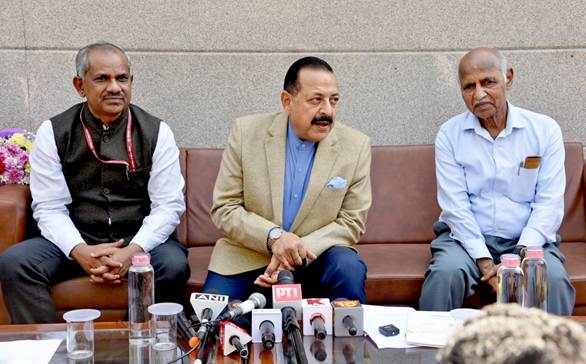
Union Home Minister holds meeting with LG & CM of Jammu and Kashmir in New Delhi 

| Published on:

Union Home Minister and Minister of Cooperation, Shri Amit Shah, chaired a review meeting on the implementation of three new criminal laws in Jammu and Kashmir, in the presence of Lieutenant Governor Shri Manoj Sinha and Chief Minister Shri Omar Abdullah, in New Delhi today. The meeting reviewed the implementation and present status of various new provisions related to police, prisons, courts, prosecution, and forensics in Jammu and Kashmir. The meeting was attended by the Union Home Secretary, Chief Secretary and Director General of Police of Jammu and Kashmir, the Director General of the Bureau of Police Research and Development (BPRD), the Director General of the National Crime Records Bureau (NCRB), and other senior officials from the Ministry of Home Affairs (MHA) and the UT administration.

During the discussion in the meeting, Union Home Minister and Minister of Cooperation asked the UT administration to ensure full implementation of the three new criminal laws, made under the leadership of Prime Minister Shri Narendra Modi, in Jammu and Kashmir by April 2025. He said that optimum use of technology should be made to ensure speedy justice under the three new criminal laws.

Union Home Minister said that for the full implementation of the new laws, it is imperative to change the attitude of the police personnel and the administration and create awareness about the new laws among the citizens. He stated that with decline in terror activities and improvement in security scenario in Jammu and Kashmir, the Police should now prioritize safeguarding the rights of its citizens. Shri Shah added that there is an urgent need to use the provision of Trial in Absentia in the union territory.

Union Home Minister stressed on the need to fix responsibility of police officers to expedite the process of filing chargesheets. He said that every police station in Jammu and Kashmir should put the maximum use of the National Automated Fingerprint Identification System (NAFIS) into practice. He said that 100% training of investigating officers regarding the provisions of the new laws should be ensured, at the earliest. Shri Shah said that decisions on provisions related to terrorism and organised crime should be taken only after thorough scrutiny at the level of Superintendent of Police. He added that strict monitoring is required to ensure that these provisions under the new laws are not misused.

Shri Amit Shah said that the Jammu and Kashmir administration and government have done satisfactory work towards the implementation of the new criminal laws despite difficult circumstances. He said that the progress of implementation of the three new laws in Jammu and Kashmir should be reviewed on a monthly, fortnightly and weekly basis at the level of the Chief Minister, Chief Secretary and Director General of Police, respectively.

Dr. Jitendra Singh Inaugurates India’s First “Open-Air Art Wall Museum” at Mausam Bhawan

| Published on:

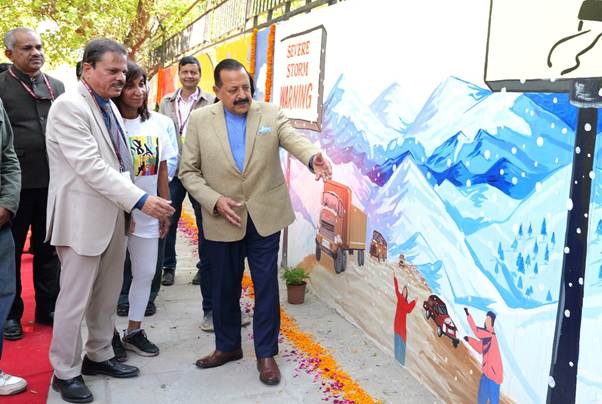
Union Minister of State (Independent Charge) for Science and Technology; Earth Sciences and Minister of State for PMO, Department of Atomic Energy, Department of Space, Personnel, Public Grievances and Pensions, Dr. Jitendra Singh  inaugurated India’s first “Open Air Art Wall Museum” a unique open-air art museum at “Mausam Bhawan” today, depicting and celebrating the 150 years of milestone journey of the India Meteorological Department (IMD).

The initiative, developed in collaboration with “Delhi Street Art”, transforms the walls of IMD’s headquarters on Lodhi Road into a vibrant visual narrative of India’s meteorological advancements, history, and the impact of weather science on society.

Speaking at the inauguration ceremony, Dr. Jitendra Singh lauded the IMD’s enduring contribution to India’s socio-economic development by providing timely and accurate weather forecasts. “For 150 years, the India Meteorological Department has stood at the forefront of meteorological research, leveraging cutting-edge technology to address the challenges of a dynamic climate. This artistic endeavor further extends IMD’s outreach by visually engaging the public with the story of weather science,” he said.

Union Minister Dr. Jitendra Singh speaking after inaugurating India’s first “Open Air Art Museum” at Mausam Bhawan, New Delhi.

The “Mausam Bhawan” special art showcase features 38 unique murals depicting India’s meteorological history, the evolution of weather forecasting, and its impact on agriculture, disaster management, and everyday life. The artwork illustrates crucial meteorological events, advancements in technology such as satellites and radars, and the role of IMD in safeguarding lives through early warnings for cyclones, monsoons, and extreme weather conditions.

Dr. Jitendra Singh commended the creativity of Delhi Street Art and its founder Late Yogesh Saini, whose vision transformed public spaces into artistic expressions. “Art is a powerful medium, and this project beautifully bridges science and creativity to communicate complex meteorological phenomena in a way that resonates with people of all ages,” he added.

Dr. Jitendra Singh emphasized that IMD’s pioneering efforts in meteorology have not only contributed to disaster risk reduction but have also played a crucial role in enhancing economic activities, particularly in sectors such as agriculture, aviation, and marine industries. “The accuracy and timeliness of IMD’s forecasts have empowered farmers, fishermen, and policymakers to make informed decisions, reinforcing India’s resilience against climate uncertainties,” he noted.

Dr. M. Ravichandran, Secretary, Ministry of Earth Sciences, highlighted that the artistic initiative reflects IMD’s innovative approach to public engagement. “By presenting scientific knowledge through art, we can foster greater awareness about the significance of meteorology in daily life,” he said.

The murals also pay tribute to India’s literary and cultural heritage by incorporating historical references such as Kalidasa’sMeghaduta and the legendary musical prowess of Tansen, who is believed to have influenced weather with his ragas. Other panels depict India’s diverse climatic zones, weather-related safety guidelines, and the scientific evolution of meteorology.

Mayuri Saini, Director of Delhi Street Art, expressed gratitude for the opportunity to contribute to IMD’s legacy. “This project is more than just an art installation; it is a tribute to the journey of IMD and its impact on every citizen’s life. It also honors the memory of our founder, Mr. Yogesh Saini, whose passion for transforming urban landscapes through art continues to inspire us.”

Dr. Jitendra Singh reiterated that the government remains committed to strengthening India’s meteorological capabilities with continued investments in research, technology, and infrastructure. He acknowledged the efforts of IMD’s scientists and the artistic team in creating an initiative that not only educates but also inspires.

Bhupender Yadav inaugurates ‘Waste Recycling and Climate Change 2025’ conclave

| Published on:

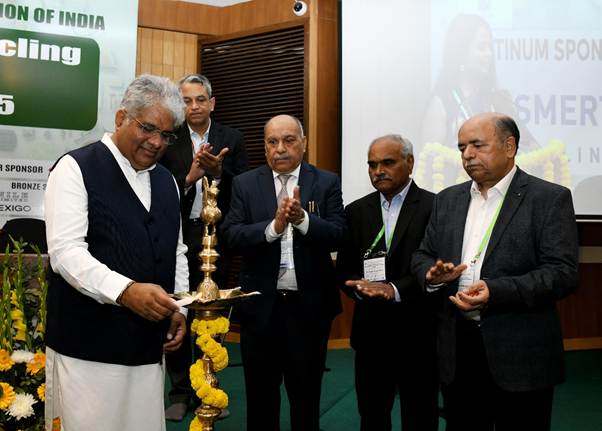
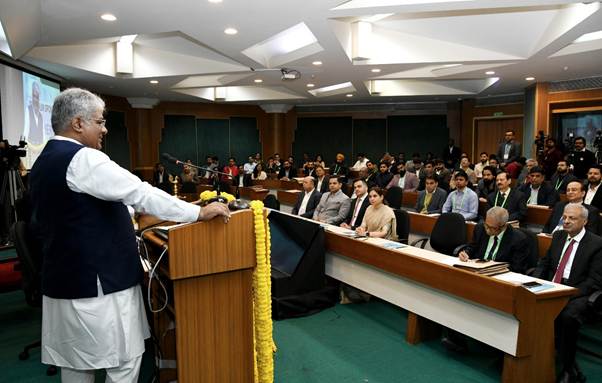
Union Minister for Environment, Forest and Climate Change, Shri Bhupender Yadav today inaugurated a day-long conclave organized by the Recycling and Environment Industry Association of India (REIAI), on ‘Waste Recycling & Climate Change 2025’.


Addressing the inaugural session, the Union Minister stated, “India generates around 62 million tonnes of waste annually, with plastic, electronic, and hazardous waste growing rapidly. The traditional linear economic model of take, make, and dispose is no longer sustainable. The increasing pressure on landfills, depletion of natural resources, and environmental damage from unchecked waste disposal require urgent action. The circular economy is not just an alternative; it is essential. It marks a fundamental shift in how we produce, consume, and manage materials”. A well-functioning circular economy not only conserves natural resources but also fosters industrial innovation, economic competitiveness, and job creation, he stated.

Shri Yadav said that under the visionary leadership of Prime Minister Shri Narendra Modi, India is shifting from waste management to harnessing the economic potential of recycling through waste to wealth initiative. “The circular economy has a major role in the future including reducing, reusing, and recycling at every stage, from product design to end-of-life management. Waste should not be treated as a burden but as a resource. Adopting sustainable practices is crucial for achieving economic resilience, environmental sustainability, and social security”, he added.

The Minister further stated that by the year 2050 India’s circular economy is expected to have a market value of $2 trillion and create 10 million jobs. It a big opportunity for start-ups and new recycled product developers. It is important to align this growth with environmental sustainability, drawing inspiration from nature’s efficient recycling systems as nobody recycles like Nature, he added.

Shri Yadav urged the recycling industry in the country to develop and adopt newer innovative technologies for reducing dependence on natural resources as well as cutting down imports of critical minerals needed for economic growth. “Adopting circular economy principles can bring tremendous economic benefits. This shift towards resource efficiency aligns seamlessly with our national vision of Atmanirbhar Bharat, enhancing the competitiveness of Indian industries in global markets”, the Minister added.

The Minister informed that the Ministry has been instrumental in formulating policies and regulations, including Extended Producer Responsibility (EPR) frameworks, that incentivize recyclers and integrate the informal sector into formal recycling systems. These initiatives aim to streamline waste management and promote eco-friendly production across industries. The Ministry has notified a number of market-based Extended Producer Responsibility (EPR) Regulations, including those on e-waste, end-of-life vehicles, plastic packaging, waste tyres, waste batteries, used oil. The revenue earned by registered recyclers from sale of EPR certificates is additional profit earned over and above the profit generated from the sale of recycled product, he added.

Shri Yadav said that the government has laid down the policies but Industry-wide adoption of circular approaches is critical to driving sustainable growth and resource efficiency. The Minister highlighted 4 key strategies in this direction:

  1. Redesigning Products for Circularity: Companies must move beyond single-use models and design products for recyclability. The integration of biodegradable, reusable, and modular components will help extend product life cycles and reduce waste.
  2. Investment in Advanced Recycling Technologies: Adoption of emerging technologies can transform waste management systems, thereby improving recovery rates.
  3. Strengthening Supply Chain Collaboration: Businesses need to collaborate across the value chain to optimize resource utilization, create closed-loop production systems, and build markets for secondary raw materials.
  4. Consumer Awareness and Behavioural Change: Circularity requires active consumer participation. Industries must invest in campaigns to engage consumers, incentivize recycling, and promote sustainable consumption behaviours.

Dr Amandeep Garg, Additional Secretary, Ministry of Environment, Forest and Climate Change and Chairman, Central Pollution Control Board (CPCB) said, “There is a huge gap and huge potential to work towards waste recycling system, as the role of recycling industry is important cut imports of various critical products needed for economic growth”. Corporate houses should lead the transition to a circular economy by incorporating recyclable designs, promoting sustainability in dealership operations, and enhancing consumer awareness, he added.

The event witnessed the presence of Dr. Ashok Kumar, President, Recycling and Environment Industry Association of India and subject experts from the industry and about 200 delegates environmental scientists, waste management professionals and policymakers.

PM welcomes Amir of Qatar H.H. Sheikh Tamim Bin Hamad Al Thani to India

| Published on:

The Prime Minister, Shri Narendra Modi extended a warm welcome to the Amir of Qatar, H.H. Sheikh Tamim Bin Hamad Al Thani, upon his arrival in India.

The Prime Minister said in X post;

“Went to the airport to welcome my brother, Amir of Qatar H.H. Sheikh Tamim Bin Hamad Al Thani. Wishing him a fruitful stay in India and looking forward to our meeting tomorrow.

@TamimBinHamad”

Nirmala Sitharaman launches Mutual Credit Guarantee Scheme for MSMEs in Mumbai

| Published on:

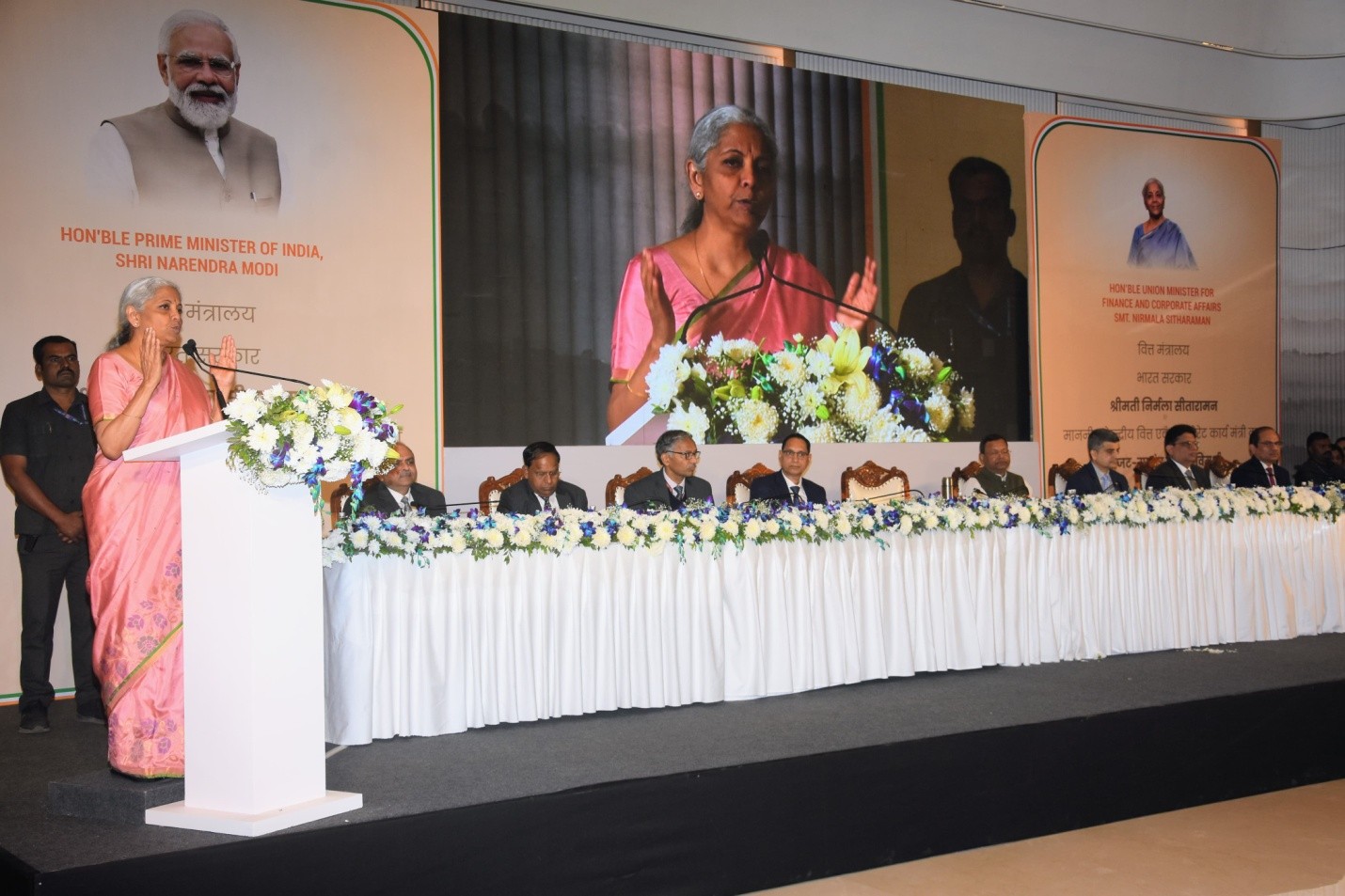
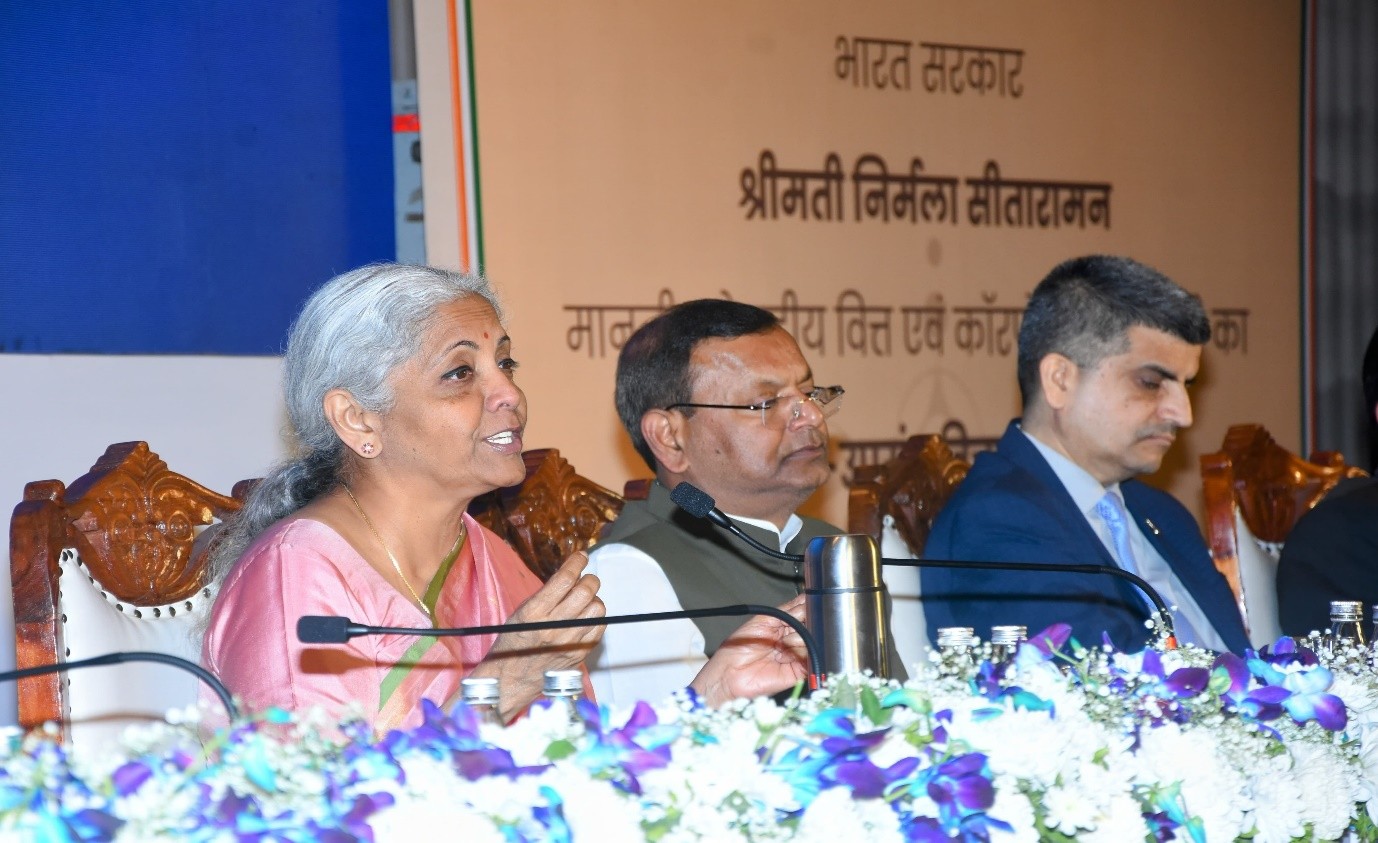
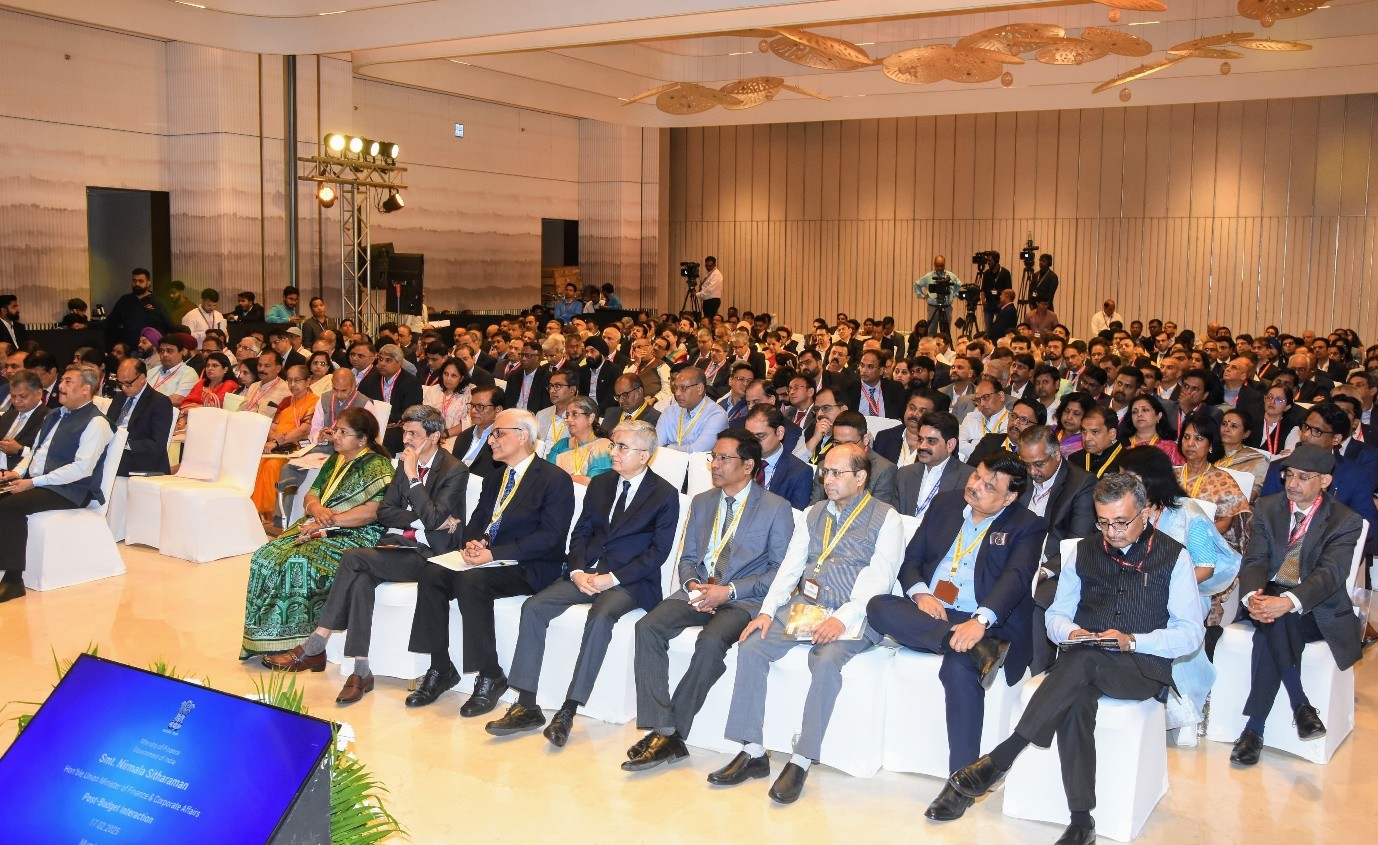
Union Finance and Corporate Affairs Minister Smt. Nirmala Sitharaman launched the Mutual Credit Guarantee Scheme for MSMEs (MCGS – MSME) for facilitating loans upto Rs. 100 crore to MSMEs for purchase of machinery or equipment without collateral, in pursuance of the Union Budget 2024-25 announcement, at the post-budget stakeholders’ interaction in Mumbai, today.

The Union Minister also virtually inaugurated the first ‘Sachal Aaykar Seva Kendra’ at Mumbai, to be operational in Navy Nagar Colaba from 18th and 19th February, 2025, and is designed to facilitate access to digital services, provide assistance for grievance redressal and to promote tax awareness.

At the same function, Smt. Sitharaman also handed over ceremonial keys to the home owners benefitted by the SWAMIH Investment Fund of SBI Ventures Ltd. Union MoS (Finance) Shri Pankaj Chaudhary, Secretary (Finance) Shri Tuhin Kanta Pandey, Secretary (DEA) Shri Ajay Seth, Secretary (Dept. of Expenditure) Dr. Manoj Govil, Secretary (Dept. of Financial Services) Shri M. Nagaraju, Secretary (DIPAM) Shri Arunish Chawla, CBDT Chairman Shri Ravi Agrawal and CBIC Chairman Shri Sanjay Kr. Agarwal were also present on the occasion.

In her keynote address, Smt. Sitharaman stated that Government continues its post-COVID capital and asset-building strategy, with increased allocations for capital expenditure to drive infrastructure development. The Finance Minister outlined the major takeaways from the Budget 2025-26, emphasizing economic growth, responsible fiscal management, and key structural reforms aimed at realising the vision of Viksit Bharat.

Increased Capital Expenditure

Government’s emphasis post Covid for public expenditure in asset building continues and hence, capex is 10.2 percent more in Budget 2025-26 than last budget (Vote-on-account 2024-25).  The capex budget has been significantly increased and stands at around Rs. 16 lakh crore, stated the Finance Minister.

Boost to R& D and STEM

Highlighting the importance of research and development, the Finance Minister noted that significant steps have been taken to support R&D, especially in STEM fields, with private sector participation being encouraged. She also reaffirmed the Government’s commitment to ongoing reforms in manufacturing, Ease of Doing Business (EODB), and social infrastructure to strengthen economic foundations.

Focus on Fiscal Consolidation, Reduction of Fiscal Deficit 

The Government remains steadfast in its commitment to fiscal consolidation, with a clear roadmap to bring the fiscal deficit below 4.5%. Borrowings are focused on capital asset creation, ensuring sustainable economic growth. She assured, “We are on track to bring the Debt-to-GDP ratio down to 50% by FY 2030-31. This reflects our disciplined approach towards financial stability without compromising on education, healthcare, or infrastructure investments.”

Boosting Consumption, Saving and Investment by the citizens

“This Budget focuses on boosting consumption while ensuring economic momentum. By providing tax concessions, we are enabling taxpayers to spend, save and invest, giving them the freedom to make financial decisions that best suit their needs.”

New I-T Act

The Income Tax Act, 1961, is set to be replaced by the new law which is currently under review by the Select Committee. With 60,000 inputs received, it is one of the most comprehensive tax reform exercises undertaken and reflects the spirit of Jan-bhagidaari. The new law will reduce complexity by consolidating provisions, reducing the number of sections from 800 to 500, and simplifying language for better interpretation. “FAQs The Finance Minister praised the CBDT for completing this monumental task within six months, stating, “This is a landmark effort towards simplification and transparency in taxation. Our aim is to make compliance easier and more efficient for every taxpayer.”

Opening up newer sectors for investments – Space, Energy, Nuclear Energy, Critical Minerals

Newer sectors such as space and nuclear energy have been opened up for investments, ensuring global competitiveness and technological advancement. Stressing the importance of energy security, she remarked, “With the rise in data centers and industrial expansion, our energy sector must scale accordingly”, stated the Finance Minister. The MSME Loan Guarantee scheme now extends to critical minerals, with the Government signing MoUs with multiple countries for import of important critical minerals. Additionally, full exemption of Customs Duties on 25 Critical Minerals have been announced in the union budget. This will benefit sectors like space, defence, telecommunications, high-tech electronics, nuclear energy and renewable energy, where these rare earth minerals are critical.

Education and Health

Education and health remain key priorities, with more universities being considered for student loan support to enhance accessibility to higher education. The insurance sector has been opened up with necessary safeguards, ensuring broader participation while maintaining financial security. Union Budget 2025 increased the sectoral cap of insurance sector to 100% from 74%.

PM Dhan Dhaanya Krishi Yojana for better agricultural productivity

Addressing food security, the Finance Minister highlighted the introduction of PM Dhan Dhaanya Krishi Yojana, which aims to improve agricultural productivity across 100 districts known for low agricultural output. This programme will help 1.7 crore farmers to enhance agricultural productivity, improve irrigation facilities and facilitate long-term and short-term credit “Strengthening food security in rural India is paramount, and this initiative will uplift our farmers and boost productivity where it is needed most,” she said.

The interaction with stakeholders was followed by a press conference, the proceedings of which may be accessed here. 

Prime Minister addresses the Bharat Tex 2025

| Published on:

The Prime Minister, Shri Narendra Modi addressed the Bharat Tex 2025 at Bharat Mandapam in New Delhi today. He also took a walkthrough of the exhibition showcased on the occasion. Addressing the gathering, the Prime Minister welcomed everyone to Bharat Tex 2025 and remarked that today Bharat Mandapam was witnessing the 2nd edition of Bharat Tex. He added that the event gave a glimpse of our heritage as well as the prospects of Viksit Bharat, which was a matter of pride for India. “Bharat Tex is now becoming a mega global textile event”, remarked Shri Modi.  He added that all the twelve communities related to the spectrum of the value chain were part of the event this time. He further noted that there were exhibitions of accessories, garments, machineries, chemicals and dyes as well. The Prime Minister highlighted that Bharat Tex was becoming a strong platform for engagement, collaboration and partnership for the policymakers, CEOs and industry leaders from across the world. He lauded the efforts of all the stakeholders involved in the organization of the event.

“More than 120 countries are participating in the Bharat Tex today”, said Shri Modi. He added that this meant that every exhibitor had the exposure to more than 120 countries, giving them the opportunity to expand their business from local to global. He added that those entrepreneurs in search of new markets were getting a good exposure of the cultural needs of various global markets. Recalling his visit to the exhibition at the event, the Prime Minister remarked that he visited many stalls and interacted with entrepreneurs. He also highlighted that many participants shared their experiences of joining Bharat Tex last year. They reported gaining new buyers on a large scale and expanding their business. The Prime Minister remarked that this event is significantly boosting investments, exports, and overall growth in the textile sector. Shri Modi urged the banking sector to cater to the needs of the entrepreneurs from the textile sector to help expand their business thereby creating employment and opportunities.

“Bharat Tex showcases the cultural diversity of India through our traditional garments”, remarked the Prime Minister. He added that from east to west, north to south, India has a vast range of traditional attire. He highlighted various types of garments, such as Lucknowi chikankari, bandhani from Rajasthan and Gujarat, patola from Gujarat, Banarasi silk from Varanasi, Kanjivaram silk from the south, and pashmina from Jammu and Kashmir. The Prime Minister emphasized that this is the right time for such events to promote the diversity and uniqueness of our textile industry, fostering its growth.

Highlighting that last year he discussed five factors for the textile industry: farm, fiber, fabric, fashion, and foreign, Shri Modi remarked that this vision is becoming a mission for India, opening new growth avenues for farmers, weavers, designers, and traders. “India saw a 7% increase in textile and apparel exports last year, and now ranks as the sixth-largest exporter of textiles and apparels in the world”, he pointed out. He noted that India’s textile exports have reached ₹3 lakh crore, with a target to increase this to ₹9 lakh crore by 2030.

Emphasizing that the success in the textile sector is the result of a decade of consistent efforts and policies, the Prime Minister highlighted that foreign investment in the textile sector has doubled over the last decade. “Textile industry is one of the largest providers of employment opportunities in the country, contributing 11% to India’s manufacturing sector”, he added. He also pointed out the Mission Manufacturing announced in this budget. He remarked that the investments and growth in this sector are benefiting crores of textile workers.

Shri Modi underlined that addressing the challenges and realizing the potential of India’s textile sector is their commitment. He highlighted that the efforts and policies over the last decade are reflected in this year’s budget. He added that to ensure a reliable cotton supply and make Indian cotton globally competitive and to strengthen the value chain, the Mission for Cotton Productivity was announced. The Prime Minister said there was focus on sunrise sectors like technical textiles and promoting indigenous carbon fiber and its products. He remarked that India is progressing towards manufacturing high-grade carbon fiber. Furthermore, the Prime Minister mentioned that the necessary policy decisions for the textile sector are being taken. He highlighted the expansion of MSMEs’ classification criteria and increased credit availability in this year’s budget. He also stressed that the textile sector, with 80% contribution from MSMEs, will greatly benefit from these measures.

“Any sector excels when it has a skilled workforce and skill plays a crucial role in the textile industry”, exclaimed Shri Modi. Adding that efforts were being made to create a skilled talent pool, he highlighted the role of National Centres of Excellence for skilling and mentioned that the Samarth scheme is aiding in developing the necessary skills for the value chain. The Prime Minister stressed the importance of maintaining the authenticity of handloom craftsmanship in the age of technology. He highlighted the efforts to enhance the skills and opportunities for handloom artisans, ensuring their products reach global markets. “Over the past 10 years, more than 2400 large marketing events have been organized to promote handlooms”, he added. He also mentioned the creation of the India-hand-made e-commerce platform to boost online marketing of handloom products, which has seen thousands of handloom brands register. The Prime Minister pointed out the significant benefits of GI tagging for handloom products.

Highlighting that during the Bharat Tex event last year, the Textiles Startup Grand Challenge was launched, inviting innovative sustainable solutions from the youth for the textile sector, the Prime Minister noted that young participants from across the country actively took part in this challenge, and the winners have been invited to this event. He remarked that startups willing to support these young innovators have also been invited. He acknowledged the support of IIT Madras, Atal Innovation Mission, and several major private textile organizations for the pitch fest, which will promote the startup culture in the country. Shri Modi encouraged the youth to bring forward new techno-textile startups and work on new ideas. He suggested that the textile industry could collaborate with institutions like IITs to develop new tools. He observed that the new generation is increasingly appreciating traditional attire alongside modern fashion trends. Therefore, he emphasized the importance of fusing tradition with innovation and launching products inspired by traditional garments to attract the new generation globally. The Prime Minister also addressed the growing role of technology in discovering new trends and creating new styles, with AI playing a significant part. He mentioned that while traditional khadi is being promoted, fashion trends are also being analyzed using AI. He recounted the organization of a fashion show of Khadi Products in Porbandar, Gujarat when he was the Chief Minister of Gujarat. Shri Modi urged the importance of promoting Khadi, remarking that it was ‘Khadi for nation’ during our freedom struggle, but now it should be ‘Khadi for fashion’.

Sharing that his recent visit to Paris, known as the fashion capital of the world, where significant partnerships were formed between the two countries on various issues, Shri Modi highlighted that discussions included topics on environment and climate change, emphasizing the global understanding of the importance of a sustainable lifestyle, which also impacts the fashion world. The Prime Minister remarked, “the world is adopting the vision of Fashion for Environment and Empowerment, and India can lead the way in this regard”. He pointed out that sustainability has always been an integral part of Indian textiles tradition, citing examples like khadi, tribal textiles, and the use of natural dyes. He underlined that India’s traditional sustainable techniques are now being enhanced with cutting-edge technologies, benefiting artisans, weavers, and millions of women associated with the industry.

The Prime Minister emphasized the importance of maximizing resource utilization and minimizing waste generation in the textile industry. He highlighted the issue of “fast fashion waste,” where millions of garments are discarded monthly due to changing trends, posing significant environmental and ecological threats. He noted that by 2030, fashion waste could reach 148 million tons, with less than a quarter of textile waste being recycled today. Shri Modi remarked that India’s textile industry can turn this concern into an opportunity, leveraging the country’s diverse traditional skills in textile recycling and up-cycling. He pointed out examples such as the creation of mats, rugs, and coverings from old or leftover fabrics, and fine quilts made from even torn clothes in Maharashtra. He emphasized that innovation in these traditional arts can lead to global market opportunities. He announced that the Textile Ministry has signed an MoU with the Standing Conference of Public Enterprises and e-Marketplace to promote up-cycling, with many up-cyclers already registered. Pilot projects for door-to-door collection of textile waste are being conducted in cities like Navi Mumbai and Bangalore. The Prime Minister encouraged startups to join these efforts, explore opportunities, and take early steps to lead in the global market. He projected that India’s textile recycling market could reach $400 million in the next few years, while the global recycled textile market is estimated to reach $7.5 billion. He remarked that with the right direction, India could achieve a larger share in this market.

Shri Modi remarked that centuries ago, when India was at the pinnacle of prosperity, the textile industry played a significant role in that prosperity. He emphasized that as India progresses towards the goal of becoming Viksit Bharat, the textile sector will once again play a major role. The Prime Minister highlighted that events like Bharat Tex are strengthening India’s position in this sector. He concluded his address by expressing confidence that this event will continue to set new records of success and reach new heights each year.

Union Minister for Textiles, Shri Giriraj Singh and the Minister of state for Textiles, Shri Pabitra Margherita were present on the occasion among other dignitaries.

Background

Bharat Tex 2025, a mega global event, being held from February 14-17 at Bharat Mandapam, is unique because it brings together the entire textile value chain from raw materials to finished products including accessories under one single roof.

Bharat Tex platform is the textile industry’s largest and most comprehensive event comprising a mega expo spread across two venues and showcasing the entire textile ecosystem. It also features a Global scale conference featuring over 70 conference sessions, Roundtables, Panel Discussions, and master classes. It includes exhibitions that shall feature Special Innovation and Start up Pavilions. It also includes hackathons based Startup Pitch Fest and innovation fests, Tech tanks and design challenges providing funding opportunities for startups through leading investors.

Bharat Tex 2025 is expected to attract policymakers and global CEOs, over 5000 Exhibitors, 6000 international buyers from over 120 countries among various other visitors. Over 25 Leading Global textile bodies and associations from across the world including International Textile Manufacturers Federation (ITMF), International Cotton Advisory Committee (ICAC), EURATEX, Textile Exchange, US Fashion Industry Association  (USFIA) among others will also participate.

PM condoles loss of lives due to stampede at New Delhi Railway Station

| Published on:

The Prime Minister, Shri Narendra Modi has condoled the loss of lives due to stampede at New Delhi Railway Station. Shri Modi also wished a speedy recovery for the injured.

In a X post, the Prime Minister said;

“Distressed by the stampede at New Delhi Railway Station. My thoughts are with all those who have lost their loved ones. I pray that the injured have a speedy recovery. The authorities are assisting all those who have been affected by this stampede.”

PM addresses the ET Now Global Business Summit 2025

| Published on:

The Prime Minister Shri Narendra Modi addressing the gathering at the ET Now Global Business Summit 2025 in New Delhi today, recounted that in the last edition of ET Now Summit, he had humbly stated that India would work at a new speed in their third term. He expressed satisfaction that this speed is now evident and receiving support from the country. He thanked the people of Odisha, Maharashtra, Haryana and New Delhi for showing immense support for the commitment to Viskit Bharat. He acknowledged this as a recognition of how the citizens of the country are shoulder-to-shoulder in the pursuit of the goal of a developed India.

“Today, be it major nations or global platforms, the confidence in India is stronger than ever”, exclaimed Shri Modi, who returned yesterday from his visit to France and the USA. He added that the sentiment was reflected in the AI Action Summit in Paris as well. The Prime Minister remarked, “Today, India is at the center of the Global Future Discussions and also leading in some as well”. He added that this was a consequence of a new revolution of reforms in India since 2014. Shri Modi highlighted that India entered in the top 5 largest economies in the world in just the last decade, denoting the speed of development of Viksit Bharat. He added that people would soon witness India becoming the 3rd largest economy in the world in a few years. He emphasized that this was the necessary pace for a young country like India and stressed that India was moving ahead with this very speed.

Prime Minister remarked that previous dispensations avoided reforms, with a mindset of not wanting to undertake hard work. He added that today the reforms being undertaken in India was with full conviction. He highlighted that there was rarely any discussion about how major reforms could bring significant changes to the country. He pointed out that living under the burden of colonialism had become a habit in India. Even after independence, remnants of the British era continued to be carried forward. He cited an instance where phrases like ‘justice delayed is justice denied’ were heard for a long time, but no concrete steps were taken to address this issue. The Prime Minister highlighted that over time, people became so accustomed to these things that they didn’t even notice the need for change. He added that there was an ecosystem that doesn’t allow discussions about good things to take place and puts energy into preventing such discussions. Shri Modi emphasized that in a democracy, it is crucial to have discussions and debates about positive things. However, he added that a narrative has been created that saying something negative or spreading negativity is considered democratic, whereas if positive things are discussed, democracy is labeled as weak. He stressed that it was essential to come out of this mentality.

Highlighting that until recently, the penal codes in India dated back to 1860 which aimed at strengthening colonial rule and punishing Indian citizens, Shri Modi noted that a system rooted in punishment could not deliver justice, leading to prolonged delays. He remarked that since the implementation of the new Indian Judicial Code 7-8 months ago, noticeable changes have occurred. For example, a triple murder case was resolved in just 14 days from FIR to sentencing, resulting in life imprisonment. Similarly, a case of a minor’s murder was concluded within 20 days. The Prime Minister pointed out that in Gujarat, a gang rape case registered on October 9, 2024 saw a charge sheet filed by October 26, and today, the court has convicted the accused. He cited another example from Andhra Pradesh, wherein a crime involving a 5-month-old child, the court sentenced the perpetrator to 25 years, with digital evidence playing a crucial role. In another case, the e-prison module aided in locating a rape and murder suspect who had previously served time for a crime in another state, leading to a swift arrest. He said now there were numerous instances where people are now receiving timely justice.

Pointing to a major reform undertaken related to property rights, Shri Modi referred to a UN study indicating that the lack of property rights in a country is a significant challenge. He pointed out that millions worldwide lack legal property documents, and having property rights helps reduce poverty. He noted that previous governments were aware of these intricacies but avoided such challenging tasks. He emphasized that this approach doesn’t build or run a country. Shri Modi said the Swamitva Yojana was initiated, in which over 3 lakh villages in the country underwent drone surveys, and over 2.25 crore people received property cards. He remarked that due to the Swamitva Yojana, property worth ₹100 lakh crore has been unlocked in rural areas. This property existed earlier but couldn’t be utilized for economic development due to the lack of property rights, he added. Shri Modi highlighted that due to the absence of property rights, villagers couldn’t obtain loans from banks. He added that this issue has now been permanently resolved and today, there are numerous reports from across the country on how people benefit from Swamitva Yojana property cards. The Prime Minister shared a recent conversation with a woman from Rajasthan who received a property card under the scheme, and her family had been living in a small house for 20 years, and after receiving the property card, she secured a loan of around ₹8 lakh from a bank. With this money, she started a shop, and the income now supports her children’s higher education. Recounting another instance from another state, he said that a villager used his property card to obtain a loan of ₹4.5 lakh from a bank and bought a vehicle to start a transportation business. In another village, a farmer used a loan against his property card to set up modern irrigation facilities on his land. The Prime Minister highlighted many such examples where villages and the poor have found new income avenues due to these reforms. He termed these as real stories of reform, perform, and transform that don’t usually make headlines in newspapers and TV channels.

Remarking that after independence, numerous districts in the country were left untouched by development due to poor governance, Shri Modi said instead of focusing on these districts, they were labeled as backward and left to their fate. No one was willing to address their issues, and government officers were sent there as punishment postings, he noted. “We changed this approach by declaring over 100 districts as Aspirational Districts”, said the Prime Minister. He added that young officers were sent to these districts to improve governance at the micro-level, who worked on indicators where these districts lagged behind and implemented flagship government schemes in mission mode. “Today, many of these aspirational districts have become inspirational districts”, he said. Citing an instance, Shri Modi said that in 2018, only 26% of elementary schools in Barpeta, Assam, had the correct student-to-teacher ratio, which is now 100%, He added that in Begusarai, Bihar, the number of pregnant women receiving supplementary nutrition was 21%, and in Chandauli, UP, it was 14%, while today, both districts have achieved 100%. The Prime Minister also noted the remarkable improvement in child immunization campaigns. In Shravasti, UP, the percentage increased from 49% to 86%, while in Ramanathapuram, Tamil Nadu, it rose from 67% to 93%. He highlighted that seeing such successes, 500 blocks in the country have now been declared aspirational blocks, and rapid work is underway in these areas.

Acknowledging the decades of experience in business of the industry leaders at the summit, the Prime Minister recalled how the business environment in India used to be a part of their wish list and emphasized the progress made in the last 10 years. He highlighted that a decade ago, Indian banks were in crisis, and the banking system was fragile, with millions of Indians outside the banking system. “India was among the countries with the most challenging access to credit”, he added. “Government’s strategy to strengthen the banking sector: Banking the unbanked, Securing the unsecured, and Funding the unfunded”, outlined Shri Modi. He noted that financial inclusion has significantly improved, with nearly every village now having a bank branch or banking correspondent within a 5-kilometer radius. He cited the example of the Mudra Yojana, which has provided around ₹32 lakh crore to individuals who couldn’t obtain loans under the old banking system. He highlighted that loans for MSMEs have become much easier, and even street vendors have been linked to easy loans while the loans given to farmers have more than doubled. The Prime Minister remarked that while the Government is providing large numbers and amounts of loans, the banks’ profits are also increasing. He contrasted this with 10 years ago, when reports of record bank losses and editorials of newspapers expressing concern over NPAs were common. He added that today, from April to December, public sector banks have recorded a profit of over ₹1.25 lakh crore. Shri Modi emphasized that this isn’t just a change in headlines but a systemic change rooted in banking reforms, demonstrating the strengthening pillars of the economy.

“Over the past decade, our Government has transformed the ‘fear of business’ into ‘ease of doing business’, underscored the Prime Minister.  He highlighted the benefits industries have gained from the establishment of a Single Large Market through GST. He emphasized that there has been unprecedented development in infrastructure over the past decade, leading to reduced logistics costs and increased efficiency. Shri Modi pointed out that the Government has eliminated hundreds of compliances and is now further reducing compliances through Jan Vishwas 2.0. To reduce Government interference in society, a Deregulation Commission is also being established, he added.

Highlighting that India is witnessing a significant transformation related to future preparedness, Shri Modi remarked that during the first Industrial Revolution, India was under the grip of colonial rule. He added that during the second Industrial Revolution, while new inventions and factories emerged worldwide, local industries in India were being destroyed, and raw materials were being taken out of the country. He pointed out that even after independence, conditions did not change much. When the world was moving towards the computer revolution, in India, one had to obtain a license to buy a computer, he noted. “Although India couldn’t benefit much from the first three Industrial Revolutions, the country is now ready to match steps with the world in the Fourth Industrial Revolution”, the Prime Minister emphasized.

“Our Government considers the private sector a crucial partner in the journey towards a Viksit Bharat”, exclaimed the Prime Minister. He noted that many new sectors have been opened up for the private sector, such as the space sector, where many young people and startups are making significant contributions. He highlighted that the drone sector, which was closed to the public until recently, now presents vast opportunities for the youth. The commercial coal mining sector has been opened to private firms, and auctions have been liberalized for private companies, he added. The Prime Minister remarked that the private sector plays a significant role in the country’s renewable energy achievements, and the Government is promoting private sector participation in the power distribution sector to enhance efficiency. He also underlined that a significant change in the recent budget is the opening of the nuclear sector for private participation.

Prime Minister remarked that today’s politics has become performance-oriented and the people of India have clearly stated that only those connected to the ground and delivering results will sustain. He emphasized that the Government must be sensitive to people’s problems and noted that previous policymakers lacked sensitivity and willpower. He added that their Government has understood people’s issues with sensitivity and taken necessary steps with passion and enthusiasm to resolve them. Shri Modi cited global studies showing that over the past decade, the provision of basic amenities and empowerment has helped 25 crore Indians rise out of poverty. He added that this large group has become part of the neo-middle class, now dreaming of their first two-wheeler, first car, and first home. He further added that to support the middle class, the recent budget increased the zero tax threshold from ₹7 lakh to ₹12 lakh, strengthening the entire middle class and boosting economic activity. “These achievements are possible due to a proactive and sensitive government”, exclaimed Shri Modi.

“The true foundation of a developed India is trust and this element is essential for every citizen, every government, and every business leader”, emphasised Shri Modi. He highlighted that the Government is working with full strength to instill confidence among the citizens. He added that Innovators were being provided with an environment where they can incubate their ideas, while businesses were assured of stable and supportive policies. The Prime Minister concluded by expressing hope that the ET Summit will further strengthen this trust.

Union Minister of Health & Family Welfare inaugurates the Second AIIMS Oncology Conclave 2025

| Published on:

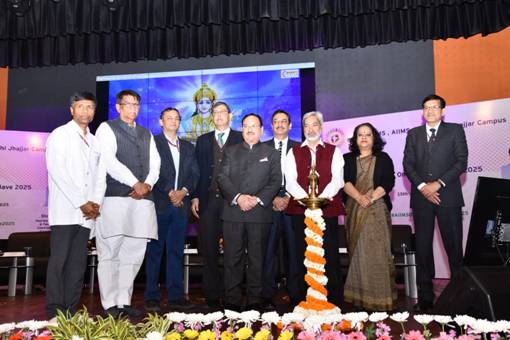
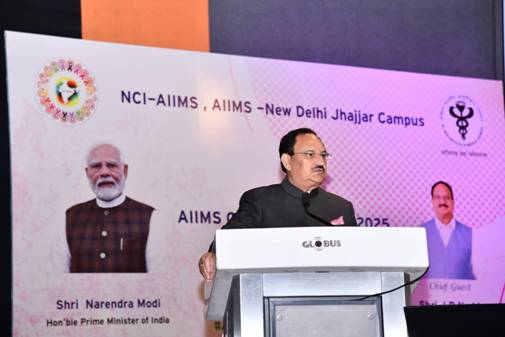
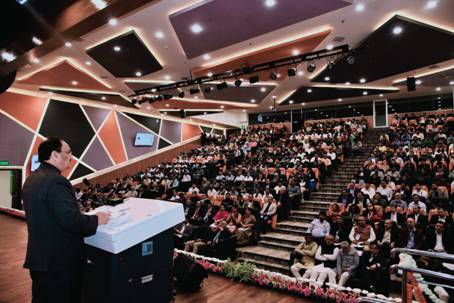
Union Minister of Health & Family Welfare, Shri Jagat Prakash Nadda inaugurated the 2nd AIIMS Oncology Conclave 2025 at the National Cancer Institute (NCI) of AIIMS, Jhajjar campus, today. National Cancer Institute (NCI) of AIIMS, Jhajjar campus is one of the largest public-funded healthcare projects in India, dedicated to providing innovative cancer care and research capabilities. The AIIMS Oncology Conclave aimed to bring together leading experts in oncology across all the Institute of National Importance (INIs) of India, to discuss advancements in cancer care, treatment methodologies, and ongoing research initiatives. With a focus on breast cancers and head and neck cancers, the conclave emphasized collaborative efforts in prevention and management of such cancers.

Addressing the gathering, Shri Nadda showed his elation over the growth and progress of the NCI since its inauguration in 2019, and stated that “the institute has matured into a world-class healthcare provider in a short span of 6 year and over time, it has evolved into a referral centre offering multidisciplinary care and providing better and patient-centric care”. He appreciated the dedication of doctors, health workers and administration of the institute to make the progress happen.

Shri Nadda also went for a special visit to the newly built Nuclear Medicine Targeted Treatment Ward and the Bone Marrow Transplant (BMT) Unit at the NCI aimed at improving patient outcomes through state-of-the-art treatment options specifically for thyroid cancers and hematolymphoid cancers, respectively. Underlining the importance of these developments, Shri Nadda stated that “these new facilities will provide state-of-the-art care to many cancer patients in this region”. He added that “under the dynamic leadership of Prime Minister Shri Narendra Modi, the narrative is changing regarding the Indian healthcare system where Bone marrow Transplant is possible in institutes like NCI.” He admired the high-quality precision and high-quality services of the Nuclear Medicine Targeted Treatment Ward and underlined that “these facilities are the hardware while the faculty members and doctors are the software of the developing robust healthcare system.”

Shri Nadda further stated that “Cancer is a daunting diagnosis that brings fear—not just of the illness, but of the future, of livelihood, of losing loved ones, and the inevitable economic and emotional strain”. He also visited and appreciated the Vishram Sadan at the NCI, developed by the Infosys Foundation, provides essential accommodation for patients’ attendants in a cost-effective way, enhancing support for families during challenging times. It also provides psychological and educational support to the needy, setting a benchmark for others.

Appreciating the innovation at the Institute, Shri Nadda stated that “the Institute is collaborating with startups, engaging Ph. D. students and involving scientists from AIIMS in research that will have real-world applications, not just for the market, but for society as a whole. As an “Incubator,” the Centre for Medical Innovations and Entrepreneurship (CMIE) is responsible to handhold and support indigenous innovations in the healthcare sector, which is tremendous. By enabling Indian start-ups to leverage the mentorship and guidance of AIIMS faculty and scientists, and by giving them access to advanced laboratory equipment and resources at AIIMS at nominal payment, CMIE is fostering a culture of innovation.” He also appreciated the boot camps which fostered the budding start-ups and entrepreneurs to ideate and manufacture healthcare solutions in India, for India.

Highlighting the Government of India’s efforts Shri Nadda stated that “to prevent and control cancer, improve overall cancer care outcomes and ensure that every citizen, regardless of their location, has access to the care they need, the Government has been working on provision of Cancer care at primary health care level in the form of prevention and screening, and at the tertiary and secondary level in the form of diagnostics and treatment and palliative care.”

He underlined that “the Government has introduced screening for individuals aged 30 years and above under NHM at Ayushman Arogya Mandirs and over 26 crore people have been screened for oral cancer, 14 crore for breast cancer, and 9 crore for cervical cancer at Ayushman Aarogya Mandirs.” He Also added that “to enhance the facilities for tertiary level care of cancer, over the last few years over 3000 crore Rupees have been approved for the period 2014-15 to 2025-26 for 19 State Cancer Institutes (SCIs) and 20 Tertiary Cancer Care Centres (TCCCs). Moreover, Cancer treatment facilities have been approved in all 22 new AIIMS with diagnostic, medical and surgical facilities.”

He also emphasized that “to make cancer treatment available to the poor and the vulnerable, under AB PM-JAY, cancer-related treatment is provided for Medical, Surgical, Radiation and Palliative Oncology across 219 packages. Since the inception of AB PM-JAY, approximately 68.43 Lakh hospital admissions amounting to Rs. 13160.75 Crores have been authorized for cancer related packages under the scheme.”

Citing a recent LANCET study, he underlined that “timely cancer treatment initiation has improved significantly because of the Ayushman Bharat Jan Aarogya Yojna. Patients enrolled under AB-PMJAY saw 90% rise in access to cancer treatment within 30 days.” He also highlighted that “through the 217 AMRIT Pharmacies spread across the country, 5200 drugs for various diseases including cancer are made available at an affordable rate.   Altogether, 289 oncology drugs are given at a significant discount of upto 50% of market rates. As a result, so far a total of Rs. 6567 Crore. have been saved for 5.8 crore beneficiaries based on discount offered.”

Shri Nadda further added that “We have plans to establish Day Care Cancer Centres (DCCCs) in all district hospitals over the next three years with 200 this year itself. This initiative aims to bring essential cancer services closer to home, particularly for those in underserved rural areas.”

He added that “It is encouraging to see this institution engaging with other AIIMS and Institutes of National Importance (INIs) across the country to encourage research and innovation. The AIIMS Oncology Conclave 2025 is another step in this direction. This conclave has been designed to bring together leading experts, researchers and clinicians from all AIIMS and INIs to collaborate on the latest advancements in cancer research, treatment strategies, and prevention”.

Shri Nadda emphasized on the significant responsibility being carried by the doctors and other stakeholders in continued learning, sharing, and progressing to ensure healthcare to the patients and stated that “Coming together is a crucial first step towards advancing in critical areas like cancer care. I hope this initiative grows into a powerful collaboration where the National Cancer Institute can support and help other institutions develop side by side.”

He highlighted that “the cancer incidence in India is rising. We are now seeing 1.45 million new cancer patients every year. As the complexity of cancer treatment continues to grow, it’s not just about providing the best treatment—it’s about making that treatment available locally. Patients should not have to travel long distances for the care they need. We need to develop advanced treatment capabilities at the local and regional levels, and it is your responsibility to make this happen.”

He also announced that “the Government of India has approved creation of 720 additional posts for NCI Jhajjar. These posts include: Faculty positions, SRs/JRs, Scientists, Nurses, Technicians and Administrative posts and added that “with creation of these additional posts, NCI will rise to greater heights.”

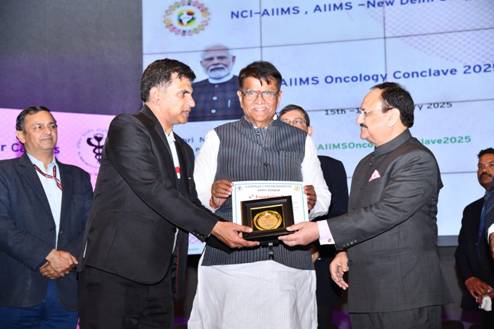
Shri Nadda also felicitated the social activists and organizations who played quintessential roles in ensuring replacement-donation free transfusion services to patients being treated at NCI in the last 5 years. Besides, he launched an education short film as a part of the tobacco cessation campaign of NCI’s preventive oncology unit.

The Conclave with the theme “Discuss Practice and Research Avenues in Breast Cancer” aimed to foster innovation, share knowledge, and build partnerships to accelerate progress in the fight against cancer.This type of initiative, which pools the knowledge and resources of multiple institutions, has the potential to improve cancer research and treatment in India. The model developed by NCI could serve as a template for other AIIMS and INIs, allowing for a more coordinated, nationwide effort to enhance healthcare innovation.

The Conclave featured keynote speeches from renowned oncologists, break-out discussions, designed to address the pressing challenges faced in breast cancers and head and neck cancers.

Dr. M. Srinivas, Director, AIIMS, New Delhi, Dr. Alok Thakar, Head, National Cancer Institute, Jhajjar, Dr. K.K. Verma, Dean (Academics), AIIMS, Dr. Nikhil Tandon, Dean (Research), AIIMS, faculty Members of NCI, medical professionals, researchers, and healthcare policymakers of all AIIMS from across the country, PGI, Chandigarh and JIPMER, Puducherry, scientists, entrepreneurs, innovators were also present at the occasion.

We celebrate the unbroken cultural unity of our nation: Dharmendra Pradhan

| Published on:

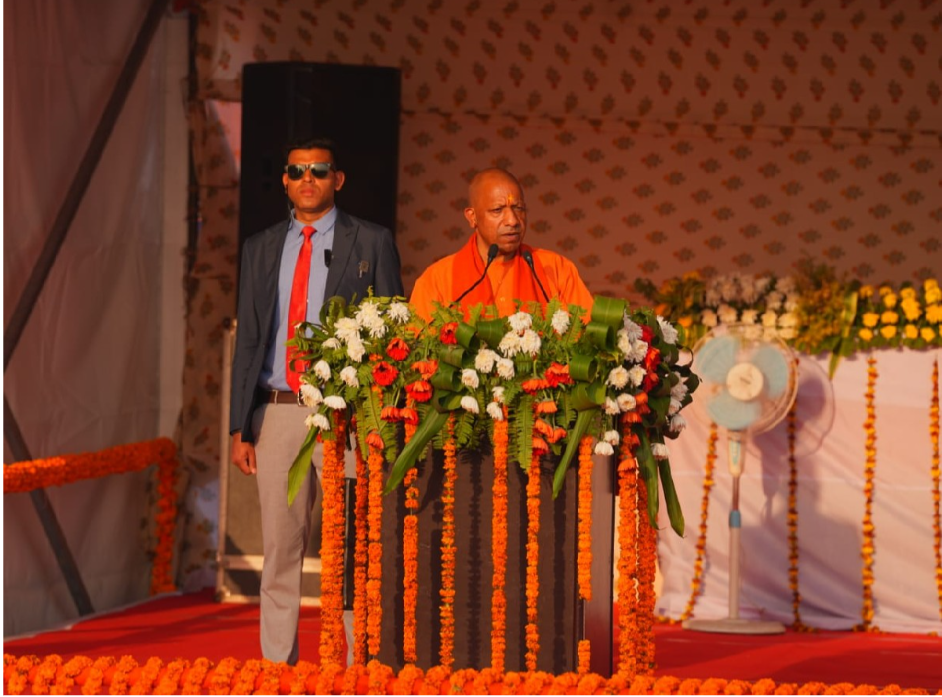
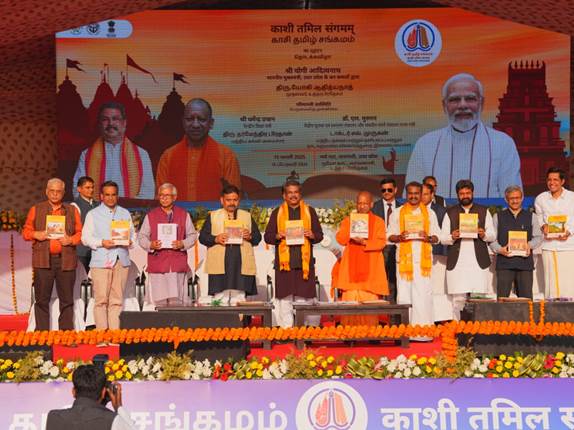
Union Minister for Education, Shri Dharmendra Pradhan; Chief Minister of Uttar Pradesh, Yogi Adityanath; and Union Minister of State for Ministry of Information and Broadcasting and Ministry of Parliamentary Affairs, Dr. L. Murugan inaugurated the third edition of the Kashi Tamil Sangamam in Varanasi, Uttar Pradesh, today.

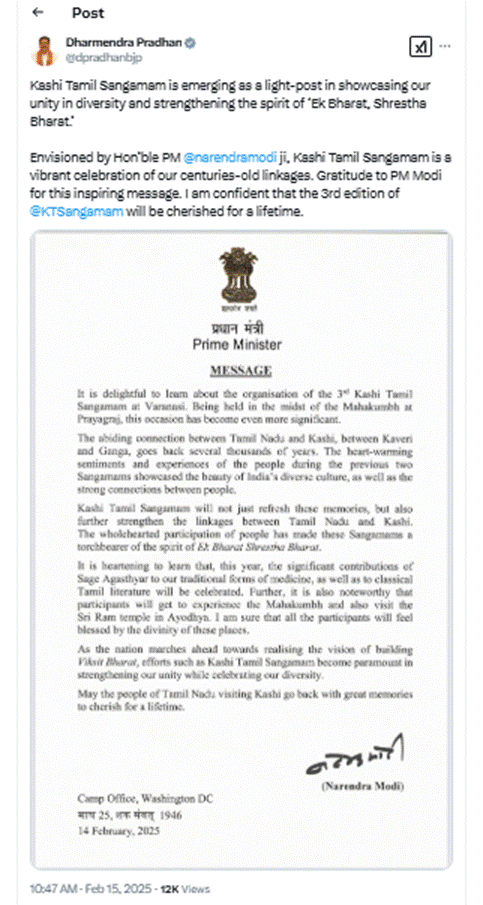
Prime Minister Shri Narendra Modi in a message expressed his delight on organisation of the 3rd Kashi Tamil Sangamam. Being held in the midst of the Mahakumbh at Prayagraj, this occasion has become even more significant, he said. The Prime Minister also highlighted the abiding connection between Tamil Nadu and Kashi, between Kaveri and Ganga, that goes back several thousands of years. He also mentioned how the heart-warming sentiments and experiences of the people during the previous two Sangamams showcased the beauty of India’s diverse culture, as well as the strong connections between people.

Shri Dharmendra Pradhan, in his address, quoted a Tamil verse by Pandya King Parakrama Pandiyan: Neerellam Gangai, Nilamellam Kashi (‘नीरेल्लाम् गंगे, निलमेल्लाम् कासी’), which means all water is as sacred as the Ganga, and every land in Bharat is as revered as Kashi. He highlighted that Kashi, one of the world’s oldest living cities and India’s cultural capital, stands as a beacon of the civilization’s rich heritage, while Tamil Nadu, the epitome of Tamil culture, represents the heart of India’s ancient wisdom and literary glory. He also emphasized how the Tamil people have carried their culture and traditions across the globe, enriching lives wherever they go.

Expressing his gratitude to Prime Minister Shri Narendra Modi for envisioning the Kashi-Tamil Sangamam, he noted that the event serves as a bridge connecting the sublime traditions of North and South India, reinforcing India’s unity in cultural diversity. The event also celebrates the nation’s unbroken cultural continuity, reaffirming the commitment to Ek Bharat Shreshtha Bharat. He further stated that cultural unity is the key to India’s national resurgence, and this Sangamam is a crucial step toward overcoming distances and fostering deeper understanding.

The Minister mentioned that the theme of this edition of KTS was Rishi Agasthyar, a significant link between Kashi and Tamil Nadu, revered in both spiritual and intellectual traditions and revered in both spiritual and intellectual traditions.

In his speech, Yogi Adityanath expressed his gratitude to Prime Minister Shri Narendra Modi for organizing the third edition of KTS in Varanasi and warmly welcomed the delegates attending the event during the Sangamam. He expressed his delight that the Sangamam coincides with the Mahakumbh, which has already seen participation from nearly 51 crore people and noted that Tamil delegates would also be part of this grand gathering. He emphasized that the theme represents India’s rich knowledge and traditions, revolving around the 4S—Sant Parampara, Scientists, Social Reformers, and Students. Yogi Adityanath further highlighted that the theme has been Sage Agastyar and underscored the profound significance of the Sage in strengthening the confluence of North and South as well as Sanskrit and Tamil.


While speaking at the event, Dr. L. Murugan highlighted how the Kashi Tamil Sangamam has been celebrated for the past two years, following Prime Minister Shri Narendra Modi’s vision of Ek Bharat Shreshtha Bharat. He mentioned that just as Tamils wish to visit Kashi, people from Kashi aspire to visit Rameswaram, emphasizing that this cultural connection has existed since ancient times. Dr. Murugan also stated that the relationship between Kashi and Tamil Nadu spans over 5,000 years, with references found in ancient texts such as the Ramayana and Mahabharata, as well as in Sangam literature like Kurunji Thinai, Ettuthogai, and Kalithogai. He expressed his gratitude to the Prime Minister for promoting the greatness of the Tamil language and Thirukkural across the world. Additionally, he informed that efforts are underway to establish Thiruvalluvar cultural centres.

The objective of the Kashi Tamil Sangamam is to rediscover, reaffirm, and celebrate the age-old links between Tamil Nadu and Kashi—two of the country’s most important and ancient seats of learning. The central theme of this edition of KTS is Maharishi Agasthyar. During the event the delegates will also visit Mahakumbh and Shri Ayodhya Dham. The event will offer a divine experience and bring Tamil Nadu and Kashi more closer.

This year, the government has decided to bring around 1000 delegates from Tamil Nadu under five categories/groups: (i) Students, Teachers, and Writers; (ii) Farmers and Artisans (Vishwakarma Categories); (iii) Professionals and Small Entrepreneurs; (iv) Women (SHG, Mudra Loan beneficiaries, DBHPS Pracharaks); and (v) Start-up, Innovation, Edu-Tech, Research. This year, an additional group of around 200 students of Tamil origin studying in various CUs will be a part of this event to enliven the bond between Kashi and Tamil Nadu. Participation of youth in all categories will be encouraged this year. The duration of the tour will be 8 Days (4 for travel, 4 at site). The first batch arrived today and attended the event. The last group will return to Tamil Nadu on 26th February 2025.

An exhibition on the different facets of Sage Agasthyar and his contributions to world of Health, Philosophy, Science, Linguistics, Literature, Polity, Culture, Art, particularly to Tamil and Tamil Nadu, etc. and seminars, workshops, book release, etc. will be organised at Kashi during KTS 3.0.

Kashi Tamil Sangamam is being organized by the Ministry of Education, Govt. of India in collaboration with other ministries including Culture, Textiles, Railways, Tourism, Food Processing, I&B etc. and the Govt. of UP. The programme aims to provide an opportunity for scholars, students, philosophers, traders, artisans, artists and people from other walks of life from the two regions to come together, share their knowledge, culture and best practices and learn from each other’s experience. It also aims to make the youth aware and experience cultural oneness. The endeavour is in sync with NEP 2020’s emphasis on integrating the wealth of Indian Knowledge Systems with modern systems of knowledge. IIT Madras and BHU are the two implementing agencies for the programme.

KTS 2.0 was inaugurated by Prime Minister Shri Narendra Modi at Varanasi on 17th December, 2023, with the first-ever real-time, app-based translation of a part of the Prime Minister’s speech in Tamil for the benefit of visiting Tamil delegates.

Shri Ravindra Jaiswal and Dr. Dayashankar Mishra “Dayalu, Ministers of State (Independent Charge), Govt. of Uttar Pradesh; Dr. Vineet Joshi, Secretary, Department of Higher Education; Shri Chamu Krishna Shastry, Chairman, Bhartiya Bhasha Samiti; Prof. Sanjay Kumar, Acting Vice Chancellor, Benaras Hindu University; Prof. V. Kamakoti; IIT Madras; Director Indian Institute of Technology (BHU), Prof. Amit Patra, and other dignitaries and officials were also present at the event today.

Prime Minister’s remarks during SAMVAD programme

| Published on:

The Prime Minister Shri Narendra Modi delivered his remarks, during the SAMVAD programme organised in Thailand, via video message today. Addressing the gathering, he expressed his honor of joining the edition of SAMVAD in Thailand, commending the distinguished institutions and individuals from India, Japan, and Thailand for making the event possible. He extended his greetings to all participants.

The Prime Minister took the opportunity to remember his friend, Mr. Shinzo Abe, highlighting that the idea of SAMVAD emerged from their conversations in 2015. Since then, SAMVAD has travelled across various countries, fostering debate, dialogue, and deeper understanding.

Highlighting his delight that this edition of SAMVAD is taking place in Thailand, a country with rich culture, history, and heritage, Shri Modi emphasized that Thailand stands as a beautiful example of the shared philosophical and spiritual traditions of Asia.

Underlining the deep cultural ties shared by India and Thailand, spanning over two thousand years, the Prime Minister remarked that the Ramayana and Ramakien connect the two nations and that their shared reverence for Bhagwan Buddha unites them. He noted that when India sent holy relics of Bhagwan Buddha to Thailand last year, millions of devotees paid their respects. Shri Modi emphasized the vibrant partnership across multiple sectors between India and Thailand, mentioning that India’s ‘Act East’ policy and Thailand’s ‘Act West’ policy complement each other, promoting mutual progress and prosperity. He remarked that this conference marks another successful chapter in the friendship between the two nations.

Highlighting the theme of SAMVAD, which speaks of the Asian Century, Shri Modi noted that while people often refer to Asia’s economic rise, this conference highlights that the Asian Century is not just about economic value but also about social values. He emphasized that the teachings of Bhagwan Buddha can guide the world in creating a peaceful and progressive era, and his wisdom holds the power to lead towards a human-centric future.

Talking about one of the core themes of SAMVAD—conflict avoidance, the Prime Minister remarked that conflicts often arise from the belief that only one path is correct while others are wrong. He cited Bhagwan Buddha’s insight on this issue, noting that some people cling to their own views and argue, seeing only one side as true. He emphasized that multiple perspectives can exist on the same issue. He referenced the Rig Veda, stating that when we acknowledge that truth may be seen through different lenses, we can avoid conflict.

Shri Modi highlighted another cause of conflict—perceiving others as fundamentally different from ourselves. He remarked that differences lead to distance, and distance can turn into discord. To counter this, he cited a verse from the Dhammapada, which states that everyone fears pain and death. He emphasized that by recognizing others as similar to ourselves, we can ensure that no harm or violence occurs. He added that if these words are followed, conflict can be avoided.

“Many of the world’s issues stem from taking extreme positions rather than a balanced approach”, said Shri Modi. He highlighted that extreme views lead to conflicts, environmental crises, and even stress-related health problems. He emphasized that the solution to these challenges lies in the teachings of Bhagwan Buddha, who urged us to follow the Middle Path and avoid extremes. The principle of moderation, he noted, remains relevant today and offers guidance in addressing global challenges.

The Prime Minister observed that conflicts today extend beyond people and nations, with humanity increasingly in conflict with nature. He remarked that this has led to an environmental crisis that threatens our planet. He emphasized that the answer to this challenge lies in the shared traditions of Asia, rooted in the principles of Dhamma. He mentioned that Hinduism, Buddhism, Shintoism, and other Asian traditions teach us to live in harmony with nature. He stated that we do not see ourselves as separate from nature but as a part of it. Shri Modi highlighted the concept of trusteeship, as advocated by Mahatma Gandhi, and emphasized that when using natural resources for progress today, we must also consider our responsibility to future generations. He remarked that this approach ensures that resources are used for growth, not greed.

Shri Modi remarked that he hails from Vadnagar, a small town in western India that was once a great seat of Buddhist learning. In the Indian Parliament, he represents Varanasi, which includes Sarnath, the sacred place where Bhagwan Buddha delivered his first discourse. He noted that it is a beautiful coincidence that places associated with Bhagwan Buddha have shaped his journey.

“Our reverence for Bhagwan Buddha is reflected in the policies of the Indian Government”, said the Prime Minister. He mentioned that they have developed tourism infrastructure to connect important Buddhist sites as part of the Buddhist Circuit. He remarked that the ‘Buddha Purnima Express’ special train has been launched to facilitate travel within this circuit. He emphasized that the inauguration of the Kushinagar International Airport is a historic step that benefits international Buddhist pilgrims. He also announced various development initiatives for Bodh Gaya to enhance its infrastructure and warmly invited pilgrims, scholars, and monks from around the world to visit India, the land of Bhagwan Buddha.

Remarking that Nalanda Mahavihara was one of the greatest universities in history, destroyed centuries ago by the forces of conflict, the Prime Minister emphasized that India has shown resilience by reviving it as a center of learning and expressed confidence that Nalanda University will regain its former glory with the blessings of Bhagwan Buddha. He highlighted the significant step taken to promote Pali, the language in which Bhagwan Buddha delivered his teachings, by declaring it a classical language to ensure the preservation of its literature. He also mentioned the launch of the Gyan Bharatam mission to identify and catalog ancient manuscripts, encouraging documentation and digitalization for the benefit of scholars of Buddhism.

Shri Modi highlighted the collaboration with many nations over the past decade to promote the teachings of Bhagwan Buddha. He noted that the First Asian Buddhist Summit was recently held in India under the theme ‘The Role of Buddha Dhamma in Strengthening Asia,’ and earlier, India hosted the First Global Buddhist Summit. He mentioned having the honor of laying the foundation stone for the India International Center for Buddhist Culture & Heritage at Lumbini, Nepal, and India’s contribution to the construction of the Lumbini Museum. Additionally, he pointed out the reprinting and distribution of the ‘Concise Orders’ of Lord Buddha, Mongolian Kanjur of 108 volumes, to monasteries in Mongolia. He remarked that India’s efforts in the conservation of monuments in many countries reinforce the commitment to Bhagwan Buddha’s legacy.

Prime Minister remarked that it is encouraging that this edition of SAMVAD is hosting a religious roundtable, bringing together diverse religious leaders. He expressed confidence that valuable insights will emerge from this platform, shaping a more harmonious world. Shri Modi extended his gratitude to the people and Government of Thailand for hosting the conference. He offered his best wishes to all participants who have gathered to advance this noble mission. He concluded by expressing hope that the light of Dhamma will continue to guide us toward an era of peace, progress, and prosperity.

India – U.S. Joint Statement during the visit of Prime Minister of India to US

| Published on:

The President of the United States of America, The Honorable Donald J. Trump hosted the Prime Minister of India, Shri Narendra Modi for an Official Working Visit in Washington, DC on February 13, 2025.

As the leaders of sovereign and vibrant democracies that value freedom, the rule of law, human rights, and pluralism, President Trump and Prime Minister Modi reaffirmed the strength of the India-U.S. Comprehensive Global Strategic Partnership, anchored in mutual trust, shared interests, goodwill and robust engagement of their citizens.

Today, President Trump and Prime Minister Modi launched a new initiative – the “U.S.-India COMPACT (Catalyzing Opportunities for Military Partnership, Accelerated Commerce & Technology) for the 21st Century” – to drive transformative change across key pillars of cooperation. Under this initiative, they committed to a results-driven agenda with initial outcomes this year to demonstrate the level of trust for a mutually beneficial partnership.

Defense

Highlighting the deepening convergence of U.S.-India strategic interests, the leaders reaffirmed their unwavering commitment to a dynamic defense partnership spanning multiple domains. To advance defense ties further, the leaders announced plans to sign this year a new ten-year Framework for the U.S.-India Major Defense Partnership in the 21st Century.

The leaders welcomed the significant integration of U.S.-origin defense items into India’s inventory to date, including C‑130J Super Hercules, C‑17 Globemaster III, P‑8I Poseidon aircraft; CH‑47F Chinooks, MH‑60R Seahawks, and AH‑64E Apaches; Harpoon anti-ship missiles; M777 howitzers; and MQ‑9Bs. The leaders determined that the U.S. would expand defense sales and co-production with India to strengthen interoperability and defense industrial cooperation. They announced plans to pursue this year new procurements and co-production arrangements for “Javelin” Anti-Tank Guided Missiles and “Stryker” Infantry Combat Vehicles in India to rapidly meet India’s defense requirements. They also expect completion of procurement for six additional P-8I Maritime Patrol aircraft to enhance India’s maritime surveillance reach in the Indian Ocean Region following agreement on sale terms.

Recognizing that India is a Major Defense Partner with Strategic Trade Authorization-1 (STA‑1) authorization and a key Quad partner, the U.S. and India will review their respective arms transfer regulations, including International Traffic in Arms Regulations (ITAR), in order to streamline defense trade, technology exchange and maintenance, spare supplies and in-country repair and overhaul of U.S.-provided defense systems. The leaders also called for opening negotiations this year for a Reciprocal Defense Procurement (RDP) agreement to better align their procurement systems and enable the reciprocal supply of defense goods and services. The leaders pledged to accelerate defense technology cooperation across space, air defense, missile, maritime and undersea technologies, with the U.S. announcing a review of its policy on releasing fifth generation fighters and undersea systems to India.

Building on the U.S.-India Roadmap for Defense Industrial Cooperation and recognizing the rising importance of autonomous systems, the leaders announced a new initiative – the Autonomous Systems Industry Alliance (ASIA) – to scale industry partnerships and production in the Indo-Pacific. The leaders welcomed a new partnership between Anduril Industries and Mahindra Group on advanced autonomous technologies to co-develop and co-produce state-of-the-art maritime systems and advanced AI-enabled counter Unmanned Aerial System (UAS) to strengthen regional security, and between L3 Harris and Bharat Electronics for co-development of active towed array systems.

The leaders also pledged to elevate military cooperation across all domains – air, land, sea, space, and cyberspace – through enhanced training, exercises, and operations, incorporating the latest technologies. The leaders welcomed the forthcoming “Tiger Triumph” tri-service exercise (first inaugurated in 2019) with larger scale and complexity to be hosted in India.

Finally, the leaders committed to break new ground to support and sustain the overseas deployments of the U.S. and Indian militaries in the Indo-Pacific, including enhanced logistics and intelligence sharing, as well as arrangements to improve force mobility for joint humanitarian and disaster relief operations along with other exchanges and security cooperation engagements.

Trade and Investment

The leaders resolved to expand trade and investment to make their citizens more prosperous, nations stronger, economies more innovative and supply chains more resilient. They resolved to deepen the U.S.-India trade relationship to promote growth that ensures fairness, national security and job creation. To this end, the leaders set a bold new goal for bilateral trade – “Mission 500” – aiming to more than double total bilateral trade to $500 billion by 2030.

Recognizing that this level of ambition would require new, fair-trade terms, the leaders announced plans to negotiate the first tranche of a mutually beneficial, multi-sector Bilateral Trade Agreement (BTA) by fall of 2025. The leaders committed to designate senior representatives to advance these negotiations and to ensure that the trade relationship fully reflects the aspirations of the COMPACT. To advance this innovative, wide-ranging BTA, the U.S. and India will take an integrated approach to strengthen and deepen bilateral trade across the goods and services sector, and will work towards increasing market access, reducing tariff and non-tariff barriers, and deepening supply chain integration.

The leaders welcomed early steps to demonstrate mutual commitment to address bilateral trade barriers. The United States welcomed India’s recent measures to lower tariffs on U.S. products of interest in the areas of bourbon, motorcycles, ICT products and metals, as well as measures to enhance market access for U.S. agricultural products, like alfalfa hay and duck meat, and medical devices. India also expressed appreciation for U.S. measures taken to enhance exports of Indian mangoes and pomegranates to the United States. Both sides also pledged to collaborate to enhance bilateral trade by increasing U.S. exports of industrial goods to India and Indian exports of labor-intensive manufactured products to the United States. The two sides will also work together to increase trade in agricultural goods.

Finally, the leaders committed to drive opportunities for U.S. and Indian companies to make greenfield investments in high-value industries in each other’s countries. In this regard, the leaders welcomed ongoing investments by Indian companies worth approximately $7.35 billion, such as those by Hindalco’s Novelis in finished aluminum goods at their state-of-the art facilities in Alabama and Kentucky; JSW in steel manufacturing operations at Texas and Ohio; Epsilon Advanced Materials in the manufacture of critical battery materials in North Carolina; and Jubilant Pharma in the manufacture of injectables in Washington. These investments support over 3,000 high-quality jobs for local families.

Energy Security

The leaders agreed that energy security is fundamental to economic growth, social well-being and technical innovation in both countries. They underscored the importance of U.S.-India collaboration to ensure energy affordability, reliability, and availability and stable energy markets. Realizing the consequential role of the U.S. and India, as leading producers and consumers, in driving the global energy landscape, the leaders re-committed to the U.S.-India Energy Security Partnership, including in oil, gas, and civil nuclear energy.

The leaders underscored the importance of enhancing the production of hydrocarbons to ensure better global energy prices and secure affordable and reliable energy access for their citizens. The leaders also underscored the value of strategic petroleum reserves to preserve economic stability during crises and resolved to work with key partners to expand strategic oil reserve arrangements. In this context, the U.S. side affirmed its firm support for India to join the International Energy Agency as a full member.

The leaders reaffirmed their commitment to increase energy trade, as part of efforts to ensure energy security, and to establish the United States as a leading supplier of crude oil and petroleum products and liquified natural gas to India, in line with the growing needs and priorities of our dynamic economies. They underscored the tremendous scope and opportunity to increase trade in the hydrocarbon sector including natural gas, ethane and petroleum products as part of efforts to ensure supply diversification and energy security. The leaders committed to enhance investments, particularly in oil and gas infrastructure, and facilitate greater cooperation between the energy companies of the two countries.

The leaders announced their commitment to fully realize the U.S.-India 123 Civil Nuclear Agreement by moving forward with plans to work together to build U.S.-designed nuclear reactors in India through large scale localization and possible technology transfer. Both sides welcomed the recent Budget announcement by Government of India to take up amendments to the Atomic Energy Act and the Civil Liability for Nuclear Damage Act (CLNDA) for nuclear reactors, and further decided to establish bilateral arrangements in accordance with CLNDA, that would address the issue of civil liability and facilitate the collaboration of Indian and U.S. industry in the production and deployment of nuclear reactors. This path forward will unlock plans to build large U.S.-designed reactors and enable collaboration to develop, deploy and scale up nuclear power generation with advanced small modular reactors.

Technology and Innovation

The leaders announced the launch of the U.S.-India TRUST (“Transforming the Relationship Utilizing Strategic Technology”) initiative, which will catalyze government-to-government, academia and private sector collaboration to promote application of critical and emerging technologies in areas like defense, artificial intelligence, semiconductors, quantum, biotechnology, energy and space, while encouraging the use of verified technology vendors and ensuring sensitive technologies are protected.

As a central pillar of the “TRUST” initiative, the leaders committed to work with U.S. and Indian private industry to put forward a U.S.-India Roadmap on Accelerating AI Infrastructure by the end of the year, identifying constraints to financing, building, powering, and connecting large-scale U.S.-origin AI infrastructure in India with milestones and future actions. The U.S. and India will work together to enable industry partnerships and investments in next generation data centers, cooperation on development and access to compute and processors for AI, for innovations in AI models and building AI applications for solving societal challenges while addressing the protections and controls necessary to protect these technologies and reduce regulatory barriers.

The leaders announced the launch of INDUS Innovation, a new innovation bridge modeled after the successful INDUS-X platform, that will advance U.S.-India industry and academic partnerships and foster investments in space, energy, and other emerging technologies to maintain U.S. and India leadership in innovation and to meet the needs of the 21st century. The leaders also reinforced their commitment to the INDUS-X initiative, which facilities partnerships between U.S. and Indian defense companies, investors and universities to produce critical capability for our militaries, and welcomed the next summit in 2025.

The leaders also committed, as part of the TRUST initiative, to build trusted and resilient supply chains, including for semiconductors, critical minerals, advanced materials and pharmaceuticals. As part of this effort, the leaders plan to encourage public and private investments to expand Indian manufacturing capacity, including in the U.S., for active pharmaceutical ingredients for critical medicines. These investments will create good jobs, diversify vital supply chains, and reduce the risk of life-saving drug shortages in both the United States and India.

Recognizing the strategic importance of critical minerals for emerging technologies and advanced manufacturing, India and the United States will accelerate collaboration in research and development and promote investment across the entire critical mineral value chain, as well as through the Mineral Security Partnership, of which both the United States and India are members. Both countries have committed to intensifying efforts to deepen cooperation in the exploration, beneficiation, and processing as well as recycling technologies of critical minerals. To this end, the leaders announced the launch of the Strategic Mineral Recovery initiative, a new U.S.-India program to recover and process critical minerals (including lithium, cobalt, and rare earths) from heavy industries like aluminum, coal mining and oil and gas.

The leaders hailed 2025 as a pioneering year for U.S.-India civil space cooperation, with plans for a NASA-ISRO effort through AXIOM to bring the first Indian astronaut to the International Space Station (ISS), and early launch of the joint “NISAR” mission, the first of its kind to systematically map changes to the Earth’s surface using dual radars. The leaders called for more collaboration in space exploration, including on long duration human spaceflight missions, spaceflight safety and sharing of expertise and professional exchanges in emerging areas, including planetary protection. The leaders committed to further commercial space collaboration through industry engagements in conventional and emerging areas, such as connectivity, advanced spaceflight, satellite and space launch systems, space sustainability, space tourism and advanced space manufacturing.

The leaders underscored the value of deepening ties between the U.S. and Indian scientific research communities, announcing a new partnership between the U.S. National Science Foundation and the Indian Anusandhan National Research Foundation in researching critical and emerging technologies. This partnership builds on ongoing collaboration between the U.S. National Science Foundation and several Indian science agencies to enable joint research in the areas of semiconductors, connected vehicles, machine learning, next-generation telecommunications, intelligent transportation systems, and future biomanufacturing.

The leaders determined that their governments redouble efforts to address export controls, enhance high technology commerce, and reduce barriers to technology transfer between our two countries, while addressing technology security. The leaders also resolved to work together to counter the common challenge of unfair practices in export controls by third parties seeking to exploit overconcentration of critical supply chains.

Multilateral Cooperation

The leaders reaffirmed that a close partnership between the U.S. and India is central to a free, open, peaceful and prosperous Indo-Pacific region. As Quad partners, the leaders reiterated that this partnership is underpinned by the recognition of ASEAN centrality; adherence to international law and good governance; support for safety and freedom of navigation, overflight and other lawful uses of the seas; and unimpeded lawful commerce; and advocacy for peaceful resolution of maritime disputes in accordance with international law.

Prime Minister Modi looks forward to hosting President Trump in New Delhi for the Quad leaders’ Summit, ahead of which the leaders will activate new Quad initiatives on shared airlift capacity to support civilian response to natural disasters and maritime patrols to improve interoperability.

The leaders resolved to increase cooperation, enhance diplomatic consultations, and increase tangible collaboration with partners in the Middle East. They highlighted the importance of investing in critical infrastructure and economic corridors to advancing peace and security in the region. The leaders plan to convene partners from the India-Middle East-Europe Corridor and the I2U2 Group within the next six months in order to announce new initiatives in 2025.

The US appreciates India’s role as a developmental, humanitarian assistance and net security provider in the Indian Ocean Region. In this context, the leaders committed to deepen bilateral dialogue and cooperation across the vast Indian Ocean region and launched the Indian Ocean Strategic Venture, a new bilateral, whole-of-government forum to advance coordinated investments in economic connectivity and commerce. Supporting greater Indian Ocean connectivity, the leaders also welcomed Meta’s announcement of a multi-billion, multi-year investment in an undersea cable project that will begin work this year and ultimately stretch over 50,000 km to connect five continents and strengthen global digital highways in the Indian Ocean region and beyond. India intends to invest in maintenance, repair and financing of undersea cables in the Indian Ocean, using trusted vendors.

The leaders recognized the need to build new plurilateral anchor partnerships in the Western Indian Ocean, Middle East, and Indo-Pacific to grow relationships, commerce and cooperation across defense, technology, energy and critical minerals. The leaders expect to announce new partnership initiatives across these sub-regions by fall of 2025.

The leaders also resolved to advance military cooperation in multinational settings to advance global peace and security. The leaders applauded India’s decision to take on a future leadership role in the Combined Maritime Forces naval task force to help secure sea lanes in the Arabian Sea.

The leaders reaffirmed that the global scourge of terrorism must be fought and terrorist safe havens eliminated from every corner of the world. They committed to strengthen cooperation against terrorist threats from groups, including Al-Qa’ida, ISIS, Jaish-e Mohammad, and Lashkar-e-Tayyiba in order to prevent heinous acts like the attacks in Mumbai on 26/11 and the Abbey Gate bombing in Afghanistan on August 26, 2021. Recognizing a shared desire to bring to justice those who would harm our citizens, the U.S. announced that the extradition to India of Tahawwur Rana has been approved. The leaders further called on Pakistan to expeditiously bring to justice the perpetrators of the 26/11 Mumbai, and Pathankot attacks and ensure that its territory is not used to carry out cross-border terrorist attacks. The leaders also pledged to work together to prevent proliferation of weapons of mass destruction and their delivery systems and to deny access to such weapons by terrorists and non-state actors.

People to People Cooperation

President Trump and Prime Minister Modi noted the importance of advancing the people-to-people ties between the two countries. In this context, they noted that the more than 300,000 strong Indian student community contributes over $8 billion annually to the U.S. economy and helped create a number of direct and indirect jobs. They recognized that the talent flow and movement of students, researchers and employees, has mutually benefitted both countries. Recognizing the importance of international academic collaborations in fostering innovation, improving learning outcomes and development of a future-ready workforce, both leaders resolved to strengthen collaborations between the higher education institutions through efforts such as joint/dual degree and twinning programs, establishing joint Centers of Excellence, and setting up of offshore campuses of premier educational institutions of the U.S. in India.

Both leaders emphasized that the evolution of the world into a global workplace calls for putting in place innovative, mutually advantageous and secure mobility frameworks. In this regard, the leaders committed to streamlining avenues for legal mobility of students and professionals, and facilitating short-term tourist and business travel, while also aggressively addressing illegal immigration and human trafficking by taking strong action against bad actors, criminal facilitators, and illegal immigration networks to promote mutual security for both countries.

The leaders also committed to strengthen law enforcement cooperation to take decisive action against illegal immigration networks, organized crime syndicates, including narco-terrorists human and arms traffickers, as well as other elements who threaten public and diplomatic safety and security, and the sovereignty and territorial integrity of both nations.

President Trump and Prime Minister Modi pledged to sustain high-level engagement between our governments, industries, and academic institutions and realize their ambitious vision for an enduring India-U.S. partnership that advances the aspirations of our people for a bright and prosperous future, serves the global good, and contributes to a free and open Indo-Pacific.