PM inaugurates, lays foundation stone, flags off various development projects worth more than ₹830 crore in Singur, West Bengal

| Published on:

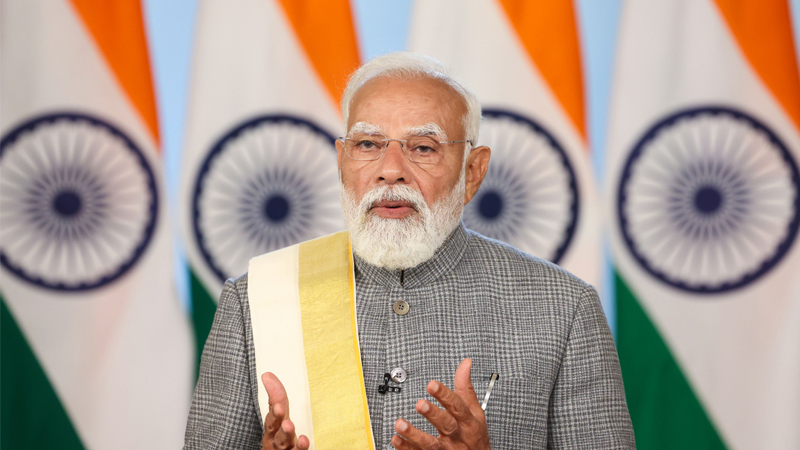
Prime Minister Shri Narendra Modi inaugurated, laid the foundation stone of and flagged off various development projects worth more than ₹830 crore at Singur in Hooghly district, West Bengal today. Addressing the gathering on the occasion, Shri Modi remarked that yesterday he was in Malda and today he had the privilege of being among the people in Hooghly. He highlighted that for a developed India, the development of Eastern India is essential, and with this goal the Union Government is continuously working. He stated that the programmes of yesterday and today strengthen this resolve. The Prime Minister noted that during this period he had the opportunity to lay the foundation stone and inaugurate projects worth hundreds of crores related to the development of West Bengal.

Shri Modi highlighted that yesterday the country’s first Vande Bharat Sleeper Train was launched from West Bengal. He added that Bengal has also received nearly half a dozen new Amrit Bharat Express trains. He remarked that today three more Amrit Bharat Express trains have been launched. He pointed out that one of these trains will further strengthen the connectivity between his parliamentary constituency Varanasi and Bengal. He further stated that Amrit Bharat Express trains have also been launched for Delhi and Tamil Nadu. The Prime Minister underlined that the past 24 hours have been unprecedented for West Bengal’s rail connectivity.

Prime Minister Modi observed that Bengal has immense potential for waterways and the Union Government is working on this as well. He noted that assistance is being provided to build the necessary infrastructure for port-led development. He stated that a short while ago, projects related to ports and river waterways were also inaugurated and foundation stones laid. He emphasized that these are very important for the development of West Bengal and India. He remarked that these are the pillars on which West Bengal can be developed into a major hub of manufacturing, trade, and logistics. The Prime Minister congratulated everyone for these projects.

Shri Modi highlighted that the more emphasis is laid on ports and the associated ecosystem, the more employment will be generated here. He stated that over the past 11 years, the Union Government has made major investments in the capacity expansion of Shyama Prasad Mukherjee Port. He added that under the Sagarmala scheme, roads have also been constructed to improve the connectivity of this port. He remarked that the results of these efforts are now becoming visible. The Prime Minister noted that last year Kolkata Port created new records in cargo handling.

Prime Minister Modi remarked that the extended port gate system being developed in Balagarh will open new opportunities for Hooghly and surrounding areas. He highlighted that this will ease traffic and logistics pressure in Kolkata city. He stated that cargo movement will further increase through the waterway built on the Ganga. The Prime Minister emphasized that this entire infrastructure will help transform Hooghly into a warehousing and trading hub, bringing hundreds of crores of new investment, generating thousands of jobs, benefiting small traders and transporters, and providing new markets for farmers and producers.

Shri Modi underlined that India today is laying strong emphasis on multi‑modal connectivity and green mobility. He noted that to enable seamless transportation, ports, river waterways, highways, and airports are being interconnected. He remarked that this is reducing both logistics costs and transportation time. The Prime Minister added that efforts are also being made to ensure that modes of transport are nature‑friendly. He pointed out that hybrid electric boats will strengthen river transport and green mobility, making travel on the Hooghly easier, reducing pollution, and boosting river‑based tourism.

The Prime Minister observed that India is rapidly advancing in fisheries and seafood production and exports. He expressed his dream that West Bengal should lead the country in this sector. He highlighted that the Union Government is prominently supporting Bengal in its vision for river waterways, and farmers as well as fishermen are already benefiting from this. Shri Modi remarked that all these projects being initiated by the Union Government will accelerate West Bengal’s development journey. He extended his best wishes to everyone for these projects.

Governor of West Bengal, Shri C V Ananda Bose, Union Ministers, Shri Sarbananda Sonowal, Shri Shantanu Thakur, Shri Sukanta Majumdar were present among other dignitaries at the event.

Background

Prime Minister inaugurated, laid the foundation stone of and flagged off various development projects worth more than ₹830 crore at Singur, Hooghly.

Prime Minister laid the foundation stone of the Extended Port Gate System at Balagarh, including an Inland Water Transport (IWT) terminal and a Road Over Bridge

Spanning an area of approximately 900 acres, Balagarh is being developed as a modern cargo handling terminal with an envisaged capacity of about 2.7 million tonnes per annum (MTPA). The project includes the construction of two dedicated cargo handling jetties, one for containerised cargo and one for dry bulk cargo.

The Balagarh project aims to significantly improve cargo evacuation efficiency by diverting heavy cargo movement away from congested urban corridors. This will enhance road safety, reduce vehicular congestion and pollution in Kolkata city, and contribute to an improved quality of life for residents. Improved multimodal connectivity and logistics efficiency will also provide cost-effective market access to regional industries, MSMEs, and agricultural producers. The project is expected to generate substantial direct and indirect employment, benefiting local communities through job creation in logistics, terminal operations, transport services, maintenance, and allied activities.

Prime Minister also launched a state-of-the-art Electric Catamaran in Kolkata. This is one of the 6 Electric Catamarans indigenously built for inland water transport by Cochin Shipyard Ltd.  The 50-passenger hybrid electric aluminium catamaran, equipped with advanced electric propulsion systems and lithium-titanate battery technology, is capable of operating in fully electric zero-emission mode as well as in hybrid mode for extended endurance. The vessel will support urban river mobility, eco-tourism and last-mile passenger connectivity along the Hooghly River.

Prime Minister also inaugurated the Jayrambati–Barogopinathpur–Maynapur new rail line. This line is an important part of the Tarkeshwar–Bishnupur new rail line project. Along with the new rail line, a new train service between Maynapur and Jayrambati, with a halt at Barogopinathpur, will also be flagged off. It will provide direct rail connectivity to the residents of Bankura district, making travel more affordable and convenient for daily commuters, students and pilgrims.

Prime Minister flagged off three Amrit Bharat Express trains : Kolkata (Howrah) – Anand Vihar Terminal Amrit Bharat Express; Kolkata (Sealdah) – Banaras Amrit Bharat Express; Kolkata (Santragachi) – Tambaram Amrit Bharat Express.

PM performs Bhoomi Pujan of the Kaziranga Elevated Corridor Project, worth over ₹6,950 Crore in Kaliabor, Assam

| Published on:

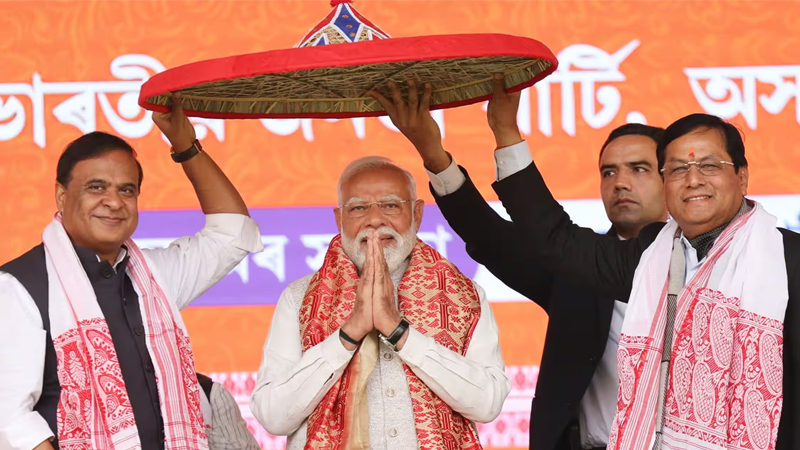
Prime Minister Shri Narendra Modi performed Bhoomi Pujan of the Kaziranga Elevated Corridor Project (4-Laning of Kaliabor-Numaligarh section of NH-715), worth over ₹6,950 Crore in Kaliabor, Assam today. Addressing the gathering on the occasion, Shri Modi expressed gratitude to the people, noting that such a large number had come to bless him and said he was deeply thankful. He remarked that on visiting Kaziranga again, memories of his previous trip came alive, recalling that two years ago, the moments spent in Kaziranga were among the most special experiences of his life. PM Modi highlighted that he had the opportunity to spend the night at Kaziranga National Park and the next morning, during an elephant safari, he experienced the beauty of the region up close.

Emphasising that visiting Assam always brings him immense joy, Shri Modi described it as the land of the brave and of sons and daughters who showcase their talent in every field. He pointed out that just yesterday he attended the Bagurumba Dwhou festival in Guwahati, where daughters of the Bodo community set a new record with their performance. PM Modi highlighted the extraordinary presentation of Bagurumba, with the energy of more than 10,000 artists, the rhythm of kham and the melody of sifung, which mesmerized everyone. He remarked that the experience of Bagurumba touched the eyes and reached the heart. The Prime Minister praised the artists of Assam for their remarkable effort, preparation, and coordination, calling it truly wonderful. He extended his congratulations once again to all the artists who participated in the Bagurumba Dwhou festival. He thanked all the social media influencers and TV media for promoting the event to reach out to the nation and world.

Recalling that last year he had attended the Jhumoir Mahotsav and this time he had the opportunity to visit Assam during Magh Bihu, Shri Modi highlighted that just a month ago he came for development projects, inaugurating the new terminal building of the expanded Lokpriya Gopinath Bardoloi International Airport in Guwahati and laying the foundation stone of the Ammonia Urea Complex in Namrup. He remarked that such occasions have further strengthened their government’s mantra of “Vikas bhi, Virasat bhi.”

The Prime Minister underlined the historical importance of Kaliabor in Assam’s past, present and future, noting that it is the gateway to Kaziranga National Park and a hub of connectivity for Upper Assam. He recalled that it was from Kaliabor that the great warrior Lachit Borphukan strategized to drive out Mughal invaders, and under his leadership the people of Assam, with courage, unity and determination, defeated the Mughal army. Shri Modi emphasized that this was not merely a military victory but a declaration of Assam’s pride and self-confidence. He pointed out that since the Ahom rule, Kaliabor has held strategic importance, and expressed happiness that under their government the region is now becoming a vital center of connectivity and development.

PM Modi stated that today their party has become the first choice of people across the country, with trust in the party growing steadily over the past one and a half years. He highlighted that in the recent Bihar elections, even after 20 years, the people gave them record votes and seats. He added that just two days ago, results of mayoral and councillor elections in major cities of Maharashtra showed Mumbai, one of the largest municipal corporations in the world, giving their party a record mandate for the first time. He noted that people in most cities of Maharashtra have given them the opportunity to serve.

The Prime Minister further remarked that earlier, the people of Kerala gave their party a significant support, with the party winning a mayoral post for the first time in the state capital, Thiruvananthapuram. He underlined that recent election results across the country clearly show that voters want good governance and development, with focus on both progress and heritage, and therefore they are choosing them.

Shri Modi asserted that these elections also send another message—that the country is consistently rejecting the negative politics of the opposition party. He pointed out that in Mumbai, the city where the opposition party was born, it has now been reduced to the fourth or fifth position and In Maharashtra, where they ruled for decades, it has completely shrunk. PM Modi said the opposition has lost the trust of the nation because it has no agenda for development, and such a party can never serve the interests of Assam or Kaziranga.

Prime Minister recalled the words of Bharat Ratna Dr. Bhupen Hazarika, who described Kaziranga’s beauty with deep affection, noting that his lines reflected both love for Kaziranga and the Assamese people’s bond with nature. He emphasized that Kaziranga is not just a National Park but the soul of Assam and a priceless jewel of India’s biodiversity, recognized by UNESCO as a World Heritage Site. He underlined that protecting Kaziranga and its wildlife is not only about safeguarding the environment but also a responsibility towards Assam’s future and coming generations. Shri Modi announced the launch of new projects from Assam’s soil, congratulating the people for initiatives that will have a wide impact.

Highlighting that Kaziranga is home to the one-horned rhinoceros, the Prime Minister explained the challenges faced during floods when wildlife seeks higher ground and must cross the National Highway, often getting trapped. He stated that the government’s effort is to ensure smooth traffic while keeping the forest safe. He informed that under this vision, a 90-kilometre corridor from Kaliabor to Numaligarh is being developed at a cost of about ₹7,000 crore, including a 35-kilometre elevated wildlife corridor. Vehicles will pass above while wildlife movement below will remain unhindered, with the design prepared keeping in mind traditional movement routes of rhinos, elephants and tigers. Shri Modi remarked that the corridor will also improve connectivity between Upper Assam and Arunachal Pradesh, and along with new rail services, will open fresh opportunities for the people. He congratulated the people of Assam and the nation for these important projects.

Noting that when nature is protected, opportunities also arise, Prime Minister pointed out that Kaziranga has seen a steady rise in tourism in recent years. Through homestays, guide services, transport, handicrafts and small businesses, local youth have found new sources of income.

Praising the people and government of Assam for another achievement, Shri Modi recalled that there was a time when rhino poaching was a major concern, with dozens of one-horned rhinos killed in 2013 and 2014. He said their government decided this could not continue and strengthened security arrangements, provided modern resources to the forest department, enhanced surveillance, and increased women’s participation through ‘Van Durga.’ As a result, he highlighted, in 2025 not a single incident of rhino poaching was reported, made possible by the government’s political will and the efforts of the people of Assam.

The Prime Minister observed that for long it was believed that nature and progress were opposed to each other, but today India is showing the world that both economy and ecology can advance together. He noted that in the past decade, forest and tree cover has increased, with people enthusiastically participating in the “Ek Ped Maa Ke Naam” campaign under which more than 260 crore trees have been planted. Since 2014, the number of tiger and elephant reserves has grown, and protected and community areas have expanded. Shri Modi remarked that cheetahs, once extinct in India, have now been brought back and have become a new attraction. He added that India is continuously working on wetland conservation and has become Asia’s largest Ramsar network, ranking third globally in terms of the number of Ramsar sites. Prime Minister stated that Assam too is showing the world how development can go hand in hand with heritage preservation and protection of nature.

Shri Modi remarked that the greatest pain of the North East has always been distance—distance of hearts and distance of places. He said that for decades, people of the region felt that development was happening elsewhere and they were being left behind, which affected not only the economy but also trust. He highlighted that their party, through the Governments at Union and State, have changed this sentiment by prioritizing the development of the North East. He noted that work began simultaneously to connect Assam through roadways, railways, airways and waterways.

Emphasizing that expanding rail connectivity benefits both social and economic levels, making it crucial for the North East, Shri Modi criticized the opposition for neglecting this, pointing out that when they were in power at the Centre, Assam received only about ₹2,000 crore in the rail budget, whereas under his government this has been increased to nearly ₹10,000 crore annually—five times more. Shri Modi stated that this enhanced investment has led to large-scale infrastructure development, with new rail lines, doubling and electrification boosting railway capacity and passenger facilities. Prime Minister announced the launch of three new train services from Kaliabor, marking a significant expansion in Assam’s rail connectivity. He said the Vande Bharat Sleeper Train will connect Guwahati to Kolkata, making long-distance travel more comfortable, while two Amrit Bharat Express trains will cover important stations across Assam, West Bengal, Bihar and Uttar Pradesh, directly benefiting lakhs of passengers. Shri Modi underlined that these trains will connect Assam’s traders to new markets, provide students easier access to educational opportunities, and simplify travel across different parts of the country. He remarked that such connectivity expansion builds confidence that the North East is no longer on the margins of development, no longer distant, but close to the heart and close to Delhi.

The Prime Minister also addressed a major challenge facing Assam—the need to protect its identity and culture. He praised their government in Assam for effectively tackling infiltration, freeing forests, historic cultural sites and people’s lands from illegal encroachments, which is being widely appreciated. PM Modi contrasted this with opposition, stating that for decades they handed Assam’s soil to infiltrators merely for votes and government formation. He said that during the opposition rule, infiltration kept increasing, and these infiltrators, with no concern for Assam’s history, culture or faith, carried out widespread encroachments. He added that infiltration led to encroachment in animal corridors, promoted illegal poaching, and increased smuggling and other crimes.

Prime Minister Modi warned that infiltrators are disturbing the demographic balance, attacking culture, snatching jobs from the poor and youth, and fraudulently occupying land in tribal areas, posing a grave threat to both Assam and the nation’s security. He cautioned people to remain vigilant against the opposition, stating that its only policy is to protect infiltrators and gain power. Shri Modi remarked that the opposition and its allies are following this approach across the country, citing how in Bihar they organized marches and rallies to shield infiltrators, but the people of Bihar completely rejected them. He expressed confidence that the people of Assam too will deliver a strong response to opposition.

Shri Modi highlighted that Assam’s development is opening new doors for the progress of the entire North East and is giving direction to the Act East Policy. He emphasized that when Assam advances, the North East advances, and with the government’s efforts and the trust of the people, the region will reach new heights. Concluding his remarks, the Prime Minister once again congratulated everyone on the projects inaugurated today.

Governor of Assam, Shri Lakshman Prasad Acharya, Chief Minister of Assam, Shri Himanta Biswa Sarma, Union Ministers, Shri Sarbananda Sonowal, Shri Pabitra Margherita were present among other dignitaries at the event.

Background

Prime Minister performed Bhoomi Pujan of the Kaziranga Elevated Corridor Project (4-Laning of Kaliabor-Numaligarh section of NH-715), worth over ₹6,950 Crore.

The 86 km long Kaziranga Elevated Corridor project is an environmentally conscious National Highway project. It will feature 35 km of Elevated Wildlife Corridor that will pass through Kaziranga National Park, 21 km Bypass section and 30 km widening of the existing highway section of NH-715 from two to four lanes. The project aims to improve regional connectivity while ensuring protection of the park’s rich biodiversity.

The project  will pass through Nagaon, Karbi Anglong and Golaghat districts and will significantly improve connectivity to Upper Assam, particularly Dibrugarh and Tinsukia. The elevated wildlife corridor will ensure uninterrupted movement of animals, reduce human-wildlife conflict. It will also enhance road safety, reduce travel time and accident rates, and support growing passenger and freight traffic. As part of the project, Bypasses will be developed at Jakhalabandha and Bokakhat that will help to decongest towns, improve urban mobility and enhance the quality of life for local residents.

During the programme, Prime Minister also flagged off 2 New Amrit Bharat Express trains – Guwahati (Kamakhya)-Rohtak Amrit Bharat Express and Dibrugarh-Lucknow (Gomti Nagar) Amrit Bharat Express. These new train services will strengthen rail connectivity between the Northeast and Northern India, enabling safer and more convenient travel for the people.

Govt is committed to achieving Aatmanirbharta in ammunition manufacturing: Raksha Mantri

| Published on:

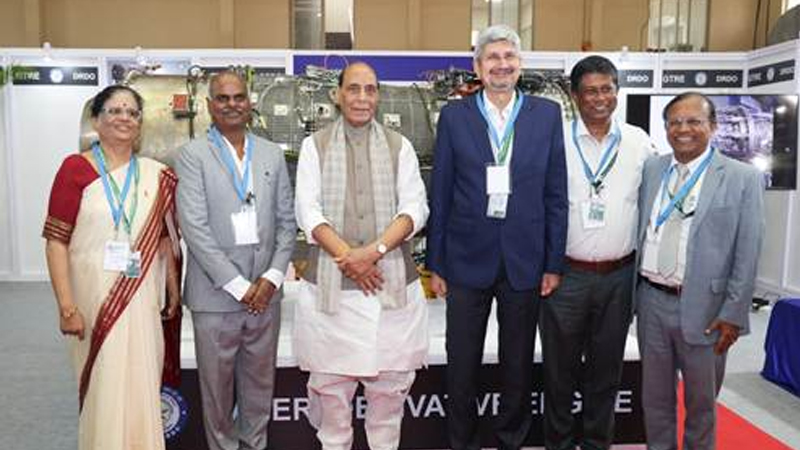
Raksha Mantri Shri Rajnath Singh has voiced Prime Minister Shri Narendra Modi-led Government’s commitment to achieving Aatmanirbharta in ammunition manufacturing and make the country a global production hub in the field. Inaugurating the Medium Caliber Ammunition Manufacturing Facility at the Solar Defence & Aerospace Limited in Nagpur, Maharashtra on January 19, 2026, he recalled the time when ammunition shortages hampered the country’s defence preparedness with the Government realising the need to become self-reliant in the field.

A group of men standing in front of a black signDescription automatically generated

The facility, inaugurated by Raksha Mantri, is a fully automated plant manufacturing 30mm ammunition which is extensively used by the Indian Army and the Indian Navy. He had also visited the Pinaka Rocket manufacturing facility and flagged-off the first tranche of Guided Pinaka rockets to Armenia.

A person holding a green flagDescription automatically generated

Commending the contribution of the private sector in making the defence sector Aatmanirbhar, Raksha Mantri stated that the nation is steadily marching forward in ammunition production as it is manufacturing quality and reliable products. He made special mention of the handing over of the Multi-Mode Hand Grenade, a fully Indian-made ammunition manufactured by the private sector, to the Indian Army in 2021. He added that Nagastra drones, manufactured by the Solar Group, were successfully used during Operation Sindoor, as it accurately struck terrorist targets, thereby proving its strategic capability. He appreciated the development of more advanced versions of Nagastra, exuding confidence that the weapons will prove extremely lethal to the nation’s enemies if needed in the future.

Shri Rajnath Singh said that the successful test launch of ‘Bhargavastra’ Counter Drone System, being developed by the Solar Company, showcases the technological capabilities of the private sector. He added that the exports of Pinaka missiles developed at the facility have begun, demonstrating the capabilities of the defence industry in further strengthening the export potential of the country. India is no longer just an importer but is rapidly moving towards becoming an exporter, he said.

Raksha Mantri termed Operation Sindoor as an example of how important self-reliance is for the nation. He emphasised that wars are becoming increasingly complex, which demands a nation to prepare itself on a war footing. “New methods of warfare are emerging. Wars are no longer confined to borders. Areas such as energy, trade, tariffs, supply chains, technology, and information have also become new dimensions of conflict. The importance of border vigilance and latest weapons and technologies has increased. Irrespective of the nature of war, the need of a robust defence industrial base will always remain. In such a situation, increased private sector’s involvement in manufacturing and research & development is the need of the hour,” he added.

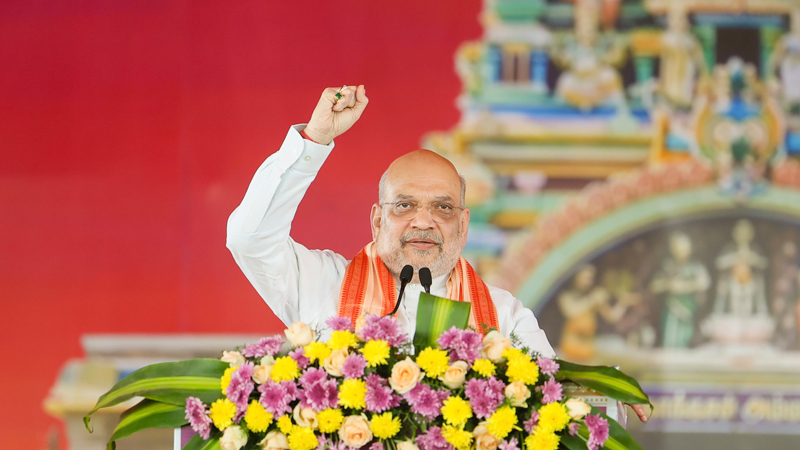
A person speaking at a podium with flowersDescription automatically generated

Shri Rajnath Singh stressed that the Government is focusing on ensuring that the private sector’s role in defence manufacturing reaches 50% or more in the coming times. The capabilities and innovations of the private sector clearly demonstrate its full potential, he said, expressing confidence that the goal will soon be achieved. “The Government is making every effort to strengthen the private sector and promote domestic vendors. We have decided to gradually indigenise our platforms, systems, and subsystems. Even for those things that we cannot manufacture, a provision for at least 50% indigenous content has been made. As a result of these efforts, we have been successful in increasing our indigenous content in many areas. This has also boosted the morale of the private sector,” he said.

Enumerating the results achieved due to the Government’s consistent push towards self-reliance, Raksha Mantri stated that the domestic defence production, which was only Rs 46,425 crore in 2014, has grown to a record approx. Rs 1.51 lakh crore today. He added that over Rs 33,000 crore of this contribution comes from the private sector, indicating that private industries are becoming partners in achieving the goal of Aatmanirbhar Bharat. He further said that due to the increasing participation of the private sector, India’s defence exports, which were less than Rs 1,000 crore ten years ago, have now reached a record Rs 24,000 crore.

Shri Rajnath Singh pointed out that India possesses a unique and effective blend of both public & private sectors in its defence manufacturing ecosystem, calling it the nation’s greatest strength. “We have capable and experienced public sector institutions, along with a strong & rapidly growing private companies. This balance is quite rare. There is a need to deepen this synergy, further enhance the capabilities of the private sector, constantly update them, and provide them with new technology, new opportunities, and new responsibilities, so that they can move forward in tandem with the public sector. The two sectors must complement each other, recognise each other’s strengths, and utilise them for the national benefit,” he added.

Defence Secretary Shri Rajesh Kumar Singh and representatives of Solar Defence & Aerospace Limited were present on the occasion.

PM addresses the Bagurumba Dwhou program in Guwahati, Assam

| Published on:

Prime Minister Shri Narendra Modi addresses the Bagurumba Dwhou 2026, a historic cultural event celebrating the rich heritage of the Bodo community at Sarusajai Stadium, Guwahati. Speaking on the occasion, Prime Minister remarked that it has been his privilege to witness Assam’s culture and closely observe the traditions of the Bodo community. Highlighting that no Prime Minister has visited Assam as frequently as he has, Shri Modi emphasised his constant wish that Assam’s art and culture receive a larger platform and gain recognition across the nation and the world through grand celebrations. He noted that continuous efforts have been made in this direction, citing large-scale Bihu festivities, the expression of Jhumoir Binondini, the grand Bodo Mahotsav held in New Delhi one and a quarter years ago, and other cultural programs. The Prime Minister underlined that he never misses an opportunity to experience the unique joy of Assam’s art and culture. He stated that once again, the Bagurumba festival is being organized, describing it as a vibrant celebration of Bodo identity and a tribute to Assam’s heritage. Shri Modi extended his best wishes and congratulations to all those associated with the event, especially the artists.

Prime Minister stated that Bagurumba Dwhou is not merely a festival but a medium to honor the great Bodo tradition and to remember the eminent personalities of the Bodo society. He recalled names such as Bodofa Upendra Nath Brahma, Gurudev Kalicharan Brahma, Rupnath Brahma, Satish Chandra Basumatary, Moradam Brahma, and Kanakeswar Narzary, noting their contributions to social reform, cultural renaissance, and political awakening. The Prime Minister paid respectful tribute to all such great figures of the Bodo community. He emphasized that their party considers Assam’s culture as the pride of the entire nation, and that India’s history is incomplete without Assam’s past and heritage. Shri Modi highlighted that under their government, grand festivals like Bagurumba Dwhou are organized, Bihu has been given national recognition, and efforts have led to Charaideo Moidam being included in UNESCO’s World Heritage list. He remarked that the Assamese language has been accorded classical status, and the Bodo language has been recognized as an associate official language of Assam, with a separate directorate established to strengthen education in Bodo. PM Modi underlined that due to this commitment, Bathou Dharma has been accorded full respect and recognition, and Bathou Puja has been declared a state holiday. He pointed out that it is under their government that a grand statue of warrior Lachit Borphukan has been installed and the statue of Bodofa Upendra Nath Brahma unveiled. He added that the traditions of devotion and social harmony of Srimanta Sankardeva and the art and consciousness of Jyoti Prasad Agarwala are honored as part of Assam’s heritage. The Prime Minister noted that it is Jyoti Prasad Agarwala’s death anniversary today and offered his tribute.

Expressing his emotions on visiting Assam, Shri Modi said he feels deeply moved seeing how far the state has progressed. He recalled that there was a time when bloodshed was frequent, but today the colors of culture shine; a time when gunfire echoed, but now the melodious sounds of Kham and Sifung prevail; a time when curfew brought silence, but now music resonates; a time of unrest and instability, but now Bagurumba’s captivating performances are being held. PM Modi stressed that such a grand celebration is not only Assam’s achievement but India’s achievement, and every citizen of the country is proud of Assam’s transformation.

Prime Minister expressed satisfaction that the people of Assam and his Bodo brothers and sisters placed their trust in him. He remarked that their governments  at Union and state were entrusted with the responsibility of peace and development, and with the blessings of the people, that responsibility has been fulfilled. Shri Modi highlighted that the 2020 Bodo Peace Accord brought an end to decades of conflict, restored trust, and enabled thousands of youth to abandon violence and join the mainstream. He noted that after the accord, new opportunities in education and development emerged in the Bodo region, and peace became a part of everyday life, with the people’s efforts playing the most significant role.

Underlining that Assam’s peace, development, and pride center around its youth, who have chosen the path of peace, Shri Modi emphasised that it must be carried forward to a bright future. He stated that since the peace accord, the government has been continuously working for the development of Bodoland, accelerating the rehabilitation process, and providing thousands of youth with crores of rupees in financial assistance to help them begin anew.

Emphasising hat the results of their government’s efforts are visible today, Prime Minister highlighted that talented Bodo youth becoming cultural ambassadors of Assam, excelling in sports, dreaming with new confidence, fulfilling those dreams, and driving Assam’s progress.

Shri Modi remarked that whenever Assam’s art, culture, and identity are honored, some people feel troubled. Asking who does not appreciate Assam’s honor, Shri Modi pointed out that it was the Opposition party that opposed conferring the Bharat Ratna on Bhupen Hazarika, and it was they who opposed the semiconductor unit in Assam. Shri Modi added that even today, when he wears something connected to Assam’s culture, it is the opposition that mocks it.

PM Modi asserted that Assam and Bodoland remained cut off from the mainstream for decades due to opposition alone. He said they created instability in Assam for its political gains and pushed the state into the fire of violence. He recalled that after independence, Assam faced challenges, but instead of finding solutions, the then ruling dispensation exploited those problems for political benefit. Criticising the opposition party, Shri Modi stressed that when trust was needed, they sowed division; when dialogue was needed, they neglected it and closed the doors of communication. He highlighted that the voice of Bodoland was never properly heard. He stated that when Assam needed healing and service, they instead opened the doors for infiltrators and focused on welcoming them.

Shri Modi asserted that the opposition party does not consider the people of Assam its own, preferring foreign infiltrators who become its loyal vote bank. He remarked that under the opposition’s rule, infiltrators kept coming, occupied lakhs of bighas of land, and were aided by governments. PM Modi expressed happiness that today, under the leadership of Shri Himanta Biswa Sarma, the government is freeing lakhs of bighas of land from infiltrators and restoring it to the rightful people of Assam. He highlighted that the opposition always looked at Assam and the entire Northeast with neglect, never considering its development important, and deliberately pushed the region into difficulties.

The Prime Minister emphasized that cleaning up the sins of opposition is being done by their governments at Union and state, and the pace of development visible today is proof. He noted the formation of the Bodo-Kachari Welfare Autonomous Council, the allocation of a special development package of ₹1500 crore for Bodoland, the establishment of a medical college and hospital in Kokrajhar, and the acceleration of construction of a medical college in Tamulpur. He added that nursing colleges and paramedical institutions are creating new opportunities for youth, while polytechnic and training institutes have been set up in Gobardhana, Parbatjhora, and Horisinga.

Shri Modi underlined that a separate Welfare Department and Bodoland Administrative Staff College have also been established, enabling better policy-making for the welfare of the Bodo community. He remarked that their government has bridged distances—between hearts, between Assam and Delhi, and within Assam itself through improved infrastructure. Areas once difficult to reach now have highways, and new roads are opening opportunities. He cited the Bishmuri-Saralpara road project connecting Kokrajhar to the Bhutan border, with crores allocated, and the proposed Kokrajhar–Gelephu rail project, declared a special railway project and made part of the Act East Policy, which will boost trade and tourism.

The Prime Minister stressed that when society remains connected to its roots, when dialogue and trust are strong, and when equal opportunities reach all sections, positive change becomes visible. He said Assam and Bodoland are progressing in this direction, with Assam’s confidence, capability, and progress adding new strength to India’s growth story. PM Modi highlighted that Assam is establishing itself among the fastest-growing states, its economy gaining momentum, and Bodoland and its people playing a crucial role in this transformation. He once again extended his best wishes to all for the day’s grand celebration.

Governor of Assam, Shri Lakshman Prasad Acharya, Chief Minister of Assam, Shri Himanta Biswa Sarma, Union Ministers, Shri Sarbananda Sonowal, Shri Pabitra Margherita were present among other dignitaries at the event.

Background

Prime Minister participated in “Bagurumba Dwhou 2026”, a historic cultural event celebrating the rich heritage of the Bodo community at Sarusajai stadium, Guwahati.

On this occasion, more than 10,000 artists from the Bodo community performed Bagurumba dance in a single, synchronised presentation. Artists from 81 Legislative Assembly Constituencies from across 23 districts of the state will take part in the event

Bagurumba is one of the folk dances of the Bodo community, deeply inspired by nature. The dance symbolises blooming flowers and reflects harmony between human life and the natural world. Traditionally performed by young Bodo women, with men accompanying as musicians, the dance features gentle, flowing movements that imitate butterflies, birds, leaves and flowers. Performances are usually organised in groups, forming circles or lines that enhance its visual elegance.

Bagurumba dance holds deep cultural significance for the Bodo people. It represents peace, fertility, joy and collective harmony, and is closely associated with festivals such as Bwisagu, the Bodo New Year, and Domasi.

PM inaugurates, lays foundation stone of multiple rail and road infrastructure projects in Malda, WB

| Published on:

Prime Minister Shri Narendra Modi inaugurated and laid the foundation stone of multiple rail and road infrastructure projects worth ₹3,250 crore at Malda, West Bengal. It is  aimed at strengthening connectivity and accelerating development in West Bengal and the North-Eastern region. Addressing the gathering on the occasion, Shri Modi remarked that from Malda today, the campaign to accelerate the progress of West Bengal has gained further momentum. He highlighted that a number of projects related to the development of West Bengal have just been inaugurated and dedicated. The Prime Minister stated that new rail services have been introduced for West Bengal, noting that these projects will make travel easier for the people and also facilitate trade and commerce. He emphasized that the new train maintenance facilities established here will provide fresh opportunities for the youth of Bengal.

Underlining that from the sacred land of Bengal, another major step has been taken towards the modernization of Indian Railways, Shri Modi highlighted that from today, Vande Bharat sleeper trains are being introduced in India. He stated that this new Vande Bharat sleeper train will make long journeys for citizens more comfortable and splendid. He emphasized that the vision of how trains in a developed India should be is clearly reflected in this Vande Bharat sleeper train. The Prime Minister mentioned that a short while ago he interacted with some passengers at Malda station, and everyone expressed that traveling in this train was an extraordinary experience. He recalled that earlier people used to look at pictures of foreign trains and wish such trains existed in India, and today that dream is being realized. Shri Modi added that in the recent days, foreign tourists are making videos of how the Indian Railways is being revolutionised. He underlined that this Vande Bharat train is Made in India, built with the hard work and dedication of Indians. Shri Modi noted that the country’s first Vande Bharat sleeper train is connecting the land of Maa Kali with the land of Maa Kamakhya. He further stated that in the coming time, this modern train will expand across the nation and congratulated Bengal, Assam, and the entire country for this modern sleeper train.

Prime Minister Shri Narendra Modi remarked that Indian Railways is undergoing a transformation, with electrification of railway lines and modernization of stations. He highlighted that today, including West Bengal, more than 150 Vande Bharat trains are running across the country. The Prime Minister stated that along with this, a complete network of modern and high-speed trains is being developed, which is greatly benefiting poor and middle-class families in Bengal. He announced that Bengal has received four more modern Amrit Bharat Express trains—New Jalpaiguri–Nagercoil Amrit Bharat Express, New Jalpaiguri–Tiruchirappalli Amrit Bharat Express, Alipurduar–Bengaluru Amrit Bharat Express, and Alipurduar–Mumbai Amrit Bharat Express. He emphasized that these trains will strengthen connectivity between Bengal, especially North Bengal, and South and Western India. The Prime Minister noted that these Amrit Bharat Express trains will make travel easier for pilgrims visiting Gangasagar, Dakshineswar, and Kalighat, as well as for those traveling to Tamil Nadu and Maharashtra.

“Indian Railways is becoming not only modern but also self-reliant”, emphasised  Shri Modi highlighting that India’s rail engines, coaches, and metro coaches are emerging as symbols of India’s technology. The Prime Minister stated that today India manufactures more locomotives than America and Europe and exports passenger train and metro train coaches to many countries, which greatly benefits the nation’s economy and provides employment opportunities for the youth. Shri Modi concluded by emphasizing that connecting India is a priority and reducing distances is a mission, which is clearly reflected in today’s program.

Governor of West Bengal, Shri C V Ananda Bose, Union Ministers, Shri Ashwini Vaishnav, Shri Shantanu Thakur, Shri Sukanta Majumdar were present among other dignitaries at the event.

Background

Prime Minister visited Malda Town Railway Station, where he flagged off India’s first Vande Bharat Sleeper Train between Howrah and Guwahati (Kamakhya). He also virtually flagged off the Guwahati (Kamakhya)–Howrah Vande Bharat Sleeper Train. Developed to meet the growing transportation needs of modern India, the fully air-conditioned Vande Bharat Sleeper train is set to offer passengers an airline-like travel experience at economical fares. It will make long-distance journeys faster, safer, and more convenient. By significantly reducing travel time by around 2.5 hours on the Howrah–Guwahati (Kamakhya) route, the train will also give a major boost to religious travel and tourism.

Prime Minister laid the foundation stone of four major railway projects in West Bengal, including the new rail line between Balurghat and Hili, next-generation freight maintenance facilities at New Jalpaiguri, upgradation of the Siliguri Loco Shed, and modernization of Vande Bharat train maintenance facilities in Jalpaiguri district. These projects will strengthen passenger and freight operations, improve logistics efficiency in North Bengal, and generate employment opportunities in the region.

Prime Minister dedicated to the Nation the electrification of rail lines between New Coochbehar–Bamanhat and New Coochbehar–Boxirhat, enabling faster, cleaner and more energy-efficient train operations.

Prime Minister further virtually flagged off 4 New Amrit Bharat Express trains  – New Jalpaiguri- Nagercoil Amrit Bharat Express; New Jalpaiguri- Tiruchirappalli Amrit Bharat Express; Alipurduar – SMVT Bengaluru Amrit Bharat Express; Alipurduar – Mumbai (Panvel) Amrit Bharat Express. This will enhance affordable and reliable long-distance rail connectivity. These services will support the mobility needs of common citizens, students, migrant workers and traders, while strengthening inter-state economic and social linkages.

Prime Minister also flagged off two new train services equipped with LHB coaches – Radhikapur –  SMVT Bengaluru Express; Balurghat – SMVT Bengaluru Express. These trains will provide the region’s youth, students, and IT professionals with direct, safe, and comfortable travel connectivity to major IT and employment hubs such as Bengaluru.

Prime Minister laid the foundation stone for the rehabilitation and four-laning of the Dhupguri–Falakata section of National Highway-31D, a key road project that will improve regional road connectivity and facilitate smoother movement of passengers and goods in North Bengal.

These projects will play a vital role in building modern infrastructure creation and improved connectivity, strengthening the Eastern and North-Eastern regions as key growth engines of the Nation.

Prime Minister addresses the Viksit Bharat Young Leaders Dialogue 2026

| Published on:

Prime Minister Shri Narendra Modi addressed the concluding session of Viksit Bharat Young Leaders Dialogue 2026 in New Delhi, today. Addressing the gathering on the occasion, Shri Modi remarked that when he first took the oath as Chief Minister, many young citizens of today had not yet been born, and when he assumed office as Prime Minister in 2014, most of them were still children. Despite this passage of time, he emphasized that his trust in the younger generation has remained constant and unwavering. “Your capability, your talent, I have always drawn energy from your energy. And look at today, all of you are holding the reins of the goal of a Developed India”, Shri Modi noted.

The Prime Minister emphasized that the period leading up to 2047, when India marks 100 years of independence, is a decisive phase for both the nation and its youth. He stated that the strength and capabilities of young Indians will shape India’s strength, and their success will elevate the country to new heights. Congratulating participants of the Viksit Bharat Young Leaders Dialogue, the Prime Minister underscored the critical role of youth leadership in achieving the vision of a developed India.

The Prime Minister noted that the event coincides with the birth anniversary of Swami Vivekananda. “Remembering Swami Vivekananda, we celebrate National Youth Day every year on 12 January. Inspired by his ideals, 12 January has been chosen for the Viksit Bharat Young Leaders Dialogue. The life of Swami Vivekananda is a great guiding light for all of us”, Shri Modi emphasised.

Expressing satisfaction over the rapid growth of the Viksit Bharat Young Leaders Dialogue, Shri Modi described it as a powerful platform enabling direct youth participation in shaping India’s development agenda. “The association of crores of young people with this initiative, more than 5 million registrations, over 3 million youths participating in the Viksit Bharat Challenge, and sharing their ideas for the nation’s development, such large-scale engagement of youth power is unprecedented”, Shri Modi highlighted.

Appreciating the quality of inputs, the Prime Minister particularly lauded the thoughtful ideas presented on key themes such as Women-Led Development and Youth Participation in Democracy. Referring to the presentations made during the event, he said they reflect the strong resolve of India’s Amrit Peedhi to build a developed nation. The Prime Minister also underlined the creativity and innovative spirit of India’s Gen Z and congratulated all young participants and members of the Mera Yuva Bharat organization for the successful conduct of the dialogue.

The Prime Minister recalled the period before 2014, describing it as an era of policy paralysis, excessive red tape, and limited opportunities for youth. He noted that young people then faced cumbersome procedures for jobs, exams, and starting businesses, with delays in decision-making and poor implementation of policies. He emphasized that what seems abnormal today was routine a decade ago, highlighting how governance reforms have since changed the experience of India’s youth.

The Prime Minister cited the startup ecosystem as an example of change, noting that despite global growth in startup culture over decades, India had very limited focus on startups before 2014. “Until 2014, there were fewer than 500 registered startups in the country. In the absence of a startup culture, government intervention dominated every sector. Our youth talent, their capabilities, did not get the opportunity to fulfill their dreams”, Shri Modi remarked.

The Prime Minister emphasized his trust in the capabilities of India’s youth, stating that this confidence led to a new development approach focused on empowering young innovators. He highlighted key reforms and initiatives such as Startup India, Digital India, Ease of Doing Business, and simplification of tax and compliance, which accelerated India’s startup revolution by opening previously government-dominated sectors to entrepreneurship.

Citing the space sector as a major example, Shri Modi said, “Until 5–6 years ago, the responsibility of advancing the space sector rested solely with ISRO. We opened the space sector to private enterprise, created supporting frameworks and institutions.” Shri Modi noted that opening it to private participation has led to the emergence of over 300 startups. He highlighted achievements by Skyroot Aerospace and Agnikul Cosmos as evidence of how youth-led innovation is transforming India into a global leader in emerging technologies.

The Prime Minister highlighted how easing restrictive regulations transformed the drone sector, which was earlier burdened by complex laws and licensing. “Simplified rules enabled youth-led growth in drone technology, benefiting national security and agriculture through Made-in-India drones and initiatives like the Namo Drone Didis”, he added.

He also noted major reforms in the defence sector, which public enterprises once dominated. “Today, more than 1,000 defence startups are operating in India. One young person is building drones, another is developing anti-drone systems, someone is creating AI-powered cameras, while others are working in robotics,” Shri Modi underscored.

The Prime Minister highlighted the impact of the Digital India initiative in nurturing a new generation of creators and driving the growth of India’s Orange Economy, centred on culture, content, and creativity. “India is witnessing unprecedented growth in the ‘Orange Economy’, that is, culture, content, and creativity. India is emerging as a major global hub in areas such as media, film, gaming, music, digital content, and VR-XR” Shri Modi noted. “The ‘World Audio-Visual and Entertainment Summit’ (WAVES) has become a major launch pad for young creators. In other words, no matter the sector, the doors of limitless opportunities are opening in India today,” Shri Modi added. He urged youth to pursue their ideas boldly, assuring them of the government’s continued support.

The Prime Minister stated that the reform agenda initiated over the last decade has accelerated, with youth at its core. He highlighted next-generation GST reforms and tax relief up to ₹12 lakh as measures that simplify processes and increase savings for young professionals and entrepreneurs. Emphasizing the growing demand for energy driven by AI and advanced manufacturing, he noted that reforms in civil nuclear energy,  the SHANTI Act, aim to ensure an assured power supply, generate large-scale employment, and create positive spillover effects across the economy.

The Prime Minister highlighted global workforce shortages and emphasized India’s strategy to prepare its youth for international opportunities. “Our effort is to ensure that India’s youth are prepared for the opportunities emerging across the world. Therefore, continuous reforms are being carried out in sectors related to skill development”, Shri Modi underlined.  He reiterated that after the new National Education Policy, regulations related to higher education are now being reformed. “Foreign universities are also opening their campuses in India. Recently, the PM SETU Programme was launched with investments worth thousands of crores of rupees. Under this, thousands of ITIs will be upgraded so that youth can be trained in line with the current and future needs of industry”, Shri Modi noted.

The Prime Minister stressed that self-confidence is essential for a country to be self-reliant and developed. Referring to Macaulay’s colonial-era education policies, he noted that they instilled a sense of inferiority among Indians toward their own heritage, products, and capabilities. Calling upon India’s youth to resolve collectively to overcome this mindset, Shri Modi said, “In ten years, it will mark 200 years since Macaulay’s audacious policies, and therefore, every young person in the country must resolve to free India from this mentality.”

The Prime Minister highlighted the importance of being open to global knowledge while valuing India’s own heritage, quoting the Vedic phrase “Aano Bhadrāh Kratavo Yantu Vishwatah”, that is, let auspicious, beneficial, and excellent thoughts come to us from all directions. “You must learn from the best practices around the world, but never let the tendency to undervalue your own heritage and ideas dominate”, Shri Modi stated.

Shri Modi cited Swami Vivekananda who embraced global ideas but challenged misconceptions about India, inspiring a vision for a better nation. He encouraged youth to advance with energy, maintain fitness, and embrace joy, expressing unwavering faith in their potential. “I have complete faith in all of you, in your capabilities and energy. With these words, I once again wish you all a very Happy National Youth Day”, the Prime Minister concluded.

India – Germany Joint Statement

| Published on:

At the invitation of Hon’ble Prime Minister Shri Narendra Modi, Federal Chancellor of the Federal Republic of Germany, H.E. Mr. Friedrich Merz, paid an official visit to India from 12-13 January 2026. The Chancellor was accompanied by a high-level delegation including 23 leading German CEOs and industry leaders.

This was Chancellor Merz’s first official visit to India and his first visit to Asia as Federal Chancellor, reflecting the high priority Germany attaches to India as a key strategic partner in the Indo-Pacific. The visit followed the successful 7th India–Germany Inter-Governmental Consultations (IGC) held in New Delhi on 25 October 2024, and comes at a high point in the journey of bilateral ties between the two countries, with completion of 25 years of India–Germany Strategic Partnership in 2025, and commemoration of 75 years of diplomatic relations in 2026. Both leaders sincerely appreciated the renewed momentum in bilateral engagement across government, business, civil society and academia that has played an instrumental role in advancing and deepening the Strategic Partnership.

Prime Minister Modi welcomed Chancellor Merz in Ahmedabad. The two Leaders paid floral tribute at the statue of Mahatma Gandhi at Sabarmati Ashram, and participated in the famous Kite Festival. The two Leaders also addressed India-Germany CEOs Forum. Chancellor Merz will also visit Bangalore with engagements focusing on business and technological collaboration between India and Germany.

Prime Minister Modi and Chancellor Merz held restricted and delegation-level talks in Ahmedabad on 12 January 2026. They reaffirmed the shared democratic values, commitment to a rules-based international order, and mutual respect underpinning the Strategic Partnership. Both leaders reviewed bilateral relations and discussed regional and global developments.

Defence and Security

The Leaders reaffirmed their commitment to strengthening defence and security cooperation. They welcomed the outcomes of the High Defence Committee meeting held in New Delhi in November 2025 to further augment bilateral defence cooperation including institutionalised services Staff Talks and visits of Service Chiefs. The leaders endorsed the commitment of both sides to deepen military-to-military cooperation through joint exercises, training and exchanges of senior officials, and noted with satisfaction regular reciprocal port calls by the Naval ships of both countries. The leaders welcomed the establishment of a new Track 1.5 Foreign Policy and Security Dialogue between the two countries.

Prime Minister Modi welcomed Germany’s intent to participate in Naval Exercise MILAN, and 9th Indian Ocean Naval Symposium (IONS) Conclave of Chiefs in February 2026, Air Combat Exercise TARANG SHAKTI in September 2026, as well as Germany’s decision to deploy a Liaison Officer to the Information Fusion Centre–Indian Ocean Region (IFC-IOR). Both sides expressed satisfaction at ongoing cooperation between Defence Research and Development Organisation (DRDO) and Organisation for Joint Armament Cooperation (OCCAR) for the Eurodrone MALE UAV programme, which will enable India to collaborate and harness advanced military technology and strengthen its strategic and defence ties with Europe.

The Leaders welcomed the signing of a Joint Declaration of Intent to develop a Defence Industrial Cooperation Roadmap to promote long-term industry-level collaboration, including technology partnerships, co-development and co-production of defence platforms and equipment. India welcomed Germany’s efforts to facilitate expeditious export clearances of defence equipment. The Leaders appreciated the growing interaction between Indian and German Defence businesses through Defence Roundtables/Seminars held in Berlin and New Delhi and welcomed regular exchanges in this area. Both Leaders lauded the continuing cooperation in submarines, obstacle avoidance system for helicopters and Counter Unmanned Aerial Systems (C-UAS), and looked forward to enhanced defence industrial collaboration by building a deepened relationship based on shared goals and complementarity of strength, namely skilled workforce and competitive costs from India and high technologies and investment from Germany.

In the context of cooperation on training and exchange, the two Leaders welcomed progress towards concluding a Memorandum of Understanding (MoU) on Peacekeeping training between institutions of both countries, Reciprocal Logistics Support Agreement between armed forces, and knowledge exchange in the field of new Defence Technologies between DRDO and Federal Office of Bundeswehr Equipment, Information Technology and In-Service Support (BAAINBw).

The two leaders unequivocally and strongly condemned terrorism and violent extremism in all its forms and manifestations including cross border terrorism. They called for concerted international efforts to combat terrorism in a comprehensive and sustained manner, in accordance with the UN Charter and international law. They condemned in the strongest terms the terrorist attack in Pahalgam, Jammu and Kashmir on 22 April 2025 and the terror incident in Delhi on 10 November 2025. They committed to strengthen co-operation against terrorists and terrorist entities, including those listed in the UN 1267 Sanctions Committee. Both sides also called upon all countries to continue to work towards eliminating terrorist safe havens and infrastructure as well as to disrupt terrorist networks and financing in accordance with international law. The Leaders welcomed the ratification of the Mutual Legal Assistance Treaty and noted the progress under the Joint Working Group on Counter-Terrorism.

Trade and Economy

The Leaders welcomed the sustained growth in bilateral trade and investment and noted that bilateral trade reached a record high in 2024, with the positive trend continuing through 2025. India-Germany bilateral trade in goods and services surpassed USD 50 billion in 2024, amounting to over 25% of India’s trade with EU. The leaders noted the strong two-way investments between India and Germany and the positive impacts of such investments in diversifying global supply chains. They reaffirmed their commitment to fully realising untapped economic potential, including through SMEs, startups, digitalization, AI, and innovation-driven enterprises. Prime Minister Modi invited German companies to invest / expand businesses in India to benefit from its strong economic growth, business-friendly environment, large highly-skilled workforce and immense opportunities to scale up operations. Chancellor Merz recommended Germany as an attractive location for investment by Indian companies.

Prime Minister Modi and Chancellor Merz reiterated their support for the conclusion of the India–EU Free Trade Agreement as a key outcome of the upcoming EU-India Summit, which will facilitate trade flows and inject further momentum into German-Indian economic relations.

The Leaders welcomed the signing of a Joint Declaration of Intent on strengthening the bilateral economic cooperation through the German-Indian CEO Forum, which will further promote business and industry collaboration, supported by the long-standing presence of German businesses in India and Indian businesses in Germany.

PM Modi and Chancellor Merz welcomed holding of the CEO forum, and interacted with leading CEOs and industry leaders of both sides to encourage more business collaboration and investment in areas such as technology, automotives, defence, shipbuilding, smart infrastructure, pharma, chemicals, bio-technology, industrial equipment engineering and energy.

Technology, Innovation, Science and Research

The Leaders welcomed progress in cooperation in critical and emerging technologies, including semiconductors, critical minerals, digitalisation, telecommunications, health and the bioeconomy; which consolidates the Innovation and Technology Partnership Roadmap.

They welcomed the strong willingness on both sides to establish an institutional dialogue across the semiconductor value chain through a new Joint Declaration of Intent on Semiconductor Ecosystem Partnership. They underlined the significance of enhanced institutional research and industrial collaboration between Indian and German semiconductor ecosystems. PM Modi welcomed opening of the Global Capability Centre (GCC) by German technology enterprise Infineon in GIFT city in March last year.

Recognizing the importance of resilient supply chains, the Leaders noted the progress on fostering collaboration in the field of critical minerals through a Joint Declaration of Intent (JDoI) on Critical Minerals cooperation. The two sides aim to explore opportunities in the areas of exploration of critical minerals, R&D, value addition through processing and recycling, as well as acquisition and development of critical mineral assets in both countries and third countries.

Regarding the Indo-German Digital Dialogue, the Leaders noted the finalization of its Work Plan for 2026–27 and emphasised the importance of collaboration on internet & data governance, AI, semiconductors and Industry 4.0, and emerging technologies. The Leaders acknowledged the signing of a JDoI on cooperation in the field of Telecommunications.

The leaders noted the extension of tenure of the Indo-German Science and Technology Centre (IGSTC) and expressed their satisfaction of IGSTC’s flagship role in promoting bilateral industry-academia strategic research in areas of advanced manufacturing, medical technologies, sustainable production, bioeconomy, waste to wealth initiatives, and artificial intelligence for sustainability. The leaders acknowledged the contribution of programmes under the IGSTC such as (2+2) industry-academia projects and Women Involvement in Science and Engineering Research (WISER).

Both Leaders welcomed the progress to establish Indo-German Centres of Excellence on Innovation (IG-CoE) focusing on Digital Convergence, Battery Technology, Green Transportation, and Affordable Healthcare. The Leaders expressed their appreciation on initiation of a bilateral cooperation on Bioeconomy, to deliver transformative outcome in genomics, 3D bioprinting & biomanfacturing. The Leaders also appreciated the high-level of engagement reflected in India’s participation in major science facilities at Facility for Antiproton and Ion Research (FAIR) and Deutsches Elektronen Synchrotron (DESY), and expressed confidence in the continued cooperation at PETRA-III and the free-electron laser facilities at DESY.

The Leaders noted the enhanced dialogue in the area of Space between Indian Space Research Organization (ISRO) and German Space Agency (DLR) and welcomed the possibility to further expand the cooperation between the two agencies. Both sides agreed to enhance space industry level engagements.

The Leaders reaffirmed their commitment to foster evidence-based and people centric traditional medicine practices for affordable healthcare. They welcomed the MoU between the All- India Institute of Ayurveda and Charité University of Germany to promote scientific cooperation in traditional medicine.

Green and Sustainable Development Partnership/Renewable Energy

The leaders noted that 2026 marks half-time of the commitment period of the Green and Sustainable Development Partnership (GSDP), and expressed satisfaction at implementation of this flagship initiative between India and Germany, which has intensified bilateral cooperation on sustainable development and climate action and strengthened the strong commitment to the SDGs and the implementation of the Paris Agreement. Out of German government’s total commitment of 10 billion euros until 2030, mostly as concessional loans, approximately 5 billion euros have already been used or earmarked since 2022 for projects on climate mitigation and adaptation, renewable energy, sustainable urban development, green urban mobility, natural resource management, forestry, biodiversity, agroecology, circular economy and skilling. In that way, Indo-German collaboration under GSDP has contributed to Government of India’s flagship programmes and projects such as PM e-Bus Sewa, the Solar Rooftop Programme, the National Green Hydrogen Mission, Ahmedabad, Surat and Bangalore Metro Rail Projects, the Water Vision 2047 as well as for, climate-resilient urban infrastructure in Tamil Nadu, battery storage project in West Bengal, the new Indo-German collaboration in the area of agro-photovoltaic and financing for public financial institutions to expand renewable energy.

The Leaders reaffirmed the importance of mobilising finance and investment for renewable energy and welcomed the joint efforts under the India-Germany Platform for Investments in Renewable Energy Worldwide, such as the launch of joint working groups on solar energy manufacturing and wind energy in October 2025, as well as the newly established Joint Working Group on Battery Energy Storage Solutions. These joint working groups will deepen bilateral collaboration in technology, standards, regulation and supply chain resilience for renewable energy, and foster exchange and investments of companies from India and Germany.

The Leaders expressed satisfaction at the ongoing cooperation on Green Hydrogen, including work under the joint roadmap within the Indo-German Energy Forum, and underscored the need to align India’s National Green Hydrogen Mission and Germany’s National Hydrogen Strategy through deeper technological, commercial and regulatory collaboration, as well as strengthened business-to-business linkages. To further advance cooperation on developing hydrogen regulations and standards in India, the Leaders welcomed the signing of the MoU between the Petroleum and Natural Gas Regulatory Board (PNGRB) and the German Technical and Scientific Association for Gas and Water Industries (DVGW). They also welcomed the signing of one of the largest Offtake Agreement under India’s National Green hydrogen Mission, for supply of Green Ammonia from AM Green to Uniper Global Commodities.The Leaders welcomed the progress which has so far been made by committed stakeholders in the private sector, in particular a recently signed binding large-scale offtake agreement for Indian-produced green ammonia.

The leaders expressed satisfaction at the outcomes of Triangular Development Cooperation (TDC) projects in Africa and Latin America and reaffirmed the commitment of both sides to mobilizing complementary strengths and capabilities for supporting sustainable and inclusive development in third countries. They welcomed the decision to scale up TDC projects in Ghana, Cameroon and Malawi.

Indo-Pacific, Connectivity and Global Issues

The Leaders reaffirmed their commitment to a free and open Indo-Pacific, respect for international law including UNCLOS, and announced a new bilateral Indo-Pacific consultation mechanism. India welcomed Germany’s continued and growing engagement in the region, including activities under the Capacity Building and Resource Sharing pillar of the Indo-Pacific Oceans Initiative (IPOI) co-led by India and Germany.

Reaffirming their strong support to India–Middle East–Europe Economic Corridor (IMEC), the leaders emphasized its transformational potential in reshaping and promoting global commerce, connectivity and prosperity. In this context, they look forward to the first IMEC ministerial meeting to take concrete steps for advancing this initiative.

India and Germany reiterated the urgent need for comprehensive reforms of the UN Security Council, through the expansion of permanent and non-permanent categories of membership to reflect contemporary realities. In this regard, the two countries called for moving forward towards commencing text-based negotiations at the IGN.

The two leaders reiterated their concern over the ongoing war in Ukraine, which continues to cause immense human suffering and negative global consequences. They expressed support for efforts to achieve a comprehensive, just and lasting peace in Ukraine in accordance with international law and the principles of the UN Charter.

The two leaders welcomed the Gaza Peace Plan and noted the adoption of United Nations Security Council Resolution 2803 of 17 November 2025 as a step forward to end the conflict in Gaza. They encouraged all parties to implement this resolution in its entirety. They underlined the need for unhindered and at scale delivery of humanitarian aid to Gaza as well as unimpeded access for humanitarian organizations. They reaffirmed their readiness to support efforts towards just and durable peace and reiterated their call for a just, lasting and comprehensive resolution of the conflict in the Middle East in the form of a negotiated Two State Solution.

The Leaders underscored the urgent need for accelerated global action on climate change and welcomed the UNFCCC process. They highlighted the significance of the Paris Agreement and reaffirmation of COP 30 in Belém and the decisions taken under it in recent years, especially to create a Just Transition Mechanism and Technology Implementation Programme and look forward to the Global Stocktake. They called for significantly enhanced climate action and increasing efforts in the areas of climate finance and technology transfer to support developing countries in a just transition to green and sustainable energy systems and economies and in adapting to the increasing impacts of climate change. They emphasized the potential of well-designed climate action for economic development and poverty reduction and the importance of scaling up climate finance by all actors for shaping and accelerating the transition along national and cross-border value chains. They also recognized the threats by natural disasters and severe weather events as well as the implications arising from climate change, environmental degradation and biodiversity loss for security.

They agreed to strengthen cooperation in addressing global health challenges, including pandemic preparedness and response, combating antimicrobial resistance, and ensuring equitable access to affordable healthcare and medicines.

Education, Skilling, Mobility and Culture

Both leaders reaffirmed that strong people-to-people ties constitute a vital pillar of the Strategic Partnership and welcomed growing exchanges of students, researchers, skilled professionals, artists, and tourists. They recognized the valuable contribution of the Indian community to Germany’s economy, innovation and cultural life, while underscoring the importance of expanded cooperation in education, research, vocational training, culture and youth exchanges to foster mutual understanding. PM Modi thanked Chancellor Merz for the announcement of the visa free transit facility for Indian passport holders for transiting through Germany which will not only facilitate and ease travel of Indian nationals, but will further intensify people to people links. Both sides expressed willingness to further strengthen legal mobility and strengthen cooperation on return of persons required to leave the country and in the fight against irregular migration, human trafficking and document and visa fraud[ by fully implementing the provisions of the Migration and Mobility Partnership Agreement (MMPA).

The Leaders noted the growing number of Indian students in Germany, as well as the expanding network of joint and dual degree programmes, collaborative research and institutional partnerships in higher education. The deepening exchanges are also reflected in projects designed to support Indian students’ and graduates’ job market integration in Germany. They welcomed the institutional linkages between Indian Institutes of Technology and Technical Universities in Germany. They welcomed the creation of an Indo-German Comprehensive Roadmap on Higher Education to deepen institutional linkages. PM Modi invited leading German universities to open campuses in India under the New Education Policy.

The Leaders expressed satisfaction at the ongoing cooperation in skilled migration under the Migration and Mobility Partnership Agreement. In line with this commitment and the German skilled labour strategy both countries aim to facilitate the mobility of skilled workers in a manner that benefits all parties while safeguarding against exploitation and ensuring compliance with international labour standards. The Leaders welcomed the signing of the JDI on Global Skills Partnership, which focuses on creating an ethical and sustainable framework for skilled mobility, particularly to address Germany’s growing demand for healthcare professionals, while safeguarding the rights and welfare of workers. The Leaders also welcomed the signing of the JDI to establish an Indo-German Centre of Excellence for Skilling in Renewable Energy, which will strengthen cooperation in curriculum development for the Indian and German job market, cooperation with German and Indian Industry and training of trainers in the renewable energy sector. In this context, both sides remain committed to the goal of expanding the teaching of the German language in India, including in secondary schools, universities and vocational education centers.

India and Germany share strong historical and cultural connections. The leaders welcomed the MoU between the German Maritime Museum – Leibniz Institute for Maritime History (DSM), Bremerhaven, and the National Maritime Heritage Complex at Lothal, which will deepen cooperation on maritime heritage and showcase shared elements of maritime history. In this context, there is renewed interest in museum collaborations. The leaders welcomed the finalization of the JDoI on Cooperation in Sport, which will strengthen collaboration inter alia in athlete training, sports governance, integrity and athletes’ rights, as well as research in sport science.

Chancellor Merz thanked Prime Minister Modi for the warm hospitality extended to him and his delegation. Both Leaders agreed that the next India–Germany Inter-Governmental Consultations will be held in Germany later in 2026 and reaffirmed their shared commitment to further deepening the Strategic Partnership.

PM’s remarks during the India-Germany CEOs Forum in Ahmedabad

| Published on:

Your Excellency,

Chancellor Merz, business leaders of both countries, Namaskar.

I am very pleased to join the India-Germany CEOs Forum. This meeting is taking place at a very important time, when we are celebrating the Platinum Jubilee of India-Germany relations and the Silver Jubilee of the India-Germany Strategic Partnership. That means our relationship carries the permanence of platinum and the shine of silver.

Friends,

The partnership between India and Germany is a seamless one, built on shared values and mutual trust. In every sector, there are mutually beneficial opportunities. The ongoing manufacturing cooperation between our MSMEs and Germany’s Mittelstand, the rapidly growing collaboration in IT and services, joint ventures and research collaborations in automotive, energy, machinery, and chemical sectors are giving rise to new technologies. And these strong linkages have directly benefited our trade, which has now crossed the mark of nearly 50 billion dollars.

Friends,

The world is changing rapidly, and we see how dependence on critical technologies and capital machinery is being weaponized today. On the auspicious occasion of Swami Vivekananda’s birth anniversary, we must draw inspiration from his thoughts and message. His message was clear: a strong nation is one that connects with the world with self-confidence, self-reliance, and responsibility. In today’s global context, this message is even more relevant. In line with this thinking, our shared responsibility is to strengthen trusted and resilient supply chains for the world, and in this effort, the partnership of reliable partners like India and Germany plays a decisive role.

Friends,

For his first Asia visit, Chancellor Merz chose India as the destination. This reflects India’s central role in Germany’s diversification strategy, and it is a clear signal of Germany’s trust in India. In line with this trust, today we have taken several important decisions. First, we have decided to make this seamless economic partnership limitless. That means, along with traditional economic sectors, strategic sectors will also see deeper cooperation. In defence, today we are exchanging a Joint Declaration of Intent. This will provide clear policy support to our companies for co-innovation and co-production in defence. New opportunities for cooperation will also open in the space sector. Second, we have agreed that trusted partnership should now take the form of a technology partnership. The world’s two major democratic economies will deepen cooperation in critical and emerging technologies. We are mutual partners in semiconductors. Along with this, there are immense possibilities in power electronics, biotech, fintech, pharma, quantum, and cyber. Third, we all have complete clarity that the India-Germany partnership is not only mutually beneficial, but also better for the world. India is moving ahead to become a world leader in green hydrogen, solar, wind, and biofuel. For German companies, there are great opportunities in manufacturing solar cells, electrolyzers, batteries, and wind turbines. Together, we can develop solutions for the world ranging from e-mobility to food and health security. India has an all-inclusive vision for AI, and when Germany’s AI ecosystem connects with it, we can ensure a human-centric digital future.

Friends,

India’s talent pool is capable of advancing innovation and productivity in German industry. In recent years, especially in the high-tech sector, skill mobility has increased rapidly. We urge German companies to make full use of India’s talent, and further strengthen skill, innovation, and industrial linkages.

Friends,

In today’s challenging global environment, India is moving forward with over 8% growth. Behind this is not just one reason, but continuous and comprehensive reforms. The private sector is being promoted in every field, whether defence, space, mining, or nuclear energy. Compliance requirements are continuously being reduced, ease of doing business is improving. These efforts have made India today a symbol of growth and optimism for the world. The India-EU Free Trade Agreement is also soon going to be realized. This will open a new chapter for our trade, investment, and partnership. That means, the path is clear for you. I invite German precision and innovation to connect with India’s scale and speed. You can manufacture in India, take full advantage of domestic demand, and export without any obstacles.

Friends,

On behalf of the government, I assure you that India will advance cooperation with Germany with stable policies, mutual trust, and a long-term vision. My message in short is this: India is ready, willing, and able. Let us innovate, invest, and grow together. Let us prepare sustainable solutions not only for India and Germany, but for the global future.

Danke schön.

Thank you very much.

PM’s Press Statement during the Joint Press Statement with the German Chancellor

| Published on:

Your Excellency, My Friend, Chancellor Friedrich Merz,
Delegates from both countries,
Friends from the media,
Namaskaar!
Guten Tag!

It is a matter of special joy for me to welcome Chancellor Merz on the occasion of Swami Vivekananda Jayanti today. It is a pleasant coincidence that Swami Vivekananda himself built the bridge of philosophy, knowledge, and spirituality between India and Germany. And today, Chancellor Merz’s visit is giving that bridge new energy, renewed trust, and scope.

As Chancellor, this is his first visit not only to India, but to Asia. It is a strong testament to the importance he places on relations with India. I thank him sincerely for his personal attention and commitment. India is fully committed to further strengthening its friendship and partnership with Germany.

In Gujarat, we say ‘आवकारो मिठो आपजे रे, which means to welcome someone with warmth and affection. With the same spirit and emotion, we extend a heartfelt welcome to Chancellor Merz to India.

Friends,

Chancellor Merz’s visit is taking place at a particularly significant time. Last year, we completed 25 years of our strategic partnership, and this year we are also celebrating 75 years of our diplomatic relations. These milestones are not merely markers of time. They are symbols of our shared ambitions, mutual trust, and steadily strengthening cooperation.

Close cooperation between the economies of countries like India and Germany is important for all of humanity. The growing trade and investment ties have infused new energy into our strategic partnership. Our bilateral trade has now reached its highest level ever and crossed USD 50 billion mark.

More than two thousand German companies have been present in India for a long time. This reflects their unwavering confidence in India and the immense opportunities that exist here. This was evident at the India – Germany CEO Forum this morning.

Friends,

Technology cooperation between India and Germany has grown stronger year after year, and today its impact is clearly visible on the ground.

In the field of renewable energy, India and Germany share similar priorities. To strengthen cooperation in this area, we have decided to establish the India – Germany Centre of Excellence. It will serve as a shared platform for knowledge, technology, and innovation.

We’re jointly advancing new projects in areas such as climate, energy, urban development, and urban mobility. The new mega project in green hydrogen involving companies from both countries will prove to be a game-changer for the energy of the future.

India and Germany are working together to build secure, trusted, and resilient supply chains. The MoUs being signed today on all these areas will give new momentum and strength to our cooperation.

Friends,

The growing cooperation in defence and security is a symbol of our mutual trust and shared vision. I express my heartfelt gratitude to Chancellor Merz for simplifying the processes related to defence trade.

We will also work on a roadmap to enhance cooperation between our defence industries, which will open up new opportunities for co-development and co-production.

Friends,

India and Germany share deep and historic people-to-people ties. The works of Rabindranath Tagore gave a new perspective to Germany’s intellectual world. Swami Vivekananda’s philosophy inspired not only Germany but all of Europe. And Madame Cama, by unfurling India’s flag of freedom in Germany for the first time, gave global recognition to our aspirations for independence. Today, we are giving this historic connection the form of a modern partnership.

Special emphasis has been placed on enhancing migration, mobility, and skilling. India’s talented young workforce is making a significant contribution to Germany’s economy.

The Joint Declaration of Intent issued today on the Global Skills Partnership is a symbol of this trust. It will especially facilitate the mobility of healthcare professionals

Today, we have also taken concrete steps to advance cooperation in the field of sports. This will become an effective means of connecting our youth.

The Comprehensive Roadmap on Higher Education released today will give a new direction to our partnership in the education sector. I invite German universities to open their campuses in India.

I express my gratitude to Chancellor Merz for the announcement of visa-free transit for Indian citizens. This will further strengthen people-to-people connections between our two countries.

I am pleased that the German Maritime Museum is joining the National Maritime Heritage Complex being developed at Lothal in Gujarat. This is a historic step that will connect the maritime histories of both our countries

Gujarat Ayurveda University has had close cooperation with Germany in the field of traditional medicine. The MoU being signed today will further strengthen this collaboration.

Friends,

India and Germany have always stood shoulder to shoulder. The strength of our friendship is visible on the global stage. Our trilateral development partnership, through joint projects in countries such as Ghana, Cameroon, and Malawi, is a successful model for the world. We will continue to work together to support development in the Global South.

The Indo-Pacific is of high priority for both countries. To enhance our cooperation in this region, we are going to launch a Consultation Mechanism.

Today, we discussed a range of global and regional issues in detail, including Ukraine and Gaza. India has always advocated for the peaceful resolution of all problems and disputes, and supports all efforts being made in this direction.

We agree that terrorism is a serious threat to all humanity. India and Germany will continue to fight it together with full determination.

India and Germany agree that reforming global institutions is crucial for addressing global challenges. Our joint efforts through the G4 group to reform the UN Security Council are a testament to this shared belief.

Excellency,

On behalf of 1.4 billion Indians, I once again extend a warm welcome to you in India. I am confident that today’s discussions will give new energy and clear direction to the India-Germany partnership.

Thank you for your visit, your personal support, and your friendship with India.

Danke schön.

DISCLAIMER: This is the approximate translation of Prime Minister’s address. Original address was delivered in Hindi.

Prime Minister pays homage to Swami Vivekananda on his birth anniversary

| Published on:

The Prime Minister, Shri Narendra Modi paid tributes to Swami Vivekananda on the occasion of his birth anniversary, today. Shri Modi stated that Swami Vivekananda’s personality and works continuously infuse new energy into the resolve for a developed India. “My wish is that this divine occasion of National Youth Day brings new strength and new self-confidence for all fellow citizens, especially our young companions”, Shri Modi said.

The Prime Minister posted on X:

“भारतीय युवाशक्ति के सशक्त प्रेरणास्रोत स्वामी विवेकानंद को उनकी जयंती पर मेरी आदरपूर्ण श्रद्धांजलि। उनका व्यक्तित्व और कृतित्व विकसित भारत के संकल्प में निरंतर नई ऊर्जा का संचार करने वाला है। मेरी कामना है कि राष्ट्रीय युवा दिवस का यह दिव्य अवसर सभी देशवासियों, विशेषकर हमारे युवा साथियों के लिए नई शक्ति और नया आत्मविश्वास लेकर आए।”

PM inaugurates Vibrant Gujarat Regional Conference in Rajkot

| Published on:

Prime Minister Shri Narendra Modi inaugurated the Vibrant Gujarat Regional Conference for Kutch and Saurashtra Region in Rajkot, Gujarat today. Addressing the gathering on the occasion, Shri Modi remarked that after the beginning of 2026, this was his first visit to Gujarat. He highlighted that earlier in the morning he had the divine darshan of Lord Somnath and was now participating in the grand program at Rajkot. He stated that the mantra of “Vikas bhi, Virasat bhi” was resonating everywhere. The Prime Minister welcomed and extended greetings to all colleagues who had come from across the country and the world to attend the Vibrant Gujarat Regional Summit.

Observing that whenever the stage of Vibrant Gujarat Summit is set, Shri Modi expressed that he does not see it as just a summit but as the journey of modern India in the 21st century, which began with a dream and has now reached unshakable trust. He emphasized that in two decades, the journey of Vibrant Gujarat has become a global benchmark, with ten editions held so far, each strengthening the identity and role of the summit.

Underlining that he has been associated with the vision of Vibrant Gujarat Summit since the very first day, Shri Modi recalled that in the initial phase, the aim was to make the world aware of Gujarat’s potential, to invite people to come, invest, and thereby benefit India as well as global investors. He stressed that today the summit has moved beyond investment to become a platform for global growth, international cooperation, and partnership. The Prime Minister pointed out that over the years the number of global partners has steadily increased and the summit has become a major example of inclusion. He noted that corporate groups, cooperatives, MSMEs, start-ups, multilateral and bilateral organizations, and international financial institutions all come together here to engage in dialogue, discussion, and walk shoulder to shoulder with Gujarat’s development.

Prime Minister Modi remarked that over the past two decades, the Vibrant Gujarat Summit has consistently introduced something new and special, and the Vibrant Gujarat Regional Summit has become another example of this tradition. He highlighted that the focus of this Regional Summit is to transform the untapped potential of different parts of Gujarat into performance. Shri Modi noted that some regions have the strength of a coastal line, others possess a long tribal belt, some have a large ecosystem of industrial clusters, while others carry a rich tradition of farming and animal husbandry. He emphasized that each region of Gujarat has its own strength, and the Regional Summit is advancing by focusing on these regional possibilities.

The Prime Minister observed that a quarter of the 21st century has already passed and in recent years India has made rapid progress, with Gujarat and all its people playing a major role. He stated that India is moving towards becoming the world’s third largest economy, and the data clearly shows that global expectations from India are continuously rising. Shri Modi underlined that India is the fastest growing large economy, inflation is under control, agriculture production is achieving new records, India is number one in milk production, number one in generic medicine production, and the largest producer of vaccines in the world.

“India’s growth fact sheet is the success story of the mantra Reform, Perform and Transform”, underscored Shri Modi, pointing out that in the past 11 years India has become the world’s largest consumer of mobile data, and UPI has emerged as the number one real-time digital transaction platform globally. He recalled that earlier nine out of ten mobile phones were imported, but today India is the world’s second largest mobile phone manufacturer. The Prime Minister added that India now has the world’s third largest start-up ecosystem, ranks among the top three countries in solar power generation, is the third largest aviation market, and has one of the top three metro networks globally.

Highlighting that today every global expert and institution is bullish on India, the Prime Minister noted that the IMF calls India the engine of global growth, S&P has upgraded India’s rating after eighteen years, and Fitch Ratings has praised India’s macro stability and fiscal credibility. He stressed that this global trust in India exists because, amid great global uncertainty, India is witnessing an unprecedented era of certainty. He underlined that India enjoys political stability, policy continuity, and an expanding neo-middle class with increasing purchasing power, making India a nation of limitless possibilities. Recalling his words from the Red Fort that “this is the time, the right time,” Shri Modi emphasized that for every investor in the country and the world, this is indeed the right time to take advantage of India’s possibilities. He further stated that the Vibrant Gujarat Regional Summit is also conveying the same message to all investors—that for investment in Saurashtra-Kutch, this is the time, the right time.

Prime Minister Modi remarked that Saurashtra and Kutch are regions of Gujarat that teach us that no matter how big the challenge, if one perseveres with honesty and hard work, success is assured. He recalled that this was the same Kutch which faced a devastating earthquake at the beginning of this century, and the same Saurashtra which suffered years of drought, where mothers and sisters had to walk several kilometers for drinking water, electricity was uncertain, and difficulties were everywhere. He observed that today’s youth of 20–25 years have only heard stories of that period, when people were reluctant to stay long in Kutch or Saurashtra, and it seemed those conditions would never change. He emphasized that history is witness that time changes, and indeed it does, and the people of Saurashtra and Kutch have changed their destiny through their hard work.

Highlighting that today Saurashtra and Kutch are not just regions of opportunity but have become anchor regions of India’s growth, Shri Modi stated that these regions are becoming major centers driving the Atmanirbhar Bharat campaign and play a significant role in making India a global manufacturing hub, a role that is market-driven and thus inspires investor confidence. The Prime Minister pointed out that Rajkot alone has more than 2.5 lakh MSMEs, and in its diverse industrial clusters, everything from screwdrivers to auto parts, machine tools, luxury car liners, airplane, fighter plane, and rocket components are manufactured. He underlined that this region supports the entire value chain from low-cost manufacturing to high-precision, high-technology manufacturing, and its jewelry industry is world-renowned, exemplifying scale, skill, and global linkage.

The Prime Minister remarked that Alang hosts the world’s largest ship-breaking yard, where one-third of the world’s ships are recycled, a testimony to India’s leadership in the circular economy. He noted that India is among the largest producers of tiles, with Morbi district making a major contribution, where manufacturing is both cost-competitive and globally benchmarked. Shri Modi recalled that he had once said he could foresee a time when Morbi, Jamnagar, and Rajkot would together form a triangle that would become a “Mini Japan.” He remarked that at that time many had mocked his statement, but today he was witnessing that vision turning into reality before his own eyes.

Expressing pride in the Dholera Special Investment Region, which is emerging as a major center of modern manufacturing, Shri Modi highlighted that India’s first semiconductor fabrication facility is being established in Dholera, giving the region an early-mover advantage in future technologies. He added that the ground is fully prepared for investment in this region, with infrastructure ready, policy predictable, and vision long-term.

Shri Modi remarked that Saurashtra and Kutch are emerging as major hubs of India’s green growth, green mobility, and energy security. He highlighted that a 30 gigawatt capacity renewable energy park is being developed in Kutch, which will be the world’s largest hybrid energy park, five times bigger than Paris city. He emphasized that clean energy in this region is not just a commitment but a commercial-scale reality. The PM noted that Kutch and Jamnagar are becoming major centers for green hydrogen production, and a massive Battery Energy Storage System is also being established in Kutch to ensure grid stability and reliability alongside renewable energy.

Underlining that another great strength of Saurashtra and Kutch lies in their world-class ports, through which a large share of India’s exports pass, the Prime Minister pointed out that Pipavav and Mundra ports have become major hubs for automobile exports, with nearly 1.75 lakh vehicles exported from Gujarat’s ports last year. He stressed that beyond logistics, there are endless investment opportunities in every aspect of port-led development. Shri Modi added that the Gujarat government is giving special priority to the fisheries sector, with large-scale infrastructure development and a strong ecosystem for seafood processing investors.

“Alongside infrastructure, an industry-ready workforce is the biggest requirement today”, emphasised the Prime Minister adding that Gujarat provides complete certainty to investors on this front. He highlighted that Gujarat has an international ecosystem for education and skill development. He mentioned that the Kaushalya Skill University is preparing youth with future-ready skills in collaboration with universities from Australia and Singapore. He noted that the National Defence University is India’s first national-level defence university, while Gatishakti University is preparing skilled manpower for road, railway, airway, waterways, and logistics sectors. Shri Modi emphasized that investment in Gujarat comes with an assured talent pipeline. He added that many foreign universities are seeing opportunities in India, with Gujarat becoming their preferred destination, and two major Australian universities have already started campuses in the state, with more expected in the future.

The Prime Minister highlighted that Gujarat offers nature, adventure, culture, and heritage, making it a complete tourism experience. He pointed out that Lothal, symbolizing India’s 4,500-year-old maritime heritage, is home to the world’s oldest man-made dockyard, where the National Maritime Heritage Complex is being developed. He mentioned that the Rann Utsav is currently being celebrated in Kutch, with the tent city offering a unique experience. He noted that wildlife enthusiasts can visit Gir forest for the unparalleled experience of seeing Asiatic lions, which attracts more than nine lakh tourists annually. He added that those who love the sea can enjoy Shivrajpur beach, which is Blue Flag certified, along with Mandvi, Somnath, and Dwarka, which offer immense possibilities for beach tourism. He also highlighted that nearby Diu is becoming a prime destination for water sports and beach games.

Emphasising that Saurashtra and Kutch are regions full of strength and possibilities, Shri Modi urged investors to take full advantage of them. He emphasized that every investment in Saurashtra-Kutch will accelerate the development of Gujarat and the progress of the nation.

Prime Minister remarked that today’s India is working rapidly towards the goal of becoming a developed nation, with the “Reform Express” playing a major role in this journey. He explained that the Reform Express signifies next-generation reforms across every sector, citing the recent implementation of next-generation GST reforms which have positively impacted all sectors, especially benefiting MSMEs. He highlighted that India has undertaken a major reform in the insurance sector by allowing 100 percent FDI, which will accelerate the campaign to provide universal insurance coverage to citizens. He noted that after nearly six decades, the income tax law has been modernized, benefiting millions of taxpayers. He emphasized that India has also implemented historic labor reforms, giving wages, social security, and industry a unified framework, thereby benefiting both workers and industry.

Highlighting that India is becoming a global hub for data-driven innovation, AI research, and semiconductor manufacturing, Shri Modi underlined that with India’s rising power demand, assured energy is critical, and nuclear power is a major medium to achieve this. He pointed out that next-generation reforms have also been introduced in the nuclear power sector, with civil nuclear energy opened for private participation through the SHANTI Act, creating significant opportunities for investors.

Shri Modi assured all investors present that India’s Reform Express will not stop, and the country’s reform journey has advanced towards institutional transformation. He remarked that participants are not here merely with an MoU, but to connect with the development and heritage of Saurashtra-Kutch. He concluded by assuring that every rupee invested here will yield excellent returns, extending his best wishes to all and thanking them.

Shri Parakramsinh G Jadeja, Chairman and Managing Director of Jyoti CNC Automation, an eminent industrialist from Rajkot shared his perspective at the event. His speech highlighted Prime Minister Shri Narendra Modi’s extraordinary vision and leadership in transforming Gujarat into India’s growth engine through the Vibrant Gujarat initiative. It emphasized that under his guidance, India has redefined the global VUCA environment—volatility, uncertainty, complexity, and agility—into vision, understanding, clarity, and agility, ensuring stability even in turbulent global conditions. Over the next five years, Jyoti CNC will invest more than Rs. 10,000 crores in manufacturing and R&D and skills. He credited the Prime Minister’s leadership with positioning India to lead in manufacturing, driven by innovation and skill development, adding that Shri Modi’s vision of Atmanirbhar Bharat and Viksit Bharat 2047 was underscored as a shared responsibility of government, industry, institutions, and society. The address reaffirmed that Modi’s policies and reforms have created an enabling environment for large-scale investments, technological advancement, and global competitiveness, inspiring confidence that India’s manufacturing ecosystem will strengthen and contribute significantly to national progress.

The address by Shri Karan Adani, MD, Adani Ports and SEZ underscored Prime Minister Shri Narendra Modi’s transformative leadership, which has reshaped India’s scale and mindset. He noted that Shri Modi taught the nation to think long term, build institutions, and view development as a civilizational mission where vision is matched by execution. Under Shri Modi, Gujarat has become one of India’s most industrially advanced and globally connected states, contributing significantly to GDP, industrial output, cargo handling, and renewable energy. Shri Adani recalled that as Chief Minister, Shri Modi proved that good governance and speed of execution could transform a state, long before “ease of doing business” became a national concept. As Prime Minister, he has extended this philosophy across India, making states engines of growth through cooperative and competitive federalism, ensuring policy stability, and building infrastructure at scale. He emphasized that India, under Modi’s leadership, has emerged as a bright spot in a fragmented global economy, growing close to 8%, expanding its manufacturing base, and progressing confidently towards becoming a $5 trillion economy and the world’s third largest. Shri Adani cited Kutch and Mundra as powerful examples, with projects like the 37 GW Khavda renewable energy park. He announced ₹1.5 lakh crore over the next five years in Kutch, aligning with national priorities of employment generation, industrial competitiveness, sustainability, and resilience, affirming Gujarat’s role in India’s journey towards Viksit Bharat 2047.

Sharing his thoughts, Shri B.K. Goenka, Chairman of the Welspun Group, emphasized Prime Minister Shri Narendra Modi’s visionary leadership in transforming Gujarat, especially Kutch and Saurashtra. Once known for scarcity and disasters, these regions today symbolize world-class refineries, ports, textiles, and renewable energy. He credited this transformation entirely to Prime Minister Modi’s foresight and determination, which gave Gujarat a new identity. He recalled how in 2003, during the first Vibrant Gujarat Summit, Shri Modi urged Welspun to set up its expansion plant in quake-hit Kutch, assuring that every rupee invested would yield manifold returns. That foresight turned Welspun’s Gujarat facility into the world’s leading home textile company, employing over one lakh people and commanding more than 25% market share in the US and UK, with products even reaching Wimbledon. Shri Goenka highlighted Welspun’s pipeline business, investing ₹5,000 crores to become the world’s largest manufacturer. He praised Shri Modi’s resolve—“as big as your dream, that big is my commitment”. He concluded by echoing the Prime Minister’s call for new dreams, new resolutions, and continuous accomplishments, stressing that the challenge before all is not just to make India self-reliant but to transform it into a developed nation by 2047.

Shri Mukesh Ambani, Chairman, Reliance Industries Limited, sharing his thoughts remarked that the Vibrant Gujarat Regional Summit celebrated Prime Minister Shri Narendra Modi’s leadership and vision, crediting him with restoring India’s civilizational self-belief and ushering in an era of unprecedented confidence and vibrancy. Shri Ambani emphasized that history will remember the Modi era as the time when India moved from potential to performance, aspiration to action, and from being a follower to becoming a global force. He highlighted Gujarat’s special place for Reliance, describing it as the company’s body, heart, and soul, and announced five firm commitments aligned with Modi’s vision.

First, Reliance will double its investments in Gujarat to ₹7 lakh crore over the next five years, generating employment and prosperity. Second, at Jamnagar, the company is building the world’s largest integrated clean energy ecosystem, spanning solar, battery storage, green hydrogen, fertilizers, sustainable fuels, and advanced materials. Third, Reliance is developing India’s largest AI-ready data center to deliver affordable AI services for every citizen, starting from Gujarat. Fourth, the Reliance Foundation will support India’s Olympic ambitions, partnering with the Gujarat government to manage the Veer Savarkar multi-sports complex and train future champions. Fifth, Reliance will expand healthcare and education facilities, including a world-class hospital in Jamnagar.

Shri Ambani concluded by stressing that despite global turbulence, India remains secure under Shri Modi’s leadership, describing him as the nation’s “invincible protective wall.” He declared this India’s defining decade, with Modi not just preparing the country for the future but actively shaping it, and reaffirmed Reliance’s commitment to Gujarat and to Viksit Bharat 2047.

Speaking on the occasion, H.E. Ms. Jacqueline Mukangira, High Commissioner of Rwanda to India, expressed deep gratitude to the Chief Minister of Gujarat for inviting Rwanda as a country partner at the Vibrant Gujarat Regional Summit and for the opportunity to speak in the presence of Prime Minister Shri Narendra Modi. She congratulated the Gujarat government for successfully organizing the conference and highlighted the strong bilateral relations between Rwanda and India. She recalled Prime Minister Modi’s historic visit to Rwanda in 2018, during which six MOUs were signed and 200 cows were donated to needy families, a gesture she praised as an example of his generosity and leadership. She also noted that President Paul Kagame has visited India five times, including attending the Vibrant Gujarat Summit in 2017, and emphasized that both leaders have elevated Rwanda–India relations to a strategic level.

Ms. Mukangira described Rwanda as a fast-developing, stable nation with zero tolerance for corruption, ranking first in Africa for governance transparency and ease of doing business, and recording 11.8% economic growth in Q3 of 2025. She highlighted India as Rwanda’s second-largest foreign investor and trading partner, and invited more Indian investments in sectors such as manufacturing, infrastructure, ICT, agriculture, mining, tourism, health, and education, supported by strong incentives. She concluded by inviting delegates to visit Rwanda, home to the famous mountain gorillas and the Big Five animals, reaffirming Rwanda’s commitment to stronger ties with India under Prime Minister Modi’s leadership.

H.E. Dr. Oleksandr Polishchuk, Ambassador Extraordinary and Plenipotentiary of Ukraine to India, warmly applauded Prime Minister Shri Narendra Modi’s leadership, noting his journey from regional leader to national figure and now a global statesman, including his role in efforts to establish peace. He emphasized that Gujarat, under Shri Modi’s vision, has become globally recognized for its development model, which has expanded across India and is guiding the nation toward becoming a global leader and achieving the target of Viksit Bharat 2047.

He expressed gratitude to the Gujarat government and Chief Minister Bhupendra Patel for their cooperation, highlighting areas of collaboration such as education, institutional partnerships, and skills development, which strengthen people-to-people and knowledge-based ties. He recalled that Ukraine proudly served as a partner country at the 2023 Vibrant Gujarat Summit, viewing it as a strategic opportunity to deepen economic cooperation. Ukrainian industries are actively engaging with India in sectors like agriculture, engineering, IT, energy, and logistics, with bilateral trade already reaching $4 billion.

Dr. Polishchuk invited Indian companies to participate in the upcoming Ukraine Recovery Conference in Poland and underscored prospects for expanded industrial and technological cooperation, including in defense under the Make in India framework. He noted that Prime Minister Modi’s historic 2024 visit to Ukraine, undertaken during wartime, reaffirmed the intention to elevate bilateral ties to a strategic partnership alongside President Volodymyr Zelensky.

He concluded with confidence that achieving sustainable peace in Ukraine will further deepen India–Ukraine relations, including with Gujarat, and wished the Vibrant Gujarat Summit success in fostering productive discussions and strong new partnerships.

Chief Minister of Gujarat, Shri Bhupendrabhai Patel was present among other dignitaries at the event.

Background

During the event, Prime Minister also announced the development of 14 greenfield smart Gujarat Industrial Development Corporation Limited (GIDC) estates and inaugurated the medical device park of GIDC at Rajkot.

Vibrant Gujarat Regional Conference is being held from 11-12 January 2026, catering to 12 districts across the Kutch and Saurashtra regions. Dedicated exclusively to these regions, the conference aims to usher in fresh momentum for investment and industrial growth in western Gujarat. The focus sectors of the conference include Ceramics, Engineering, Ports & Logistics, Fisheries, Petrochemicals, Agro & Food Processing, Minerals, Green Energy Ecosystem, Skill Development, Startups, MSMEs, Tourism and Culture, among others. Japan, South Korea, Rwanda and Ukraine will be the partner countries for the Conference.

To further expand the reach and impact of the successful model of Vibrant Gujarat, four Vibrant Gujarat Regional Conferences are being held across the State. The first edition of the Regional Conference for North Gujarat region was held at Mehsana on 9-10 October 2025. The current edition is being held for the Kutch and Saurashtra region. The Regional Conferences for South Gujarat (9-10 April 2026) and Central Gujarat (10-11 June 2026) regions will subsequently be organized in Surat and Vadodara respectively.

Aligned with the Prime Minister’s vision of Viksit Bharat @2047 and building upon the success and legacy of the Vibrant Gujarat Global Summit, these Regional Conferences aim to promote region-specific industrial development, attract investments across diverse sectors, and enhance global engagement. By taking the Vibrant Gujarat platform closer to the regions, the initiative also reflects the Prime Minister’s emphasis on decentralised development, ease of doing business, innovation-driven growth, and the creation of sustainable employment opportunities.

The Regional Conferences will not only serve as a platform for showcasing regional achievements and announcing new initiatives but also as instruments for co-creating Gujarat’s growth story by empowering regional economies, promoting innovation and facilitating strategic investments in every part of the State. The achievements of Regional Conferences will be showcased during the next edition of Vibrant Gujarat Global Summit to be held in January 2027.

PM addresses the Somnath Swabhiman Parv in Somnath, Gujarat

| Published on:

Prime Minister Shri Narendra Modi addressed the Somnath Swabhiman Parv in Somnath, Gujarat today. Speaking on the occasion, the Prime Minister remarked that this time is extraordinary, this atmosphere is extraordinary, and this celebration is extraordinary. He highlighted that on one side stands Lord Mahadev himself, and on the other, the vast waves of the ocean, with the rays of the sun, the resonance of mantras, and the surge of devotion. He stated that in this divine environment, the presence of all devotees of Lord Somnath is making the occasion divine and grand. Shri Modi expressed that he considers it a great fortune that, as Chairman of the Somnath Temple Trust, he has received the opportunity to actively serve in the Somnath Swabhiman Parv. He noted the uninterrupted chanting of Omkar for 72 hours and the continuous recitation of mantras for 72 hours. He highlighted that yesterday evening, a thousand drones, along with the presence of a thousand students from Vedic Gurukuls, presented the saga of Somnath’s thousand years, and today, the ‘Shourya Yatra’ with 108 horses reached the temple. He emphasized that the mesmerizing presentation of mantras and bhajans is beyond words, and only time can capture this experience. The Prime Minister underlined that this celebration embodies pride and honor, dignity and knowledge, grandeur and heritage, spirituality and realization, experience, joy, and intimacy. Above all, he stressed, it carries the blessings of Lord Mahadev.

The Prime Minister remarked that as he speaks today, the thought repeatedly arises in his mind of what the atmosphere must have been like exactly a thousand years ago at this very place where people are now seated. He highlighted that the forefathers of those present, our ancestors, risked their lives for their faith, for their belief, and for their Lord Mahadev, offering everything they had. He stated that a thousand years ago, the invaders believed they had won, but today, even after a millennium, the flag atop Somnath Mahadev’s temple proclaims to the entire creation the strength and capability of Hindustan. Shri Modi underlined that every particle of the soil of Prabhas Patan is a witness to valor, courage, and heroism, and that countless devotees of Shiva sacrificed their lives for the preservation of Somnath’s form. He said that on the occasion of Somnath Swabhiman Parv, he bows first to every brave man and woman who dedicated their lives to the protection and reconstruction of Somnath, offering everything to Lord Mahadev.

Emphasising that Prabhas Patan is not only the domain of Lord Shiva but also sanctified by Lord Shri Krishna, Shri Modi said that even the Pandavas performed penance at this sacred site during the Mahabharata era. He remarked that this occasion is therefore an opportunity to pay homage to the countless dimensions of India. He noted the fortunate coincidence that as Somnath’s Swabhiman journey completes a thousand years, it also marks seventy-five years since its reconstruction in 1951. The Prime Minister extended his greetings to millions of devotees across the world on the occasion of Somnath Swabhiman Parv.

Stressing that this festival is not merely a remembrance of the destruction that occurred a thousand years ago, the Prime Minister remarked that it is a celebration of a thousand years of journey, as well as of India’s existence and pride. He highlighted that at every step and milestone, unique similarities can be seen between Somnath and India. Just as there were countless attempts to destroy Somnath, foreign invaders tried for centuries to annihilate India. Yet neither Somnath was destroyed, nor India, because India and its centers of faith are inseparably united.

Shri Modi remarked that one must imagine the history of a thousand years ago, when in 1026 AD, Mahmud of Ghazni first attacked and destroyed the Somnath temple, believing he had erased its existence. He highlighted that within a few years, Somnath was rebuilt, and in the twelfth century King Kumarapala carried out a grand restoration of the temple. He noted that at the end of the thirteenth century Alauddin Khilji again dared to attack Somnath, but the ruler of Jalore fought valiantly against Khilji’s armies. The Prime Minister stated that in the early fourteenth century the king of Junagadh once again reinstated the temple’s prestige, and later in the same century Muzaffar Khan attacked Somnath, but his attempt also failed. He recalled that in the fifteenth century Sultan Ahmed Shah tried to desecrate the temple, and his grandson Sultan Mahmud Begada attempted to convert it into a mosque, but through the efforts of Mahadev’s devotees the temple was revived once more. He emphasized that during the seventeenth and eighteenth centuries, Aurangzeb desecrated Somnath and tried again to turn it into a mosque, yet Ahilyabai Holkar later established a new temple, bringing Somnath back to life. “The history of Somnath is not one of destruction and defeat, but of victory and reconstruction”, underlined the Prime Minister. He stressed that invaders kept coming, new assaults of religious terror occurred, but in every era Somnath was re-established again and again. He remarked that such centuries-long struggle, such prolonged resistance, such immense patience, creativity, and resilience in reconstruction, and such unwavering faith in culture and belief is unparalleled in world history.

The Prime Minister remarked that we must ask ourselves whether we should not remember the valor of our ancestors and whether we should not draw inspiration from the courage they displayed. He highlighted that no son, no descendant, should ever pretend to forget the heroic deeds of their forefathers. He emphasized that such remembrance is not only a duty but also a source of strength, and he called upon everyone to ensure that the sacrifices and bravery of our ancestors remain alive in our consciousness.

Shri Modi further said that when invaders from Ghazni to Aurangzeb attacked Somnath, they believed their swords were conquering eternal Somnath, but those fanatics failed to understand that the very name ‘Som’ carries the essence of nectar, the idea of remaining immortal even after consuming poison. He added that within Somnath resides the conscious power of Sadashiva Mahadev, who is both benevolent and the fierce “Prachanda Tandava Shiva.”

The Prime Minister remarked that one of the names of Lord Mahadev enshrined in Somnath is Mrityunjay, the one who has conquered death, who himself is the embodiment of time. Reciting a Shloka, Shri Modi explained that creation originates from Him and merges back into Him, and affirmed the belief that Shiva pervades the entire universe, that every particle contains Shankar. He emphasized that no one could destroy the countless forms of Shankar, for even in living beings we see Shiva, and thus no force could shake our faith. The Prime Minister highlighted that the cycle of time has reduced those fanatical invaders who sought to destroy Somnath to mere pages of history, while the temple still stands tall on the shores of the vast ocean, holding aloft its towering dharma-dhwaja. He noted that the spire of Somnath proclaims, “I rely on Chandra Shekhar Shiva, what can even time do to me?”

Underlining that Somnath Swabhiman Parv is not only a festival of historical pride but also a medium to make an eternal journey alive for the future, Shri Modi urged that this occasion must be used to strengthen our existence and identity. He observed that while some nations present even a few centuries-old heritage as their identity before the world, India possesses sacred places like Somnath that are thousands of years old, symbols of strength, resistance, and tradition. He lamented that unfortunately, after independence, those with a colonial mindset tried to distance themselves from such heritage, and there were malicious attempts to erase this history. The Prime Minister recalled the sacrifices made for the protection of Somnath, mentioning the efforts of rulers like Raval Kanhardev, the valor of Veer Hamirji Gohil, and the bravery of Vegda Bhil, noting that many such heroes are linked to the temple’s history but were never given due recognition. He criticized that some historians and politicians attempted to whitewash the history of invasions, disguising religious fanaticism as mere plunder, and writing books to conceal the truth. He stressed that Somnath was not attacked just once but repeatedly, and if the assaults had been only for economic loot, they would have stopped after the first major plunder a thousand years ago, but that was not the case. He pointed out that the sacred idols of Somnath were broken, the temple’s form was repeatedly altered, and yet people were taught that Somnath was destroyed merely for loot, while the cruel history of hatred, oppression, and terror was hidden from us.

The Prime Minister remarked that any person honest to their faith would never support such extremist thinking, yet those driven by appeasement have always bowed before it. He highlighted that when India was freed from the chains of slavery and Sardar Patel took the pledge to rebuild Somnath, attempts were made to stop him, and even objections were raised when President Dr. Rajendra Prasad came in 1951. He recalled that at that time, Jam Saheb Maharaja Digvijay Singh Ji, as the ruler of Saurashtra, placed national pride above all, contributing one lakh rupees for Somnath temple and serving as the first chairman of the trust with great responsibility.

Emphasising that unfortunately, even today forces remain active in the country that opposed Somnath’s reconstruction, Shri Modi said now conspiracies against India are carried out through other malicious means instead of swords. He urged vigilance, strength, unity, and defeating every force that seeks to divide us.

Underlining that when we remain connected to our faith, our roots, and preserve our heritage with full pride, our civilization’s foundations grow stronger, the Prime Minister remarked the thousand-year journey inspires us to prepare for the next thousand years.

Recalling that at the historic occasion of the Ram Mandir Pran Pratishtha, Shri Modi said he had presented a thousand-year grand vision for India, speaking of moving forward with the vision of “Dev se Desh.” He stated that today India’s cultural renaissance is filling crores of citizens with new confidence, every Indian is committed to a developed India, and 140 crore people are determined towards future goals. He affirmed that India will raise its glory to new heights, win the fight against poverty, and achieve new levels of development, with the goal of becoming the world’s third-largest economy and moving beyond, supported by the energy of Somnath temple blessing these resolutions. The Prime Minister highlighted that today’s India is advancing with inspiration from heritage to development, with Somnath embodying both. He noted the temple’s cultural expansion, the establishment of Somnath Sanskrit University, the growing popularity of the Madhavpur fair, and the conservation of Gir lions strengthening heritage, while Prabhas Patan is creating new dimensions of development. He pointed to the expansion of Keshod airport enabling direct access for pilgrims from India and abroad, the launch of the Ahmedabad-Veraval Vande Bharat train reducing travel time, and the development of a pilgrimage circuit in the region. Shri Modi stressed that India today remembers its faith while empowering it for the future through infrastructure, connectivity, and technology.

Underlining that India’s civilizational message has never been about defeating others but about maintaining balance in life, Shri Modi said that faith does not lead us to hatred, and strength does not give us arrogance of destruction. He said Somnath teaches that the path of creation is long but lasting, that hearts cannot be won at sword’s edge, and civilizations that seek to erase others are themselves lost in time. He emphasized that India has taught the world not how to win by defeating others, but how to live by winning hearts, a thought needed by the world today.

The Prime Minister concluded by remarking that Somnath’s thousand-year saga gives this lesson to humanity, calling for a pledge to move towards development and the future while staying connected to our past and heritage, embracing modernity while preserving consciousness, and drawing inspiration from Somnath Swabhiman Parv to move swiftly on the path of progress, overcoming every challenge to reach our goals, extending heartfelt greetings once again to all citizens.

Chief Minister of Gujarat, Shri Bhupendrabhai Patel was present among other dignitaries at the event.

Background

The Somnath Swabhiman Parv, being held from 8 to 11 January 2026, is organised at Somnath. It is being held to remember the countless citizens of India whose sacrifice to defend the Temple continues to inspire the cultural consciousness of future generations.

The programme marks 1,000 years since Mahmud of Ghazni’s invasion of the Somnath Temple in the year 1026. Despite multiple repeated attempts for its destruction over centuries, the Somnath Temple stands today as a powerful symbol of resilience, faith and national pride, owing to the collective resolve and efforts to restore it to its ancient glory.

After independence, the effort for restoration of the Temple was undertaken by Sardar Patel. One of the most important milestones in this journey of revival was achieved in 1951, when the restored Somnath Temple was formally opened to devotees in the presence of the then President of India, Dr. Rajendra Prasad. The completion of 75 years of this historic restoration in 2026 adds special significance to the Somnath Swabhiman Parv.

The celebrations will witness the participation of hundreds of saints from across the country, along with 72 hours of continuous chanting of ‘Om’ within the temple premises.

Prime Minister’s participation in the Somnath Swabhiman Parv underscores the enduring spirit of India’s civilisation and reaffirms his commitment to preserve and celebrate India’s rich cultural and spiritual heritage.