

 PrintFriendly
The Chief Minister of Haryana, Shri Nayab Singh Saini met the Prime Minister, Shri Narendra Modi today.
The Prime Minister’s Office handle posted on X:
“CM of Haryana, Shri @NayabSainiBJP met Prime Minister @narendramodi.
@cmohry”

The Chief Minister of Haryana, Shri Nayab Singh Saini met the Prime Minister, Shri Narendra Modi today.
The Prime Minister’s Office handle posted on X:
“CM of Haryana, Shri @NayabSainiBJP met Prime Minister @narendramodi.
@cmohry”

Your Excellency, Mr. President,
Delegates of both countries,
Friends from the media,
Namaskar!
Mabuhay!
First of all, I warmly welcome the President and his delegation to India. This year, India and the Philippines are celebrating 75 years of diplomatic relations. And in this context, this visit holds special significance. Though our diplomatic ties are recent, our civilisational connection goes back to ancient times. The Philippine version of the Ramayana – “Maharadia Lawana” is living proof of our deep-rooted cultural bond. The recently released postage stamps, featuring the national flowers of both countries, beautifully symbolize the fragrance of our friendship.
Friends,
Dialogue at every level and cooperation in every field has long been the hallmark of our relations. Today, the President and I had detailed discussions on our bilateral cooperation, as well as regional matters, and global issues. I’m happy to share that we have decided to upgrade our ties to a Strategic Partnership. We have also prepared a detailed Action Plan to turn this partnership’s potential into outcomes.
Our bilateral trade is growing continuously, and has crossed the 3-billion-dollar mark. To boost it further, we are prioritizing an early completion of the review of the India-ASEAN Free Trade Agreement. In addition, we have agreed to work towards a bilateral Preferential Trade Agreement.
Our companies are actively engaged in almost all areas, including Information and Digital Technology, health, automobiles, infrastructure, and minerals. In science and technology, we are doing joint research in fields like virology, AI, and additive manufacturing. The Science and Technology Cooperation Plan signed today will give a further momentum to these efforts.
The Regional Centre of the International Rice Research Institute located in Varanasi is working on Ultra-low glycaemic index rice. In other words, we are working together on both taste and health! I am pleased to share that under our Development Partnership, we will be increasing the number of Quick Impact Projects in the Philippines. We will also cooperate in the development of sovereign data cloud infrastructure in the Philippines.
Our partnership is already strong on Earth, and now we have set our sights on Space as well. An Agreement for this has also been made today.
Friends,
Our strengthening defence ties are a symbol of the deep mutual trust between our two countries. As maritime nations, cooperation in the maritime domain is both natural and essential.
We have been consistently working together in areas such as Humanitarian assistance, disaster relief, and Search and Rescue operations. Today, as the President is visiting India, three Indian naval ships are, for the very first time, participating in a naval exercise in the Philippines. India’s hydrography ship is also a part of this important engagement.
We welcome the Philippines’ decision to join the International Fusion Centre established by India for the Indian Ocean Region. We express our sincere gratitude to the Government of the Philippines and to the President for strongly condemning the terrorist attack in Pahalgam and for standing with us in our fight against terrorism.
The agreements signed today on Mutual Legal Assistance and Transfer of Sentenced Persons will further strengthen our security partnership.
Friends,
We welcome the decision of the Philippines to grant visa-free entry to Indian tourists. India, in turn, has decided to extend the facility of free e-visas to tourists from the Philippines. Efforts will also be made to launch direct flights between Delhi and Manila within this year.
The Cultural Exchange Programme concluded today will further strengthen our historical cultural ties.
Friends,
The Philippines is an important partner in our Act East Policy and the “MAHASAGAR” Vision. We remain committed to peace, security, prosperity, and a rules-based order in the Indo-Pacific region. We support freedom of navigation in accordance with international law.
Next year, the Philippines will assume the Chairmanship of ASEAN. We extend our full support for its success.
Excellency,
India and the Philippines are friends by choice, and partners by destiny. From the Indian Ocean to the Pacific, we are united by shared values. Ours is not just a friendship of the past, it is a promise to the future.
Maraming salamat po.
DISCLAIMER – This is the approximate translation of Prime Minister’s address. The original address was delivered in Hindi.

The Prime Minister, Shri Narendra Modi has expressed his condolences to those affected by the tragedy in Dharali, Uttarkashi. He has also wished for the well-being of all those impacted by the incident.
Shri Modi also spoken to Uttarakhand Chief Minister Shri Pushkar Singh Dhami and took stock of the situation.
The Prime Minister assured that no effort is being spared to ensure timely assistance to those in need.
In a X post, Shri Modi said;
“उत्तरकाशी के धराली में हुई इस त्रासदी से प्रभावित लोगों के प्रति मैं अपनी संवेदना व्यक्त करता हूं। इसके साथ ही सभी पीड़ितों की कुशलता की कामना करता हूं। मुख्यमंत्री पुष्कर धामी जी से बात कर मैंने हालात की जानकारी ली है। राज्य सरकार की निगरानी में राहत और बचाव की टीमें हरसंभव प्रयास में जुटी हैं। लोगों तक मदद पहुंचाने में कोई कोर-कसर नहीं छोड़ी जा रही है।
@pushkardhami

Union Home Minister and Minister of Cooperation Shri Amit Shah, chaired the second meeting of the Consultative Committee of the Ministry of Cooperation on the initiatives of the Ministry to strengthen the cooperative sector in New Delhi today. The meeting was attended by Union Ministers of State for Cooperation Shri Krishan Pal and Shri Murlidhar Mohol, Members of the Committee, Secretary of the Ministry of Cooperation, and senior officers of the Ministry.
Addressing the meeting, Union Home Minister and Minister of Cooperation Shri Amit Shah said that under the leadership of Prime Minister Shri Narendra Modi, the Ministry of Cooperation is committed to transform cooperatives into vibrant and successful business units. He said that in their ambitious target to set up 2 lakh multipurpose cooperative societies in the country in 5 years, 35,395 new cooperative societies have been formed so far, which include 6,182 are Multipurpose Primary Agricultural Credit Societies (MPACS), 27,562 are dairy and 1,651 are fisheries cooperative societies.
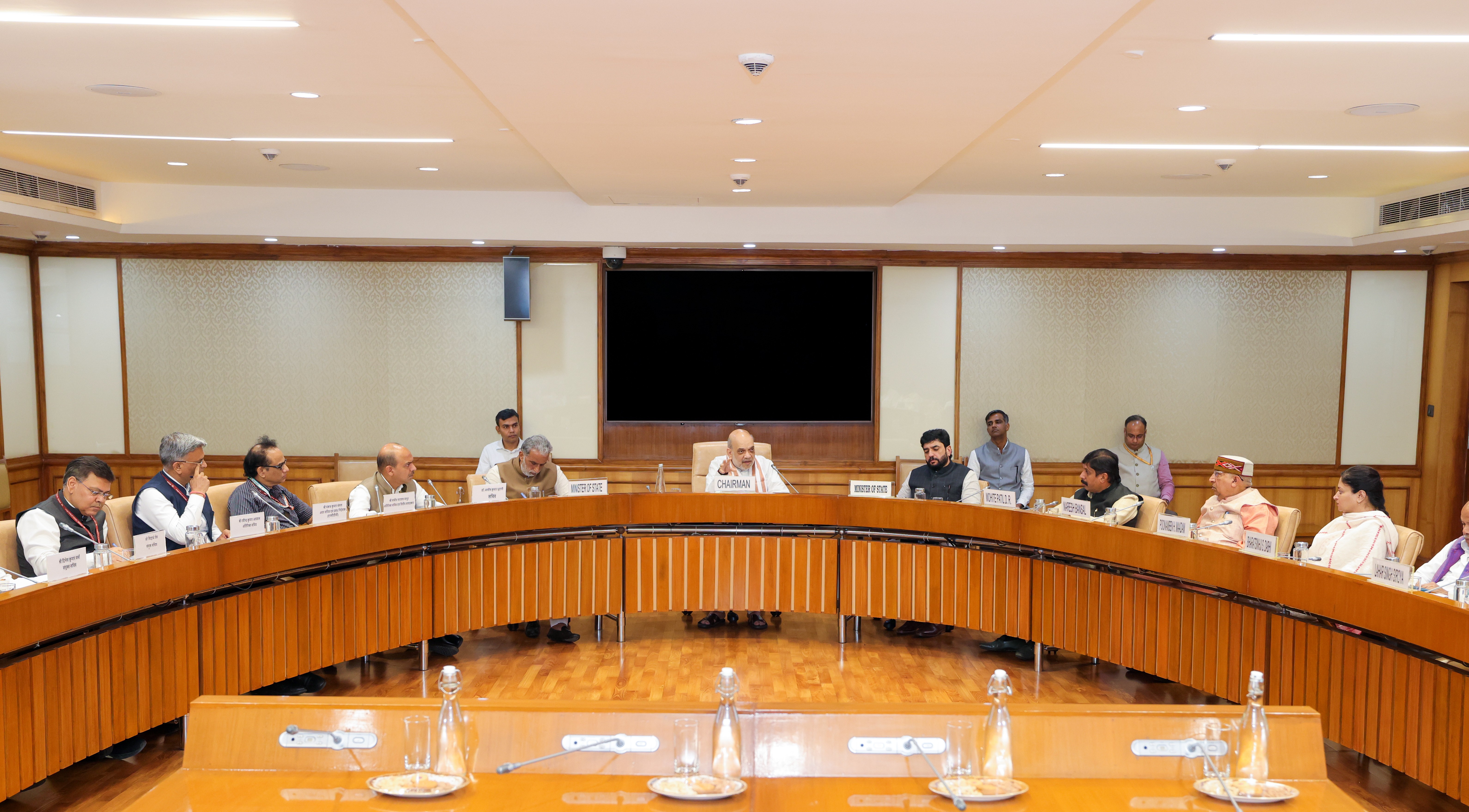
Shri Amit Shah said that the cooperative sector can open the way to prosperity for the landless and poor people. He said that three national level cooperative societies have been formed for the prosperity of the cooperative sector, agriculture and farmers. He said that the National Cooperative Organic Limited (NCOL) ensures the certification, branding, packaging and marketing of organic products of farmers so that farmers can get a good price for their produce. He said that the National Cooperative Export Limited (NCEL) provides all the facilities related to exporting the farmers’ products to the international market, whereby the full profit goes to the farmers. Shri Shah said that the Bharatiya Beej Sahkari Samiti Limited (BBSSL) works towards the conservation, storage and production of traditional seeds of India. The Union Minister of Cooperation said that the Modi government will enter into contracts with small farmers for traditional seeds so that they can also benefit out of it.
Union Minister of Cooperation asked all the members of the consultative committee to strengthen the dairy sector in their respective states to give a boost to cooperatives. He said that the Ministry of Cooperation has taken more than 100 initiatives in the last four years to strengthen Primary Agricultural Credit Societies (PACS), dairy, fisheries, cooperative banks, sugar cooperatives and cooperative governance systems. He said that the National Cooperative Policy-2025 provides a comprehensive roadmap for sustainable cooperative development in the country. This roadmap also includes coordination with Government of India schemes, such as Pradhan Mantri Matsya Sampada Yojana (PMMSY), National Dairy Development Program (NPDD) and others to strengthen the cooperative ecosystem at the grassroots level. He said that efforts are being made to increase milk procurement by 50% in the next five years under the White Revolution 2.0 led by cooperatives.

During the meeting, the Ministry of Cooperation made a presentation to the Committee on various initiatives taken in the last four years. It was informed by the ministry that institutional mechanisms such as Inter-Ministerial Committee (IMC), National Level Coordination Committee (NLCC), State Cooperative Development Committees (SCDC), and District Cooperative Development Committees (DCDC) have been set up for effective implementation and monitoring. More than 100 initiatives have been taken by the Ministry of Cooperation in the last four years to strengthen PACS, dairy, fisheries, cooperative banks, sugar cooperatives and governance systems including digital reforms, policy changes, financial support and institutional capacity building.
The Ministry of Cooperation conveyed that the Tribhuvan Sahkari University, established through a Parliamentary Act, has been declared an institution of national importance. This university will integrate and standardize cooperative education and training in India and provide skilled human resources for the cooperative sector. Under the cooperative-led White Revolution 2.0, efforts are being made to increase milk procurement by 50% over the next five years. So far, 15,691 new Dairy Cooperative Societies have been registered and 11,871 existing DCSs have been strengthened. The National Dairy Development Board (NDDB) and 25 Milk Unions across 15 states have signed MoUs to establish biogas plants in dairy cooperatives. They added that three new Multi-State Cooperative Societies have been established in the sectors of organic products, exports and seeds, with the objective of enhancing scale, quality and branding in the cooperative value chain.
The Consultative Committee put forth its suggestions to further strengthen the cooperative sector. The Ministry reaffirmed its commitment to empower cooperatives as engines of growth, equality and self-reliance in rural India.

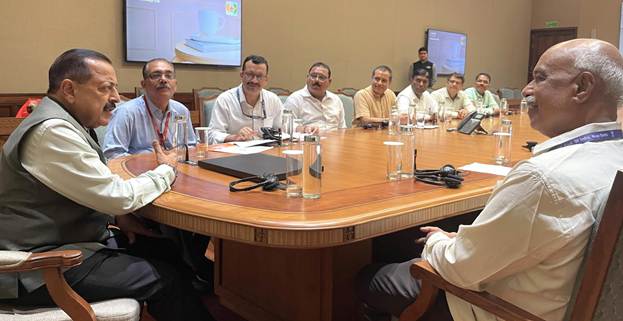
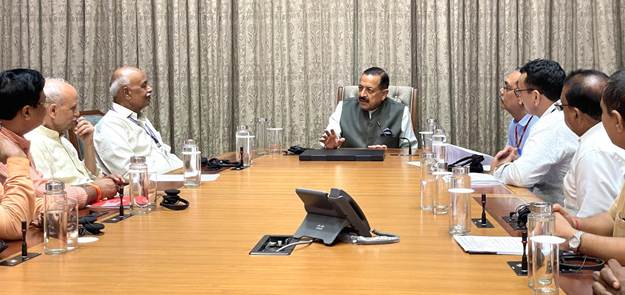
A delegation of the Government Employees National Confederation (GENC) called on Union Minister of State (Independent Charge) for Science and Technology; Earth Sciences and Minister of State for PMO, Department of Atomic Energy, Department of Space, Personnel, Public Grievances and Pensions, Dr. Jitendra Singh here today to discuss a wide range of service-related matters concerning Central Government employees.
The delegation appreciated the Government of India, under the leadership of Prime Minister Narendra Modi, for being consistently receptive to employee concerns and cooperative in addressing their suggestions. They particularly acknowledged the initiative of DoPT (Department of Personnel & Training) in clearing the backlog of promotions across different services, which has brought greater clarity and morale among staff.
The GENC members conveyed that these steps have helped boost morale among government staff and brought greater clarity to career progression frameworks.
The delegation thanked Dr. Jitendra Singh for giving them appointment for meeting from time to time and thus offering them an opportunity to present their point of view and expressed confidence in the government’s continued engagement on these issues.
The GENC representatives submitted their views on several service matters and offered inputs on key policy areas impacting government employees. Discussions focused on ensuring timely redressal of staff grievances, strengthening institutional mechanisms for consultation, and advancing employee welfare through systemic reforms.
The interaction was described as constructive, with the delegation sharing inputs on broader systemic reforms and pressing employee concerns. Matters pertaining to the 8th Pay Commission, rationalization of CGHS benefits, and clarity on UPS norms were taken up in the context of employee welfare and administrative efficiency.
Dr. Jitendra Singh, who holds multiple key portfolios including Minister of State (Independent Charge) for Science & Technology and Minister of State in the Prime Minister’s Office, was receptive to the delegation’s inputs. While no official statement was issued following the meeting, officials familiar with the discussion described it as part of the government’s ongoing effort to maintain open channels with employee bodies and institutional stakeholders.
The meeting also covered certain concerns of the employees, suggested reforms in the Central Government Health Scheme (CGHS) and cadre-related issues.
The GENC, which includes representatives from diverse sectors such as defence production, postal services, autonomous bodies, and central secretariat staff, plays a significant role in voicing concerns of lakhs of government employees. With the run-up to major administrative reviews ahead, today’s meeting assumes importance as it reflects the government’s engagement with employee perspectives in policy making.
The delegation thanked Dr. Jitendra Singh for the opportunity to present their concerns and expressed confidence in the government’s continued engagement on these issues.

Prime Minister Shri Narendra Modi laid the foundation stone and inaugurated development works worth around Rs 2,200 crore in Varanasi, Uttar Pradesh today. Addressing the gathering, Prime Minister Shri Narendra Modi expressed heartfelt sentiments on meeting families from Varanasi during the auspicious month of Sawan. Highlighting his deep emotional connection with the people of Varanasi, Shri Modi offered his respectful greetings to every family member of the city. Shri Modi also expressed satisfaction of connecting with the farmers from across the country through videoconference during the auspicious month of Sawan.
The Prime Minister stated that this was his first visit to Varanasi following Operation Sindoor. He recalled the terrorist attack in Pahalgam on 22 April, noting that 26 innocent people were brutally killed. Shri Modi further highlighted the immense pain felt by the victims’ families, especially the sorrow of the children and daughters affected by the tragedy. He remarked that his heart was deeply burdened with grief and shared that during that time, he had prayed to Baba Vishwanath to grant strength to all the bereaved families to endure their suffering. The Prime Minister affirmed that the promise he had made—to avenge the sindoor of the daughters—had been fulfilled. He emphasized that this was made possible only through the blessings of Lord Mahadev and dedicated the success of Operation Sindoor at the feet of Lord Mahadev.
Sharing that in recent days, he had been observing divine images of Shiva devotees in Varanasi carrying Gangajal, especially on the first Monday of Sawan, when the pilgrims set out to perform the sacred Jalabhishek of Baba Vishwanath. He remarked on the captivating sight of Yadav brothers carrying Gangajal from Gauri Kedarnath on their shoulders, describing it as a truly enchanting scene. The sound of the damru, the vibrant energy in the lanes,he called the atmosphere extraordinary. Shri Modi expressed his personal desire to visit Baba Vishwanath and Markandeya Mahadev during the holy month of Sawan. However, he noted that his presence could cause inconvenience to Mahadev’s devotees or disrupt their darshan, hence offering his salutations to Lord Bholenath and Maa Ganga from here only.
Recalling his visit a few days ago to the historic Gangaikonda Cholapuram temple in Tamil Nadu, a thousand-year-old monument and an ancient center of the Shaiva tradition in India, Shri Modi noted that this temple was built by the renowned king Rajendra Chola, who had brought Gangajal from North India to symbolically unite the North and South. He highlighted that a thousand years ago, through his devotion to Lord Shiva and commitment to Shaivite tradition, Rajendra Chola had proclaimed the vision of “Ek Bharat, Shreshtha Bharat.” The Prime Minister remarked that today, through initiatives like Kashi-Tamil Sangamam, that legacy is being carried forward. He shared that during his recent visit to Gangaikonda Cholapuram, he had carried Gangajal with him, and with the blessings of Maa Ganga, the puja was conducted in a deeply sacred atmosphere. He stated that such eventful occasions ignite the spirit of unity in the country, leading to success of missions like Operation Sindoor. He added that the unity of 140 crore Indians became the strength of Operation Sindoor.
Highlighting the grand celebration of the farmer festival being held in Varanasi, the Prime Minister announced that ₹21,000 crore had been transferred to the bank accounts of 10 crore farmer brothers and sisters across the country under the PM-Kisan Samman Nidhi scheme. He further informed that development projects worth over ₹2,000 crore had been inaugurated and their foundation stones laid during the event. Shri Modi remarked that, with Baba’s blessings, the uninterrupted stream of development continues to flow in Varanasi. He extended his congratulations to all present and to the farmers of the nation. The Prime Minister further mentioned that just a few days ago, Varanasi hosted the Member of Parliament Tourist Guide Competition. In the coming days, events such as the Kashi Member of Parliament Photography Competition and the Member of Parliament Employment Fair are also scheduled to take place, conveying his best wishes for the success of these initiatives. He also commended the administration for such initiatives.
Affirming that the government is consistently working towards the prosperity of farmers, Shri Modi contrasted this with previous governments, stating that even a single announcement made in the name of farmers was rarely fulfilled. He emphasized that their government delivers on its promises, citing the PM-Kisan Samman Nidhi as a testament to the government’s firm commitment.
Recalling that when the PM-Kisan Samman Nidhi was launched in 2019, Shri Modi said that some major opposition parties were spreading various rumors, while some claimed that the payments would stop after elections and few others suggested that the money being transferred would be taken back. He remarked that this reflects the true nature of the opposition, which only misleads farmers and the people of the country. Enquiring whether even a single installment had ever been stopped, the Prime Minister asserted that the PM-Kisan Samman Nidhi has continued without interruption. Till date, he mentioned that ₹3.75 lakh crore has been transferred directly into farmers’ accounts. In Uttar Pradesh alone, around 2.5 crore farmers have benefited, receiving over ₹90,000 crore under the scheme. Farmers in Varanasi have received nearly ₹900 crore, Shri Modi added. He highlighted that the most significant aspect of the scheme is that the funds have reached farmers without any deductions or commissions. He stated that this is a permanent arrangement established by his government—there will be no leakage, and the rights of the poor will not be denied.
Reiterating the development mantra, “the more backward a region, the higher the priority it receives”, Shri Modi announced that earlier this month, the Central Government approved a major new initiative—the Pradhan Mantri Dhan-Dhanya Krishi Yojana. He informed that ₹24,000 crore will be allocated for this scheme. The Prime Minister emphasized that the focus of this initiative will be on districts that were left behind due to flawed policies of previous governments—areas with low agricultural output and where farmers’ incomes remain limited. He stated that the Pradhan Mantri Dhan-Dhanya Krishi Yojana will directly benefit millions of farmers in Uttar Pradesh as well.
“Our government is working with full strength to transform the lives of farmers, increase their income, and reduce the cost of cultivation, We stand firmly with farmers from seed to market”, emphasised the Prime Minister, highlighting that to ensure water reaches the fields, irrigation schemes worth lakhs of crores of rupees are being implemented across the country.
Shri Modi acknowledged that weather has always posed a major challenge for farmers—be it excessive rainfall, hailstorms, or frost. To protect farmers from such uncertainties, the government launched the PM Fasal Bima Yojana. He informed that under this scheme, farmers have received claim settlements amounting to over ₹1.75 lakh crore so far.
Affirming that the government is committed to ensuring farmers receive fair prices for their produce, the Prime Minister stated that record increases have been made in the Minimum Support Price (MSP) of crops, including key staples like rice and wheat. To safeguard farmers’ harvests, the government is constructing thousands of new warehouses across the country, he added
Emphasising the government’s focus on increasing women’s participation in the agricultural economy, Shri Modi highlighted the “Lakhpati Didi” campaign, with a target of creating three crore Lakhpati Didis across India. He noted that over 1.5 crore women have already achieved this milestone. He also mentioned that the government’s “Drone Didi” initiative has significantly boosted the income of lakhs of women.
The Prime Minister stated that the government is actively working to bring modern agricultural research directly to the fields. He mentioned that a specially designed Viksit Krishi Sankalp Abhiyan was conducted during May and June 2025, under the guiding principle of “Lab to Land,” through which direct engagement was made with over 1.25 crore farmers. He emphasized that the benefits of Central Government schemes must continue reaching all citizens seamlessly.
Sharing an important update with the public, Shri Modi said, “Under the Jan Dhan Yojana, 55 crore bank accounts have been opened for the poor across the country”. He informed that the scheme recently completed ten years and as per regulations, bank accounts require fresh KYC verification after ten years. He added that to fulfill this requirement, a nationwide campaign has been launched from 1st July 2025. The Prime Minister said that banks were reaching every gram panchayat, and camps have already been set up in nearly one lakh gram panchayats, while lakhs of people have successfully completed their KYC renewal. The Prime Minister urged every individual who holds a Jan Dhan account to ensure they complete their KYC process without delay.
Underlining an additional benefit of the special bank camps being organized in gram panchayats, Shri Modi stated that these camps are facilitating registrations for several key schemes, including the Pradhan Mantri Suraksha Bima Yojana, Pradhan Mantri Jeevan Jyoti Bima Yojana, and Atal Pension Yojana. He emphasized that these schemes offer significant support to citizens and urged everyone to visit these camps. He encouraged those who have not yet enrolled in these schemes to register and also complete the KYC process for their Jan Dhan accounts. The Prime Minister called upon all public representatives of their party to actively raise awareness about this campaign, assist banks in their outreach efforts, and ensure maximum participation from the public.
The Prime Minister remarked that today, in the city of Mahadev, numerous initiatives for development and public welfare have been undertaken. He reflected on the meaning of Shiva, stating that Shiva signifies “welfare,” but also embodies the fierce Rudra form when confronted with terror and injustice. Shri Modi asserted that during Operation Sindoor, the world witnessed this Rudra form of India, declaring, “anyone who attacks India will not be spared, even in the depths of the underworld”. The Prime Minister expressed regret that despite the success of Operation Sindoor, some individuals within the country are troubled by it. He specifically pointed to the opposition and its allies, stating that they are unable to digest the fact that India destroyed terrorist bases in Pakistan. Shri Modi referred to visuals showing how Indian drones precisely targeted and reduced terrorist headquarters to ruins, adding that several Pakistani air bases remain in critical condition. The Prime Minister criticized the opposition party leaders, saying that while the masterminds of terror mourn on one side, these parties also mourn the condition of the terrorists on the other.
Strongly criticizing the opposition for repeatedly insulting the valor of India’s armed forces, Shri Modi stated that the opposition referred to Operation Sindoor as a “Tamasha” and questioned whether sindoor—the symbol of dignity and sacrifice—could ever be considered a spectacle. He asked whether the bravery of the armed forces and the fulfillment of a vow to avenge the sindoor of sisters could be trivialized in such a manner.
The Prime Minister further condemned the opposition for engaging in vote-bank and appeasement politics. He cited statements made by opposition leaders in Parliament, questioning why the terrorists in Pahalgam were eliminated promptly. Shri Modi asked whether India should wait before acting against terrorists. He reminded the public that these are the same individuals who, during their tenure in Uttar Pradesh, gave clean chits to terrorists and withdrew cases against those involved in bomb blasts. He remarked that now these parties are troubled by the elimination of terrorists and by the very name of Operation Sindoor. From the sacred soil of Varanasi, the Prime Minister declared that this is a new India—one that worships Lord Bholenath and also knows how to become Kaal Bhairav in the face of the nation’s enemies.
“During Operation Sindoor, the world witnessed the power of India’s indigenous weaponry and the effectiveness of India’s air defense systems, indigenous missiles, and drones, which demonstrated the strength of an Atmanirbhar Bharat”, said the Prime Minister. He specifically emphasized the impact of India’s BrahMos missiles, noting that their presence has instilled fear in every enemy of the nation.
As a Member of Parliament from Uttar Pradesh, Shri Modi expressed pride that BrahMos missiles will soon be manufactured in the state. He announced that production of BrahMos missiles is beginning in Lucknow, and several major defense companies are setting up plants in the Uttar Pradesh Defence Corridor. He affirmed that in the coming years, weapons manufactured in Uttar Pradesh will become a vital part of India’s military strength. The Prime Minister asked the public whether they feel proud of this achievement. He declared that if Pakistan commits another misdeed, missiles made in Uttar Pradesh will destroy the terrorists.
Underscoring that Uttar Pradesh is undergoing rapid industrial development, attracting major national and international companies to invest in the state, Shri Modi credited the development-oriented policies of their government for this transformation. He contrasted the current scenario with the previous regime, where criminals operated fearlessly and investors were hesitant to enter the state. He emphasized that under Chief Minister Yogi Adityanath’s leadership, criminals are now fearful, and investors are expressing confidence in Uttar Pradesh’s future. The Prime Minister congratulated the Uttar Pradesh government for this pace of development, expressing satisfaction that the grand campaign of development in Varanasi continues unabated.
Outlining several projects launched today, including a new rail overbridge, initiatives under the Jal Jeevan Mission, reconstruction of schools in Varanasi, construction of a homeopathic college, and efforts to preserve the legacy of Munshi Premchand, Shri Modi stated that these projects will accelerate the creation of a grand, divine, and prosperous Varanasi. He remarked that visiting Sevapuri is a matter of fortune, describing it as the threshold of Maa Kalka Devi. He offered his salutations at her feet and expressed happiness that the government has beautified Maa Kalka Dham, making it more magnificent and improving access to the temple. The Prime Minister recalled Sevapuri’s revolutionary history, noting its significant contribution to the freedom struggle. He highlighted that this is the very Sevapuri where Mahatma Gandhi’s vision came to life, with spinning wheels in the hands of men and women in every household. Shri Modi also pointed out a meaningful coincidence: through projects like the Chandpur–Bhadohi Road, the weavers of Varanasi are now being connected with those of Bhadohi. This, he said, will benefit both the artisans of Banarasi silk and the craftsmen of Bhadohi.
“Varanasi is a city of intellectuals”, exclaimed Shri Modi, while discussing economic progress, drawing attention to the prevailing global conditions. He highlighted that the global economy is currently facing multiple uncertainties and an atmosphere of instability. In such a scenario, nations across the world are focusing on their own interests. The Prime Minister stated that India is on the path to becoming the world’s third-largest economy. Therefore, he added, India must remain vigilant about its economic interests. He emphasized that the welfare of farmers and small industries is paramount and the government is making every possible effort in this direction.
Underscoring that citizens also have certain responsibilities, the Prime Minister urged everyone to take a pledge for Swadeshi. He defined Swadeshi as anything made with the sweat and effort of an Indian, calling upon the nation to adopt the mantra of “Vocal for Local.” The Prime Minister urged citizens to pledge to promote “Make in India” products. He stated that every new item entering our homes must be Swadeshi, and this responsibility must be embraced by every Indian. Shri Modi appealed to every trader and shopkeeper to take a vow to sell only Swadeshi products, affirming that this would be true service to the nation. He urged the people to use Swadeshi products in the upcoming festival season and added that this would be a true tribute to Mahatma Gandhi.
The Prime Minister concluded by emphasising that the dream of a developed India will be fulfilled only through collective effort. He once again extended congratulations for the development works inaugurated today.
The Chief Minister of Uttar Pradesh, Shri Yogi Adityanath was present among other dignitaries at the event. Union Minister Shri Shivraj Singh Chouhan along with Governors, Chief Ministers, Union and State ministers along with other dignitaries joined the event via videoconferencing.
Background
The projects cater to multiple sectors, including infrastructure, education, healthcare, tourism, urban development and cultural heritage aim at achieving holistic urban transformation, cultural rejuvenation, improved connectivity, and enhanced quality of life in Varanasi.
In line with his commitment to improve road connectivity in Varanasi, Prime Minister inaugurated and laid the foundation stone of several key infrastructure projects. He will inaugurate the widening and strengthening of the Varanasi – Bhadohi road and Chhitauni- Shool Tankeshwar road; and Railway Overbridge at Hardattpur, to ease congestion on the Mohan Sarai – Adalpura Road. He laid the foundation stone for comprehensive road widening and strengthening across multiple rural and urban corridors, including Dalmandi, Lahartara-Kotwa, Gangapur, Babatpur among others and Railway Overbridges at Level Crossing 22C and Khalispur Yard.
Strengthening the power infrastructure in the region, Prime Minister laid the foundation stone of various works under the Smart Distribution Project and undergrounding of electrical infrastructure worth over Rs 880 crore.
In a major boost to tourism, Prime Minister inaugurated the redevelopment of 8 riverfront Kuccha Ghats, development works at Kalika Dham, beautification of the pond and ghat at Rangildas Kutiya, Shivpur, and the restoration and water purification of Durgakund. He laid the foundation stone for restoration work at Kardameshwar Mahadev Temple; development of Karkhiyaon, the birthplace of several freedom fighters; City Facility Centres at Sarnath, Rishi Mandvi, and Ramnagar Zones; redevelopment of Munshi Premchand’s ancestral house in Lamahi and upgradation of museum among others. He also laid the foundation stone for development of an Urban Miyawaki Forest at Kanchanpur and for the redevelopment and beautification of Shaheed Udyan and 21 other parks.
In addition, to preserve culturally significant water bodies, Prime Minister laid the foundation stone for water purification and maintenance works at various kunds including Ramkund, Mandakini, Shankuldhara and others, along with the installation of four floating pujan platforms. To ensure access to potable water in rural areas, Prime Minister also inaugurated 47 Rural Drinking Water Schemes under the Jal Jeevan Mission.
Furthering his vision of quality education for all, Prime Minister inaugurated the upgradation of 53 school buildings within the municipal boundary. He also laid the foundation stone for several educational projects, including the construction of a new district library and rejuvenation of Government High Schools at Jakhini, Lalpur among others.
In a major boost to health infrastructure, Prime Minister inaugurated advanced medical equipment installations, including robotic surgery and CT scan facilities, at Mahamana Pandit Madan Mohan Malaviya Cancer Centre and Homi Bhabha Cancer Hospital. He also laid the foundation stone of a Homoeopathic College and Hospital. Further, he inaugurated an Animal Birth Control Centre and associated Dog Care Centre.
Furthering his vision for world class sports infrastructure in Varanasi, Prime Minister inaugurated a synthetic hockey turf at Dr. Bhimrao Ambedkar Sports Stadium. Enhancing facilities for law enforcement personnel, Prime Minister inaugurated a 300-capacity Multipurpose Hall at Pradeshik Armed Constabulary (PAC) Ramnagar and laid the foundation stone for Quick Response Team (QRT) Barracks.
In a significant step towards farmer welfare, Prime Minister released the 20th instalment of PM-KISAN. An amount of more than Rs 20,500 crore will be transferred directly to the bank accounts of over 9.7 crore farmers across the country. With this release, the total disbursement under the scheme since its inception will surpass Rs 3.90 lakh crore.
Prime Minister also inaugurated the registration portal for various events and competitions under the Kashi Sansad Pratiyogita, including Sketching Competition, Painting Competition, Photography Competition, Khel-Kood Pratiyogita, Gyan Pratiyogita, and the Rojgar Mela. Prime Minister also distributed more than 7,400 assistive aids to various Divyangjan and Elderly beneficiaries.

“Under the visionary leadership of Hon’ble Prime Minister Shri Narendra Modi ji, the government of India is continuously streamlining organ donation and transplant so that more and more citizens can benefit from it. We are committed to improving the infrastructure and availability of trained manpower to ensure timely and smooth movement of organs between cities and stated and successful organ transplants”, this was stated by Shri Jagat Prakash Nadda,
Union Minister for Health & Family Welfare and Chemicals & Fertilizers, on the occasion of the 15th Indian Organ Donation Day organized by the National Organ and Tissue Transplant Organization (NOTTO) under the aegis of Directorate General of Health Services, Ministry of Health and Family Welfare, Government of India, at Dr. Ambedkar International Centre, here today. The event was also attended by Smt. Nivedita Shukla Verma, Acting Secretary, Health & Family Welfare and Dr. Sunita Sharma, Director General of Health Services.
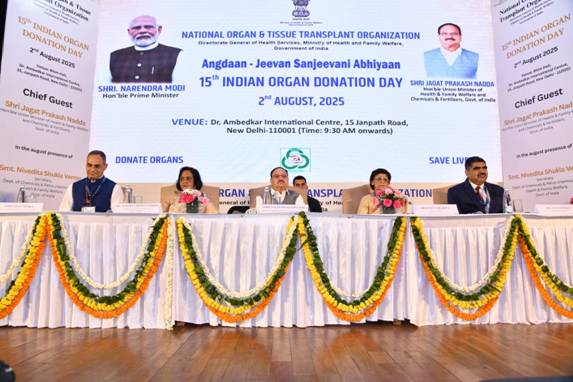
The 15th edition of Indian Organ Donation Day was held under the year-long national campaign “Angdaan- Jeevan Sanjeevani Abhiyan“, which seeks to promote organ and tissue donation across the country. The campaign emphasizes the need for increased public participation, dispelling myths and misconceptions, and motivating citizens to pledge for organ donation. The event aimed at raising awareness about the critical importance of organ donation and to honor the selfless donors and their families who have given the gift of life.
Addressing the gathering, Shri Nadda stated that “today is a day that celebrates the spirit of giving compassion, hope and triumph of life over the loss. Organ donation is one of the noblest acts of humanity. In a world where medical science has made incredible progress, the gift of an organ is one of the most profound contributions one can make for someone else.”
Underlining the importance of organ donation, Shri Nadda stated that “there is an alarming rise in the cases of organ failures posing a serious threat to public health and increasing strain on the healthcare system. Every year thousands of people wait for organ transplants. Despite the urgent need there remains a significant gap between the number of patients waiting for transplants and the number of available donors.” “This gap is not due to lack of willingness but often due to lack of awareness and hesitation rooted in the myths and misconceptions. That’s why today is an important day which gives us a platform to spread awareness, encourage conversation and honor the donors and their families”, he further added.
Highlighting the strides made by India in the direction of organ donation, Shri Nadda stated that “since the launch of Aadhar based NOTTO online pledge website in 2023, more than 3.30 lakh citizens have pledged their organs to donate, marking a historic moment in public participation. This surge in pledge registration reflects a growing awareness and dedication amongst the citizens towards this shared goal.” He further added that “due to the unwavering dedication of our transplant professionals, India achieved a remarkable milestone of performing over 18,900 organ transplants in 2024, the highest ever recorded in a single year. This is a significant leap from fewer than 5,000 transplants in 2013. India ranks third globally in the total number of organ transplants, behind only the United States of America and China.
Shri Nadda also highlighted that “India leads the world in hand transplants showcasing our cutting-edge surgical capabilities and the unwavering dedication of our medical professionals.”
Shri Nadda addressed the issue of gap between requirement of organs and available donors and emphasized the need for greater awareness, more public dialogues, timely consent from families and robust system to support diseased donation. He stated that “Each organ donor is a silent hero, someone whose selfless act transforms grief into hope and loss into lives. One person can save up to 8 lives by donating heart, lungs, liver, kidneys, pancreas and intestines. Additionally, countless more lives can be transformed through tissue donations.”
Underlining the Government’s efforts for organ transplantation, Shri Nadda stated that “to make organ transplant more accessible, financial support of up to ₹15 lakh is provided to poor patients for transplantation of kidneys, liver, heart and lungs under the Rashtriya Arogya Nidhi. Poor patients are provided support of up to ₹10,000 per month after transplant to cover the medical expenses. Kidney transplant package has also been included in Ayushman Bharat Pradhan Mantri- Jan Arogya Yojana (AB PM-JAY).”
Shri Nadda emphasized that “unhealthy lifestyle and food habits are among the major factors leading to organ failure. It is therefore necessary to take preventive measures and lifestyle interventions.” Urging all to adopt Yoga to promote overall wellbeing, he stated that “Ayurveda and Yoga offer simple practices to strengthen our organs and boost immunity. We must adopt Yoga to promote overall wellbeing.”
Shri Nadda further added that “the Hon’ble Prime Minister has time and again encouraged us for taking proactive steps towards better health. One such powerful message he has given is the call to reduce the consumption of oil by 10 percent, a simple yet impactful step towards building a healthier disease-free future. He urged “to take this small but meaningful action as this is not just about cutting down the oil consumption, but also about making conscious choice to protect our health, prevent lifestyle related diseases and improve our overall well-being.”
Shri Nadda extended his gratitude to the donor families for their courage, compassion and sacrifice and commended the doctors, coordinators, nurses and NGOs and other stakeholders for their “unwavering dedication that makes the second chance at life possible.” He also acknowledged the work done by States and Union Territories for augmenting organ donation and transplants and urged to learn from best practices implemented by the different states. He gave a clarion call “to make organ donation a jan andolan, a people’s movement that reflects the essence of Vasudhaiva Kutumbkam, which means the world is one family.”
Smt. Nivedita Shukla Verma expressed heartfelt gratitude to organ donors and their families for their life-saving contributions. Marking India’s Organ Donation Day, she recalled the 1994 Transplantation of Human Organs Act and the first heart transplant at AIIMS, events that shaped the country’s organ donation efforts. She also acknowledged the vital role of states, hospitals, and healthcare professionals in this cause.
Smt. Verma highlighted the global challenge of organ shortage, noting that India’s organ donation rate remains under 1% relative to the population. Over 63,000 individuals currently need kidney transplants, and around 22,000 liver transplants. Despite this, awareness is growing, especially after Prime Minister addressed the issue in Mann Ki Baat. She also emphasized the need for timely organ donations from accident victims and those who suffer from heart strokes. In response, the government is working to promote organ donation in every village and household, with increasing public participation.
The Smt. Verma emphasized the government’s continued efforts to strengthen the transplantation ecosystem through NOTTO, which now has over 3.3 lakh registered donors. Key priorities include upgrading infrastructure, improving coordination and service delivery, and building skilled manpower through ongoing training. She urged the states to fully utilize central government support, with a focus on better data management and monitoring on NOTTO website to scale up organ donation efforts. She outlined three key areas for progress: identifying more potential donors, expanding infrastructure, and developing human resources stressing that awareness and timeliness are essential to saving lives through ethical organ donation.
Speaking at the occasion, Dr. Sunita Sharma commended the donor families calling them the “the real heroes” and thanked them “for their invaluable contribution to this noble cause.” She acknowledged the various steps that are being taken to promote organ donation and improve transplantation efforts across different states. She emphasized that “to truly make a difference, all stakeholders need to work together to bridge the gap between the demand for organs and their availability.”
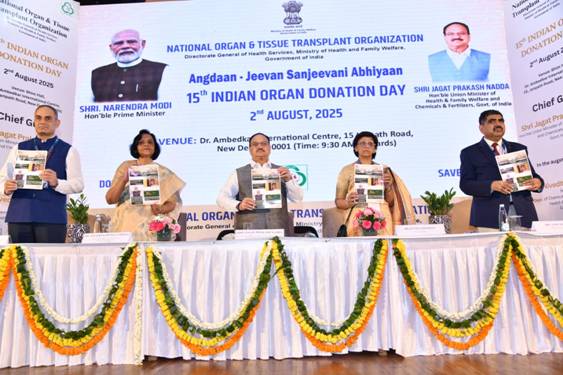
The Annual Report 2024-2025 of NOTTO, the e-newsletter of NOTTO, the Awareness booklet for the general public and students, the booklet on Promotion of Organ Health through Ayurveda and Yoga, and the booklet on Best Practices of States in Organ Donation and Transplantation were released during the event. In addition, 10 donor families and 4 recipients were felicitated, along with the winners of the ROTTO Transplant Games.
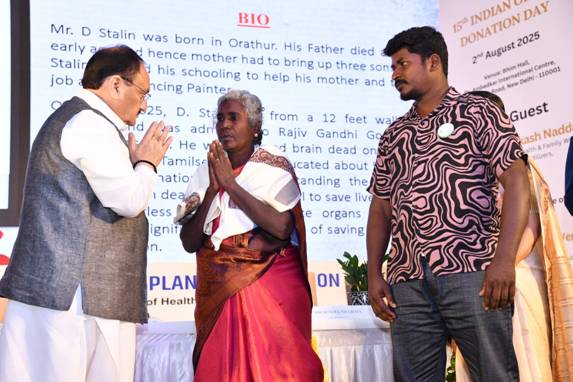
Awards were presented to honour outstanding contributions in organ donation and transplantation across multiple categories, including Best ROTTO, State and UT recognitions, institutional excellence, and individual achievements. ROTTO North was named Best ROTTO Region, while Tamil Nadu won Best State, Puducherry was awarded Best Union Territory, and Manipur received Best Northeast State. Odisha, Punjab, and Rajasthan were recognized as Emerging States, with Rajasthan, Karnataka, and Gujarat receiving awards for Promotion of Organ Donation. Telangana had the Highest Deceased Organ Donation Rate.
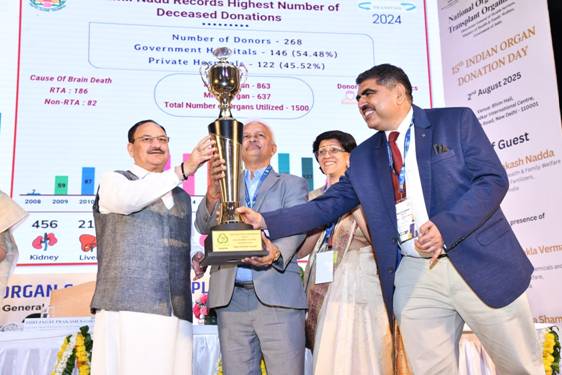
Among institutions, Civil Hospital, Surat was awarded Best NOTTO-RC, and KDRC-ITS, Gujarat was named Best Government Hospital in Transplantation. AIIMS Nagpur was recognized as an Emerging Institution, while the National Eye Bank at AIIMS Delhi was honored for pioneering work in Eye Banking. The Best Brain Stem Death Certifying Team award went to Madras Medical College & Rajiv Gandhi Government General Hospital, Tamil Nadu, with special recognition for Dr. Raghavendran R. and Dr. Gomathi Karmegam from ROTO South.
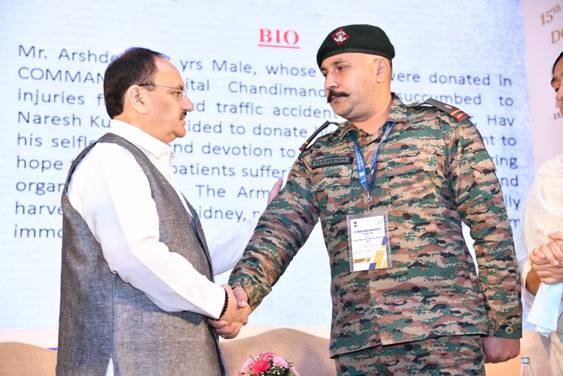
An organ donation pledge was also undertaken to encourage commitment to organ donation among attendees.
Shri Vijay Nehra, Joint Secretary, MoHFW, Anil Kumar, Director, NOTTO, senior officers from the Ministry, medical professionals, donor families, transplant recipients, and other key stakeholders were also present at occasion.
Background: India has made significant progress in the field of organ and tissue transplantation, with increasing public awareness and improved infrastructure. However, the demand for organs far exceeds the availability, and thousands of patients continue to wait for life-saving transplants. The Government, through NOTTO, remains committed to strengthening the organ donation ecosystem in the country. As part of the national campaign “Angdaan- Jeevan Sanjeevani Abhiyan, Organ Donation Month was observed from 1st to 31st July, 2025 various awareness activities such as webinars and setting up of pledging and information kiosks etc. were organized nationwide.

On the auspicious occasion of release of 20th instalment of Pradhan Mantri Kisan Samman Nidhi (PM-KISAN) Yojana, Union Agriculture & Farmers Welfare Minister Shivraj Singh Chouhan addressed a mammoth gathering of farmers, officials and dignitaries in Patna, Bihar. Bihar Deputy Chief Minister Shri Vijay Sinha, Cooperative Minister Shri Prem Kumar and other distinguished officials were present at the event, organised in the holy month of Sawan.
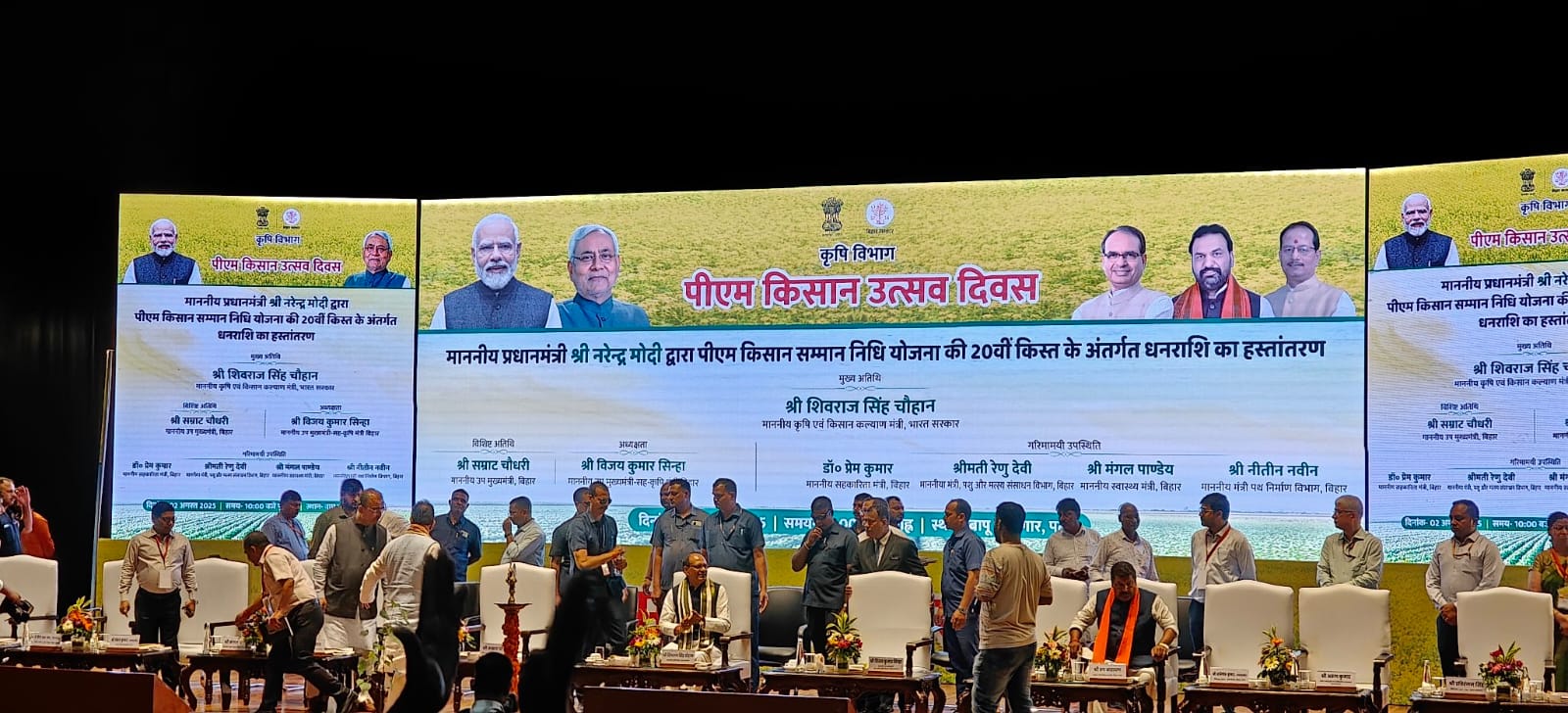
In his address, Shri Chouhan felicitated farmers, especially the females present in large numbers, and appreciated their hard work and contributions. He said that agriculture is the backbone of Indian economy and farmers are its soul. Serving these farmers is our ultimate responsibility.
Referring to the rich cultural and agricultural heritage of Bihar, Shri Chouhan spoke of the glory of this land, sanctified by the penance of Lord Buddha and the blessings of Maa Ganga. He praised the hardworking people of Bihar, whose contribution is appreciated globally.
Appreciating Bihar’s tradition of knowledge and industriousness, he said, “The legacy of knowledge and industriousness of this state is incomparable. The land witnessed Mahatma Gandhi’s Champaran Satyagraha, which gave a new direction to India’s freedom struggle.”
The Union Minister reiterated Prime Minister Shri Narendra Modi’s resolve to make farming profitable. Over Rs. 3,77,000 crore has been transferred directly to the accounts of farmers under the PM-Kisan scheme so far. On this occasion, over Rs. 20,000 crore was deposited in the accounts of farmers, providing financial assistance to lakhs of farmer families across the country.
Shri Chouhan emphasized on efforts like Pradhan Mantri Dhan Dhanya Yojana to increase agricultural productivity per hectare, especially in low productivity areas. He highlighted the significant contribution of Makhana production in Bihar and the continuous efforts to connect agricultural science with the farms.
The Union Minister assured timely and adequate availability of fertilizers and pesticides. He also informed about the efforts under various schemes to provide compensation in case of crop failure. He said that now the crops are procured at Minimum Support Price (MSP), to which 50 per cent profit is added on the production cost. This reflects the farmer-centric approach of the government.
Shri Chouhan reiterated that under the leadership of Prime Minister Shri Narendra Modi welfare of farmers is our top priority.
Highlighting the measures for farmers’ welfare, under the leadership of Prime Minister Narendra Modi, Mr Chouhan said that with the help of DBT (Direct Benefit Transfer) the government is ensuring that the assistance reaches directly into the accounts of the farmers. He said, “Earlier, farmers used to get only few pennies of Rs. 1 sent by the government , but now they receive whole amount without any leakage.”
The programme concluded with a resolve to empower farmers and strengthen India’s agriculture sector.

As India prepares to celebrate its 79th Independence Day, Prime Minister Shri Narendra Modi today extended an invitation to all citizens to contribute their thoughts and ideas for his address from the ramparts of the Red Fort on August 15.
In a message shared on X, the Prime Minister said:
“As we approach this year’s Independence Day, I look forward to hearing from my fellow Indians!
What themes or ideas would you like to see reflected in this year’s Independence Day speech?
Share your thoughts on the Open Forums on MyGov and the NaMo App…

The Chief Minister of Chhattisgarh, Shri Vishnu Deo Sai met the Prime Minister, Shri Narendra Modi in New Delhi today.
The PMO India handle posted on X:
“CM of Chhattisgarh, Shri @vishnudsai met Prime Minister @narendramodi.
@ChhattisgarhCMO”

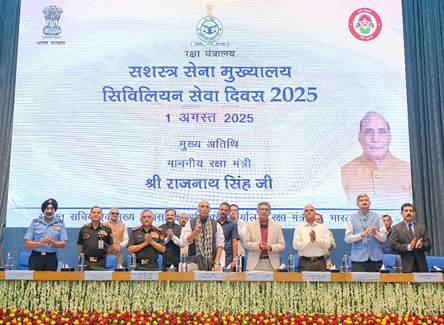
To bolster the security structure and safeguard national interests in today’s uncertain times, Raksha Mantri Shri Rajnath Singh has called for enhancing the synergy between civil and military personnel, terming the exceptional back-end support provided by different departments of Ministry of Defence (MoD) to the Armed Forces as key to Operation Sindoor’s success. He was addressing the 84th Armed Forces Headquarters (AFHQ) Civilian Services Day event at DRDO Bhawan, New Delhi on August 01, 2025.
Raksha Mantri asserted that a war is fought not just by the military, but the entire country, and in today’s rapidly-changing security scenario, there is a need to move ahead with dynamism and innovative spirit while making constant improvements according to the evolving needs. “We cannot leave scope for even the slightest negligence or mistake,” he added.
Emphasising that a robust administrative system is integral for a strong military power, Shri Rajnath Singh commended the AFHQ Civilian Services for playing an important role in strengthening the country’s security system during war as well as peace time. “AFHQ Services acts as an institutional memory for the Ministry of Defence (MoD). It provides consistency, domain expertise and uniformity in the administration, while playing a key role in policy continuity and establishing civil-military synergy. It is a strong pillar of a modern and integrated national defence system,” he added.
Raksha Mantri laid stress on capacity development, urging the AFHQ officials to assess and embrace the best practices being adopted by their counterparts in other Ministries and countries in the fields of training and capability enhancement. “Emerging technologies, new challenges and changing global scenario indicate that training should not be just a formal process, but a continuous cycle of development. Skill upgradation, ethical orientation and behavioural excellence need to be added as integral parts of training,” he said.
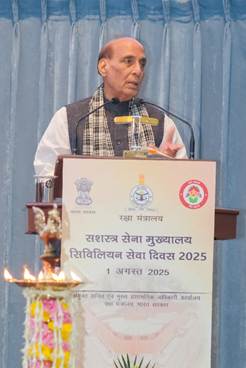
Shri Rajnath Singh added that training components must not be limited to technical proficiency, but also include value orientation, which can connect actions with national interests. This would make AFHQ a value-based institution along with an administrative structure, he said.
As part of the event, Raksha Mantri launched a redeveloped website of Office of Joint Secretary & Chief Administrative Officer (www.caomod.gov.in), which will provide all relevant information about the office to the employees and general public. The employees would be able to get the latest orders and updates such as promotion, transfer, status of medical allowance, salary slips and Form-16 etc. Through the website, the employees can also apply for various training courses and workshops of Defence Headquarters Training Institute.
Shri Rajnath Singh also released a book ‘Viksit Bharat@2047: Karmikon Ke Vichar’ and a magazine ‘Samvad’. The ‘Viksit Bharat@2047’ book comprises 40 articles written by employees of various ranks posted in Service Headquarters and Inter Service Organisations. The articles are on various topics related to Viksit Bharat such as digitisation, New Education Policy 2020, Artificial Intelligence, Aatmanirbharta in defence, Green Energy, and Poverty Alleviation. The 32nd issue of the ‘Samvad’ magazine contains travelogues, essays, articles, poems etc by the employees.
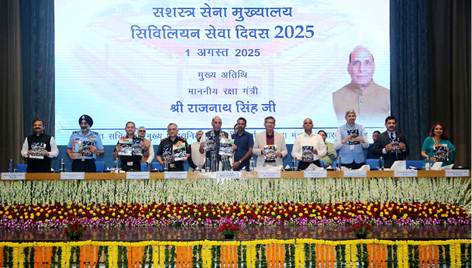
Raksha Mantri also presented awards to AFHQ personnel for their achievements in various fields such as sports, and some of the children of the employees who excelled in academics.
Chief of Defence Staff General Anil Chauhan, Chief of the Army Staff General Upendra Dwivedi, Chief of the Air Staff Air Chief Marshal AP Singh, Defence Secretary Shri Rajesh Kumar Singh, Secretary (Ex-servicemen Welfare) Dr Niten Chandra, Secretary, Department of Defence R&D and Chairman DRDO Dr Samir V Kamat and Financial Advisor (Defence Services) Dr Mayank Sharma and other senior officials of MoD were present on the occasion.
AFHQ Day is celebrated on 1st August in recognition of the role of civilian personnel functioning shoulder-to-shoulder with the Service personnel, primarily in the three Integrated Service Headquarters, HQ IDS and 24 Inter-Service Organisations of MoD. The purpose of observing AFHQ Day is to foster esprit de corps of the civilian employees of AFHQ cadres who play the role of a bridge between Service Headquarters and MoD.

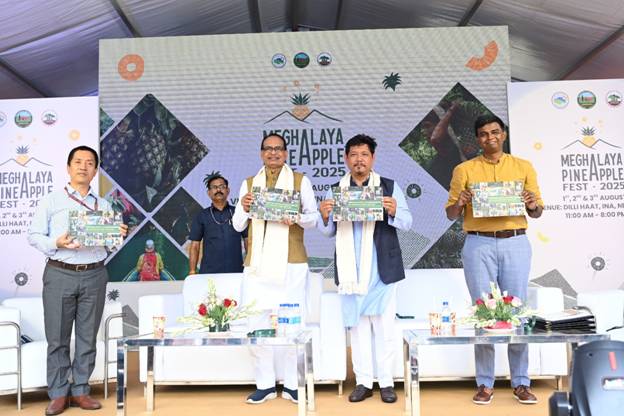
Union Minister for Agriculture & Farmers Welfare and Rural Development Shri Shivraj Singh Chouhan attended the ‘Meghalaya Pineapple Festival-2025’ in New Delhi today. On this occasion, Chief Minister of Meghalaya Shri Conrad K. Sangma and senior officials of the Centre and the State were also present.
The event started with the exchange of various Memorandums of Understanding (MoUs) on pineapple. Thereafter, the Union Minister released a booklet on ‘Meghalaya’s progress in agriculture sector’.
Speaking on the occasion, Union Agriculture Minister Shri Shivraj Singh said that pineapples from Meghalaya are distinct in terms of taste and quality. He lauded the farmers and people of Meghalaya for their hard work and sincerity. Agricultural products including fruits, spices, turmeric, ginger, coffee, tea, jackfruit and mushroom of the state are of world class quality. Most of them are organic and need urgent promotion at global stage.
The Union Minister said that the Central Government will work in collaboration with the Chief Minister and senior officials of the state for exporting products from North East region outside the state and abroad. Private sector can also play a key role in this regard. It’s really heartening to see that the state government is giving thrust into it via MoUs.
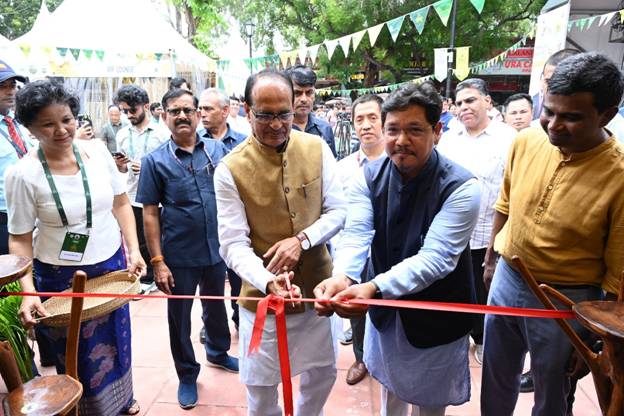
Shri Chauhan further said that our Prime Minister is committed to the development of the North-East region. The Central Government will provide full support to Meghalaya for development works including agriculture.
The Union Agriculture Minister informed that he will soon visit Meghalaya again with a team of scientists. He said that when he visited the state during the ‘Vikasit Krishi Sankalp Abhiyan’, the farmers had highlighted several problems and challenges related to agriculture. Farmers had demanded appropriate solutions for increasing the ‘shelf life’ of agricultural products. In this regard, necessary instructions have been given to the scientists of the Indian Council of Agricultural Research. Concrete measures will soon be available and researches are on.
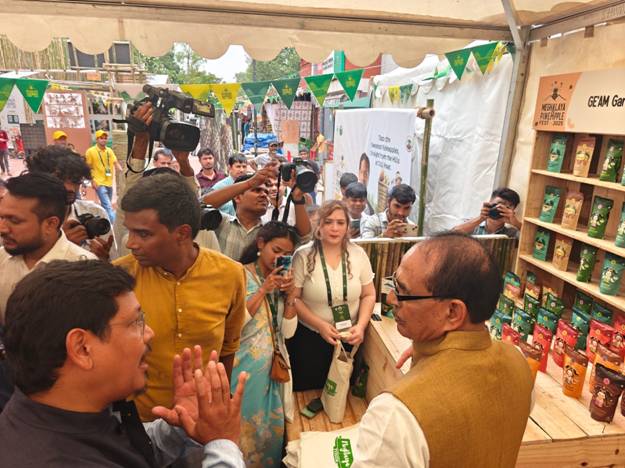
The Union Minister said that processing of agricultural products is necessary and serious attempts are being made for establishing relevant processing units. The state government has also moved a proposal of ‘air lifting’ of agricultural products and it has been taken sincerely. The option of transporting these products via train will also be worked upon. Efforts will also be made to increase the production of pineapple per hectare. A requisite roadmap for the development of agriculture in Meghalaya will be prepared in collaboration with the state government.
Concluding his address, the Union Agriculture Minister called upon youth to establish agriculture startups. He also appealed to the countrymen to make maximum use of Meghalaya’s products. “Our products are the best in the world, we shouldn’t hesitate in using them,” he observed.