Prime Minister congratulates Tarique Rahman on Bangladesh election victory

| Published on:

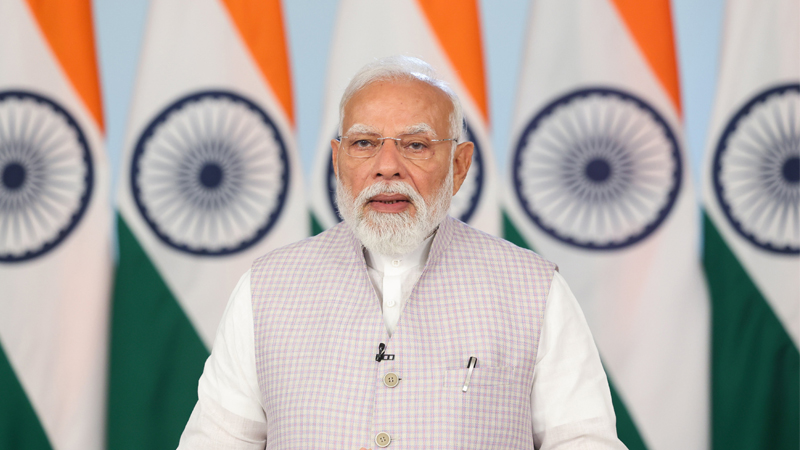
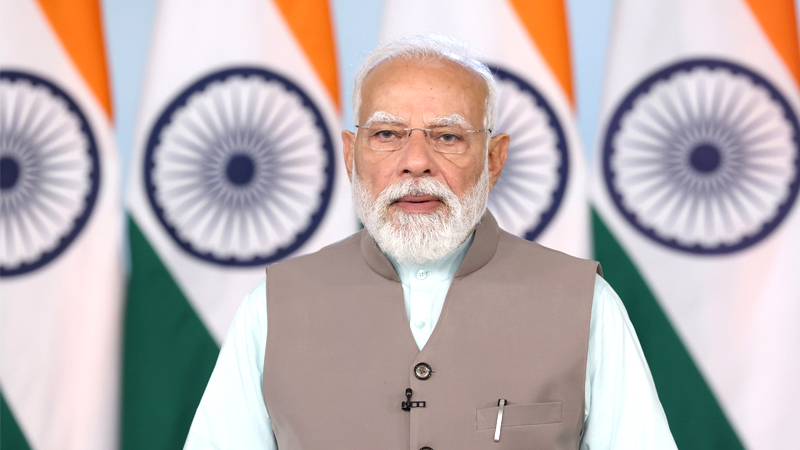
The Prime Minister, Shri Narendra Modi, spoke with Tarique Rahman and congratulated him on the remarkable victory in the Bangladesh elections.

During the conversation, the Prime Minister conveyed his best wishes and support to Mr. Rahman in his endeavour to fulfil the aspirations of the people of Bangladesh.

Highlighting the close and friendly relations between the two nations, the Prime Minister noted that India and Bangladesh are close neighbours bound by deep-rooted historical and cultural ties. He reaffirmed India’s continued commitment to the peace, progress and prosperity of both countries and their peoples.

The Prime Minister posted on X;

“Delighted to speak with Mr. Tarique Rahman. I congratulated him on the remarkable victory in the Bangladesh elections.

I conveyed my best wishes and support in his endeavour to fulfil the aspirations of the people of Bangladesh.

As two close neighbours with deep-rooted historical and cultural ties, I reaffirmed India’s continued commitment to the peace, progress, and prosperity of both our peoples.

@trahmanbnp”

India No Longer a Late Starter in Biotech: Dr Jitendra Singh

| Published on:

Union Minister Dr Jitendra Singh today announced the first national call for the BIRAC–RDI Fund, marking a major push to scale high-impact biotechnology innovations under the Government of India’s ₹1 lakh crore Research, Development, and Innovation (RDI) initiative. Union Minister of State (Independent Charge) for Science & Technology, Earth Sciences; and MoS PMO, Personnel, Public Grievances, Pensions, Atomic Energy and Space, Dr. Jitendra Singh said the launch reflects a decisive shift in India’s approach to science-led growth and signals that the country is no longer a late entrant but an early mover in emerging technologies.

The launch event was attended by Dr. Vinod Paul, Member, NITI Aayog; Dr. Rajesh S. Gokhale, Secretary, Department of Biotechnology; Dr. Jitendra Kumar, Managing Director, BIRAC; senior officials from DST and ANRF, industry leaders, venture capital representatives, and members of the scientific community.

Dr. Jitendra Singh said that over the past decade, India has moved from policy hesitation to policy acceleration in biotechnology. He said the transformation is visible in the expansion of the startup ecosystem, from around 50 biotech startups in 2014 to more than 11,000 today, reflecting what he described as a quantum jump in scale and ambition. The bioeconomy, which stood at about 8 billion dollars in 2014, has expanded rapidly, placing India among leading global players.

He said biotechnology will drive the next phase of industrial growth, much like information technology shaped India’s earlier transformation. According to him, the coming industrial revolution will be powered by biotech innovation, advanced manufacturing, and new-age entrepreneurship. He added that the current initiative strengthens India’s capacity not only to generate ideas but also to industrialise them.

Referring to emerging frontiers, the Minister said India has already entered areas such as space biotechnology and is preparing for future domains like space medicine. Biotechnology experiments are being conducted in space using kits developed domestically, covering plant sciences and life sciences research. He said such efforts position India to contribute knowledge and applications of global relevance, enhancing both scientific stature and geopolitical standing.

Dr. Rajesh S. Gokhale, Secretary, Department of Biotechnology; Director General, BRIC and Chairman BIRAC said the RDI Fund has been structured to support long-gestation, high-risk research that requires patient capital and advanced infrastructure. He said the initiative complements the BioE3 Policy and provides a framework to build next-generation products across biopharma, bio-industrial manufacturing, bioenergy, blue economy and biocomputation. The objective, he said, is to move from research outputs to scalable industrial outcomes.

Dr. Jitendra Kumar, Managing Director, Biotechnology Industry Research Assistance Council (BIRAC) said BIRAC has been appointed as a second-level fund manager under the RDI framework and will deploy ₹2,000 crore over a period of up to five years, with scope for further expansion. He said BIRAC has built a nationwide innovation ecosystem over the past decade, including more than 100 bio-incubation centres, over 10 lakh square feet of incubation space, and engagement with more than 15 lakh startup entrepreneurs. India’s bioeconomy, he said, has grown from 28 billion dollars in 2012 to 165.7 billion dollars in 2024, with a target of 300 billion dollars by 2030 and 1 trillion dollars by 2047.

The BIRAC–RDI Fund is part of the national RDI initiative approved by the Union Cabinet in July 2025 and launched in November 2025 under the Anusandhan National Research Foundation (ANRF), anchored by the Department of Science & Technology. The fund aims to bridge the gap between laboratory research and industrial-scale manufacturing by supporting technologies from TRL-4 to TRL-9 through a mix of equity, convertible instruments, and long-term debt.

The national call for applications is now open. Eligible startups, SMEs and industry partners can submit proposals through the official portal at https://biracrdif.org. The deadline for Phase 1 submissions is March 31, 2026.

Dr. Jitendra Singh said the launch sends a clear message that India is prepared to lead in biotechnology, combining scientific depth, entrepreneurial energy and policy backing to shape the next phase of global industrial transformation.

Prime Minister pays homage to Pandit Deendayal Upadhyay ji

| Published on:

The Prime Minister, Shri Narendra Modi paid tributes to Pandit Deendayal Upadhyay ji on his death anniversary, today.  Shri Modi stated that his principles and thoughts, rooted in values, will continue to remain a guiding light for every generation of the country.

The Prime Minister posted on X:

“मातृभूमि के अनन्य उपासक पंडित दीनदयाल उपाध्याय जी को उनकी पुण्यतिथि पर सादर नमन। मूल्यों पर आधारित उनके सिद्धांत और विचार देश की हर पीढ़ी के लिए पथ-प्रदर्शक बने रहेंगे।”

BJP National President addresses Bihar Legislative Assembly in Patna, Bihar

| Published on:

In a moment of significant political gravitas, Hon’ble BJP National President Shri Nitin Nabin made a triumphant first appearance in the Bihar Legislative Assembly today on Tuesday. Marking his inaugural participation since taking the helm of the party, he took to the floor to deliver a pivotal and stirring address to the House. Addressing the house, Shri Nabin expressed his views on his political experience, the dignity of the House, and the development of Bihar. Highlighting the transformation in Bihar under the leadership of Chief Minister Shri Nitish Kumar ji and the vision of a Viksit Bharat articulated by Hon’ble Prime Minister Shri Narendra Modi ji, Shri Nabin remarked that the changed image of Bihar is the result of collective efforts. Reiterating his commitment to the House, the party leadership, and the NDA, Shri Nitin Nabin pledged to work with full dedication for the development of the state.

Shri Nabin noted that he has spent nearly 20 years of his life as a legislator, during which he got the opportunity to work together with everyone. I have never imagined that such a day would come, and I express gratitude to the entire House for receiving blessings from all, like those of guardians. In the House, Shri Nabin paid respects to Bihar Deputy Chief Ministers Shri Samrat Choudhary and Shri Vijay Sinha, senior minister Shri Vijay Kumar Choudhary, leaders of all parties including Shri Shravan Kumar, Shri Raju Tiwari, Shri Jitan Ram Manjhi, Shri Mehboob Alam, Deputy Speaker of the Assembly Shri Narendra Narayan Yadav, the entire House, and all colleagues with whom he has worked, and expressed his gratitude to everyone.

Hon’ble BJP National President mentioned that since I entered the House, I have continuously observed Chief Minister Shri Nitish Kumar at work. From a political perspective, when new individuals enter politics, they bring with them, on one hand, the ideology of their party, and on the other, the mandate received from the public. After receiving the public’s mandate, they become associated with numerous issues, but the art of moving forward with one’s own ideas while addressing these issues is something one learns only after entering this House. How to raise one’s subjects effectively, maintain the dignity of discipline, and at the same time represent the voice of the people, these three aspects are carried forward by a legislator while sitting here, and attention is also given to enhancing the dignity of the House. I have seen Chief Minister Shri Nitish Kumar do this on many occasions. Since 2006, when I first became a legislator, I have also observed how the Chief Minister has transformed the overall image of Bihar.

Shri Nabin asserted that the experiences being referred to by Shri Vijay Kumar Choudhary were personally felt as well during studies outside Bihar, especially in the period before 2005, when certain derogatory terms were commonly used for people from Bihar. These experiences were faced not as part of the ruling side or the opposition, but purely as a student. From that time to the present moment in 2026, there is a clear realization that if Bihar is receiving respect across the country today, the transformed image of the state over the past 20 years is a major reason behind it. Trust placed by Hon’ble Prime Minister Shri Narendra Modi ji and consistent respect for the party’s organisational system have been a source of strength. The Assembly has seen many senior leaders in the past who provided Bihar with several moments of dignity. Some of those leaders are present even today, and the leadership visible now should serve as a source of inspiration. While Hon’ble Prime Minister Shri Narendra Modi ji has worked with a spirit of service, Shri Nitish Kumar implemented the process of good governance in government with full sincerity, demonstrating how transparent administration can be delivered.

The BJP National President remarked that after the demise of my father, I myself became a member of this House. I have mentioned on several occasions that before entering politics, I did not realize the significant place a person can occupy in society once they enter this field. The way in which the public regards an elected representative, I witnessed through the life of my father, when people would hold his hand, meet him, and be moved to tears. At that time, I could not understand why a person was so emotional and how their feelings were connected. Over the past 20 years, I have always endeavored to carry myself forward in a manner consistent with my father’s image. For all public representatives today, it is extremely important to connect with the people with the same attachment and sentiment, so that even when they themselves are not present, the same feelings toward them remain in the minds of the public when their work is discussed. True success in politics can only be considered when, even in one’s absence, people remember them with the same sentiment.

Shri Nabin noted that every small and significant development in the House provided valuable learning on how to raise issues in support of the government while in office, how to advance responsibilities as a legislator, and how to function with dignity when seated in the opposition. Opportunities were received to serve in both roles, and continuous learning emerged from observing the proceedings of this House throughout political life. This Assembly stands as a place intrinsically linked to the history of democracy in India and the world. Bihar is often described as the cradle of democracy, and as the Assembly of that cradle, its contribution has always been significant and will remain so in the future. I express my gratitude to all the Members of the House today and assure the Hon’ble Speaker that whether as a member of this August House, the responsibility entrusted to me by the Bharatiya Janata Party and Chief Minister Shri Nitish Kumar ji may involve a change in role, but as a legislator I will continue to perform whatever role I can in the development of the state with complete dedication. I will strive to fulfil all expectations placed upon me by the leadership of all NDA parties, and under their leadership, I will contribute with full strength to accelerating Bihar’s progress on the path of development, in line with the vision of a Viksit Bharat by 2047 envisioned by Hon’ble Prime Minister Shri Narendra Modi ji and the direction in which Chief Minister Shri Nitish Kumar ji is continuously taking Bihar.

Hon’ble BJP President stated that I would urge all my colleagues to collectively understand that they are a team for Bihar, whether in power or in opposition, because if Bihar’s image is elevated, everyone benefits from that respect. When they go to other states in the country, people may not recognize them individually, but when people come to meet them in the name of Bihar, and with the warmth and sentiment with which they meet, it becomes evident that today the people of Bihar have found a center of connection. I will make every effort to use the respect I have received, and the respect my party has given me, to unite all the people of Bihar living across the country, making Bihar a source of pride and honor. Under the leadership of the Chief Minister Shri Nitish Kumar, the work being done to revive Bihar’s glorious historical legacy is progressing steadily. In the same spirit, undoubtedly, by 2047, India will be developed, Bihar will be developed, and Bihar will reclaim its former glory.

All agencies of the Modi government are working in coordination to prevent and reduce cybercrimes: Amit Shah

| Published on:

Union Home Minister and Minister of Cooperation, Shri Amit Shah delivered keynote address at National Conference on “Tackling Cyber-Enabled Frauds & Dismantling the Ecosystem” in New Delhi, today. The Home Minister presided over an Investiture Ceremony of CBI Officers and inaugurated the New Cybercrime Branch of the Central Bureau of Investigation (CBI). Shri Amit Shah also launched State Cyber Crime Coordination Centre (S4C) dashboard of Indian Cyber Crime Coordination Centre (I4C), Ministry of Home Affairs. On this occasion, Union Home Secretary, Secretary, Department of Personnel and Training (DOPT), Director, Intelligence Bureau (IB), Director, CBI and other senior officers were present.

In his key note address, Union Home Minister and Minister of Cooperation, Shri Amit Shah congratulated the CBI and the I4C for organizing this important conference. He said that multiple government agencies are working together in a coordinated manner to prevent cybercrime. Shri Shah said that I4C, State Police forces, the CBI, the National Investigation Agency (NIA), the Enforcement Directorate (ED), the Department of Telecommunications, the banking sector, the Ministry of Electronics and Information Technology (MeitY), the Reserve Bank of India (RBI), and the judiciary are collectively making every possible effort to curb cybercrime. He emphasized that each institution has a critical role and responsibility, and that close coordination among all stakeholders is essential to achieve the desired outcomes. Shri Shah said that the initiative by the CBI and I4C as extremely significant, adding that it will help connect various government departments and agencies with one another and ensure effective implementation of their efforts, which will lead to the expected success.

Union Home Minister said that under the leadership of Prime Minister Shri Narendra Modi, the journey of ‘Digital India’ over the past 11 years has been remarkable. He pointed out that 11 years ago, the country had only 250 million internet users, whereas today India has crossed 1 billion internet users, reaching new heights in the digital domain. Broadband connections have increased nearly 16 times and have also surpassed the 1-billion mark. Shri Shah said that the cost of one gigabyte of data has declined by 97 percent, which has significantly expanded both internet access and usage. He said that the rise in number of internet users and the connectivity of Parliament to Panchayats through BharatNet is a remarkable achievement of Digital India. Under the BharatNet project, only 546 village panchayats were connected 11 years ago, while today more than 200,000 village panchayats have been brought under the project. He also informed about the unprecedented growth in UPI transactions, stating that in 2024 alone, India recorded more than 181 billion digital transactions with a total value exceeding ₹233 trillion.

Shri Amit Shah said that prior to the launch of UPI, comparison about digital transactions was not possible, but in 2024 more than 181 billion digital transactions were carried out. Ensuring the security of these transactions rests on a strong system which is being steadily strengthened. He said that if we look at it from a global perspective, India has set new records in digital transactions and every second digital transaction in the world is taking place in India. It underscores the need to further strengthen and secure the country’s digital payment ecosystem at the global level. The Home Minister added that in 2024 alone, 97 percent of all payment system transactions were conducted through digital modes, and in terms of volume, this figure reached 99 percent. Securing these transactions is our highest priority.

Union Home Minister and Minister of Cooperation also highlighted progress in the area of financial inclusion. Earlier, around 600 million people in the country belonged to families without a single bank account. However, as of February 2026, more than 570 million Jan Dhan accounts have been opened. Similarly, the number of RuPay debit cards has reached 39 crore 81 lakh, and by December 2026, this figure is expected to cross approximately 50 crore. Shri Shah said that along with these massive digital transactions, the government has directly transferred more than ₹48 lakh crore to the accounts of nearly 176 crore beneficiaries through Direct Benefit Transfer (DBT). He said that the GeM portal, Open Market, and other government platforms are also part of this same digital ecosystem. With 100 crore internet users, more than 181 billion UPI transactions, and 57 crore Jan Dhan accounts, India is rapidly advancing towards becoming a cyber success society.

Shri Amit Shah said that cyber security is no longer limited to economic security but now it has become an integral part of national security. Home Minister said that therefore safeguarding economic, social, administrative, and national security dimensions, while continuing to advance the digital revolution is a collective responsibility of all stakeholders.

Union Home Minister and Minister of Cooperation Shri Amit Shah said that since its establishment in January 2019, the I4C under the Ministry of Home Affairs has successfully created a strong and comprehensive cyber infrastructure across the country. He noted that I4C has also established effective and seamless coordination among various government agencies. He said that essential cyber infrastructure has been developed in different parts of the country, enabling the initiation of timely, effective, and decisive action against cyber criminals. Home Minister said that the time has now come to build upon these achievements and attain the desired level of success. He added that in terms of action against cybercriminals, criminal justice processes, and money recovery cases, we have definitely made progress, but there is still a need to strengthen many dimensions more effectively.

Shri Amit Shah said that cybercrime, which was earlier carried out at an individual level, is now being executed in an institutionalized manner. Cyber criminals are continuously evolving their methods by using various kinds of advanced technologies. He said that it is the collective responsibility of representatives of all agencies and departments engaged in combating cybercrime to deeply understand their challenges and commit to minimizing vulnerabilities at every possible level. Home Minister called for concrete and coordinated efforts to make the fight against cybercrime more effective.

Union Home Minister and Minister of Cooperation said that the Ministry of Home Affairs has adopted a comprehensive and multi-dimensional strategy to combat cybercrime. The key pillars of this strategy include real-time reporting of cybercrime, a robust network of forensic laboratories, capacity building, research and development, promotion of cyber awareness in society, and ensuring cyber hygiene in cyberspace. He said that our goal is to bring together all relevant stakeholders including the CBI, NIA, RBI, state police forces, other investigating agencies, and government departments, to create a coordinated and highly secure ecosystem. Shri Shah said that such coordination essential to effectively combat cybercrime and to make India’s digital ecosystem safe and trustworthy.

Shri Amit Shah said that from January 2020 to 30 November 2025, the I4C reporting portal has been accessed over 230 million times. This clearly reflects the platform’s widespread acceptance and importance. As of 30 November 2025, more than 8.2 million cybercrime-related complaints had been registered on the portal, of which 184,000 were converted into FIRs, and a large number of complaints were effectively resolved. Shri Shah said that by 31 December 2025, around 62 banks and financial institutions had joined this mechanism. He said that the Ministry of Home Affairs has set a clear target to onboard all banking and financial institutions, including cooperative banks, fully into the system before December 2026.

Union Home Minister Shri Amit Shah said that through 361,000 cyber fraud complaints, the government has successfully safeguarded ₹8,189 crore, which is a significant achievement. He said that the according to estimates, the total amount of fraud was around ₹20,000 crore, out of which we have frozen or returned ₹8,189 crore to the victims. He congratulated I4C, CBI and all related organizations for this achievement. Shri Shah said that whenever a cyber fraud complaint is reported, the first natural question asked is what the government is doing about this. He said that by December 2025, the Ministry of Home Affairs had cancelled more than 12 lakh suspicious SIM cards and blocked the IMEI numbers of over 3 lakh mobile devices. He informed that till now, 20,853 accused persons have been arrested in cybercrime cases.

The Home Minister said that for an effective prevention of cybercrime, we require nationwide awareness, a strong national mindset, and unwavering determination at all levels. Shri Shah said that as digital transactions have grown rapidly, the associated risks have also increased. Cyber criminals, who once relied on simple manual hacking, are now using complex automated techniques. What were once isolated “lone wolf” attacks have evolved into organized and systematic criminal operations. He added that cybercrime has now become an industry where accounts are bought and sold as a service. Since criminals continuously adopt new technologies, he said that there is need for collective and sustained efforts to stay two steps ahead by moving beyond traditional approaches.

Shri Amit Shah said that the helpline 1930 has proved to be an effective tool in saving victims of cyber fraud. He requested all police units across the country to ensure that a sufficient number of call handlers are deployed at the 1930 call centres. If a victim’s call is not answered even after ringing several times, by then their money is gone, and it places a serious question mark on the credibility of 1930. He further stated that similarly, all private, public, and cooperative banks should immediately adopt the Mule Account Hunter software jointly developed by the Government of India and the Reserve Bank. Until all banks completely clean their accounts using this software, it will not be possible to provide full protection to consumers.

Shri Amit Shah informed about the critical role of the CBI and NIA in preventing cybercrime, particularly crimes originating from outside the country. He stressed the importance of strong communication and coordination among all institutions. He also highlighted that lapses in the “chain of custody” of digital evidence often prevent conviction, posing a major obstacle to justice. The Home Minister said that if we do not have taken adequate steps, cyber fraud would not have remained just an ordinary crime, but would have turned into a national crisis. Therefore, all stakeholders must act simultaneously and urgently whether it is identifying call centers operating domestically or abroad, conducting awareness campaigns, strengthening the 1930 helpline, reducing call response times, or improving coordination between banks and I4C.

The Home Minister said that 795 institutions, including banks, fintech companies, NBFCs, and e-commerce platforms, are currently connected with I4C. He said that these institutions must treat I4C as a priority and ensure swift responses to its calls. He said that many times banks prioritize reducing NPAs (Non-Performing Assets), which is also correct, but the security of customers should be an equally important priority. Shri Shah said initiatives such as the appointment of Cyber Warriors, the launch of the large online training program ‘CyTrain,’ and the establishment of cybercrime forensic training laboratories in several states. He expressed confidence that the two-day workshop would align all efforts in one direction, make them more result-oriented, and strengthen a culture of timely action. Shri Shah added that timely prevention of cyber fraud is the most powerful weapon, and this requires collective awareness, coordination, and firm resolve from all stakeholders.

Shri Amit Shah said that Prime Minister Shri Narendra Modi had run cybercrime awareness campaign and strengthened infrastructure. The Prime Minister has repeatedly addressed cybercrime awareness through the “Mann Ki Baat” program. However, Shri Shah stressed that this challenge cannot be addressed by the Prime Minister’s efforts alone. He said that we must work together to enhance awareness and maintain sustained action to keep the nation safe from the growing threat of cybercrime.

On the occasion, the Union Home Minister and Minister of Cooperation, Shri Amit Shah presented Medals for Distinguished and Meritorious Service and Kendriya Grihmantri Dakshata Padak to the following CBI officers:

1.  President’s Medal for Distinguished Service (Republic Day-2025) was presented to Shri Ghanshyam Upadhyay, IPS (OR:99), JD/Head of Zone (EO Zone), CBI, New Delhi; Shri Tejpal Singh, Assistant Inspector General, Complaint & Coordination Cell, CBI, Policy Division, New Delhi; Shri Bhani Singh Rathore, Sub-Inspector of Police, CBI, ACB, Jaipur and Shri Aikodan Balkrishnan, Assistant Sub-Inspector, CBI, ACB, Goa.

2.  Shri Pradip Kumar, IPS (TN-2003), Joint Director/ Head of Zone, ACHQ Zone, CBI, New Delhi was presented Police Medal for Meritorious Service (Republic Day-2022) and Shri Kuldeep Dwivedi, IPS (JH-2005), Joint Director (Pers), CBI, Head Office, New Delhi was presented Police Medal for Meritorious Service (Republic Day-2025).

3. Kendriya Grihmantri Dakshata Padak-2024 (Investigation) was presented to Shri Prabhat Kumar Ambastha, Inspector, CBI, BSFB, Kolkata and Smt. Savita, Inspector, CBI, AC-III, New Delhi.

The two-day conference is being organized by the CBI in collaboration with the Indian Cyber Crime Coordination Centre (I4C), Ministry of Home Affairs. On first of the conference following sessions were held:

Session 1: Cyber-Enabled Fraud Ecosystem: Trends, Magnitude and Challenges

Session 2: Mule Accounts & Financial Laundering in Cyber Fraud: Investigations and Role of AI

Session 3: SIM/eSIM & Telecom Infrastructure: Misuse in Cyber Frauds and Regulatory Framework

The Conference witnessed broad and representative participation from stakeholders across the law enforcement, financial, regulatory, technological, and academic ecosystems. A total of 362 delegates attended the conference physically. This included 97 delegates from States/UTs (State Police units), 19 from I4C, 14 from Telecom Service Providers, 30 from Central Law Enforcement Agencies, 27 from PSU Banks including RBI, RBIH and NABARD, 52 from Private Banks including AU Small Finance Bank, 49 from State Cooperative Banks, 19 from Urban Co-operative Banks and related institutions, 01 from Crypto Currency Exchanges, 09 from Payment Aggregators, 05 from IT/Social Media Intermediaries, 08 from Stakeholder Ministries, 21 from Private Companies, 04 from Academia, and 07 from NTRO, NATGRID, CERT-IN and C-DAC (Hyderabad).

In addition to physical participation, the conference was telecast live to 2,356 locations, covering all State Police units and all CBI branches across the country. This enabled officers and officials at field formations to join the proceedings in real time, ensuring nationwide outreach and institutional engagement on issues relating to cyber-enabled frauds and coordinated response mechanism.

Union Health Minister Reaffirms Government’s Commitment to Eliminate Lymphatic Filariasis by 2027

| Published on:

Union Health Minister Shri Jagat Prakash Nadda today launched the Annual Nationwide Mass Drug Administration (MDA) Campaign for the Elimination of Lymphatic Filariasis (LF) through a video conference with State Health Ministers and senior officials from 12 identified LF-endemic States, marking a significant step towards achieving the national goal of eliminating LF as a public health problem. The nationwide campaign seeks to accelerate efforts to interrupt disease transmission, reduce morbidity, and ensure equitable access to preventive healthcare interventions for vulnerable populations across the country.

Lymphatic filariasis (LF), commonly known as elephantiasis (Haatipaon), is a vector-borne disease transmitted by the female Culex mosquito, which breeds in polluted and stagnant water. The infection damages the lymphatic system and can lead to chronic morbidity, disability and social stigma. The Government of India has accorded high priority to eliminating LF as a public health problem by end-2027, ahead of the global Sustainable Development Goal (SDG) target of 2030. Currently, LF is endemic in 348 districts across 20 States and Union Territories. Of these, 41 per cent (143 districts) have successfully stopped Mass Drug Administration (MDA) after clearing Transmission Assessment Survey (TAS-1), while 50 per cent (174 districts across 14 States) continue to implement annual MDA due to microfilaria rates above 1 per cent. The remaining 9 per cent (31 districts) are at various stages of transmission assessments. As of 2024, over 6.20 lakh cases of lymphoedema and 1.21 lakh cases of hydrocele have been reported from endemic districts, underscoring the need for sustained and intensified efforts.

Addressing the gathering, Shri Jagat Prakash Nadda reaffirmed the Government of India’s unwavering commitment to eliminate Lymphatic Filariasis (LF) by 2027, well ahead of the global Sustainable Development Goal (SDG) target of 2030. He highlighted that LF not only affects the health and quality of life of patients, but also severely impacts their livelihood, economic productivity, and social well-being, often leading to social stigma and long-term hardship for entire families. He emphasized that eliminating LF is therefore not merely a health objective, but a critical social and economic imperative.

The Union Health Minister also underscored the significant progress achieved through mission-mode implementation of the Mass Drug Administration (MDA) campaign, particularly through directly observed treatment, which has yielded encouraging on-ground results. He stressed the need to strengthen the ecosystem for vector control, alongside sustained MDA, to effectively interrupt disease transmission. Highlighting last-mile challenges, Shri Nadda pointed out that ensuring direct observation of drug consumption and addressing public hesitancy towards medication remain key concerns, which must be tackled through intensive awareness, community engagement, grievance redressal, and trust-building measures.

Shri Nadda further emphasized the importance of Morbidity Management and Disability Prevention (MMDP), including timely hydrocele surgeries and distribution of medicines, to improve quality of life for affected individuals. He noted that Ayushman Arogya Mandirs (AAMs) can play a pivotal role in early screening, detection and prompt treatment, thereby preventing disease progression. He also highlighted that hydrocele surgery has been included under Ayushman Bharat–Pradhan Mantri Jan Arogya Yojana (AB-PMJAY), ensuring financial protection and improved access to care for patients.

Referring to the current campaign being implemented across 719 blocks in 124 districts of 12 States, Shri Nadda stressed the need to consistently bring down the microfilaria prevalence rate to below one per cent in all endemic areas. He called for a whole-of-government and whole-of-society approach, with active involvement of Panchayat representatives, particularly Pradhan of all 719 blocks, along with allied ministries and departments, to ensure seamless implementation, strong community participation, and accelerated progress towards achieving a filariasis-free India by 2027.

About Mass Drug Administration (MDA) Campaign

India has intensified efforts to eliminate Lymphatic Filariasis (LF) through the adoption of an Enhanced Five-Pronged Strategy, with the India Mass Drug Administration (MDA) campaign as its central pillar. From February 2026, the National LF Programme has transitioned to a unified annual MDA campaign, replacing the earlier biannual rounds conducted on 10th February and 10th August alongside National Deworming Day (NDD). This strategic shift addresses challenges related to monsoon disruptions, logistical constraints, limited time for surveillance, and the operational burden of two annual rounds, while enabling streamlined operations, stronger supervision, higher coverage, and adequate time for critical surveillance activities such as Night Blood Surveys, Pre-TAS, TAS, Impact Surveys, and Morbidity Management and Disability Prevention (MMDP) interventions. The transition aims to improve programme efficiency and accelerate progress towards achieving elimination of LF by 2027.

As a result of sustained programme efforts, MDA coverage among the total population improved from 75 per cent in 2014 to 85 per cent in 2025, supported by an emphasis on directly observed consumption. The proportion of LF-endemic districts that successfully stopped MDA after clearing Transmission Assessment Survey-1 (TAS-1) increased from 15 per cent (39 districts) in 2014 to 41 per cent (143 districts) in 2025 among the 348 endemic districts. Engagement of medical colleges in Coverage Evaluation Surveys expanded from 1 per cent in 2019 to 96 per cent in 2024, with 199 colleges actively involved, while endemic States reported MDA data online through the Integrated Health Information Portal (IHIP) and updated line lists of microfilaria/antigen-positive, lymphoedema and hydrocele cases. Between 2023 and 2025, a 32 per cent decline in blocks conducting MDA was recorded, with the 2025 campaign covering 14 States, 161 districts and 1,090 blocks, targeting 21.71 crore population, achieving 96 per cent coverage against eligible population, and ensuring 18.48 crore individuals consumed anti-filarial drugs.

Achieving over 90 per cent drug compliance necessitates extensive community outreach and sustained household-level awareness efforts. In this regard, allied ministries and departments including Panchayati Raj, Rural Development (NRLM), Women and Child Development, Education, Youth Affairs, Tribal Affairs and Agriculture have been actively engaged, ensuring strong multi-sectoral collaboration. For the 10th February 2026 MDA campaign, 124 districts (55 DA and 69 IDA) across 12 States have been provisionally identified, with the campaign launch aimed at securing high-level commitment, strengthening inter-sectoral coordination, enhancing visibility, and mobilizing communities to accelerate progress towards a filariasis-free India by 2027.

Smt. Punya Salila Srivastava, Secretary, Ministry of Health and Family Welfare, Ms. Aradhna Patnaik ,AS & MD, NHM, Ministry of Health and Family Welfare, and Shri Nikhil Gajraj, Joint Secretary (VBD), Ministry of Health and Family Welfare were present on the occasion.

PM’s Press Statement during the Joint Press Statement with the President of Seychelles

| Published on:

Your Excellency, Dr. Patrick Herminie,
Distinguished delegates of both countries,
Friends from the media,
Namaskar,

It gives me immense pleasure to welcome President Herminie and his delegation to India.

On his election as the President of Seychelles, I extend heartfelt congratulations and best wishes to him on behalf of 1.4 billion people of India.

This is his first visit to India as President. His visit is taking place in an auspicious year, as Seychelles celebrates its 50th Independence Day and we commemorate the 50th anniversary of our diplomatic relations. I am confident that these milestones will continue to inspire us to reach new heights together.

Friends,

India and Seychelles share a relationship that extends far beyond diplomatic engagement. The waves of the Indian Ocean have connected our peoples for centuries. Along its shores, trade between our nations has grown, cultures have converged, and traditions of trust have continued to strengthen.

India and Seychelles are connected not just by geography, but by history, trust and a shared vision for the future.

Our bond spans the past, the present, and the future. As a maritime neighbour and a trusted partner, Seychelles is an integral part of India’s MAHASAGAR Vision. Our cooperation encompasses the maritime, land, and air domains.

In today’s discussions, we charted a path to further strengthen this partnership. We agreed to continue exploring new opportunities to deepen our economic cooperation.

Alongside expanding trade in local currencies, we will also advance our collaboration in FinTech and Digital Solutions.

Development partnership has been a strong pillar of India-Seychelles relations. All our efforts have been guided by the priorities and requirements of Seychelles.

Building on this direction, today we are announcing a Special Economic Package of 175 million dollars. This package will support concrete projects in areas such as social housing, E-mobility, vocational training, health, defence, and maritime security. These initiatives will create new employment and skill opportunities for the people of Seychelles, especially for the youth.

India’s ITEC programme has played an important role in capacity building in Seychelles. I am pleased that an MoU is being signed today for the training of civil servants from Seychelles in India.

Through close cooperation in the field of technology, we are giving our partnership a futuristic direction. An MoU on Digital Transformation is also being signed today, under which we will share India’s successful experience with Seychelles.

In the health sector, India has been a steady and reliable partner for Seychelles. We will continue to work together with Seychelles in the supply of affordable, quality medicines, medical tourism, and the development of health infrastructure.

In the areas of energy and climate, our cooperation is guided by a shared commitment to sustainable development. We will further expand our collaboration in renewable energy, resilience, and climate-adaptive solutions.

Friends,

As maritime neighbours, the Blue Economy is a natural area of cooperation for us. We will share India’s expertise with Seychelles in areas such as marine research, capacity building, and data sharing.

Defence cooperation and maritime security are important pillars of our partnership. We welcome Seychelles as a full member of the Colombo Security Conclave. This will strengthen our mutual coordination and reinforce efforts to ensure peace and stability in the Indian Ocean.

Together, we will shape not just bilateral cooperation, but a shared future for the Indian Ocean.

Friends,

The greatest strength of India-Seychelles relations lies in our people-to-people ties. The Indian community in Seychelles has made a remarkable contribution to the country’s social and economic life. At the same time, they have strengthened our friendship across generations.

Today, we discussed ways to further strengthen these ties through tourism, education, culture, and sports. We will place special emphasis on increasing exchanges between the youth of both countries.

Friends,

Today’s meeting makes it clear that the India-Seychelles partnership is entering a new phase. To advance cooperation across all sectors, we are issuing the India-Seychelles Joint Vision today. This Vision will serve as a roadmap for our collaboration in the years ahead.

Excellency,

Once again, I express my heartfelt gratitude for your visit to India and for your unwavering friendship and commitment towards India.

Thank you very much.

PM interacts with students in the second episode of Pariksha Pe Charcha 2026

| Published on:

The Prime Minister, Shri Narendra Modi interacted with students today in continuation of 9th edition of Pariksha Pe Charcha (PPC) 2026. The Prime Minister had an informal interaction with Exam Warriors from Coimbatore, Raipur, Devmogra and Guwahati during the second episode of PPC 2026. Welcoming students to the special edition of ‘Pariksha Pe Charcha’, Shri Modi noted that this time the programme was held across different parts of the country. Starting off the Coimbatore edition, PM remarked that the energy and curiosity of Tamil Nadu’s students had deeply impressed him. Greeting them with “Vanakkam,” he engaged in light conversation. Students expressed their excitement, saying they couldn’t believe their eyes when they saw him, expecting a dramatic entry but finding him simple, humble, and down to earth. One student shared that his arrival gave them goosebumps.

Startups & PM’s mantra to study

The Prime Minister highlighted that for many years he has been interacting with 10th and 12th grade students through ‘Pariksha Pe Charcha’, emphasizing that it is a learning programme for him, not a teaching one, and invited students to share their thoughts. Responding to a student’s query on startups, he remarked that the first focus should be on what one wants to do, whether innovation in technology or practical solutions like drones or electricity systems. He advised forming small teams with friends skilled in technology or finance. He highlighted that there is no age requirement for starting a venture, and even small startups can be impactful. He remarked that if there is genuine interest, it is a very good thing. He suggested visiting existing startups, preparing a project report, and presenting it honestly as a school project, which would encourage guidance and support. He concluded that gradually, valuable knowledge will be gained on how to proceed..

Addressing another student’s concern about balancing studies and passion, Shri Modi highlighted that both are useful and can complement each other. He illustrated with an example of combining art with science experiments, saying creativity can help in learning and reduce fatigue, recommending dedicating daily or weekly time to personal interests while ensuring education remains a priority.

Youth contribution to Viksit Bharat & Vocal for Local

When asked about India becoming a developed nation by 2047, the Prime Minister expressed happiness that even young students share this dream. He cited Singapore’s transformation from a fishing village, quoting Lee Kuan Yew’s emphasis on adopting disciplined habits of developed nations. He remarked that small steps like not littering, following traffic rules, avoiding food wastage, and supporting local products contribute significantly to national progress. He stressed being “vocal for local” and choosing to celebrate events like weddings in India rather than abroad, underlining that every citizen’s small actions collectively help build a developed India. Students noted with surprise that he emphasized small steps over large ones, reinforcing that these matter most.

Motivation or discipline?

Prime Minister Shri Narendra Modi, responding to a student’s query on whether motivation or discipline is more important for success, remarked that both are essential in life. He explained that without discipline, inspiration alone is of little use, citing the example of a farmer who feels inspired by his neighbor’s success but fails to prepare his field before the rains, leading to poor results. He highlighted that discipline is indispensable, while inspiration adds value like “gold with ornamentation,” and without discipline, inspiration becomes a burden and creates despair. A student expressed feeling honoured to receive clarity on a question that had been troubling for years.

Rise of AI & its proper uses

Addressing another question on Artificial Intelligence, the Prime Minister remarked that every era has faced concerns with new technologies, whether computers or mobile phones, but fear is unnecessary. He emphasized that technology must not become the master of human life, cautioning against becoming enslaved to devices. He stated firmly, “I will not become a slave,” and advised that AI should be used for guidance and value addition, not as a substitute for learning. He noted that the nature of jobs will always evolve, just as transport shifted from bullock carts to airplanes, but life continues. He highlighted that understanding technology, expanding one’s own capabilities, and integrating its strengths into work ensures progress without fear.

Resolution towards a Viksit Bharat

Students shared their emotions, saying they felt overwhelmed, honoured, and that the Prime Minister seemed like family more than a leader. Concluding his interaction with students in Coimbatore, Prime Minister Modi remarked that the youth of Coimbatore are highly aware of AI, startups, and future technologies, and affirmed that this reflects the youthful thinking of India, which is giving new strength to the resolve of a developed India by 2047.

Continuing the spirit of ‘Pariksha Pe Charcha’ as a dialogue and mutual learning, he highlighted that the discussion later moved from Coimbatore to Raipur, Chhattisgarh, where he had engaging conversations with students and also enjoyed local delicacies.

PM’s guide to travel & staying focussed

Greeting them with “Jai Johar,” he asked about the food traditions and local delicacies. He then invited questions, responding to a query on vacation travel by advising students to first explore their own tehsil, district, and state before venturing further, stressing that tourism is most enjoyable when experienced as a student, traveling by train, carrying food, and learning from the diversity of India.

On a question about exam stress and revision, Shri Modi remarked that students should trust their preparation, remain calm, and focus on subject mastery. He compared learning to sports, noting that consistent practice, discipline, and competition build strength. He suggested a practical technique of making friends with those who struggle in studies and help them learn.

Balancing studies & sports

Addressing a student aspiring to balance sports and studies, Prime Minister remarked that education is essential not only for personal life but also for social life, and it must never be underestimated. He cautioned against the mistake of believing that excellence in sports alone eliminates the need for studies, while also clarifying that education alone is not everything. He emphasized that talent must be developed, and while playing is necessary to become a sportsperson, having play in life itself is equally important. He stated that life must include play to remain balanced, remarking, “If I play, I will flourish.” He highlighted that one must study as well, so that others do not dismiss them as someone who only stays on the field without knowledge. He concluded by affirming that true strength lies in being powerful both in academics and in sports. Students expressed that they would implement his advice in their lives and shared their overwhelming gratitude for the experience.

Protecting the environment

Prime Minister Modi, responding to a student’s question on contributing to environmental protection, remarked that conserving natural resources must become part of our nature. He emphasized that small rules in daily life bring big change, citing the example of turning off water while brushing and using it only when needed. He shared an inspiring story of a teacher who collected oil cans from petrol pumps and asked children to bring leftover water from their homes in bottles, which was then used to water plants. With vegetable scraps acting as fertilizer, the entire school became green, showing how one teacher’s initiative transformed the environment. He highlighted that human behavior can spark such change and that small, simple actions are enough to protect the environment.

Leadership Insights

When asked what qualities he expects from the future generation as leaders, the Prime Minister remarked that the first quality is to be fearless. He advised that leadership begins when one decides to act without waiting for others, giving the example of picking up litter which inspires others to follow. He clarified that leadership is not about elections or speeches but about the ability to explain and convince others, stressing that true leaders first understand people before guiding them. Students expressed admiration, describing the experience as a dream, feeling lucky and honored to meet the Prime Minister.

Wrapping up the Raipur interaction, Prime Minister Modi remarked that exam preparation, stress, and expectations are recurring themes in ‘Pariksha Pe Charcha’, and the purpose of the programme is to allow youth to openly discuss these issues. He emphasized that the discussions are not limited to board exam preparations but touch upon many aspects of life, reflecting the thoughts running in young minds. He added that the next part of the interaction would take place in Gujarat, where tribal students posed questions that truly surprised him.

Interacting with students in Devmogra, Gujarat, the Prime Minister asked about their background, lauded their artwork and also recognized some familiar faces from earlier meetings, appreciating their courage.

Development of Gujarat’s tribal areas   

Responding to a question about his inspiration for working in tribal areas, Shri Modi recalled the historic Palchetaria incident where the tribal community fought a major freedom struggle, and also the severe famine during which he stayed in the region and felt the need to focus on education. He remarked that when he became Chief Minister, he prioritized education, noting that there was once not a single science school from Umargam to Ambaji, but now there are universities, science schools, engineering institutes, and ITIs, bringing significant change and benefits. He highlighted the creation of the PM Janman Yojana to support tribal communities who remain further behind, explaining that separate schemes and budgets were required. He emphasized that education accelerates development and also pointed to infrastructure projects like the Umargam–Ambaji highway, remarking that connectivity is vital for progress and has been a key area of focus.

Prime Minister Modi, responding to a student’s question on handling stress during critical national moments responding to a student’s question on how he handled stress during critical national moments such as the aftermath of the Pahalgam attack and Operation Sindoor, remarked that students often feel exam stress but later realize it was temporary once the exam is over. He emphasized that the best way to overcome exam tension is to develop the habit of solving papers and writing regularly, rather than only reading. He added that consistent practice prevents stress. He highlighted the importance of laughter and, most significantly, proper sleep, noting that sound rest keeps the mind fresh, ideas flowing, and spirits uplifted.

The right career path

On career choices, the Prime Minister advised that constantly changing aspirations confuses families, but it is natural to feel inspired by successful people. He stressed that one should not only look at their achievements but also at the effort and discipline behind them. He gave the example of a cricketer waking up at 4 a.m. to cycle to practice, remarking that dreams must be matched with hard work and routine. He said that true success makes its own noise, and when one becomes number one, the whole school, village, and community will recognize it.

Students then showcased cultural artworks including Warli, Lipan, and Pithora art, explaining their traditions. The Prime Minister admired their creations, asking if they had made them by hand, and praised their talent, saying “You have become a great artist.” He expressed delight at receiving the paintings, noting their cultural depth and creativity. Students shared their joy, saying it felt as though they were speaking with a friend, and expressed pride that the Prime Minister personally appreciated their work.

Role of teachers & tribal youth

Prime Minister Modi, responding to a student’s question on the role of teachers in his life, remarked that they played a very significant role. He recalled how his teacher encouraged him daily to visit the library, read the editorial line in The Times of India, write it down, and discuss it the next day, which instilled discipline and curiosity. He shared memories of Parmar Sir from his primary school days, who was insistent on physical fitness, teaching him yoga and mallakhamb, which helped him understand the importance of health even though he did not become a professional player. He emphasized that in the life of every great personality, two influences are always acknowledged—their mother and their teacher.

When asked about the contribution of tribal communities to India’s progress, the Prime Minister remarked that the country has advanced significantly because of them. He highlighted that India’s environment is preserved due to the tribal society’s devotion to nature, as they worship and protect it. He noted that a large number of sons and daughters from tribal communities serve in the armed forces, and that there should be no distinction in opportunities across sectors. He pointed out that tribal youth excel in sports, citing the example of Kranti Goud from Madhya Pradesh, a tribal daughter who earned recognition in cricket, along with many other tribal athletes who have brought glory to the nation. He remarked that tribal communities possess immense talent and, if combined with technology, their potential would grow even further. He stressed that life should not be lived merely for jobs, but with dreams of building a meaningful life, which brings true benefit.

Shri Modi then listened to the students’ collective song dedicated to Mogi Mata, which described where she lives and how she lives, appreciating the cultural expression embedded in it. The students shared that their conversation with him touched on how to remain happy in life, how to remove stress, manage time effectively, and prepare for exams without fear. They expressed their amazement at meeting the Prime Minister in person, saying they could hardly believe their eyes and that time passed unnoticed during the interaction

Prime Minister Modi remarked that the journey of Pariksha Pe Charcha reached the Ashtalakshmi region, the North East, with discussions held in Guwahati amidst the flowing Brahmaputra. He was welcomed with a traditional gamosa, noting that in Assam such a gesture is essential. Students expressed that his presence was calming and helped ease their anxiety. The Prime Minister asked if they had seen the programme earlier on television or read his book Exam Warrior, and students shared that it reduced their fear of exams, teaching them to celebrate exams like a festival. He observed that often it is family members who instill fear by questioning marks lost, and emphasized that satisfaction must never halt progress. He reiterated his mantra that competition should be with oneself, not others, and that self-improvement must be continuous.

A healthy diet & lifestyle

Responding to a question on diet & lifestyle, the Prime Minister remarked that he follows no fixed system, recalling his days of eating vegetarian meals in different households and cooking simple dishes like khichdi himself. He advised that diet should be based on personal preference, not treated like medicine, and one should decide whether to eat to fill the stomach or to satisfy the mind. He highlighted that while people eat grains to fill their stomachs, they often neglect breathing deeply to fill their chest, stressing that the reverse should be practiced. He encouraged students to prioritize their bodies, to make habits like watching the sunrise, and to give health the highest priority, as these practices bring freshness and energy.

Dealing with the pressure of comparison

Prime Minister Modi, responding to a student’s concern about parental comparisons with siblings and friends, remarked that such situations should be approached positively. He explained that if parents praise a sibling’s handwriting, the right response is to ask that sibling to teach, rather than feeling neglected. He emphasized that children should learn from the strengths of their brothers or sisters and tell parents, “You pointed out a good quality, now guide me on how to develop it.” He advised that parents should avoid excessive praise of one child in front of others, as it can create imbalance. He highlighted that if someone close excels in something, one should silently consider them a guru, without telling them, and ask for guidance, which fosters equality and respect.

Believing in oneself

On the issue of stage fear and confidence, the Prime Minister explained that self-confidence comes from the two words “atma” and “vishwas,” meaning faith in oneself. He remarked that those who trust themselves never fear, and they study situations carefully before acting. He recalled Swami Vivekananda’s famous Chicago speech, noting that Vivekananda initially felt nervous but prayed to Maa Saraswati for strength, and when he began with “Sisters and Brothers of America,” the audience applauded for minutes, which became a turning point. He emphasized that even great speakers and players face setbacks, citing Sachin Tendulkar’s dismissals at zero, but they never lose confidence. He urged students to observe situations, accept challenges, and rely on their inner strength.

Students then presented a song by Bharat Ratna Dr. Bhupen Hazarika, which the Prime Minister appreciated. A student shared her family’s connection to tea gardens and offered him tea leaves, to which he responded warmly, sending his respects to her mother. Students expressed disbelief and joy at meeting him, saying they felt understood despite the generation gap.

Concluding, the Prime Minister remarked that Pariksha Pe Charcha included not only exam discussions but also local music and Assam’s tea, making it a memorable experience. He emphasized that exams are an opportunity, and healthy competition enhances preparation. He noted that while locations, students, and experiences varied, the purpose of every discussion remained the same—to listen, to understand, and to learn together—and extended his best wishes to all students.

BJP National President addresses  Abhinandan Samaroh in Patna, Bihar

| Published on:

BJP National President Nitin Nabin addressed an “Abhinandan Samaroh” held in his honor in Patna (Bihar), today, Monday. Expressing his profound gratitude to the party’s leadership and its tireless grassroots karyakartas, he passionately reaffirmed the party’s unwavering faith in the visionary leadership of Hon’ble Prime Minister Narendra Modi ji. With conviction, Shri Nabin championed the BJP’s core pillars: a fierce spirit of nationalism and the sacred philosophy of Antyodaya—the upliftment of the most marginalized. He reignited the charge toward the monumental goal of a ‘Viksit Bharat’ (Developed India) by 2047, urging every cadre to honor the lessons of history. In a clarion call to the gathering, he asked them to take a solemn pledge: to serve with selfless devotion, to build an unbreakable organization, and to ensure that the fruits of government schemes reach the very last person in the furthest corner of the nation. During the Samaroh, BJP State President Shri Sanjay Sarawgi, Deputy Chief Ministers of the Bihar Government Shri Samrat Choudhary and Shri Vijay Kumar Sinha, BJP National General Secretary and State In-charge Shri Vinod Tawde, Bihar Government Ministers Shri Dilip Jaiswal and Shri Mangal Pandey, former State Presidents Shri Radha Mohan Singh, Shri Sanjay Jaiswal, and Shri Nand Kishore Yadav, Regional Co-Organisation General Secretary Shri Nagendra, State Organisation General Secretary Shri Bhikhubhai Dalsania, former Union Minister Shri Ashwini Kumar Choubey, Speaker of the Bihar Legislative Assembly Shri Prem Kumar, BJP National Spokesperson Shri Shahnawaz Hussain, former Deputy Chief Minister Smt. Renu Devi, along with several other leaders, were present on the stage.

Shri Nitin Nabin stated that he has always received the support, affection, and cooperation of all the office-bearers and Karyakartas of the state, and therefore Shri Nabin offers his heartfelt salutations and greetings to everyone. At times, it becomes difficult to find the right words to express one’s emotions. In 2006, after the demise of his father, he stepped into politics, and now this journey is nearing the completion of almost 20 years. At that time, the then State President, Shri Radha Mohan Singh, gave me the opportunity to contest an election for the first time. I received the blessings of the then National President, Shri Rajnath Singh ji, along with the trust of the entire party. Today, I also bow in respect to senior BJP leader Shri Sushil Kumar Modi ji and express my gratitude to all senior leaders. I also remember all those Karykartas who were associated with me earlier as Karyakartas of Patna West and today as Karyakartas of Bankipur. Whether they are colleagues from the Yuva Morcha or party Karyakartas from every corner of Bihar, the contribution of each one of them is invaluable to me. Today, I also recall those legislators who guided me in understanding and learning the functioning of the Legislative Assembly. All these leaders and Karyakartas are like my gurus, who inspired me and, on whose trust, and support I have been able to reach where I stand today.

Hon’ble BJP National President mentioned that the trust reposed in him by the Hon’ble Prime Minister Shri Narendra Modi ji will be carried forward with complete dedication and sincerity. Shri Nabin also expressed gratitude to the party’s former National President Shri Jagat Prakash Nadda, Union Home Minister Shri Amit Shah, Defence Minister Shri Rajnath Singh, and the entire central leadership. Shri Nabin noted that he had begun his political journey as an ordinary Karyakarta from Bihar, and he would discharge this new responsibility with the same spirit and commitment. In politics, identity comes through one’s efforts and position. Today, when I visit different states as the National President, the sense of belonging and trust visible in the eyes of the Karyakartas makes me emotional. Even though many Karyakartas may not have seen me personally, the affection and respect I receive as the National President of the party is something I humbly bow to. Whether it was Kerala, Telangana, West Bengal, or Goa, wherever I went, witnessing the emotions of the Karyakartas further strengthened their resolve and confidence. I firmly believe that Bharatiya Janata Party still has a long way to go, and its golden era will arrive along with the realization of the dream of a Viksit Bharat by 2047.

Shri Nitin Nabin highlighted that today, as the National President, he has come to Patna for the first time. On one hand, he is greeting the senior leaders here, and on the other, he wishes to bow to all the people of Bihar who continuously gave him the opportunity to represent Bihar and serve as a member of the Bihar Legislative Assembly. Special respect was paid to the Karyakartas and people of his constituency, Bankipur, who have always blessed and supported him. He stated that he has worked for a long time in the Yuva Morcha. In 2010, he began working with the Yuva Morcha for the first time and remained actively associated with youth in the organization for nearly 10–11 years. During that time, he always told young people one thing, never adopt shortcuts in politics, because politics is a long race. The same message was reiterated. Hon’ble Prime Minister Shri Narendra Modi ji envisioned connecting millions of youth with politics. If that dream is to be fulfilled, if the country is to be provided with new leadership, and if strong BJP leadership is to be established in every district, every panchayat, and every block, then all of us must perform our responsibilities with complete dedication and hard work to build the India envisioned by the Hon’ble Prime Minister Shri Narendra Modi ji.

Hon’ble BJP National President asserted that the struggles endured by senior Karyakartas and leaders under extremely difficult circumstances must never be forgotten. Memories remain vivid of the challenging conditions in which earlier generations of leaders worked, a period marked by Jungle Raj and anarchic governance, when even stepping out to distribute pamphlets created fear among Karyakartas. It was the sustained struggle of BJP Karyakartas and leaders in Bihar that ultimately brought an end to that disorderly system. The present generation must understand that the power attained today is not the outcome of a brief phase of struggle. Countless sacrifices lie behind it. Many Karyakartas left their homes and devoted their entire lives to the party and its ideology. After assuming the responsibility of National President, visits to West Bengal and Kerala revealed the same spirit of continuous struggle and sacrifice without calculating when power would come. This is the very struggle undertaken by earlier leaders in their time, which is why the party stands today as a strong and expansive organization. Any individual, institution, or party that forgets its history can never secure a bright future. Remembering this history is essential, because it is this very legacy that lays the foundation for a strong and golden future.

Shri Nabin remarked that he also bows to the ideology of Bharatiya Janata Party, which has been shaped by the party’s great leaders, whether it is our source of inspiration, Dr. Syama Prasad Mookerjee ji, or Pt. Deendayal Upadhyaya ji. Dr. Syama Prasad Mookerjee ji inspired us with the spirit of nationalism, while Pt. Deendayal Upadhyaya ji gave the philosophy of Antyodaya, the idea of taking development to the last person in society. Today, our governments are working with these very ideas as their foundation.

The BJP National President mentioned that Hon’ble Prime Minister Shri Narendra Modi ji has also remained committed to the resolve that the benefits of development schemes must reach the last person. The vision of good governance and a strong government envisioned by revered Atal Bihari Vajpayee ji is reflected today, as governments in the country and in Bihar are functioning inspired by the thoughts of all three of these great leaders. Shri Nabin further stated that today he also remembers those great personalities who enhanced the pride of Bihar, whether it was Chanakya, Aryabhata, Dr. Rajendra Prasad, Jayaprakash Narayan, or Karpoori Thakur ji. All of them brought honour to the land of Bihar in the country and across the world. While Bihar’s history has indeed been glorious, now it is time to make Bihar’s future glorious as well. Full confidence was expressed that the dream of a Viksit Bharat by 2047 envisioned by the Hon’ble Prime Minister Shri Narendra Modi ji will certainly be realized in Bihar as well, under the NDA government in the state, led by Chief Minister Shri Nitish Kumar ji, and under the leadership of Deputy Chief Ministers Shri Samrat Choudhary and Shri Vijay Sinha.

Shri Nitin Nabin remarked that the recent statement delivered in Parliament by Hon’ble Prime Minister Shri Narendra Modi Ji clearly reflects the breadth and depth of the leadership’s vision. Former Prime Ministers from the Indian National Congress had often remarked that the country’s population of 45 crore or 57 crore people was the world’s biggest challenge. In contrast, there is pride in the fact that Hon’ble Prime Minister Shri Narendra Modi Ji has consistently affirmed that the nation’s 140 crore citizens are its greatest asset. India’s progress will be driven by the hard work and determination of these very citizens. This defines the leadership’s mindset, and it is a matter of pride to work under such leadership that envisions connecting every individual of the country to India’s development journey. Hon’ble Prime Minister Shri Narendra Modi Ji has always linked governance and action with the spirit of service. With the same spirit, an appeal was made to party Karyakartas to continue working for the nation and society with a sense of service, ensuring that this ethos remains central to all collective efforts.

The BJP National President mentioned that all of us must remember one important thing, that before engaging in politics, it is essential for us to be socially connected. If we are not connected with society, we cannot truly practice politics in its real sense. We must connect with people and move forward shoulder to shoulder with our Karyakartas. We must instill confidence among BJP Karyakartas that we work for Bihar and we work for the nation. Our principle is Nation First, Party Next, and Self Last, and this spirit must be further strengthened in the minds of the Karyakartas as well. Those individuals or parties that begin with self-interest and end with self-interest can neither secure the future of the country nor that of Bihar. Therefore, all BJP Karyakartas must take a resolve to ensure that the achievements and schemes of the government reach the last person. Often, we think that forming the government is our primary responsibility, but taking government schemes to the grassroots is an even greater responsibility, and we must never forget this. If all our public representatives, ministers, leaders, and Karyakartas work together as one team, then our team will become Team India, a team of India in which the role of every single individual is important.

Shri Nabin extended special congratulations to BJP State President Shri Sanjay Saraogi ji. The manner in which the Mann Ki Baat programme has been carried forward deserves appreciation, and he congratulated him along with all the Karyakartas present, as the entire credit for this initiative goes to the State President. Mann Ki Baat is not just a programme, but a medium to understand the entire country. There are people in different parts of the nation who are serving the country with dedication, without any identity, recognition, or glamour. When Hon’ble Prime Minister Shri Narendra Modi ji speaks about different states and their people, it fills one with pride in India, knowing that there are individuals who quietly serve society in villages even if they remain unrecognized. The resolve taken to strengthen the organisation at such a level is highly commendable. Today, he feels proud that he has become the National President, and he feels honoured by the pride expressed by the Karyakartas. However, along with this pride, responsibility and accountability also increase. Now, the responsibility of how active the organisation is in Bihar and what work is being done rests entirely on him. If all the Karyakartas perform well, he will receive the credit, but if the work is not done properly, he will have to bear the criticism as well. Therefore, the accountability of every Karyakarta has now increased. Simply saying that the son of Bihar has become the National President is not enough. If a son of Bihar has become the National President, then every Karyakartas in Bihar must also work with the same level of responsibility and vision as a National President. Only then will Bihar progress.

Hon’ble BJP National President highlighted that Bharatiya Janata Party has so far achieved strong horizontal expansion and now has a presence across the entire country. The next responsibility for party Karyakartas is to focus on vertical growth at the individual level as well. In a spinning wheel, Taana and Baana work together; Taana represents horizontal spread, while Baana adds depth, creates new designs, and gives shape to a renewed form. In the same way, the party must now work simultaneously on both horizontal and vertical development. As a cadre driven by ideology, progress must be guided by those very ideas. At times, outcomes may not align with personal expectations, but such moments should not lead to disappointment. If results are not achieved today, they will certainly come in time. The Bharatiya Janata Party stands like a banyan tree, with such a strong watchtower that a Karyakarta active at the booth level can rise to become a state president or even the national president. This is the party’s greatest strength and its true beauty. Trust in the organization should translate into wholehearted effort within one’s area of responsibility, stay connected with the people and continue working consistently with a spirit of service.

Shri Nitin Nabin remarked that in politics, merely standing behind a strong individual is not enough to move ahead. Real progress happens when such strength is built behind oneself that advancement becomes possible on the force of that very energy. The collective task is to strengthen the party organization from the grassroots to such an extent that this strength propels the Bharatiya Janata Party forward and simultaneously reinforces individual leadership. There is complete confidence that this will surely happen. The affection and trust extended by party Karyakartas have provided the strength to move ahead. No extraordinary abilities were present, only a desire to work by connecting with people. Karyakartas taught the way forward, people enabled progress, and the party provided identity. Respectful salutations are offered to all party Karyakartas and leaders. Reverence is also expressed to parents for imparting strong values; even without direct involvement in politics, the values and small life lessons given by them have become a guiding direction today.

Raksha Mantri holds bilateral talks with Minister of National Defence of Hellenic Republic in New Delhi

| Published on:

Raksha Mantri Shri Rajnath Singh held a bilateral meeting with Minister of the National Defence of the Hellenic Republic Mr Nikolaos-Georgios Dendias in New Delhi on February 09, 2026. Both Ministers reiterated that the India-Greece Strategic Partnership is based on shared values of peace, stability, freedom, and mutual respect.

A group of people sitting at a tableDescription automatically generated

The two countries decided to expand capacity of their respective indigenous defence industries through partnership between India’s ‘Aatmanirbhar Bharat’ and Hellenic defence reforms under ‘Agenda 2030’. A Joint Declaration of Intent on strengthening the defence industrial cooperation between India and Greece was signed which is a starting point for developing a five-year roadmap.

A group of men sitting at a table signing papersDescription automatically generated

The Defence Ministers discussed various issues of regional peace and security and acknowledged deepening bilateral defence cooperation and strategic ties. A Bilateral Military Cooperation Plan for 2026 was also exchanged, charting the course for military engagements between the Armed forces of both countries.

Two men holding certificatesDescription automatically generated

Convergence between both the ancient sea faring nations on various key maritime issues was also highlighted. The Greek side announced the positioning of a Greek International Liaison Officer at Information Fusion Center-Indian Ocean Region (IFC-IOR), Gurugram.

A person shaking hands with another person in front of a screenDescription automatically generated

Prior to the meeting, the Greek Defence Minister laid a wreath at the National War Memorial, and paid homage to the bravehearts who made the supreme sacrifice in the service of the nation. He also inspected the Tri-service Guard of Honour at Manekshaw Centre.

During the stay, the Hellenic Delegation also visited key Defence & Industrial establishments at Bengaluru, and interacted with DPSUs, Defence Industry and Start-up representatives New Delhi. The visit reaffirms Strategic Partnership between India and Hellenic Republic, which is based on long-standing warm and close relationship between both countries and peoples.

Union Home Minister attends the closing ceremony of Bastar Pandum 2026 in Jagdalpur Chhattisgarh

| Published on:

Union Home Minister and Minister of Cooperation, Shri Amit Shah, attended the closing ceremony of Bastar Pandum 2026 in Chhattisgarh today as the Chief Guest. On this occasion, several dignitaries, including the Chief Minister of Chhattisgarh, Shri Vishnu Deo Sai, and Deputy Chief Minister Shri Vijay Sharma, were present.

In his address, Union Home Minister and Minister of Cooperation, Shri Amit Shah, said that Bastar, which till a few years ago lived in fear of Naxalites, where mortar shells, gunfire, and IED blasts spread terror among our tribal brothers and sisters. Today in the same Bastar 55 thousand people revived the local culture across 12 disciplines such as cuisine, songs, dance, drama, attire, traditions, and forest-based medicines. He said that this is a very significant achievement.

Shri Amit Shah said that the Chhattisgarh government has breathed new life into the culture of Bastar. In the previous Bastar Pandum festival, competitions were held in 7 categories, and this time, by adding five new categories, Chief Minister Shri Vishnu Deo Sai has worked to promote tribal and Bastar culture. He said that this time, 55,000 participants from seven districts, 1,885 gram panchayats, and 32 block headquarters took part across 12 categories.

Union Home Minister said that the culture and art of Bastar are unparalleled across any tribal region of the world, and we want to preserve them for hundreds of years to come. He added that Bastar’s art, culture, songs, and dances are not only the pride of Bastar but also a jewel in the crown of India’s culture, and the Bastar Pandum festival has further promoted this rich heritage. Shri Shah said that the tribes of Bastar have their own distinct culture. He said that since the time of Lord Ram, they have preserved their culture. The region’s major dances are also gaining recognition on the national platform in the coming days.

Union Home Minister and Minister of Cooperation said that Prime Minister Shri Narendra Modi’s vision is to take Bastar’s culture to the nation and the world. He said that Bastar’s identity should not be associated with ‘Barud’, but with its rich culture and heritage. Shri Shah also said that we are fully committed to the protection of tribal communities, the Modi government is giving global recognition to Bastar’s dances, arts, and tribal culture. Prime Minister Modi firmly believes that history is not only what is written in books; history is what lives on in the memories of the people.

Shri Amit Shah said that declaring the birth anniversary of Bhagwan Birsa Munda as Tribal Pride Day and his 150th birth anniversary as the Year of Tribal Pride is a clear testament to Modi Ji’s respect for the tribal community. He said that Modi Ji has promoted the commercial use of tribal crafts, culture, cuisine, and forest produce, and put in place arrangements for the branding and marketing of around five lakh forest products and traditional handicrafts.

Union Home Minister and Minister of Cooperation said that Pandit Ram Mandavi of Narayanpur, Hemchand Manjhi, Ajay Kumar Mandavi of Kanker, and Bhudhari Dati of Dantewada have been honored with Padma awards in the fields of art, health, and education, thereby gaining recognition across the country. He added that Prime Minister Shri Narendra Modi Ji has launched a comprehensive programme to honour more than 700 tribal communities. The Prime Minister initiated the Tribal Museum with a cost of ₹200 crore, which preserves the memories of all tribal leaders who participated in the freedom struggle.

Home Minister thanked the President of India for attending the inauguration ceremony of Bastar Pandum. Shri Shah said that he had requested that the participants who secured the first three positions in all 12 categories be invited for a meal at Rashtrapati Bhavan, which the President has accepted. He added that these participants will showcase their culture and art at the President’s House, which is a matter of great honour.

Union Home Minister, Shri Amit Shah, said the core basis of the fight against Naxalism is the protection of tribal farmers, innocent children, and women. He said that when Naxalites plant IEDs, don’t they realize that tribal farmers may step on them and become permanently disabled? Don’t they realize that an innocent child could be devastated by this? Where do the Naxalites get such cruelty from? Appealing to the remaining Naxalites to lay down their arms, Union Home Minister said that the government will take care of those who surrender in every way and will rehabilitate them with dignity. Shri Shah added that the rehabilitation package prepared by the Chhattisgarh government is very attractive.

Shri Amit Shah said that he wants to appeal to all Naxalites to send their daughters for rehabilitation, because the girls have their whole lives ahead of them. He said that those who have surrendered on a large scale will not face any harm. The Home Minister said that those who fire bullets in villages, plant IEDs in fields and on roads, burn schools and hospitals, and shut down mobile towers will not be spared. He said that weapons will be met with weapons.

Union Home Minister and Minister of Cooperation said that today Bastar is shining before the entire country as an excellent brand. Many schools that had been closed for 40 years have been reopened by the Chhattisgarh government. Shri Amit Shah said he wants to ask tribal brothers and sisters: whom did the Naxalites benefit by shutting down schools? Our new generation was deprived of basic education. Shri Shah said that in the next five years, Bastar will become the most developed region among all tribal areas, and new tourism activities will enrich Bastar with employment opportunities. All closed primary health centres, hospitals, and schools will be restarted, and higher secondary schools and colleges will also be built. He added that now post offices are opening in every village, mobile towers are being installed, and roads connecting villages are being built properly. The Home Minister said that in many villages, the national flag, the Tricolour, has been hoisted after four decades.

Shri Amit Shah said that every village will have connectivity, and a post office or bank branch will be opened every 5 kilometres. Paddy from every tribal farmer will be procured at the rate of ₹3,100, and each tribal person will be given 5 kg of rice per person per month free of cost. In addition, gas cylinders will be provided, every household will get tap connections, and water will flow from the taps. Elected representatives alone will represent panchayat, tehsil panchayat, and district panchayat. He said that once Naxalism ends, many new forms of tourism such as adventure tourism, homestays, canopy walks, and glass bridges will begin to develop, and very soon we will take Bastar far ahead. Shri Shah added that in Bastar, a new industrial area and an auto gig hub are being developed over 118 acres, which will provide employment to tribal youth.

Union Home Minister said that work on the Raoghat–Jagdalpur rail project, costing ₹3,500 crore, has begun. The river-linking project is also being taken forward, and efforts are underway to provide vocational training in various trades to more than 90,000 youths. A new irrigation project on the Indravati River, costing ₹36 crore, will also be introduced, which will generate 120 megawatts of power as well.

Shri Amit Shah said that today there is no curfew-like atmosphere in Bastar, and at night one can see glimpses of cultural dances in the villages—this is a very big change for Bastar. He said that the Bastar Olympics has been successfully held, and now we are thinking of expanding Bastar Pandum further. Home Minister thanked all the security personnel who took part in the strong and decisive fight against Naxalism on behalf of the tribal people of Bastar, and expressed gratitude to the families of the brave security personnel who sacrificed their lives in this struggle. He said that Bastar will become Naxal-free within the stipulated time frame, and no one should have any doubt about this.

Prime Minister addresses a community programme in Kuala Lumpur, Malaysia

| Published on:

The Prime Minister, Shri Narendra Modi, addressed a community programme in Kuala Lumpur, Malaysia, today. Addressing the gathering, the Prime Minister said that the warmth of the greetings reflected the beautiful diversity of the shared culture. He thanked his dear friend, Prime Minister Anwar Ibrahim, for joining the community celebration. He noted that the Prime Minister, Anwar Ibrahim, came to the airport to welcome him and brought him to the event in his car. “These special gestures reflected Prime Minister Anwar Ibrahim’s love and respect for India and for the people present”, Shri Modi added.

The Prime Minister said that a record-setting cultural performance with more than 800 dancers performing in perfect harmony would be remembered for years to come and congratulated all the performers. Shri Modi said that he and Prime Minister Anwar Ibrahim had been friends even before he became Prime Minister. He commended Prime Minister Anwar Ibrahim’s focus on reforms, his great intellect, and his able Chairmanship of ASEAN in 2025.

Recalling that he could not visit Malaysia for the ASEAN Summit last year, the Prime Minister said that he had promised to visit Malaysia soon and had fulfilled that promise. He noted that this was his first foreign visit in 2026 and expressed happiness at being with the community during the festive period. The Prime Minister said that he hoped everyone had celebrated Sankranti, Pongal and Thaipusam with great joy. He noted that Shivaratri was approaching, followed by the beginning of Ramzan and the celebration of Hari Raya, and wished everyone happiness and good health.

Shri Modi said that Malaysia has the second-largest Indian-origin community in the world and noted that there is much that connects Indian and Malaysian hearts. Referring to the exhibition he had seen a short while ago, he said that it beautifully depicted these connections. “The Indian-origin community is a living bridge linking the two countries. The cultural connections could be seen in shared traditions and flavours, linking Roti Canai with Malabar Parotta and coconut, spices and Teh Tarik, which feel familiar both in Kuala Lumpur and Kochi”, Shri Modi remarked. Shri Modi highlighted that the people of the two countries understand each other well, possibly due to the large number of common words between their languages and Malay, and have heard that Indian movies and music are popular in Malaysia. Shri Modi noted that Prime Minister Anwar Ibrahim sings very well, and it is wonderful that Prime Minister Anwar Ibrahim also loves Tamil songs of the legendary MGR.

The Prime Minister emphasised that India has a special place in the hearts of the Indian-origin community in Malaysia. Recalling an instance from 2001, he said that when an earthquake struck his home state of Gujarat, many members of the community came together to provide help, and he expressed his gratitude to them. “Thousands of ancestors of the community in Malaysia made great sacrifices to make India a free country. Many of them had never seen India but were among the first to join Netaji Subhas Chandra Bose’s Indian National Army”, Shri Modi underscored. The Prime Minister said that in honour of Netaji Subhas Chandra Bose, the Indian Cultural Centre in Malaysia was renamed after him. He also took the opportunity to salute the efforts of the Netaji Service Centre and the Netaji Welfare Foundation in Malaysia.

The Prime Minister reiterated that the Indian-origin community in Malaysia had preserved its traditions over centuries. He recalled mentioning the community in his Mann Ki Baat programme, where he shared that over 500 schools in Malaysia teach children in Indian languages. “The influence of saints such as Thiruvalluvar and Swami Vivekananda is visible in Malaysia, and the recent Thaipusam celebrations at Batu Caves are divine and comparable to those at Palani”, Shri Modi noted. The Prime Minister said that Garba is popular in Malaysia and added that India deeply cherishes its cultural ties with the Sikh community, which continues to promote the teachings of Sri Guru Nanak Dev Ji.

Shri Modi stated that Tamil is India’s gift to the world, noting that Tamil literature is eternal, Tamil culture is global, and Tamil people have served humanity through their talents. “India’s Vice President Thiru C.P. Radhakrishnan, External Affairs Minister Dr S. Jaishankar, Finance Minister Smt. Nirmala Sitharaman, and Minister of State for Information and Broadcasting Dr. Murugan are all from Tamil Nadu” Shri Modi underscored.

The Prime Minister said that members of the Tamil diaspora in Malaysia are serving society in various fields and noted that the Tamil diaspora has been present in Malaysia for many centuries. He said that inspired by this history, India had established the Thiruvalluvar Chair at the University of Malaya and would now set up a Thiruvalluvar centre to further strengthen shared heritage.

The Prime Minister said that India–Malaysia relations are scaling new heights each year. Recalling Prime Minister Anwar Ibrahim’s visit to New Delhi in 2024, he noted that bilateral ties were elevated to a Comprehensive Strategic Partnership. He said that the two countries now walk hand in hand as partners towards progress and prosperity and celebrate each other’s successes as their own.

Shri Modi recalled that he was touched by Prime Minister Anwar Ibrahim’s good wishes on the historic success of Chandrayaan-3 and agreed that India’s success is Malaysia’s success and Asia’s success. He said that the guiding word of the relationship is IMPACT—India-Malaysia Partnership for Advancing Collective Transformation—highlighting its impact on the speed of relations, the scale of ambitions, and benefits for the people, adding that both countries can benefit the entire humanity.

The Prime Minister said that Indian companies have always been keen to work with Malaysia, noting India’s role in creating Malaysia’s first and Asia’s largest insulin manufacturing facility.  “Over 100 Indian IT companies operate in Malaysia, generating thousands of jobs, and highlighted the Malaysia-India Digital Council as paving new pathways for digital collaboration”, Shri Modi stated. He also announced that India’s UPI system will soon come to Malaysia.

Shri Modi stated that India and Malaysia share the same blue waters of the Indian Ocean and expressed his invitation to all to visit different parts of India. “India’s unprecedented growth in infrastructure, doubling the number of airports in a decade, building highways at record pace, and earning international acclaim for modern trains like the Vande Bharat”, Shri Modi noted. He encouraged more people-to-people visits, including bringing Malaysian friends, as such contact is the cornerstone of the friendship between the two countries.

The Prime Minister said that in the past decade, India has undergone a massive transformation. “From being the 11th largest economy, India is now knocking on the doors of the Top 3 and is the world’s fastest-growing major economy”, Shri Modi highlighted. He noted that Make in India has grown from a sapling to making India the world’s second-largest mobile manufacturer, while defence exports have increased nearly 30 times since 2014. “India has become the third-largest startup hub and built the world’s largest Digital Public Infrastructure and fintech ecosystem, with nearly half of the world’s real-time digital transactions happening through UPI. India’s clean and green growth, noting that solar energy capacity has grown about 40 times in a decade”, Shri Modi emphasised.

The Prime Minister said that India is no longer seen just as a huge market but as a hub for investment and trade, a trusted partner for growth. He added that India has trade deals with the UK, UAE, Australia, New Zealand, Oman, the EU, and the USA, and that trust has become India’s strongest currency.

The Prime Minister said that India will always embrace its diaspora with open arms. He highlighted the historic decision to extend OCI card eligibility to Malaysian citizens of Indian origin up to the 6th generation. Shri Modi reiterated India’s support through the Indian Scholarships Trust Fund and announced the upcoming Thiruvalluvar Scholarships for students to study in India. He also mentioned the Know India Program and the soon-to-be-opened new Consulate of India in Malaysia, which will further strengthen ties.

The Prime Minister said that 1.4 billion Indians aim to build a developed India by 2047, and that the Pravasi Bharatiya community is a valuable partner in this journey. “Whether born in Kuala Lumpur or Kolkata, India lives in the hearts of the diaspora, who are an active part of Malaysia’s and India’s progress and will help realise the vision of prosperous Malaysia and Viksit Bharat”, Shri Modi concluded.